

What are the main causes of fatigue during menopause?
The causes of fatigue during climacteric are diverse. One main cause lies in the hormonal changes occurring during this phase. The declining estrogen and progesterone levels affect sleep rhythm and quality. Additionally, hot flashes and night sweats can significantly disrupt sleep, leading to constant exhaustion. Hypothyroidism, which occurs more frequently during menopause, can also cause heavy fatigue. Finally, iron deficiency plays a role, which can be caused by increased menstrual bleeding in early menopause and impairs the body's energy.
How do hormonal changes affect sleep quality during menopause?
Hormonal fluctuations, especially the decline in estrogen and progesterone, have direct effects on sleep. Estrogen helps regulate sleep phases, and when levels drop, deep sleep is often interrupted. Progesterone, which has a calming effect, also decreases, leading to difficulties falling and staying asleep. These sleep disturbances, combined with night sweats caused by hot flashes, result in unrefreshing sleep. The outcome is chronic fatigue the next day, noticeable despite getting enough sleep.
What role do thyroid problems and iron deficiency play in fatigue during menopause?
A disrupted thyroid function, which can occur during menopause, often leads to exhaustion because the thyroid significantly regulates metabolism. Hypothyroidism slows down metabolism, causing fatigue, difficulty concentrating, and lack of motivation. At the same time, women in this life phase may also suffer from iron deficiency, especially if menstruation before its complete cessation is particularly heavy. The loss of iron weakens the body because iron is responsible for oxygen transport in the blood. This combination of hormonal changes and nutrient deficiencies significantly contributes to fatigue.
How can nutrition and fluid intake alleviate fatigue during menopause?
A balanced diet and adequate fluid intake are key factors in combating exhaustion during menopause. Iron-rich foods such as red meat, green vegetables, and legumes can help compensate for iron deficiency. Additionally, it is important to consume enough vitamin C to improve iron absorption. Furthermore, it is essential to drink water regularly, especially for women who lose fluids due to nighttime hot flashes. A daily fluid intake of about two liters can help reduce fatigue and stabilize circulation.
What lifestyle habits and routines help improve sleep quality and reduce fatigue?
To promote sleep during menopause, it is important to establish regular sleep habits. Women should try to go to bed at the same time every day and avoid electronic devices before bedtime. A relaxed atmosphere in the bedroom, such as a temperature of about 18 degrees Celsius, promotes restful sleep. Light evening meals and avoiding caffeine after the afternoon can also help. Relaxation exercises like meditation or autogenic training before bedtime can help calm the mind and counteract difficulties falling asleep.
Why are regular exercise and relaxation techniques helpful in combating fatigue during menopause?
Regular physical activity improves circulation and helps the body reduce excess stress, which in turn leads to better sleep. Sports such as swimming, yoga, or Pilates are especially recommended for women in menopause because they gently challenge the body while also being relaxing. It is important to finish exercising at least three hours before bedtime to give the body enough time to wind down. Additionally, relaxation exercises like yoga and autogenic training support stress management, which counteracts general exhaustion.
What measures should be taken if fatigue persists despite lifestyle changes?
If fatigue persists despite changes in diet, exercise, and sleep habits, it is essential to consult a doctor. The doctor can investigate other causes such as thyroid disorders or iron deficiency and initiate appropriate treatments. In some cases, hormone replacement therapy may also be considered to alleviate the symptoms of menopause, including fatigue. A comprehensive medical examination is advisable to ensure that no other health issues are causing the fatigue.
What role do hot flashes and night sweats play in causing fatigue during menopause?
Hot flashes and night sweats are among the most common symptoms during menopause and significantly contribute to fatigue. During a hot flash, body temperature suddenly rises, and many women wake up multiple times at night due to these sudden sweat outbreaks. These interruptions disrupt the sleep cycle, especially the important deep sleep phases necessary for full recovery. Although the number of hours slept may be sufficient, one often feels exhausted in the morning because the quality of sleep is severely affected.
How does fluid loss from night sweats affect energy levels during the day?
Due to heavy night sweats, a common symptom during menopause, the body loses a lot of fluid, which is not always fully replaced during the day. This fluid loss can lead to dehydration, which in turn causes fatigue, difficulty concentrating, and general weakness. Adequate fluid intake, especially after a night of heavy sweating, is therefore crucial to maintain energy levels. It is recommended to drink at least two liters of water daily to stabilize fluid balance and prevent exhaustion.
Which nutrients are especially important to prevent fatigue during menopause?
Iron, iodine, selenium, and vitamin C are particularly important nutrients to combat fatigue during menopause. Iron plays a central role in the body's oxygen transport, and a deficiency can increase tiredness. Iodine and selenium support thyroid function, which is often impaired during this life phase. Vitamin C improves iron absorption and helps strengthen the immune system. Additionally, omega-3 fatty acids found in fish and plant oils are important for overall well-being and can reduce inflammation and stress in the body.
Why can the body react more strongly to sleep deprivation during menopause?
During perimenopause and menopause, the body is already stressed by hormonal changes, making it more sensitive to sleep deprivation. The declining levels of estrogen and progesterone disrupt the natural sleep rhythm, causing the body to recover less effectively. These hormonal adjustments also increase overall stress susceptibility, meaning even minor sleep deficits have a stronger impact on energy levels and mood. Due to the already burdened organism, the effects of sleep deprivation are felt more intensely.
How can stress in midlife contribute to exhaustion and fatigue during menopause?
In midlife, many women face not only the physical changes of menopause but also increased professional and family responsibilities. The double burden of hormonal fluctuations and everyday stress often leads to emotional exhaustion and fatigue. The hormone cortisol, which is released in greater amounts under stress, can negatively affect sleep, which intensifies fatigue. Chronic stress also leads to a feeling of being overwhelmed and impairs the body's ability to regenerate adequately.
What psychological and physical consequences can untreated fatigue during menopause have?
Untreated fatigue during menopause can have both psychological and physical effects. Psychologically, persistent exhaustion often leads to irritability, concentration problems, and an increased susceptibility to depressive moods. Physically, chronic fatigue can increase the risk of cardiovascular diseases, high blood pressure, and metabolic disorders such as diabetes. Additionally, constant fatigue and lack of sleep can weaken the immune system, leading to more frequent infections. The result is a general decline in quality of life.
When is it advisable to see a doctor to clarify fatigue?
A visit to the doctor is advisable if fatigue persists over a longer period and does not improve through lifestyle changes such as diet or sleep habits. Medical advice should also be sought if the fatigue becomes so severe that it affects daily life or is associated with other symptoms such as thyroid problems, iron deficiency, or severe night sweats. A doctor can identify hormone and nutrient deficiencies through blood tests and initiate appropriate treatment measures to alleviate the symptoms.
Which natural remedies and herbal supplements can be used against fatigue during menopause?
There are many natural remedies and herbal preparations that can help relieve fatigue during menopause. Phytotherapeutics like black cohosh, lady’s mantle, and hops are known to balance hormonal fluctuations and improve sleep quality. Valerian and lemon balm have a calming effect, which can be especially helpful for sleep disorders. Sage, traditionally used against hot flashes, can also reduce night sweats and thus promote sleep. These plant extracts are often available as teas, capsules, or drops and can be a natural alternative or complement to medical therapies.
What role do hormone replacement therapies play in treating fatigue during menopause?
Hormone replacement therapies (HRT) can be an effective treatment option for women suffering from severe fatigue and other menopause symptoms. By supplying estrogen and progesterone, hormonal balance is restored, which can improve sleep and reduce hot flashes. Sleep quality stabilizes, often reducing daytime exhaustion. However, hormone replacement therapy carries certain risks and should only be used after medical evaluation.
How do lifestyle factors like alcohol, caffeine, and nicotine affect fatigue during menopause?
Alcohol, caffeine, and nicotine can worsen fatigue during menopause. Although alcohol initially has a calming effect, it can disrupt the sleep cycle and cause frequent awakenings. Caffeine stimulates the nervous system and makes it harder to fall asleep, especially when consumed in the afternoon or evening. Nicotine also has a stimulating effect and impairs sleep quality. Therefore, it is advisable to avoid these substances or reduce their consumption to improve sleep and alleviate exhaustion.
What are the typical signs that fatigue during menopause is becoming chronic?
Chronic fatigue during menopause manifests as persistent exhaustion that does not go away even after sufficient sleep. Those affected feel drained over long periods and lose the ability to perform even light tasks without severe tiredness. Other signs include concentration difficulties, increased irritability, and a general feeling of being overwhelmed. When these symptoms occur alongside other typical menopause complaints such as hot flashes and mood swings, there is a risk that the fatigue will develop into a chronic problem that may require medical treatment.

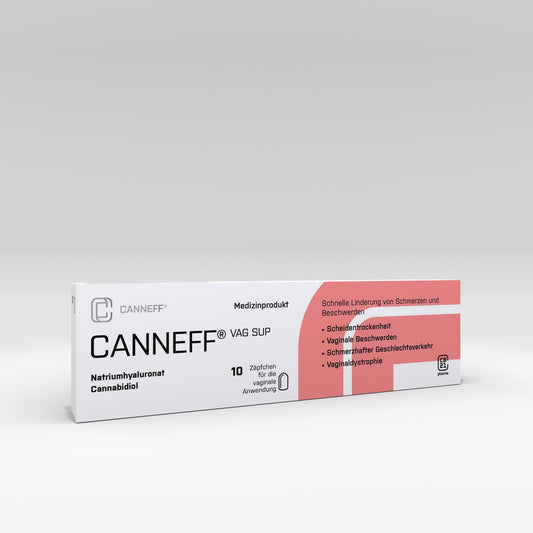
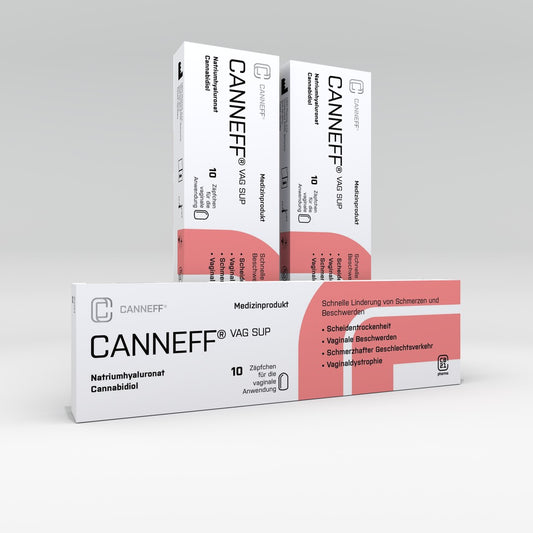
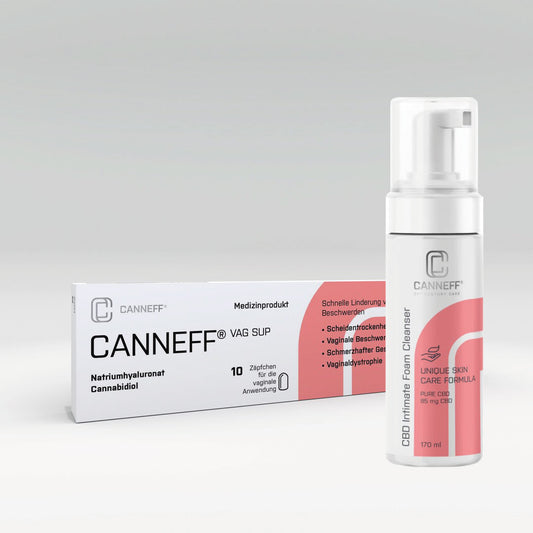
How can CANNEFF suppositories help with fatigue and what are the benefits of suppositories for fatigue during menopause?
CANNEFF suppositories can indirectly help relieve fatigue during menopause by addressing some of the most common menopause symptoms, such as hot flashes, sleep disturbances, and nervousness. These issues often lead to sleep deprivation and chronic exhaustion, as hot flashes and night sweats disrupt sleep and nervousness prevents the body from relaxing. The calming and relaxing properties of CBD in the CANNEFF suppositories help soothe the nervous system and reduce stress, which in turn improves sleep quality. Better sleep leads to less fatigue and more energy in daily life.
Additionally, the suppositories can relieve joint pain and other complaints through their anti-inflammatory properties, which also negatively affect well-being. By supporting the whole body in managing menopause symptoms, the suppositories can help reduce overall fatigue.
Which common menopause symptoms can be treated with CANNEFF suppositories?
Vaginal dryness: Due to the decline in estrogen levels, dryness in the vaginal area often occurs, causing discomfort such as itching, burning, and pain during intercourse. The combination of hyaluronic acid and CBD in the suppositories provides intense moisture and helps relieve these symptoms.
Hot flashes and night sweats: Hormonal fluctuations during menopause affect the brain's temperature center and cause hot flashes and night sweats, which impair sleep and well-being. CANNEFF suppositories can relieve these symptoms and restore balance in the body, also leading to improved sleep quality.
Sleep disorders and nervousness:Sleep disorders are a common problem during menopause, often worsened by hot flashes and night sweats. CANNEFF suppositories can calm the nervous system, reduce stress, and promote sleep. This leads to better overall well-being, improved concentration, and memory performance.
Joint complaints: Estrogen deficiency during menopause can lead to decreased bone density and associated joint complaints. CANNEFF suppositories can help alleviate these complaints and improve quality of life.
What advantages do CANNEFF suppositories offer for treating menopause symptoms?
Suppositories offer several advantages over other therapies, especially in treating menopause symptoms:
Local and targeted effect: Suppositories act directly in the vaginal area, releasing the active ingredients where they are most needed. This reduces systemic side effects that may occur with oral medications. Additionally, CANNEFF suppositories have positive effects on other physiological symptoms of menopause.
Fast relief: The direct release of active ingredients through the mucous membranes ensures rapid relief of symptoms, especially in the intimate area.
Innovative ingredients:CANNEFF suppositories are based on innovative ingredients such as CBD and hyaluronic acid, which provide a safe and effective treatment.
By specifically relieving several typical menopause complaints, suppositories like CANNEFF VAG SUP can play an important role in reducing general fatigue and improving quality of life during menopause.