

Libido and sexuality during menopause
What is loss of libido during menopause, and why can it occur?
Loss of libido during menopause describes a significant decrease in sexual desire in women during or after menopause. This loss of interest in sexuality can vary from woman to woman and often has both physical and psychological causes.
Physical causes:
Hormonal changes: During menopause, estrogen and progesterone levels, which play an important role in the female cycle and overall well-being, decline. Low estrogen levels can lead to vaginal dryness and painful intercourse, which can reduce interest in sex.
Testosterone deficiency: Although testosterone is often considered a "male hormone," it also plays an important role in women's libido. Testosterone levels also decrease during menopause, which can negatively affect sexual desire.
Vaginal dryness: Due to the declining estrogen levels, vaginal dryness can occur, which can lead to painful sex (dyspareunia). These symptoms also contribute to a decrease in sexual interest and can sometimes cause a sore vagina and possible vaginal infections.
Psychological causes:
Stress and fears about the future: Many women experience changes in their lives during menopause, such as the "empty nest syndrome" (when children leave home) or career changes. These factors can be emotionally stressful and lead to a loss of sexual desire.
Changes in self-perception: Some women feel less attractive during this phase of life or have difficulty accepting the physical changes, which can negatively affect their self-confidence and, consequently, their libido.
Relationship problems: Relationship problems that may have existed even before the menopause can be intensified by the physical and emotional changes during this time. A lack of emotional closeness can further reduce sexual desire.
What aids are available to improve libido?
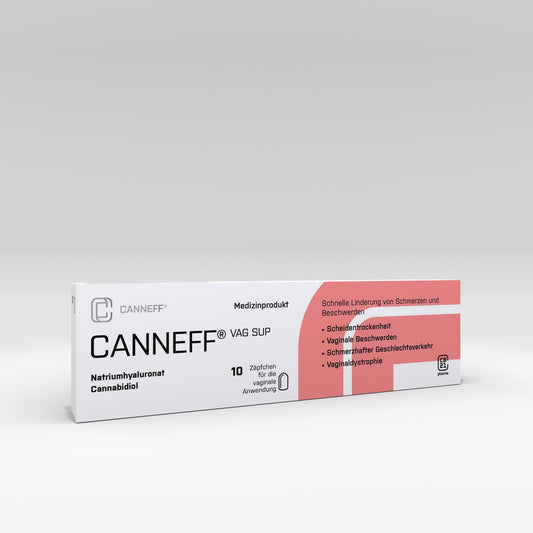
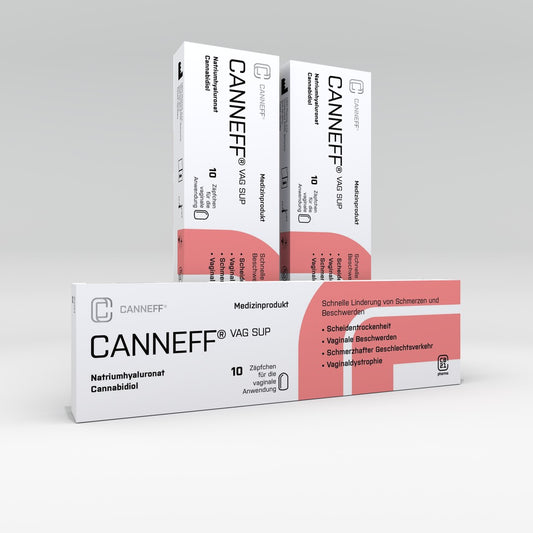
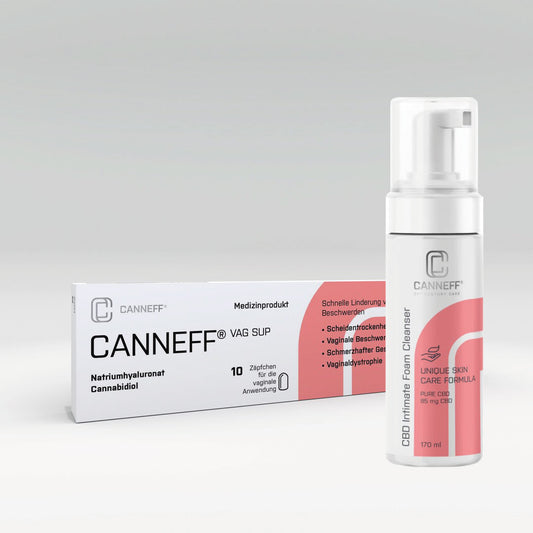
CANNEFF vaginal suppositories can be helpful for physical causes of libido loss, especially when vaginal dryness and pain during intercourse play a role. The combination of hyaluronic acid and CBD in the suppositories helps to moisturize the vaginal mucosa and relieve discomfort. By improving vaginal health and reducing pain, CANNEFF suppositories can help make sexual experiences more enjoyable, which in turn can positively affect libido. Additionally, the positive effects on sleep and mood documented in studies on the suppositories contribute to overall quality of life and may also indirectly increase sexual desire. Of course, there are other measures that specifically enhance libido, which are described in more detail below.
Why do some women have increased sexual desire during menopause?
Some women experience increased sexual desire during menopause, due to various physical, hormonal, and psychological factors. This phase of life can be a time of liberation and new sexual awakening for many women. Here are some reasons why women may feel increased desire during menopause:
Relief from contraception anxiety: After menopause, there is no longer a need for contraception, as pregnancy is no longer possible. This relief from the worry of unwanted pregnancy can be a great comfort and lead many women to feel more relaxed and free, which increases sexual desire.
Fewer hormonal fluctuations: Although overall hormone production decreases, the hormonal fluctuations experienced during fertile years may lessen. This stabilization can lead to a calmer emotional and physical state, where women are more open and relaxed, which can increase sexual desire.
More time and less stress: In this phase of life, many women are relieved of obligations like child-rearing or intense work commitments. With less daily pressure and more time for themselves and their partner, they can focus more on their relationship and sexuality. This allows for a new discovery or rediscovery of sexuality.
New definition of sexuality: As they age, expectations about sex life often change. Women can approach their sexuality more relaxedly and find new ways to enjoy sexual intimacy without focusing on youthful ideas of sexuality. This new perspective can lead to increased sexual desire and openness to experimentation.
Stronger emotional and sexual intimacy: Women in menopause often have a long-term relationship behind them, which means deep emotional and sexual intimacy with their partner. The feeling of security and familiarity can make women feel more sexually confident and free in their relationship, which increases desire.
Improved vaginal health: Thanks to modern aids, many of the physical symptoms that affect women during menopause can be effectively treated. Products like CANNEFF Vaginal Suppositories with CBD and hyaluronic acid provide quick relief for vaginal dryness and painful intercourse. By moisturizing the mucous membranes and reducing pain, these suppositories can make sex more comfortable and thus enhance sexual interest.
Psychological and emotional liberation: Another important aspect is that many women rediscover their sexuality during the menopause. Feeling freed from the obligation of reproduction and having more life and relationship experience, they may feel sexually freer and more adventurous.
While for some women the menopause may be associated with a decrease in libido, many women experience this time as a phase of sexual liberation and increased desire. Factors such as the removal of contraception worries, more time for oneself and the partner, improved vaginal health through products like CANNEFF Vaginal Suppositories, and stronger emotional intimacy can positively influence sexual desire during the menopause.
Contraception during menopause
How long should you use contraception during menopause?
During the menopause, pregnancy is still possible because ovulation can still occur irregularly during this phase. Therefore, contraception remains important. As a general rule, women over 50 should continue contraception for at least one year after their last menstrual period (menopause). For women under 50, it is recommended to continue contraception for at least two more years.
It is advisable to consult a gynecologist to determine the individual timing of menopause and make a safe decision about ending contraception. A hormone status test can also help determine whether ovulation is still occurring.
Which contraceptive methods are best suited during menopause?
During the menopause, it is important to choose contraceptive methods that meet the changed health needs and risks. Some methods are better suited for this phase than others, especially due to the increased risk of cardiovascular diseases or thrombosis. Here are the most suitable contraceptive methods for this stage of life:
Barrier methods (condoms, diaphragm)
Barrier methods such as condoms and diaphragms are safe, hormone-free, and also protect against sexually transmitted infections. They are a simple way to contracept during menopause because they carry no hormonal risks and are easy to use.
Copper IUD
The copper IUD is another hormone-free option. It can be used for several years and is very reliable. Since it contains no hormones, it is suitable for women who want to avoid risks associated with hormonal contraceptives.
Can the hormonal IUD be used?
The hormonal IUD (progestin IUD) is a good alternative because it works locally and reduces the risk of systemic side effects such as thrombosis or cardiovascular problems. It releases the hormone progestin directly into the uterus, preventing pregnancy without burdening the entire body.
Progestin-only methods (mini-pill, hormone implant)
Progestin-only contraceptives like the mini-pill or hormone implant are also suitable because they do not contain estrogen and thus reduce the risk of thrombosis. These methods work by preventing ovulation or thickening cervical mucus, which blocks sperm from entering.
When is sterilization advisable?
For women who have completed their family planning and want a permanent solution, sterilization can be considered. This procedure is permanent and offers a very reliable method of contraception.
Natural family planning (e.g., temperature method)
During menopause, the temperature method becomes more difficult as the cycle becomes irregular. Therefore, this method is less reliable but can be combined with other methods to reduce risk.
Which contraceptive methods should be avoided during menopause?
Hormonal combination preparations, such as the classic "pill," which contain both estrogen and progestin, are less suitable during menopause because the risk of thrombosis, heart attacks, and strokes increases with age. Gynecologists therefore often advise against estrogen-containing contraceptives during this life phase.
It is advisable to discuss the best method individually with a gynecologist to consider personal health conditions and possible risks.
What can be done about pain during sex in menopause?
Pain during sex (dyspareunia) is a common problem during the menopause, often caused by hormonal changes, especially the declining estrogen levels. This leads to thinning and dryness of the vaginal lining, making sexual intercourse uncomfortable or even painful. However, there are various ways to relieve these symptoms and restore sexual well-being:
Can I use lubricants?
One of the simplest and most effective ways to relieve pain caused by vaginal dryness is to use lubricants. They provide extra moisture and reduce friction during sex. There are water-based, silicone-based, and oil-free lubricants that can be chosen according to personal preference. Especially with regular use, this can significantly improve comfort during sexual intercourse.
Can I use vaginal moisturizers?
In addition to lubricants, there are also vaginal moisturizers and suppositories that can be used regularly to care for and keep the vaginal lining supple over the long term. CANNEFF vaginal suppositories are an excellent option in this context, as they contain CBD and hyaluronic acid, which not only provide moisture but also have anti-inflammatory effects and promote healing of the sensitive mucous membrane. Regular use can reduce dryness and make sexual intercourse more comfortable.
Is local hormone therapy advisable?
A common approach to treating vaginal dryness is local hormone therapy. Vaginal suppositories, creams, or rings with low-dose estrogen can be applied directly inside the vagina. They help rebuild the vaginal lining, improve elasticity, and promote natural moisture without the risk of systemic side effects associated with oral hormone replacement therapy.
Can pelvic floor training help me?
Pelvic floor training can help improve blood circulation in the pelvic area and strengthen the muscles, which not only promotes overall health but can also enhance sexual sensation and reduce pain. Regular exercises contribute to tightening and supporting the vaginal muscles.
Is open communication with the partner advisable?
Often, it can be helpful to talk openly about the symptoms with your partner. This way, the partner can be considerate of the situation, and intercourse can be slower and gentler. More foreplay and tenderness can help promote natural lubrication and make the sexual experience more pleasant.
When is medical advice important?
If the pain persists or other symptoms appear, it is advisable to consult a gynecologist. It may be necessary to investigate other causes, such as infections like urinary tract infection and colpitis or vaginal atrophy, which require targeted medical treatment.
Can CANNEFF Vaginal Suppositories reduce my pain?
CANNEFF Vaginal Suppositories with CBD and Hyaluronic Acid offer effective and fast relief from pain and discomfort, especially in cases of vaginal dryness or painful intercourse. CBD has anti-inflammatory and soothing effects on the sensitive vaginal mucosa, while hyaluronic acid provides moisture and makes the mucosa more elastic. This combination can not only relieve pain but also make the sexual experience more enjoyable overall. Reduced vaginal injuries also lower the risk of vaginal inflammation and infections.
How does one’s own body perception affect sex life during menopause?
One’s own body perception plays a central role in sex life, especially during menopause, when the body noticeably changes due to hormonal shifts. In this phase of life, physical and psychological factors can influence self-image, which in turn directly affects sexual desire and intimacy. Here are some of the most important influences of body perception on sex life during menopause:
What changes in the body and self-perception occur?
During menopause, a woman’s body changes in many ways. Common symptoms include weight gain, dry skin, hair loss, and a tendency to accumulate fat in the abdominal area. These changes can cause many women to feel less attractive or desirable. This can significantly affect self-confidence and create a barrier to feeling free and uninhibited in their sex life.
Is there an influence of societal norms and beauty ideals?
Our society often associates youth with beauty and sexual attractiveness. Women in menopause may feel additional pressure not to meet these expectations anymore. These internalized norms can lead to a negative body image, which in turn reduces desire and confidence in the sexual realm.
Are there also effects on libido and sexual intimacy?
When women perceive their bodies as less attractive, it can reduce their desire for sexual activities. A negative body image can lead to feelings of shame, which limits openness to sexual experiences. Women may withdraw emotionally and physically, which can also strain their relationship with their partner.
What effect does a positive attitude towards the body have during menopause?
On the other hand, many women experience a positive change during the menopause. They accept the changes in their bodies and embrace them in their new form. This can lead to increased sexual desire as they free themselves from societal expectations and enjoy the new freedom of no longer needing contraception. Growing self-confidence with age and the realization that sexual attractiveness is not only linked to youthfulness can also contribute to improving sex life during this phase.
How can CANNEFF vaginal suppositories help with this?
Physical changes such as vaginal dryness or painful experiences during intercourse can also affect self-esteem and sexuality. Products like CANNEFF vaginal suppositories with CBD and hyaluronic acid can be helpful here, as they improve vaginal moisture, relieve pain, and thus promote well-being in the intimate area. By reducing discomfort, these suppositories help women feel more comfortable in their bodies and become more open to sexual intimacy again. Other physiological symptoms of menopause such as hot flashes, sleep disturbances, joint complaints, restlessness and nervousness, and depressive moods can be alleviated, and overall well-being, the so-called quality of life, is increased according to clinical studies.
What influence does mental health have?
In addition to physical perception, mental health also plays a crucial role. Stress, depressive moods, or fears about the future, which often accompany the menopause, can diminish self-esteem and sexual desire. A positive approach to these emotions and the willingness to seek psychological support if necessary can help restore sexual well-being.
What role does my partner play?
A supportive and understanding partner can make a big difference. Positive feedback and affection can boost self-confidence and help overcome negative body perceptions. Open conversations about feelings and needs contribute to emotional and physical intimacy.
Which physical changes during menopause affect sexuality?
During menopause, the body undergoes numerous hormonal and physical changes that can affect sexuality both positively and negatively. These changes vary individually, but some occur in many women and influence sexual experience. Here are the main physical changes during menopause that can affect sexuality:
Declining estrogen levels
One of the central physical changes during menopause is the declining estrogen level. Estrogen is not only responsible for the menstrual cycle but also for the health of the vaginal mucosa and the blood flow to the genitals. A drop in this hormone can have the following effects:
Vaginal dryness: Reduced estrogen production leads to a decrease in natural vaginal moisture. This can cause dryness, itching, and pain during sexual intercourse (dyspareunia).
Vaginal atrophy: Due to estrogen deficiency, the tissue of the vaginal walls becomes thinner, less elastic, and drier, which can make sexual intercourse less comfortable. Discover our CANNEFF Atrophy Package.
Changes in vaginal flora
During menopause, the vaginal flora changes, which can increase the risk of infections. Due to the altered pH balance and thinning vaginal mucosa, infections such as vaginal yeast infections may occur more frequently, which can affect sexual intercourse.
Decrease in lubrication
Along with vaginal dryness, the natural lubrication produced by sexual arousal decreases. This means women take longer to become moist, which can make intercourse less pleasant.
Hot flashes and night sweats
Hot flashes and night sweats are typical symptoms of menopause that can affect overall well-being and sexual desire. Sleep disturbances and discomfort from night sweating lead to fatigue and reduced desire for sexual intimacy.
Weight gain and changes in body shape
Due to the changed hormonal balance, fat distribution in the body shifts. Women tend to store more fat in the abdominal area, leading to a changed body shape. These physical changes can affect self-confidence and lead to a negative body image, which in turn impacts sexual desire.
Joint and muscle pain
Many women report joint pain or general muscle stiffness, which can also be caused by the hormonal decline during menopause. These complaints can limit mobility and make sexual activities uncomfortable or painful. CANNEFF suppositories have shown improvement in joint complaints during menopause in a clinical study.
Decreasing testosterone levels
Although testosterone is often seen as a "male hormone," it also plays a role in female sexuality, especially for libido. Testosterone levels also decline during the menopause, which can lead to reduced sexual desire.
Skin and mucous membrane changes
The skin becomes drier and less elastic during menopause. This affects not only the outer skin but also the mucous membranes, including the vaginal mucosa. These changes lead to increased sensitivity and can negatively impact the sexual experience.
Pelvic floor weakness
With increasing age and hormonal changes, the pelvic floor can weaken. This can lead to incontinence or altered sexual sensation, as the control and firmness of the pelvic floor muscles play an important role in sexual pleasure.
Positive effects on sexuality
Despite these challenges, many women also report positive changes in their sexuality. With the end of the fertile phase, the need for contraception disappears, which many women find liberating. This can lead to a more relaxed and enjoyable sexuality, as there is no longer fear of unwanted pregnancy.
Support through CANNEFF vaginal suppositories
An effective remedy to alleviate some of the physical changes are CANNEFF vaginal suppositories. These suppositories contain hyaluronic acid and CBD, which moisturize and repair the vaginal mucosa. They help relieve vaginal dryness and improve the elasticity of the vaginal walls, making intercourse more comfortable. Additionally, they have anti-inflammatory and pain-relieving effects, which can significantly improve sexual well-being for women suffering from vaginal discomfort.

How does vaginal dryness occur during menopause, and what can be done about it?
Vaginal dryness during menopause mainly occurs due to the declining estrogen levels. This hormonal decrease causes the vaginal mucosa to become thinner, less elastic, and drier, which can lead to discomfort such as itching, burning, and pain during intercourse.
Some measures to relieve vaginal dryness:
- Use lubricants to improve lubrication during sex.
- Apply vaginal moisturizers or local hormone treatments to rebuild the mucosa.
- CANNEFF vaginal suppositories with CBD and hyaluronic acid provide relief by increasing moisture and regenerating the vaginal mucosa.
- Pelvic floor training to promote blood circulation and support vaginal health.
Does sexuality improve after menopause?
Yes, for many women, sexuality can actually become better or more satisfying after menopause. Menopause represents a transition during which hormonal and physical changes can lead to temporary challenges, but after this phase, sexuality can often benefit from new aspects.
How can sexual desire be increased during menopause and what can I do?
There are various ways to increase sexual desire during menopause. A combination of physical care, emotional health, and communication can help improve libido and enhance sexual well-being.
Vaginal Care
Vaginal dryness and discomfort during sex are common causes of decreased desire during menopause. CANNEFF vaginal suppositories with CBD and hyaluronic acid can help moisturize the vaginal mucosa, relieve pain, and make intercourse more comfortable. This improves the sexual experience and increases desire.
Healthy Nutrition
A balanced diet rich in vitamins and minerals supports overall well-being and sexual health. Certain foods like maca, ginseng, and dark chocolate are considered natural aphrodisiacs that can increase sexual desire.
Exercise and Sports
Regular physical activity improves circulation, boosts energy, and lifts mood, which can positively affect libido. Pelvic floor training is especially helpful as it strengthens muscles and intensifies sexual sensation.
Stress reduction and relaxation
Stress is a common libido killer. Relaxation techniques such as yoga, meditation, or acupuncture can help reduce stress and promote sexual desire.
Open communication with the partner
Open conversations with your partner about wishes, needs, and any problems can strengthen emotional closeness and trust, which enhances sexual intimacy and desire.
Hormone replacement therapy (HRT)
In some cases, hormone replacement therapy (HRT) with low-dose estrogen and/or testosterone can help correct hormonal imbalances and restore sexual desire. However, this should only be considered after medical consultation.
Emotional health and self-acceptance
Self-confidence plays a crucial role. Women who accept their bodies and feel comfortable in their skin generally have a higher sex drive. Positive self-care and developing a healthy body awareness can increase sexual desire.
Through this combination of physical care, emotional well-being, and nurturing the partnership, sexual desire during menopause can be naturally and healthily increased.
Which home remedies or natural remedies help with low sexual desire?
There are various home remedies and natural approaches that can help with low sexual desire during menopause. These methods aim to improve overall well-being and support libido without relying on synthetic medications.
Maca root: This natural supplement is often used to boost sexual desire and energy. It can alleviate hormone-related complaints.
Ginseng: Ginseng is traditionally used as an aphrodisiac. It can increase energy levels and promote sexual desire.
St. John's Wort: For mild depressive moods that can affect libido, St. John's Wort has a mood-enhancing effect that can positively influence sexuality.
Dark chocolate: It contains substances that stimulate the release of endorphins and have a mood-enhancing effect, which can increase sexual desire.
Acupuncture and yoga: These methods promote relaxation, stress reduction, and improved body awareness, which can positively affect libido.
Pelvic floor training: Regular exercises strengthen the pelvic floor muscles, improve blood circulation, and increase sexual sensitivity.
These remedies and approaches can naturally help increase sexual desire by breaking down both physical and emotional barriers.
General questions about sexuality during menopause
Which hormone is lacking in sexual disinterest?
Sexual disinterest during menopause is often due to a lack of estrogen and, in some cases, testosterone. Both hormones play a central role in sexual desire and overall well-being.
Estrogen: During menopause, estrogen levels drop significantly, leading to vaginal dryness, reduced elasticity of the vaginal mucosa, and decreased blood flow to the genitals. These physical changes can reduce sexual desire as intercourse may become uncomfortable or painful.
Testosterone: Although testosterone is known as the "male hormone," it also plays an important role in female sexuality. During menopause, testosterone levels also decrease, which can lead to a decline in libido. Testosterone is linked to sexual desire and arousal, and a deficiency can affect interest in sex.
These hormonal changes are the main cause of reduced libido in many women during menopause. In some cases, hormone replacement therapy (HRT) can help balance hormone levels and increase sexual desire. However, this should always be discussed with a gynecologist.
Is sex during menopause good for health?
Yes, sex during menopause is not only good for physical but also emotional well-being. Here are some health benefits that sex during this life phase can bring:
Promotion of blood circulation and vaginal health: Sexual activity improves blood circulation in the pelvic area and promotes the health of the vaginal mucosa. This can help maintain the elasticity and moisture of the vagina, which is especially beneficial during menopause, when vaginal dryness is a common problem.
Strengthens the immune system: Regular sex is associated with improved immune system function. Studies show that sexual activity can promote the production of antibodies, contributing to overall health.
Reduces stress and improves mood: Sex releases endorphins and oxytocin, hormones that enhance well-being and reduce stress. This can help alleviate mood swings and emotional strain that occur more frequently during menopause.
Improves sleep quality: Through the release of calming hormones like oxytocin and prolactin after orgasm, sex can contribute to better sleep quality, which is particularly beneficial during menopause, as many women suffer from sleep disturbances.
Strengthens the relationship: Sexual intimacy strengthens emotional bonds between partners and can help improve trust and communication in the relationship. This is especially important during a phase of change like menopause.
Support for the pelvic floor muscles: Sexual activity can strengthen the pelvic floor muscles, which can counteract incontinence problems that occur more frequently during menopause.
How likely is it to become pregnant during menopause?
The likelihood of becoming pregnant during menopause decreases but is not impossible as long as ovulation still occurs. During menopause, also called perimenopause, the cycle becomes irregular, and fertility declines due to the decreasing number of fertilizable eggs. However, pregnancy is still possible as long as menstruation has not completely stopped.
Perimenopause: In the transitional phase before menopause, when menstruation becomes irregular, ovulation can still occur, even if irregularly. As long as ovulation occurs, pregnancy is possible.
Menopause: Menopause is officially reached when a woman has not had a menstruation for twelve months. After that, fertility is considered ended, and pregnancy is no longer possible.
Contraception is essential: During perimenopause, it is recommended to continue contraception until at least one year after the last menstruation to avoid unwanted pregnancy. Women under 50 should use contraception up to two years after their last menstruation.

Are some women more sexually active during menopause than before?
Yes, many women experience increased sexual activity or desire during or after the menopause. This can be due to a variety of physical, emotional, and psychological factors that positively influence this life phase.
How does stress affect libido during menopause, and how can it be addressed?
Stress has a significant impact on libido, especially during the menopause, when the body is already burdened by hormonal changes. During this phase, factors such as work and family obligations, physical changes, and fears about the future can create additional pressure that reduces sexual desire.
Hormonal effects: Stress increases the production of cortisol, a hormone that inhibits sexual desire. At the same time, declining estrogen levels during the menopause can further disrupt hormonal balance, which additionally reduces libido.
Physical and emotional exhaustion: Stress can lead to insomnia, exhaustion, and mental overload. These factors contribute to a decrease in sexual desire, as the body in a state of tension is not ready to respond to sexual stimuli.
Distance in relationships and reduction of emotional closeness: Stress can also cause emotional distance in relationships. When stress builds up in a partnership, intimacy and the desire for sexual closeness often suffer.
What measures can help me against stress-related loss of libido?
Relaxation Techniques: Methods such as yoga, meditation, and breathing exercises help lower cortisol levels and enhance overall well-being. Regular relaxation can bring the body back to a state where sexual desire arises more easily.
Physical Activity: Exercise and physical activity promote the production of endorphins, which improve mood and reduce stress. At the same time, movement improves circulation and overall well-being, which can increase sexual desire.
Conversations and Emotional Closeness: Open conversations with your partner about experienced stress and related sexual problems can help restore emotional closeness. This strengthens the relationship and can revive the desire for intimacy.
Sleep and Self-Care: Adequate sleep and self-care are essential to reduce stress. Restful sleep promotes hormone balance and well-being, which supports libido.
Professional Support: In cases of ongoing stress or psychological burdens, counseling by a therapist or sex counselor can be helpful. They can teach targeted techniques to reduce stress and promote sexual health.
What help is available if libido does not return despite the end of menopause?
If libido does not return despite the end of menopause and various approaches, there are several possible aids and treatment options to increase sexual desire again. These aids and therapies aim to address physical, hormonal, and psychological causes.
Hormone Replacement Therapy (HRT): Hormone replacement therapy (HRT) can help rebalance hormone levels. It is often administered with low-dose estrogen and/or testosterone to treat symptoms such as vaginal dryness and loss of libido. However, HRT should only be considered after consulting a gynecologist, as it can have risks and side effects.
Testosterone Therapy: Testosterone, known as the "male hormone," also plays an important role in women's libido. In cases of severe loss of libido, testosterone therapy can be considered to restore sexual desire. Medical advice should be sought here as well.
Vaginal moisturizers and suppositories:CANNEFF vaginal suppositories with CBD and hyaluronic acid are an effective way to relieve vaginal dryness and discomfort that make sexual intercourse unpleasant. By improving vaginal moisture and elasticity, such products can make the sexual experience more enjoyable and indirectly increase libido.
Psychological support and sexual therapy: Sometimes the cause of libido loss lies not only in the body but also in psychological or emotional factors. Sexual therapy or couples counseling can help resolve emotional blockages, strengthen the relationship, and find new ways to experience sexual intimacy. These therapeutic approaches promote open communication about sexual needs and help boost self-confidence.
Medications to increase libido: There are medications specifically developed to increase libido in women, such as flibanserin. However, these medications should always be taken in consultation with a doctor to minimize risks and side effects.
Acupuncture and alternative healing methods: Acupuncture and other alternative therapies such as homeopathy or phytotherapy (e.g., black cohosh) can have positive effects on general well-being and libido for some women. While scientific evidence is often limited, many women report an improvement in their quality of life through these approaches.
Healthy lifestyle: A healthy lifestyle that includes regular exercise, a balanced diet, and sufficient sleep can also boost libido. Exercise increases blood flow and releases endorphins, which promote well-being and sexual desire. A healthy diet rich in vitamins and minerals supports hormone production and overall well-being.
Stress management: Stress is a common libido killer. Stress management techniques such as yoga, meditation, breathing exercises, or mindfulness training can help lower cortisol levels and increase sexual desire. Reducing stress also contributes to an overall improvement in quality of life, which can positively affect libido.