

When should the pill be stopped during menopause?
The right time to stop taking the pill varies from woman to woman but is generally recommended from the age of 40. Especially during the so-called perimenopause, the years leading up to the actual menopause, a woman should consider stopping the pill. In this phase, hormone levels begin to fluctuate, and the body's own hormone production gradually decreases. An indicator for the onset of menopause is the FSH level (follicle-stimulating hormone). This value provides information about ovarian function. A persistently elevated FSH level signals declining fertility. To measure the FSH level accurately, gynecologists recommend stopping the pill for at least four weeks. This helps determine whether the woman is in perimenopause or already in menopause.
What risks does taking the pill during menopause pose?
The pill carries several health risks, especially during menopause. This is because synthetic hormones like ethinylestradiol and progestins affect blood clotting. This increases the risk of thrombosis, which in turn raises the risk of heart attack and stroke. As women age, conditions such as high blood pressure, diabetes, and obesity become more common, which combined with taking the pill, amplify these risks. The risk of hormone-dependent cancers like breast cancer also increases with pill use. Studies show that women who have used hormonal contraceptives for many years have a higher risk.
Why is the pill not suitable for cycle regulation during menopause?
A common misconception is that the pill is suitable for cycle regulation during menopause. However, this contraceptive method primarily prevents ovulation and cannot balance hormonal fluctuations. During menopause, bleeding is often irregular and accompanied by other hormonal changes, such as a drop in estrogen levels. The pill simulates a regular monthly bleed, which does not correspond to a natural cycle. When the cycle becomes irregular, it is a sign that the body's own hormones are out of balance. In such cases, bioidentical hormone therapy is the better choice.
What are the alternatives to hormonal contraception during menopause?
There are several non-hormonal alternatives recommended during menopause to prevent pregnancy. The most popular methods include:
Copper IUD and Copper Coil: This method relies on the release of copper ions that immobilize sperm. It can be effective for up to ten years and offers a hormone-free contraceptive option.
Barrier Methods: These include condoms and diaphragms. These methods provide reliable protection if used correctly. Women with pelvic floor weakness should ensure the diaphragm fits properly.
Sterilization: A permanent solution that should be carefully considered is sterilization. It can be performed on both women and men. Male vasectomy is a less invasive procedure and is often considered less burdensome.

Can the pill prevent menopausal symptoms like hot flashes?
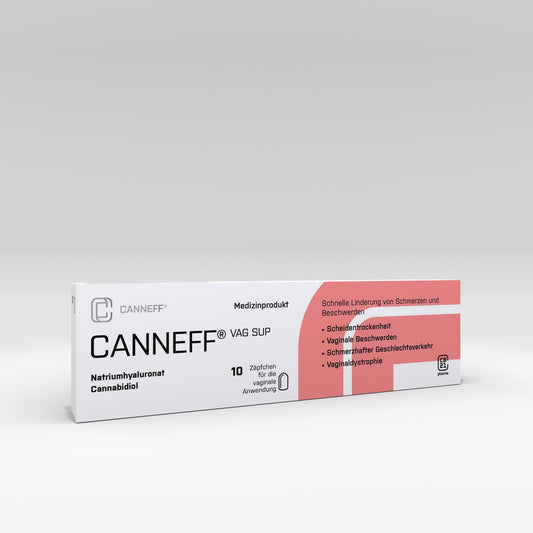
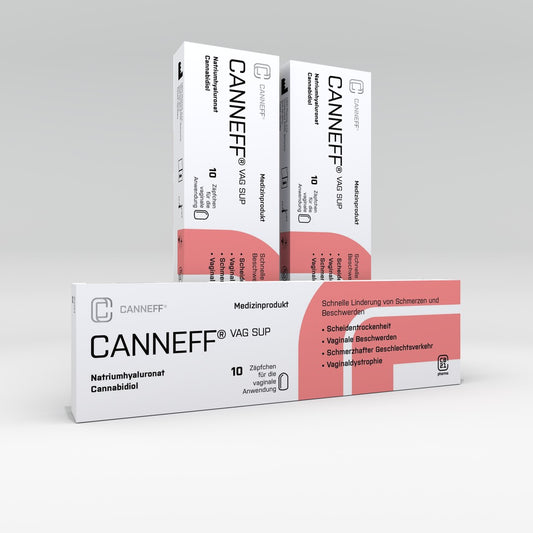
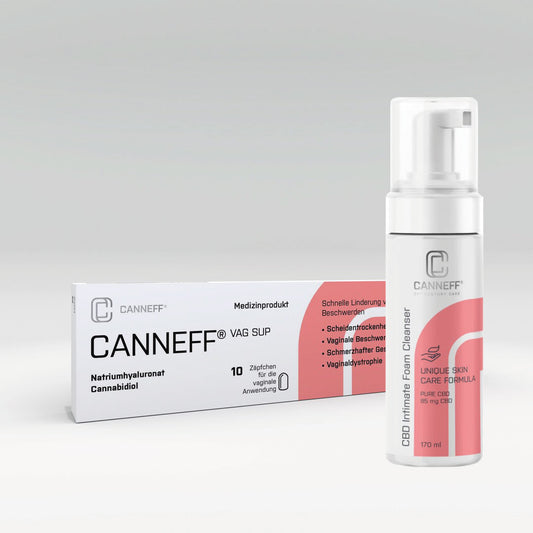
The pill can mask or reduce certain menopausal symptoms by artificially stabilizing hormone levels. Some women experience fewer hot flashes, mood swings, or sleep disturbances because the pill compensates for the natural drop in estrogen. However, it cannot fully prevent the body's hormonal changes. Menopause is a natural process, and the pill can only mask it, not stop it. Experts therefore recommend targeted hormone therapies specialized in relieving menopausal complaints. Hormone-free products like the CANNEFF CBD suppositories have shown in clinical studies with women in menopause that they can reduce typical menopause symptoms such as hot flashes, sleep disturbances, inner restlessness and nervousness, alongside relief from pain and vaginal dryness. This can significantly improve the quality of life for affected women.
How does the pill affect menopausal symptoms?
Taking the pill can influence the perception and intensity of menopause. The medication suppresses the natural cycle and artificially regulates hormone levels. This can alleviate typical symptoms such as hot flashes, sleep disturbances, and mood swings in some women. However, many women still report symptoms like inner restlessness, sweating episodes, and irritability despite taking the pill. The body experiences hormonal fluctuations during menopause that the pill cannot fully suppress. In some cases, the pill can even mask symptoms and give women the impression they are not yet in menopause, although hormonal changes are already well underway.
How can I tell if I am in menopause while taking the pill?
One of the biggest challenges for women taking the pill is recognizing menopause. The pill often simulates a regular monthly bleed, which is actually a withdrawal bleed and does not reflect the true hormonal status. Typical signs of menopause include irregular or absent bleeding, hot flashes, sweating episodes, sleep disturbances, and mood swings. However, since the pill artificially maintains hormone levels, it can be difficult to clearly identify menopause. Experts therefore recommend temporarily stopping the pill in consultation with a doctor to see if the cycle regulates itself.
Does the pill increase the risk of thrombosis during menopause?
As a woman ages, her body changes, and so does the risk for certain diseases. The pill, especially combination preparations, contains synthetic estrogens that increase the risk of thrombosis. This can lead to a higher risk of blood clots, strokes, and heart attacks. During menopause, this risk naturally increases due to hormonal changes. Women with risk factors such as smoking, high blood pressure, diabetes, or obesity should discuss with their doctor whether continuing the pill is advisable.
Which contraceptive methods are especially recommended during menopause?
During menopause, various contraceptive methods are available to meet women's needs. The copper IUD is one of the most effective hormone-free methods and offers protection for up to ten years. Condoms are another option, protecting against unwanted pregnancies and sexually transmitted infections. Women seeking a permanent solution can consider sterilization, either for themselves or their partner. For longer or irregular cycles, counseling on the symptothermal method can also be helpful, provided the cycles are still largely stable.
What are the advantages of bioidentical hormone therapy compared to the pill?
Bioidentical hormone therapy uses hormones that closely resemble the body's own estrogens and progesterones. Unlike the pill, which mainly suppresses ovulation and contains synthetic hormones, bioidentical hormone therapy aims to relieve symptoms such as hot flashes, sleep disturbances, irritability, and mood swings. The dosage in this therapy is also lower, reducing the risk of side effects. Studies have shown that bioidentical hormones carry fewer risks for thrombosis and cardiovascular diseases.
Why is menstruation while taking the pill not a real period?
The bleeding that occurs while taking the pill is called a withdrawal bleed. It is triggered by the hormone withdrawal during the pill-free interval and does not correspond to a natural menstruation. A natural monthly bleed results from the buildup and breakdown of the uterine lining in a regular cycle. Since the pill suppresses the cycle, there is no natural ovulation or lining buildup, which is why the withdrawal bleed is lighter.
What role does the FSH level play when stopping the pill?
The FSH level (follicle-stimulating hormone) plays an important role in understanding fertility during menopause. In perimenopause, the FSH level begins to rise as the body tries to compensate for declining ovarian function. This value indicates whether a woman is in menopause. To determine the FSH level accurately, the pill should be stopped for at least one month to get a clear picture of the hormonal status.
What health risks does long-term use of the pill pose?
Long-term use of the pill carries several health risks. These include an increased risk of thrombosis and a higher chance of cardiovascular diseases such as strokes and heart attacks. The likelihood of certain cancers, especially breast cancer, also rises with long-term use. Women with high blood pressure, obesity, or diabetes are particularly at risk. Long-term pill use can also affect the liver and metabolism, potentially leading to further health problems.
Can the pill mask signs of menopause?
Yes, the pill can mask typical signs of menopause such as irregular bleeding, hot flashes, and sleep disturbances. The artificial hormones stabilize hormone levels artificially, making menopause difficult to detect. Despite this hormonal stability, the body remains in the menopausal phase. Some women therefore still experience typical symptoms such as reduced resilience, mood swings, or night sweats even while taking the pill.
How does the pill affect hormone balance during menopause?
The pill regulates hormone balance by providing a constant supply of estrogen and progestins. This artificial stability can cause the natural decline of estrogen and progesterone during menopause to go unnoticed. Menopausal symptoms such as hot flashes, inner restlessness, and sleep disturbances are often perceived as milder. However, taking the pill simulates a hormonal balance that no longer truly exists. This carries the risk that women underestimate the actual changes in their bodies and overlook health problems. A conscious approach to hormonal changes is therefore essential.