

How do hemorrhoids affect sexual life and intimacy?
Hemorrhoids can have both physical and psychological effects on sexual life and intimacy. The symptoms range from pain and anal itching to an unpleasant feeling of pressure, which can be especially noticeable during certain sexual practices or positions. In particular, advanced stages (hemorrhoids grade III and hemorrhoids grade IV) can further impair sexual activity with symptoms of hemorrhoids such as oozing, bleeding, or inflammation. Read more here about bleeding hemorrhoids.
Physical effects of hemorrhoids on sexual life
The symptoms caused by hemorrhoids make certain sexual activities uncomfortable or even painful. Anal sex is particularly problematic because penetration puts pressure on the sensitive vascular cushions, which can cause irritation, tears, and bleeding. Vaginal intercourse is generally less affected, as long as there are no accompanying symptoms such as anal eczema or severe pain.
Psychological burden
The psychological burden caused by hemorrhoids should not be underestimated. Many affected individuals feel ashamed to talk to their partner about their symptoms, which can lead to insecurity and a decline in intimacy. Negative self-perception and fear of rejection by the partner can further strain the love life.
Tips for coping with hemorrhoids
Communication: Open conversations with your partner are essential to avoid misunderstandings and find solutions together.
Adjust positions: Choose positions that relieve pressure on the anal area to avoid pain.
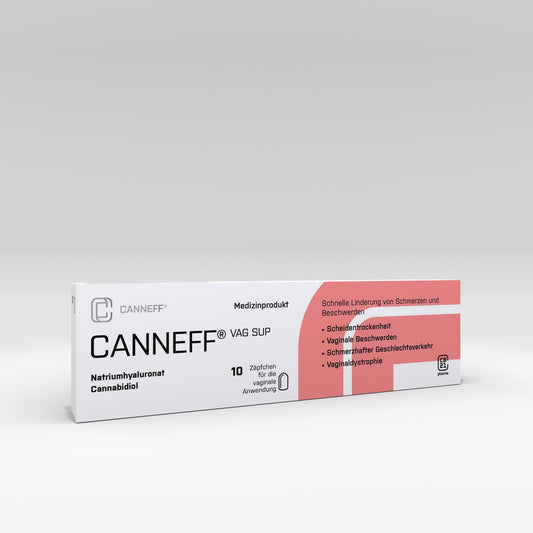
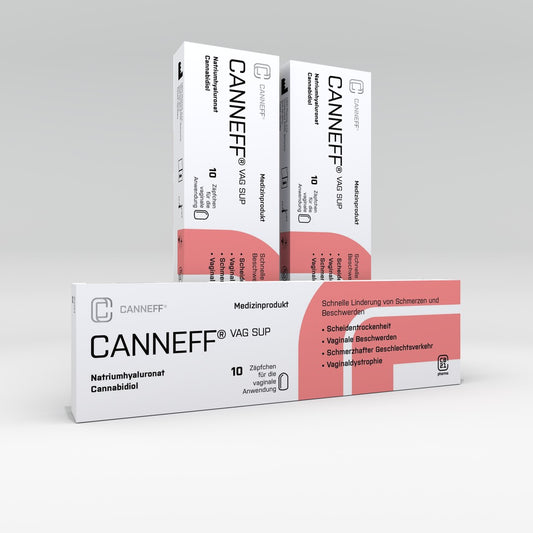
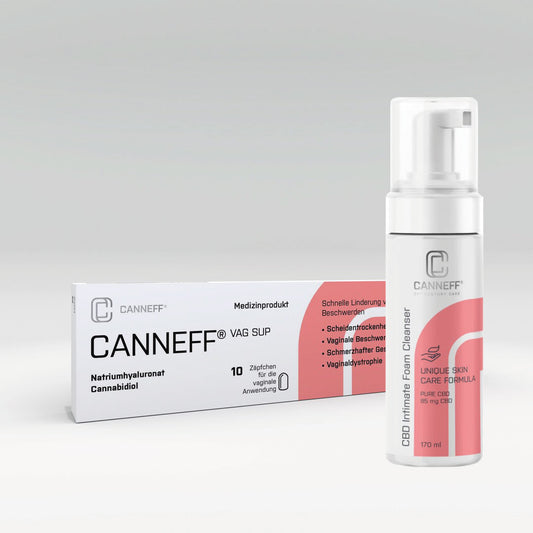
Care and relief: Sitz baths, anti-inflammatory ointments, or rectal suppositories like CANNEFF® SUP can help relieve symptoms and promote healing. Find more information here on treating hemorrhoids.

Take breaks: During acute symptoms or healing after a hemorrhoid treatment, it is advisable to temporarily reduce sexual activity.
Hemorrhoids can restrict your sex life but are not a reason to permanently give up intimacy. With targeted hemorrhoid treatment, precautions, and open communication, quality of life can be maintained. If symptoms persist, medical advice should be sought to effectively treat the symptoms of hemorrhoids and enjoy intimacy without worries again.
Can you have sex despite hemorrhoids, and what limitations are there?
Yes, sexual intercourse is possible despite hemorrhoids, but symptoms may cause limitations depending on the severity and type of sexual activity. The key is to listen to your body and take any pain or discomfort seriously.
Vaginal intercourse with hemorrhoids
Vaginal sex is generally possible without problems as long as there are no severe symptoms such as pain, discharge, or inflammation in the anal area. However, hemorrhoids can indirectly affect this, as pain or general discomfort may reduce desire. It is important to choose comfortable positions that relieve pressure on the anal area.
Anal sex with hemorrhoidal disease
Restrictions are greater with anal sex, especially in advanced stages (Hemorrhoids Grade III and Hemorrhoids Grade IV). The mechanical pressure on the sensitive vascular cushions can cause pain, bleeding, or even small injuries. This increases the risk of infections. Experts therefore advise avoiding anal sex with existing symptoms until the hemorrhoids are treated or have subsided. Read more here about bleeding hemorrhoids.
Restrictions and precautions during sex with hemorrhoids
Pain perception: Sexual intercourse should be stopped if pain occurs.
Lubricants: Especially during anal sex, a lubricant can help minimize friction and prevent small injuries.
Condoms: Condoms protect against infections during anal sex that can arise from small mucosal injuries.
Hygiene: Thorough hygiene before and after sexual intercourse is essential to prevent inflammation and infections.
Adjust positions: Positions that relieve pressure on the anal area are especially recommended.
Rest after surgery: After surgical procedures, such as hemorrhoid removal or ligation, any sexual intercourse should be avoided for at least four to six weeks.
Despite hemorrhoids, sexual intercourse is possible in most cases when symptoms are taken into account. Communication with the partner and avoiding painful practices are essential. If symptoms persist or worsen, medical evaluation is necessary to discuss appropriate treatment options.
Can anal sex cause hemorrhoids, and is it possible with existing symptoms?
Does anal sex cause hemorrhoids?
No, anal sex does not cause hemorrhoids. Hemorrhoids are natural vascular cushions in the anal canal that only become enlarged and symptomatic due to factors such as chronic constipation, straining, genetic predisposition, or pregnancy. Anal sex alone is not a direct cause of hemorrhoidal disease. Read more here about the causes of hemorrhoids.
Is anal sex possible with existing hemorrhoids?
Anal sex can be problematic with existing hemorrhoids, especially in advanced stages. The mechanical pressure and friction during anal sex can increase the following risks:
Pain: The sensitive, enlarged vascular cushions can be strongly irritated by pressure.
Bleeding: Anal sex can cause bleeding from already inflamed or damaged hemorrhoids. Read more here about hemorrhoid bleeding.
Injuries: Small tears (anal fissures) or splits in the hemorrhoids can occur.
Infection risk: Mucosal injuries increase the likelihood of infections, especially with frequent partner changes or poor hygiene.
Precautions for anal sex with hemorrhoids
Take pain seriously: If anal sex causes pain, it should be stopped immediately.
Use lubricant: High-quality, water-based lubricants reduce friction and protect the sensitive mucosa.
Using condoms: Condoms reduce the risk of infections, especially with small mucosal injuries.
Gentle practices: Slow approach and caution are essential to minimize discomfort.
Avoidance in case of severe discomfort: In cases of severely enlarged hemorrhoids, bleeding, or acute inflammation, it is strongly recommended to avoid anal sex until the symptoms of hemorrhoids have subsided.
Anal sex does not cause hemorrhoids, but it can worsen existing symptoms. If hemorrhoids are present, anal sex should only be practiced with mild symptoms and precautions. In advanced stages, abstaining is advisable to avoid pain and complications. If uncertain or if you have questions about hemorrhoid symptoms, consult a doctor to determine the best course of action.
What risks exist during anal sex with hemorrhoids, and how can they be minimized?
Risks of anal sex with hemorrhoids
Pain: Enlarged or inflamed hemorrhoids can react painfully to pressure and friction during anal sex.
Bleeding: The sensitive mucous membrane of the hemorrhoids can easily tear, leading to bleeding. Read more about bleeding hemorrhoids here.
Inflammations: Small injuries promote the entry of bacteria and increase the risk of infections.
Anal fissures: Excessive pressure can cause tears, called anal fissures, in the mucous membrane, which are painful and slow to heal.
Anal eczema: Irritations from friction or secretions can lead to inflammatory skin changes – anal eczema.
Risk of infection: Damaged mucous membranes can increase the risk of sexually transmitted diseases such as HIV or hepatitis.
Ways to minimize risks during anal sex with hemorrhoids
Use condoms: Reduces the risk of infections, especially with small mucosal injuries.
Use lubricants: High-quality water-based lubricants reduce friction and protect the mucous membrane. Avoid oil-based lubricants that can damage latex condoms.
Slow approach: A cautious and slow approach minimizes pressure and risk of injury.
Pay attention to pain: Stop the act if pain occurs to prevent further damage.
Talk with your partner: Clarify boundaries and risks beforehand to avoid unnecessary pressure or uncertainties.
Anal sex only with mild symptoms: Avoid anal sex if you have severe symptoms such as heavy bleeding or acute inflammation until symptoms have subsided.
Maintain hygiene: Thorough cleaning before and after anal sex reduces the risk of infections.
Medical consultation: Consult a doctor if you are unsure whether anal sex is safe with existing symptoms.
Anal sex with hemorrhoids carries increased risks, especially in advanced stages of hemorrhoids. These risks can be reduced with precautions such as condoms, lubricants, and a slow, respectful approach. In cases of severe symptoms, abstaining is advisable until medical treatment of hemorrhoids has been completed.
Which sexual practices are particularly stressful for hemorrhoids, and which positions are recommended?
Stressful sexual practices with hemorrhoidal conditions
Anal sex: Mechanical pressure and friction can irritate hemorrhoids, cause pain, and increase the risk of bleeding or anal fissures. Read more here about bleeding hemorrhoids and the differences between anal fissures and hemorrhoids.
Positions with strong pressure on the pelvic floor: Practices that apply intense pressure to the anal area, such as the doggy style position, can worsen symptoms.
Intense manual stimulation of the anal area: Fingers or sex toys can irritate the mucous membrane, especially with enlarged or inflamed hemorrhoids.
Recommended positions for hemorrhoid conditions
Spooning position: This position minimizes pressure on the pelvic floor and is gentle on the anal area, making it suitable for those affected.
Missionary position: Body contact and reduced pressure on the lower back and pelvic area make this position more comfortable.
Modified cowgirl position: If the partner controls the intensity, this position can be adjusted to avoid pressure on the anal area.
Tips for adapting sexual practices with hemorrhoid conditions
Use lubricant: High-quality lubricants can reduce friction during penetration, both vaginal and anal.
Avoid pressure: Avoid positions that apply direct pressure to the anal area.
Communication: Talk openly with your partner about your symptoms and preferred practices.
Redefining intimacy: Emphasize physical closeness and tenderness that are less stressful, such as oral sex or massages.
Sexual practices that put strong pressure on the pelvic floor or direct friction in the anal area should be avoided with hemorrhoids. Gentle positions like spooning or missionary allow intimacy without worsening symptoms. Open communication and adapting practices are essential to minimize strain and keep sex enjoyable.
How can lubricants and condoms help during sex with hemorrhoids?
Benefits of lubricants for hemorrhoids
Reduction of friction: Lubricants reduce friction during penetration, both anal and vaginal, thereby minimizing the risk of skin irritation and injuries in the anal area.
Protection of irritated mucous membranes: Especially with hemorrhoids, which are sensitive due to inflammation or swelling, lubricants can reduce tissue strain and prevent pain.
Easy application: Water-based or silicone-based lubricants are especially suitable as they are skin-friendly and do not cause further irritation.
Role of condoms
Protection against infections: Hemorrhoids can weaken the skin barrier, increasing the risk of infections from bacteria or viruses. Condoms provide effective protection here, especially during anal sex or with frequently changing partners.
Avoiding contact with secretions: With hemorrhoids, there is often a risk of moisture or open areas that are vulnerable to germs. Condoms protect both partners from direct contact with secretions.
Protecting sensitive skin: The smooth surface of a condom can make contact more comfortable and provide additional protection.
Recommendations for the use of lubricants and condoms with hemorrhoidal conditions
Lubricants: Only use water-based or silicone-based lubricants with condoms, as oil-based products like petroleum jelly or oils can damage latex condoms.
Condoms: Use high-quality condoms that fit securely to prevent slipping or tearing.
Check for allergies: Choose hypoallergenic lubricants or latex-free condoms if you or your partner are sensitive to certain materials.
Lubricants and condoms are essential aids to make sexual life more comfortable and safer with hemorrhoids. They minimize pain, reduce the risk of injuries, and protect against infections. The right choice and use promote a positive and stress-free experience despite existing discomfort.
How long should you avoid sex after hemorrhoid surgery or ligation, and when is anal sex safe again?
Time restrictions after hemorrhoid treatment
The duration for which one should abstain from sex—especially anal sex—depends on the type of procedure and the healing process:
After rubber band ligation: It is recommended to avoid any manipulation in the anal area for at least three to four weeks. The procedure does not leave open wounds, but there is an increased risk of arterial bleeding during the healing phase.
After surgical procedures (e.g., Milligan-Morgan method): Wound healing usually takes four to six weeks. During this time, anal sex is not safe as there is a risk of wounds reopening or infections developing.
After a stapler or HAL method: Even with minimally invasive techniques, it is advisable to avoid anal sex for about three to six weeks to not jeopardize healing.
Read more here about the hemorrhoid surgery.
When is anal sex safe again after surgery in the anal area?
Anal sex is only safe once wounds are fully healed, no pain remains, and the doctor considers the healing process complete.
Open or incompletely healed wounds can tear due to mechanical stress during anal sex, leading to severe bleeding or infections. Read more about hemorrhoid bleeding here.
Important notes before resuming sexual activity after hemorrhoid surgery
Medical consultation: Consult your doctor before considering anal sex again to ensure the healing process is complete.
Slow approach: Start gently and use plenty of lubricant to reduce friction and avoid injuries.
Pain as a warning sign: If pain occurs during intercourse, stop immediately and have possible causes medically evaluated.
After a hemorrhoid surgery or ligation, one should abstain from sex for three to six weeks depending on the procedure. Special caution applies to anal sex, as the healing process of the anal area is crucial to avoid complications. Consulting a doctor and proceeding gently are essential to ensure a safe return to sexual activity.
What to do if pain or bleeding occurs during sexual intercourse?
Immediate measures for pain or bleeding: Stop the act: Immediately cease sexual intercourse to prevent further irritation, injury, or bleeding.
Soothing the affected area: Gently clean the area with lukewarm water to remove irritants or bacteria, avoiding harsh cleansers.
Cooling: Apply a clean cold pack wrapped in a soft cloth or cold water to the affected area to reduce swelling and pain.
Maintain hygiene: Change clothing or underwear as needed to avoid moisture and prevent infections.
Short-term relief and care: Use soothing ointments: An anti-inflammatory or anti-itch ointment, e.g., with active ingredients like lidocaine or witch hazel, can provide immediate relief.
CANNEFF® SUP Suppositories: Products with CBD and hyaluronic acid promote regeneration and soothe the mucous membrane, helping to stop bleeding faster and reduce irritation. Find more information about treating hemorrhoids here.
When is medical help necessary for pain during intercourse?
Persistent pain or heavy bleeding: If symptoms do not subside after stopping intercourse, you should see a doctor immediately.
Accompanying symptoms: If fever, severe swelling, or other unusual symptoms such as pus occur, an infection may be present that needs treatment.
Frequent bleeding: Repeated bleeding or pain during intercourse may indicate untreated hemorrhoids or other conditions that require medical evaluation. Read more about bleeding hemorrhoids here.
Preventing future discomfort: Gentle approach: Proceed slowly during intercourse and use plenty of lubricant to minimize friction and injury.
Adjust positions: Choose positions that reduce pressure on the affected area.
Intimate hygiene: Ensure thorough but gentle cleaning of the anal and genital area to prevent infections.
If pain or bleeding occurs during intercourse, it is important to stop immediately and soothe the affected area. Measures such as cooling, gentle care, and the use of anti-inflammatory products can help. If symptoms persist or are severe, a medical evaluation is essential to rule out serious problems.
How can you have a fulfilling love life despite hemorrhoids?
Open communication as a foundation
A fulfilling love life begins with honest communication. Talk openly with your partner about your discomfort and possible limitations. This creates understanding, trust, and helps find mutual solutions for intimacy.
Choose pain-free sexual practices
Vaginal intercourse: In most cases, there are no restrictions on vaginal intercourse with hemorrhoids, as long as there is no pain.
Gentle positions: Avoid positions that put pressure on the anal area. Positions where pressure on the hemorrhoids is minimal, such as lying on the side, can be particularly comfortable.
Oral intimacy and tenderness: If physical discomfort makes penetration difficult, alternative forms of intimacy such as caressing or kissing can focus on closeness and affection.
Preparation and care for sexual intercourse with existing hemorrhoid conditions
Use lubricant: Reduce friction and avoid injuries by using water-based lubricants. These are especially suitable when symptoms are present.
Gentle hygiene: Clean the anal area before and after sexual intercourse with lukewarm water and avoid harsh soaps.
Relief through medical products: Soothing products like CANNEFF® SUP suppositories with CBD and hyaluronic acid can relieve pain and irritation and promote mucous membrane regeneration. Find more information here on treating hemorrhoids.
Avoid stressful practices
No anal sex with severe symptoms: In cases of inflamed or severely enlarged hemorrhoids, anal sex is not advisable as it can increase pain and bleeding.
Gradual reentry phase after surgery: After surgical procedures such as hemorrhoid removal, it is important to allow sufficient time for healing and to seek medical advice.
Focus on emotional intimacy
Hemorrhoids can affect self-confidence. By focusing on emotional closeness and affection, you strengthen the relationship regardless of physical limitations. Shared conversations and understanding help overcome insecurities.
Promote health awareness
Relief of symptoms: The treatment of hemorrhoids, whether through medication, dietary changes, or possibly a procedure, helps to remain pain-free in the long term.
Preventive measures: A high-fiber diet, plenty of fluids, and regular exercise help relieve hemorrhoids and prevent future discomfort.
A fulfilling love life is possible despite hemorrhoids if you communicate openly, consider discomfort, and choose gentle sexual practices. With proper care and medical support, pain can be reduced and intimacy enjoyed without affecting your love life.
How do I talk to my partner about hemorrhoids and sexual limitations, and what alternatives are there?
An open and empathetic conversation
The first step is to talk openly and respectfully with your partner about your discomfort. Choose a quiet moment to bring up the topic and explain how hemorrhoids affect your well-being. Phrase your words to aim for understanding, for example:
“I want to share something with you that affects me and sometimes our intimacy.”
“I have discomfort that sometimes makes me feel insecure or uneasy, and I want us to talk about it together.”
Combine facts and emotions
Explain that hemorrhoids are a common problem and not unusual. Emphasize that they can be treated and that you want to find ways together to enjoy intimacy without pain or discomfort. This openness builds trust and removes shame from the topic.
Encourage empathy and questions
Give your partner space to ask questions and listen to their thoughts and feelings. Empathetic responses help clear up any uncertainties.
Developing shared solutions
Once the topic is discussed, you can find alternatives or adjustments together to continue enjoying intimacy:
Choose gentle sexual practices: Vaginal intercourse is usually unproblematic. Positions like lying on the side reduce pressure on the anal area.
Oral intimacy: Oral sex and caressing can focus on tenderness without increasing discomfort.
Massage and physical closeness: A relaxing massage or cuddling can also create closeness without physical strain.
Alternative forms of intimacy
If sexual intercourse is temporarily difficult, there are many alternatives to strengthen the emotional and physical connection:
Shared activities: Walks or relaxing activities can enrich your relationship.
Emotional exchange: Shared conversations and loving gestures promote your relationship even without sexual activities.
Sensuality without penetration: Sensual touches and massages can create an intimate atmosphere.
Support through medical measures
Also discuss with your partner the use of relief methods such as CANNEFF® SUP suppositories, which can relieve pain and irritation. Find more information here about treating hemorrhoids.
If necessary, arrange a joint appointment with a doctor to find long-term solutions for your complaints.
An open conversation about hemorrhoids and sexual limitations requires courage but can deepen your relationship. Understanding and joint solutions create an atmosphere where intimacy is possible despite discomfort. Alternatives such as tenderness, massages, or emotional closeness offer valuable complements to physical contact.
When should you see a doctor for sexual complaints related to hemorrhoids?
A doctor's visit is advisable for the following sexual complaints related to hemorrhoids.
Pain or bleeding
Pain during or after intercourse: Severe or persistent pain may indicate inflammation, anal fissures, or advanced hemorrhoids.
Bleeding during or after sex: Regular or heavy bleeding should always be medically evaluated, as it increases the risk of infections and may indicate additional complications. Read more here about bleeding hemorrhoids.
Progressive or accompanying symptoms
Itching, burning, or moisture: If symptoms such as anal itching, anal burning, or moisture increase despite hygiene measures and care, a medical examination may be advisable to treat the cause.
Foreign body or pressure sensation: This may indicate enlarged or prolapsed hemorrhoids that may require medical or surgical treatment.
Impairment of intimacy and sexual life
If symptoms lead to uncertainty or avoidance behavior and strain the partnership, talking to a doctor or proctologist can help find solutions.
Suspected other diseases
If symptoms such as dark bleeding, abdominal pain, unintended weight loss, or other unusual changes occur, medical evaluation is urgently needed, as this could indicate other diseases such as inflammatory bowel disease or, in rare cases, colon cancer.
After surgical procedures
If pain, bleeding, or other complications occur after a hemorrhoid surgery or ligation, a doctor should be consulted before resuming sexual activities.
How can the doctor help?
Diagnosis and treatment: The doctor can assess the condition of the hemorrhoids and recommend appropriate treatments such as ointments, suppositories, or minimally invasive procedures.
Counseling on sexuality and intimacy: A proctologist can clarify which activities are safe and how you can minimize discomfort.
Psychological support: If the symptoms are very distressing, the doctor can also point to additional support options, such as psychological support or couples therapy.
If you experience sexual discomfort with hemorrhoids, a doctor's visit is advisable if pain, bleeding, or psychological stress affect your well-being. Early diagnosis and treatment of hemorrhoids not only improve symptoms but also ensure that intimacy can be enjoyed without worries again. Read more here about the symptoms of hemorrhoids.
How can hygiene and protection prevent infections during sexual intercourse with hemorrhoids?
Careful hygiene and appropriate protective measures can significantly reduce the risk of infections during sexual intercourse with hemorrhoids:
Before sexual intercourse
Gentle cleansing: Carefully clean the anal area with lukewarm water and a mild, fragrance-free soap. Harsh cleaning agents or wet wipes should be avoided as they can irritate the sensitive skin.
Keep dry: The anal area should be thoroughly but gently patted dry after cleaning, as moisture increases the risk of bacterial and fungal infections.
Use condoms: Condoms provide the best protection against sexually transmitted diseases and prevent pathogens from entering the mucous membranes through small injuries.
During intercourse
Use lubricant: A water-based lubricant reduces friction, prevents minor injuries to the skin and mucous membranes, and thus minimizes the risk of infection.
Gentle movements: Especially during anal sex, penetration should be slow and gentle to avoid pressure on the hemorrhoids.
Mindfulness with discomfort: If pain, bleeding, or discomfort occurs, intercourse should be stopped immediately to prevent further injury. Read more here about bleeding hemorrhoids.
After intercourse
Cleaning the anal area: After sex, gently clean the anal area again to remove secretions or other residues that could cause irritation.
Use of creams or suppositories: If hemorrhoids are irritated or inflamed, anti-inflammatory creams or suppositories, such as CANNEFF products with CBD and hyaluronic acid, can have a soothing effect and support healing. Find more information here on treating hemorrhoids.
Additional protective measures
Regular condom changes when changing partners: Changing condoms is especially important when switching between different sexual practices (e.g., anal sex and vaginal sex) to prevent germ transmission.
Healthy hygiene for toys: Sex toys should be thoroughly cleaned and disinfected, especially if used anally.
With these hygiene measures and precautions, you can avoid infections and ensure a safe and enjoyable sexual experience, even if hemorrhoids are present.