

When is treatment of skin tags necessary?
Skin tags are generally harmless and do not require treatment as long as they cause no symptoms. However, therapy becomes necessary if skin tag symptoms such as itching, burning, pain, or recurring bleeding occur. Treatment may be advisable especially if anal hygiene is complicated by skin folds or if inflammation recurs. In some cases, affected individuals also choose removal for aesthetic reasons, particularly if the skin tags are perceived as bothersome or unpleasant.
What conservative therapy methods are available for skin tags?
The conservative treatment of skin tags focuses on reducing symptoms such as itching, burning, or inflammation and aims to avoid surgical removal whenever possible. Since skin tags themselves are harmless, symptomatic treatment is usually sufficient to improve well-being and prevent complications.
Important measures for the conservative treatment of skin tags
Gentle anal hygiene: Proper cleaning of the anal area is crucial to prevent irritation and inflammation. Instead of harsh soaps or scented wet wipes, lukewarm water should be used for cleaning. Alternatively, mild, pH-neutral intimate wash lotions can be used. After cleaning, the area should be gently patted dry, not rubbed.
Sitz baths to soothe the skin: Regular sitz baths with anti-inflammatory additives such as chamomile, oak bark, or Tannolact promote healing and reduce irritation. Especially after bowel movements, a short sitz bath can help soothe the area and reduce germs. A 10- to 15-minute bath in lukewarm water is ideal.
Anti-inflammatory ointments and creams: Certain ointments can help soothe irritated skin and reduce inflammation. Products with zinc, panthenol, or witch hazel have anti-inflammatory, protective, and caring properties. Zinc ointments dry excess moisture, while panthenol supports skin regeneration.
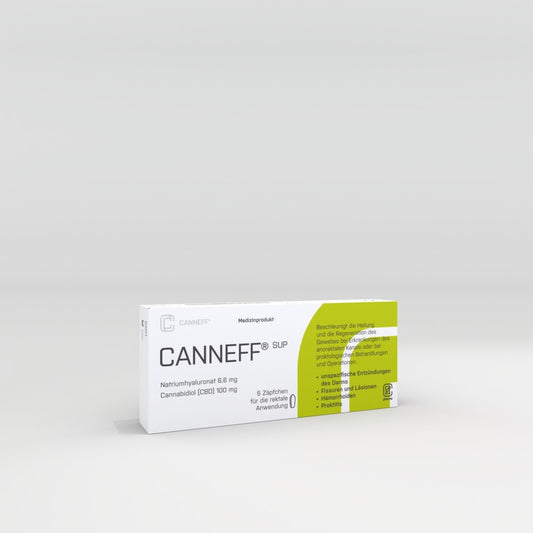
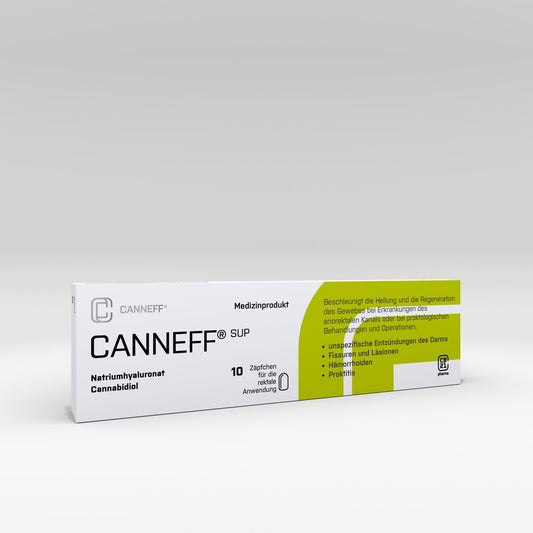
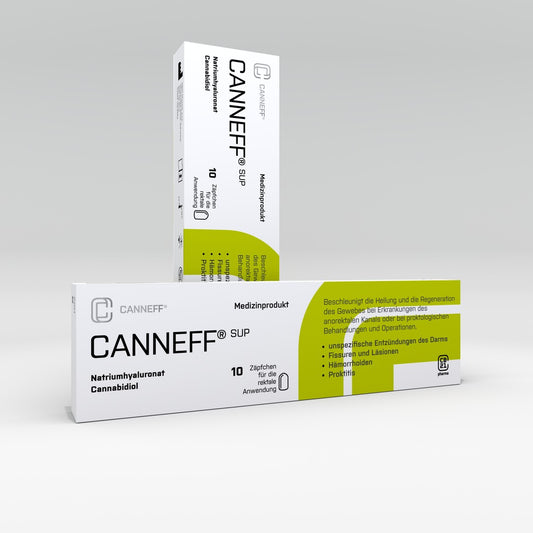
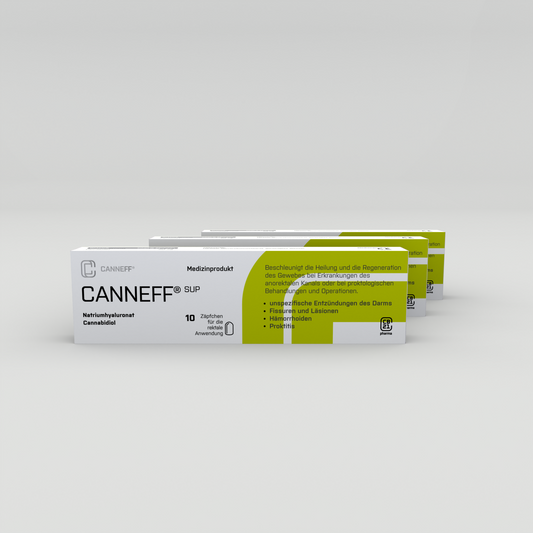
CANNEFF® SUP rectal suppositories for targeted regeneration: CANNEFF® SUP rectal suppositories contain CBD and hyaluronic acid, which act specifically in the anorectal area. They promote healing, reduce inflammation, and provide moisture, which can relieve unpleasant tension and irritation. Using one suppository per day can help strengthen the skin barrier and reduce Marisken symptoms.
Fiber-rich diet for stool regulation: Hard or bulky stool can mechanically irritate Marisken and worsen symptoms such as bleeding or swelling. A fiber-rich diet with whole grains, vegetables, fruits, and legumes promotes soft stool consistency and eases bowel movements. Adequate fluid intake (at least 1.5–2 liters of water per day) is also important to support optimal bowel function.
Cooling to relieve swelling: Targeted cooling with a soft cooling pad or moist compresses can help reduce inflammation and itching. This can provide relief, especially after long periods of sitting or in warm weather. It is important that the cooling pad is wrapped in a soft cloth to avoid skin irritation from direct cold.
Exercise and lifestyle: Regular exercise promotes blood circulation, reduces pressure on the anal area, and supports bowel function. Prolonged sitting should be avoided or interrupted by occasional standing to minimize stress on the anal skin.
Conservative treatment of marisks can effectively relieve symptoms and reduce the risk of inflammation through a combination of gentle anal hygiene, anti-inflammatory measures, a healthy diet, and targeted care products. CANNEFF® SUP rectal suppositories offer a supportive therapy option that specifically promotes skin regeneration and relieves discomfort. Those who consistently maintain soft stool consistency and avoid mechanical irritation can often avoid marisk surgery and achieve long-term relief.
What are the advantages and disadvantages of surgical removal of marisks?
Surgical removal of marisks can be a sensible treatment option if they cause persistent discomfort and conservative measures do not provide sufficient relief. While many people with marisks have no symptoms, they can cause itching, burning, and inflammation due to friction, mechanical stress, or difficult hygiene. In such cases, surgery can help solve the problem permanently.
|
Aspect |
Advantages |
Disadvantages |
|
Effectiveness |
Permanent removal of marisks, which eliminates discomfort in the long term. |
Possibility of skin folds reoccurring in rare cases. |
|
Hygiene |
Facilitates anal hygiene as skin folds no longer hinder cleaning. |
After the surgery, there may temporarily be increased sensitivity during cleaning. |
|
Freedom from Symptoms |
Reduction of itching, burning, and irritation, especially if the skin tags were inflamed or swollen. |
Pain after the surgery is possible and may last for several weeks. |
|
Inflammation Prevention |
Prevents recurring inflammations caused by persistent irritation or bacterial colonization. |
Risk of wound healing disorders or infections, especially with insufficient hygiene after the surgery. |
|
Cosmetic Aspect |
Improvement of the aesthetic appearance if skin tags were perceived as bothersome. |
Possibility of scar formation, which can alter the skin appearance in the anal area. |
|
Risks & Healing |
Elimination of the main cause of discomfort due to mechanical friction or hygiene problems. |
Wound healing can take several weeks; in rare cases, scars may harden and cause narrowing of the anal canal. |
Advantages of the Surgery
The biggest advantage of surgical removal is that the skin tags are permanently removed. This not only improves anal hygiene, as no stool residues can accumulate in the folds, but also prevents recurring irritations and inflammations. Many patients suffering from itching and burning report a significant improvement in their quality of life after a successful skin tag surgery. Additionally, removal can provide relief for aesthetic reasons if patients feel uncomfortable due to the visible skin tags. Read more about skin tag surgery experiences here.
Another advantage is that the surgery is relatively quick. In most cases, it is performed on an outpatient basis under local anesthesia. This allows healing to take place in the familiar environment at home without the need for a longer hospital stay. Once wound healing is complete, patients can resume their daily activities without restrictions.
Disadvantages and Risks of the Surgery
Despite the many benefits, surgical removal of Marisken also carries certain risks and disadvantages. One of the most common drawbacks is the wound healing time. Since the anal region is difficult to keep dry and is constantly exposed to mechanical stress from movement and bowel movements, healing can take several weeks. During this time, pain, itching, or a feeling of tension may occur. In some cases, wound healing disorders or mild infections can occur, especially if anal hygiene is not carefully maintained after the Marisken surgery.
Another risk is the possibility of scarring. Depending on the size of the removed Marisken and individual wound healing, visible or palpable scars may develop in the anal area. In rare cases, pronounced scarring can lead to a slight narrowing of the anal canal, which can affect bowel movements.
When is surgery advisable?
The decision to undergo a Marisken surgery should always be made individually. If Marisken cause discomfort over a longer period, significantly hinder hygiene, or regularly become inflamed, surgical intervention may be the best solution. People who suffer psychologically from the visible skin change can also benefit from removal. The surgical removal of Marisken can be an effective way to permanently eliminate persistent discomfort. It offers numerous advantages, including improved hygiene, reduction of itching and inflammation, as well as prevention of further irritation. At the same time, it should be considered that healing can take several weeks and there may be possible risks such as scarring or wound healing disorders. Careful aftercare, including gentle hygiene and anti-inflammatory measures like CANNEFF® SUP rectal suppositories, can help support healing and minimize complications.
Can inflamed marisks be treated with ointments?
Yes, inflamed marisks can be treated with anti-inflammatory ointments. Creams containing zinc, panthenol, or witch hazel relieve irritation and support healing. In cases of severe inflammation, corticosteroid ointments or antiseptic preparations can be helpful. CANNEFF® SUP suppositories with CBD and hyaluronic acid have anti-inflammatory effects, provide moisture, and support skin regeneration.
How effective are sitz baths in the treatment of marisks?
Sitz baths are a proven and gentle method for treating marisks because they promote blood circulation in the anal area, reduce inflammation, and relieve itching. Sitz baths with anti-inflammatory additives like chamomile or oak bark are especially effective, as they have a soothing effect on irritated skin and simultaneously reduce swelling. Regular sitz baths can not only alleviate acute symptoms but also help prevent skin irritation and inflammation in the long term. They support wound healing and improve skin elasticity, minimizing the risk of recurring issues. The ideal water temperature should be lukewarm (about 37–40°C), and the bath time should be around 10–15 minutes. For optimal effect, it is recommended to use them once or twice daily, especially after bowel movements or during acute symptoms. Read more here about alternative therapy approaches for marisks, or about the herbal treatment of marisks.
What role does hygiene play in the treatment of marisks?
Hygiene is crucial to prevent discomfort and inflammation. Gentle cleansing with lukewarm water and soft toilet paper is recommended. Avoid vigorous rubbing or the use of harsh soaps. After cleansing, the skin should be gently patted dry to prevent moisture buildup. Moisturizing creams or CANNEFF® SUP rectal suppositories can help keep the skin supple and prevent irritation.
How long does healing take after Marisken treatment?
The healing time for Marisken largely depends on the chosen treatment method as well as individual factors such as skin condition, overall health, and the body's wound healing ability. Conservative measures, such as the use of anti-inflammatory ointments, sitz baths, or a high-fiber diet to prevent constipation, can often noticeably relieve Marisken symptoms like itching, burning, or irritation within a few days to weeks.
After surgical removal, the healing time is significantly longer and varies depending on the size of the removed Marisken and the surgical method used. Typically, wound healing takes two to four weeks, with swelling, mild pain, or a burning sensation often noticeable in the first few days after the procedure. In some cases, it can take several months for the tissue to fully regenerate and the affected skin area to stabilize. Careful aftercare, such as consistently following recommended hygiene practices, avoiding excessive straining during bowel movements, and using anti-inflammatory products like CANNEFF® SUP rectal suppositories, can support healing and prevent complications such as infections or wound healing disorders. Read more here about the treatment of Marisken with suppositories.
Can skin tags reoccur after treatment?
Yes, skin tags can reoccur after treatment, especially if risk factors such as constipation, straining during bowel movements, or chronic inflammation persist. A tailored diet, gentle anal hygiene, and avoiding mechanical irritation can reduce the risk of new growth. Read more here about the causes of skin tags.
When is surgery unavoidable for skin tags?
A skin tag surgery is unavoidable if skin tags cause persistent discomfort that cannot be sufficiently relieved by conservative measures. Surgical removal may also be necessary if they are very large, permanently impair hygiene, or if inflammation occurs repeatedly. Learn more in our blog post about skin tag surgery.
What risks are associated with the treatment of skin tags?
Conservative measures generally have few side effects. However, surgical removal carries certain risks, including infections, wound healing disorders, or scarring. In rare cases, bleeding or temporary impairment of sphincter function may occur. Careful aftercare and adherence to hygienic measures can help minimize these risks.