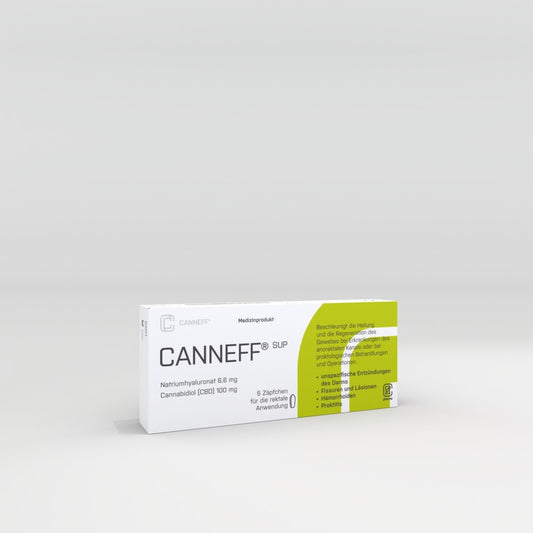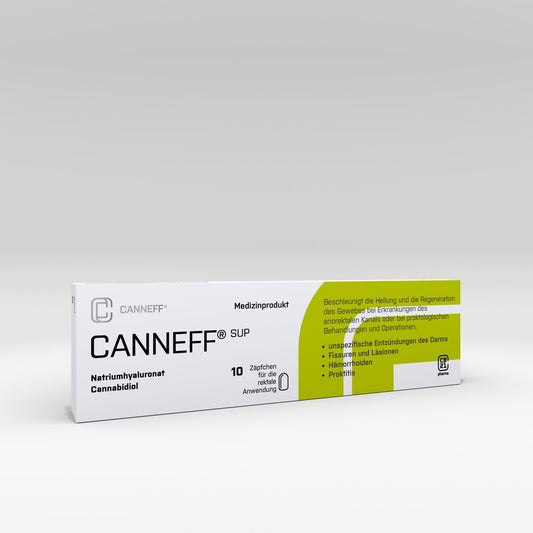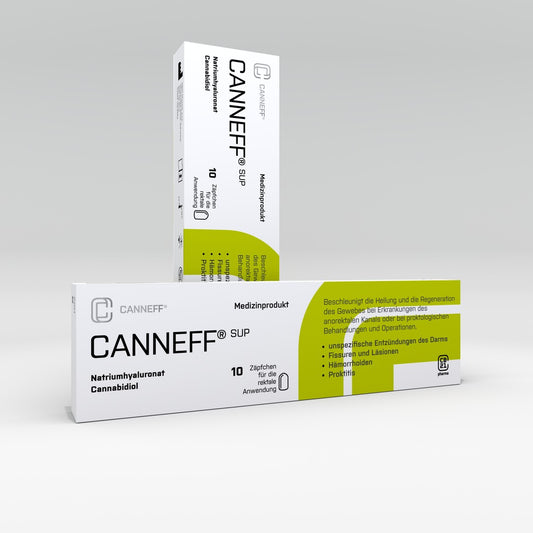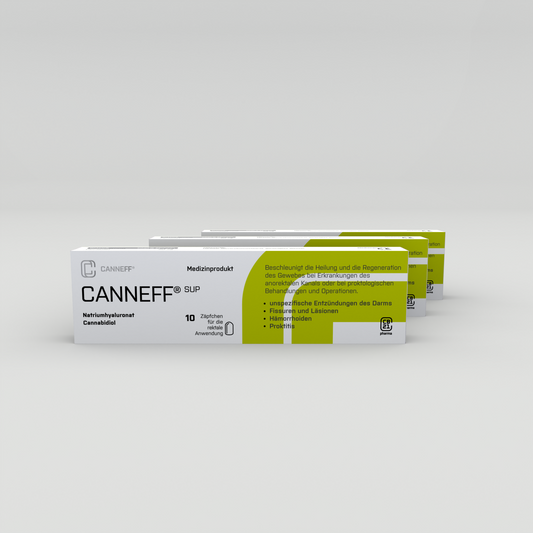


What symptoms appear with cryptitis?
This inflammation is often initially unnoticed. Once the inflammation becomes symptomatic, most patients report sharp pain, similar to a needle prick, especially during or after bowel movements. The inflamed crypts become very sensitive to pressure and pain. But also anal itching, anal burning, and a foreign body sensation in the anus are among the symptoms of cryptitis. The pain caused by cryptitis is almost always related to bowel movements. The pain does not necessarily have to occur immediately after defecation. The pain from the pressure-sensitive crypts can often appear one to two hours after bowel movements. Subsequently, the pain can last for the rest of the day. There may also be oozing and smearing in the anal area. Temporary bleeding after bowel movements sometimes occurs as well. Besides the pain, anal itching and often simultaneously burning in the anus or anal region are typical symptoms of cryptitis. Some patients also report a foreign body sensation in the lower colon.
What are the causes and risk factors of cryptitis?
Most often, one develops cryptitis when having problems with bowel movements, or mechanical irritation from sexual practices can also be a possible cause. Usually, the cause of cryptitis lies in the two extremes of stool consistency. Both consistently soft stools and overly hard stools due to constipation can cause cryptitis. Soft stool easily enters the depressions, the crypts, where it occasionally remains and can cause subsequent inflammation. With hard stools, strong straining can also lead to stool deposits in one or more anal crypts. The stool can be so hard that it injures the delicate intestinal mucosa, which can lead to an anal fissure or subsequently to inflammation in the anal area. A progressive, untreated inflammation in the anal area can lead to the formation of an anal abscess or an anal fistula. Inflammations are often accompanied by general fatigue, tiredness, or fever. Read more here about the treatment of cryptitis or the treatment of cryptitis with suppositories.
When to see a doctor for cryptitis?
If cryptitis is suspected, an immediate visit to the doctor is recommended. Many affected individuals delay seeking medical consultation out of embarrassment until an advanced stage. It should be noted that rectal complaints like cryptitis often represent an uncomfortable exceptional situation for patients but are routine for medical professionals. A visit to the doctor is essential for cryptitis – the earlier, the better. There is a clear connection between complications such as infections and inflammations and delayed doctor visits as well as the start of therapy and treatment of cryptitis.
Which doctor to see for cryptitis?
The first medical contact for bowel diseases including cryptitis is often the general practitioner. Your general practitioner will refer you to specialized colleagues in the respective field for certain conditions and provide a referral. Cryptitis is often not immediately recognized by doctors because the symptoms are frequently attributed to hemorrhoids. The proctology specialty, which deals with bowel diseases, is the next point of contact for the treatment of cryptitis. Read more here about the treatment of cryptitis with suppositories.
How is cryptitis diagnosed?
As with all proctology cases, the medical history, meaning the doctor's questioning of the patient, is the first step. The diagnosis of cryptitis is made through thorough medical inspection. At the beginning of the examination, the doctor carefully palpates the affected section of the rectum from the inside with a finger. As additional diagnostic tools, a speculum or probe is used. Since the symptoms of cryptitis closely resemble the common condition of hemorrhoids, misdiagnoses occasionally occur. Additional clarity in diagnosis can be provided by a colonoscopy.