

What is an anal abscess operation and when is it necessary?
Surgical drainage is the gold standard treatment, especially for deeper or larger anal abscesses. Surgery is almost always necessary if the abscess near the anus does not burst spontaneously or if antibiotics alone are insufficient in the treatment of an anal abscess. The operation is usually performed under general anesthesia, especially if the abscess is deep in the rectum or anal canal or is complicated in its form or location.
The procedure involves opening the abscess and completely draining the pus. Often, the wound is left open and heals slowly from the inside out. In some cases, a thread may be inserted to ensure continuous drainage of wound fluid and pus. Thorough postoperative care and wound management are crucial to minimize the risk of abscess recurrence or the development of an anal fistula.
How quickly does an anal abscess need to be operated on?
An anal abscess should generally be operated on as soon as possible because without treatment, the abscess can spread further and lead to serious complications such as anal fistulas. If timely treatment of the anal abscess is not provided, the symptoms of the anal abscess can worsen. Once diagnosed, immediate surgical treatment to drain the abscess is usually recommended, as an abscess does not heal on its own and antibiotics alone are rarely sufficiently effective. An untreated anal abscess can lead to fistula formation or spread of the infection. Therefore, timely surgery, often within one to two days after diagnosis, is crucial to control the infection and promote healing. Even with treatment of an anal abscess, nearly half of patients develop an anal fistula.
Can an anal abscess heal on its own?
An anal abscess usually does not heal on its own. Without treatment, the anal abscess can enlarge or lead to serious complications such as an anal fistula. In most cases, surgical drainage and operation are necessary to drain the pus and effectively initiate the healing process.
What happens if an anal abscess is not treated?
If an anal abscess is left untreated, it can enlarge and penetrate deeper into the tissue. This can lead to the formation of an anal fistula, which requires another surgery. There is also a risk of blood poisoning, known as sepsis, a life-threatening infection that can spread throughout the body.
How is an anal abscess operated on?
Surgical intervention is usually the chosen treatment method for healing the abscess. Anal abscess surgery is generally performed under local anesthesia or general anesthesia, depending on the size and location of the anal abscess, as well as the patient’s health condition. Conservative treatment of anal abscesses is rarely sufficient.
The abscess cavity is incised with a scalpel and the pus is drained through a generous opening to reduce pressure on the surrounding tissue. This usually provides immediate relief from pain and symptoms of the anal abscess. Afterwards, the abscess cavity is thoroughly flushed and cleaned to remove any remaining pus and infected tissue. This helps minimize the risk of a recurring anal abscess. If the surgeon also detects fistulous tracts connecting the pus cavity to the anus, a thread is usually passed through this tubular channel of the anal fistula for permanent drainage. The thread drainage ensures that a connection to the outside is maintained until the acute purulent inflammation at the anus subsides, allowing continuous drainage of wound secretions.
The wound in the anal area after anal abscess surgery usually remains open so that it can heal from the inside out; sometimes a drain is also used to allow further discharge of wound secretions. Proper wound care after an abscess is crucial for further healing. The treating doctor will advise regularly cleaning the wound at the anus. Sitz baths or special suppositories can also promote tissue healing after the operation and help prevent further infections. Read more here about the treatment of anal abscesses with suppositories.
How long does an anal abscess surgery take?
An anal abscess surgery usually takes 20 to 45 minutes, depending on the size and location of the abscess and whether complications such as anal fistulas are present. The surgical procedure itself is usually relatively quick and straightforward. For smaller or superficial anal abscesses, the procedure can be completed within 20 minutes, while larger or deeper anal abscesses require a bit more time. However, preparation time, including anesthesia and post-operative monitoring, extends the total hospital stay to several hours. If general anesthesia is used, an inpatient stay of several days is also possible.
How long should I avoid sitting after anal abscess surgery?
After an anal abscess surgery, it is important to avoid sitting as much as possible in the first few days. This helps support wound healing and minimizes unnecessary pressure on the affected anal area. Doctors generally recommend reducing sitting to a minimum for at least 1-2 weeks and, if necessary, using soft cushions, ring cushions, or so-called donut cushions to slightly relieve pressure on the anal area when sitting. Sitting for short periods is perfectly fine, but you should regularly change positions and try to avoid sitting for long periods, especially in the first weeks after surgery. The exact duration depends on the individual healing time of the wound at the anus, so it is advisable to follow the doctor's instructions carefully and attend regular medical check-ups to monitor wound healing.
How long does healing take after an anal abscess surgery?
Healing after an anal abscess surgery usually takes 2 to 4 weeks but can take longer depending on the size of the abscess, the healing process, and individual factors such as overall health. In the first few days after surgery, the wound should be regularly checked and cleaned to prevent infections.
During this phase, pain and wound secretions may occur, which can be treated with painkillers, suppositories, or special sitz baths. After about a week, the wound begins to close, but it can take several weeks for the tissue in the anal area to fully heal. In cases of larger anal abscesses or complications such as anal fistulas, the healing process may take longer. Good aftercare, wound care, and anal hygiene are essential for a complication-free recovery after anal abscess surgery.
How can I promote healing after anal abscess surgery?
After an anal abscess surgery, it is crucial to best support the healing of the anal tissue through comprehensive aftercare. Below we provide an overview of various measures to consider in postoperative care for daily life, lifestyle, and wound care.
Thorough hygiene in the intimate area
Pay attention to thorough hygiene in the anal area by regularly cleaning the affected anal region with lukewarm water and gently patting it dry to avoid infections.
Pain medication and suppositories
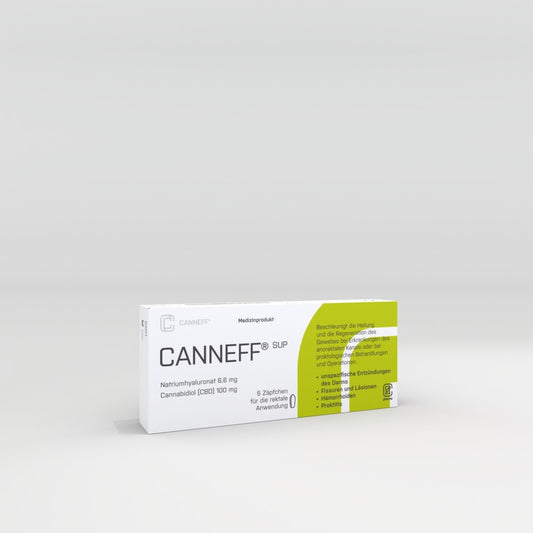
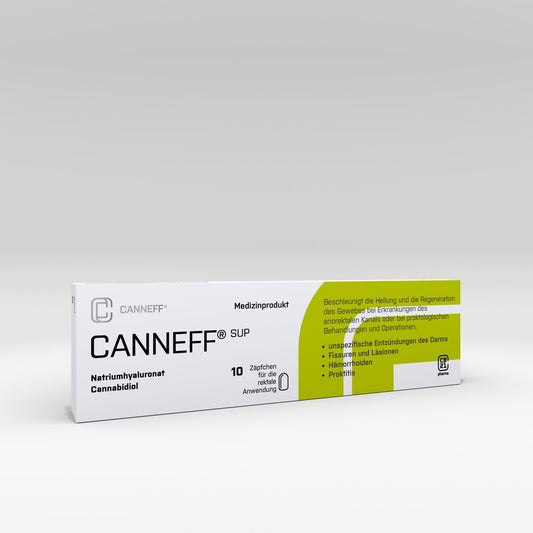
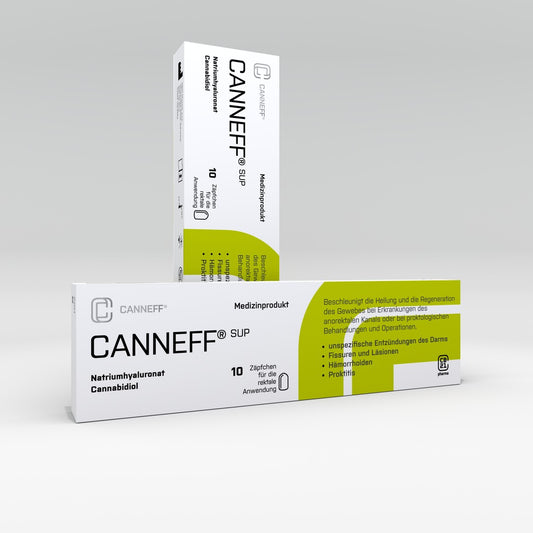
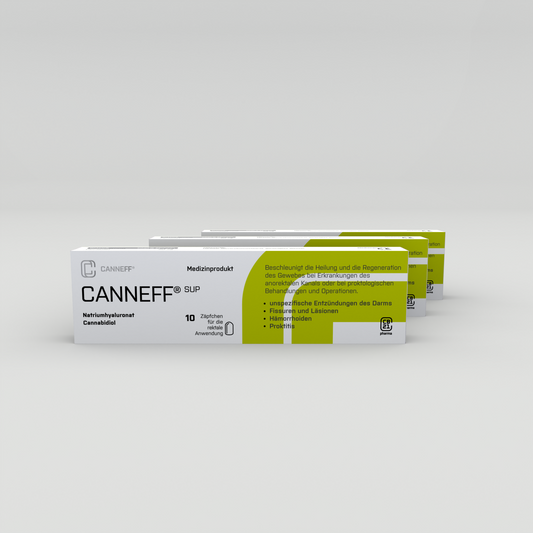
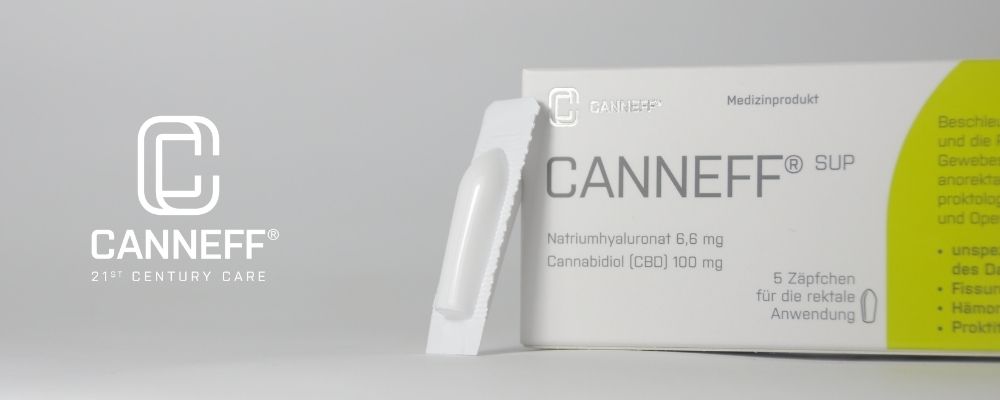
Painkillers prescribed by a doctor help relieve the symptoms of anal abscesses, and special cushions or rings can provide additional comfort when sitting. Additionally, certain anti-inflammatory or pain-relieving suppositories can support healing after anorectal surgery by reducing local inflammation and accelerating tissue regeneration. To support the healing process after anorectal surgeries, there are valuable testimonials about CANNEFF® SUP suppositories and how they can accelerate wound healing accordingly. Thus, after an anal abscess surgery, you can support the healing process with CANNEFF® SUP Suppositories that promote tissue wound healing. Read more here about the treatment of anal abscesses with suppositories as part of the postoperative care of an anal abscess. Learn how CANNEFF® SUP suppositories can accelerate healing and tissue regeneration in diseases of the anorectal canal.
Nutrition and Exercise
A high-fiber diet, adequate fluid intake, and moderate physical activity promote healthy digestion and prevent constipation, which could impair the healing process.
Doctor visits and follow-up care
Regular follow-up examinations are essential to monitor healing progress and detect possible complications early, such as anal fistulas or recurring anal abscesses.
Stress reduction
Avoid irritants such as tight clothing and perfumed intimate care products, and find methods to reduce stress to positively influence the healing process holistically. A supportive environment within family and friends can also contribute to faster recovery by helping you manage daily tasks, allowing you to focus better on your rest and regeneration.
Avoiding anal intercourse
Anal intercourse should be avoided for at least 6 weeks after surgery for an anal abscess. If you experience pain during intercourse afterward, consult a doctor promptly about these symptoms.
How long to be off work after abscess surgery on the buttocks?
After an abscess surgery on the buttocks, the sick leave period usually lasts one to two weeks but can vary depending on the healing progress and type of work. In uncomplicated cases, especially with smaller abscesses, a shorter recovery time may be sufficient. If the wound is larger or healing is slower, the sick leave may be extended, particularly if the job involves physical labor or prolonged sitting.
Since the wound usually remains open after surgery and requires regular care, it is important to avoid physical exertion and maintain thorough hygiene in the intimate and anal areas. The treating doctor will decide individually how long the sick leave is necessary, based on the healing process and the patient's professional requirements.
What complications can occur during an anal abscess surgery?
Your doctor will provide comprehensive information about the type and frequency of complications from anal abscess surgery, such as bleeding or wound infections around the anus, before the procedure. Surgery for an anal abscess is generally almost always necessary to permanently eliminate the infection. However, as with any surgical procedure, potential complications can occur. These complications after anal abscess surgery can be categorized into different types. From immediate postoperative complications like bleeding and pain around the anus, to complications during the healing process such as wound healing disorders, and also possible long-term consequences like the occurrence of anal fistulas or narrowing of the anal canal, an anal canal stenosis, caused by scar tissue formation in the anal canal.
Various complications can occur during an anal abscess surgery. Immediately after the procedure, bleeding, infections, and pain around the anus are possible. During the healing process, there may be wound healing disorders, anal itching, scar formation, or even a recurrent anal abscess. Recurring anal abscesses are usually due to not all infected tissue being removed during the surgery.
A common long-term complication is also the formation of anal fistulas, which often require another surgery. In rare cases, the sphincter muscle can be damaged, leading to temporary or permanent fecal incontinence. Narrowing of the anal canal due to scar tissue is also possible. Risk factors such as diabetes, smoking, or obesity can increase the risk of complications.
Why does my perianal abscess wound not close after surgery?
If your perianal abscess keeps recurring even after surgical treatment, this could be an indication of an anal fistula as a complication. An anal fistula is a tube-shaped tunnel that connects the skin with the infected glands or the abscess capsule. This fistula tract continuously discharges infectious wound secretions.
How can anal fistulas be prevented after abscess surgery?
A systematic review and meta-analysis was conducted on the use of antibiotics to prevent anal fistulas after incision and drainage of anorectal abscesses. The results show that the risk of developing an anal fistula after anorectal abscesses can be reduced by administering antibiotics. The treatment of anorectal abscesses still focuses on the earliest possible surgical drainage. However, even with timely drainage, the rate of abscess recurrence and postoperative Anal fistula formations occur within 12 months in up to 40%. Therefore, follow-up care and wound management after anal abscess surgeries are of central importance.
Read more here about suppositories in the context of postoperative treatment of an anal abscess. Learn how CANNEFF® SUP suppositories can accelerate healing and regeneration of tissue and mucous membranes in diseases of the anorectal canal. Read more here about the treatment of anal abscesses with suppositories.
How much bleeding is normal after a perianal abscess surgery?
After a perianal abscess surgery, slight bleeding in the first few days is completely normal and usually not a cause for concern. This often occurs along with wound discharge, which can be clear or slightly bloody. Especially in the first 24 to 48 hours after the surgical procedure, slight bleeding is to be expected and should gradually decrease. However, wound discharge may continue for over a week. If the bleeding is heavier or lasts longer than a few days, it is advisable to consult a doctor, as this could indicate further complications. Severe swelling or pain in the anus can also indicate an infection. It is important to keep the wound clean to minimize the risk of infection.
Does health insurance cover the costs for surgery of anal abscesses?
As a rule, the statutory health insurance covers the costs for the surgery of an anal abscess, as it is considered an acute condition requiring medically necessary treatment. The costs for the treatment of an anal abscess, including the anal abscess surgery, as well as follow-up care and any necessary medications, are generally covered. If a hospital stay is necessary, this is also covered by the health insurance, although a co-payment per day of hospitalization may apply. Privately insured patients should check their individual contract terms to ensure coverage. In cases of complications such as anal fistulas or recurrent abscesses, the health insurance also covers the costs of follow-up treatments. However, it is always advisable to check with the health insurance in advance about possible co-payments or special treatment options.