

Causes and symptoms of foul-smelling urine during menopause
A person excretes about one to one and a half liters of urine daily, which consists of 95 percent water. The remaining five percent consists of urea, uric acid, electrolytes, vitamins, hormones, pigments, and other metabolic products. When urine is in the Menopause unpleasant odor is often only indirectly related to hormonal changes. In most cases, the cause is an infection, such as a Urinary tract infection. The risk of such infections increases during Menopause, because estrogen deficiency leads to a decline in lactic acid bacteria in the vagina, disrupting the vaginal flora. The urethra is then not sufficiently shielded, allowing germs to travel along the urethra into the bladder and, in severe cases, further into the kidneys. Other symptoms may also include altered discharge as well as changed bleeding be.

How do urinary tract infections develop?
Urinary tract infections are usually caused by bacteria but can also be triggered by germs, viruses, or fungi. Often, natural intestinal bacteria enter the urinary tract, colonize the mucous membranes there, and multiply. This can lead to inflammation, often accompanied by symptoms such as painful urination.
Why are urinary tract infections more common during menopause?
women during Menopause are more common in Urinary tract infections, or Vaginal infections affected, as estrogen levels in the blood decrease. Estrogen supports the growth and multiplication of lactobacilli, which produce lactic acid and thus maintain an acidic pH in the intimate area. This acidic pH protects against colonization by pathogens. As estrogen levels decline, the number of lactobacilli in the vagina also decreases, making the pH less acidic. This makes it easier for pathogens to overcome the natural barrier and enter the urethra.
Various forms of altered urine during menopause
Acetone-like urine odor:
An acetone-like urine odor, sharply sweet-smelling, similar to overripe fruit or nail polish remover, indicates the presence of ketone bodies in the urine, a condition known as ketonuria. Ketonuria occurs when the body uses fat instead of carbohydrates as its main energy source, producing ketone bodies that are eventually excreted in the urine. This odor can be a sign of a serious metabolic disorder, such as ketoacidosis. Ketoacidosis is a dangerous metabolic imbalance that mainly occurs in people with type 1 diabetes when there is a severe insulin deficiency (diabetic ketoacidosis). In this state, the body cannot effectively use glucose and begins to break down fats, leading to ketone production. Such a urine odor should be urgently evaluated by a doctor, as ketoacidosis can be life-threatening and requires immediate medical treatment.
Fishy urine odor:
A fishy urine odor often indicates a bacterial vaginal infection (bacterial vaginosis). Women in menopause are particularly affected because hormonal fluctuations during this life phase destabilize the vaginal flora, promoting the growth of harmful bacteria. In rare cases, a fishy urine odor can also be due to the so-called fish odor syndrome (trimethylaminuria). This usually inherited metabolic disorder causes affected individuals to excrete the substance trimethylamine, which causes the characteristic odor.
Urine with yeast odor:
A yeast-like smell of urine often indicates a fungal infection, with the yeast Candida being the most common cause. This infection primarily affects the genital area and is characterized by a noticeable yeast-like urine odor. In addition to this odor symptom, those affected often suffer from severe itching, redness, and whitish coatings on the genital mucosa. Candida infections can be promoted by various factors, including a weakened immune system, hormonal fluctuations (such as during pregnancy or menopause), antibiotic use, or diabetes. Early diagnosis and treatment with antifungal medications are important to prevent the spread of the infection and relieve symptoms. Good intimate hygiene and wearing breathable underwear can further reduce the risk of a yeast infection.
Foul urine odor:
A urine odor reminiscent of rotten eggs should be taken seriously. This foul smell can indicate cell breakdown in the urinary tract, which can occur, among other things, in bladder cancer. If you notice a foul odor in your urine, you should seek medical advice immediately. Early diagnosis is crucial, as the chances of cure are significantly better with an early-detected tumor.
Urine with ammonia odor:
A sharp ammonia smell in the urine often indicates a urinary tract infection, usually in the form of a bacterial bladder infection. The bacteria, often E. coli from the intestinal tract, enter the bladder through the urethra, where they break down the urine and cause the typical ammonia odor.
Sulfurous urine odor:
Eating asparagus can cause a sulfur-like urine odor. Asparagus contains asparagusic acid, which is broken down by a special enzyme in the body in about half of people. The resulting sulfur-containing compounds are excreted in the urine, causing the typical sulfur smell just minutes after eating asparagus. However, there are also people who do not have this enzyme. In them, the sulfurous urine odor does not occur after eating asparagus because the asparagusic acid is not converted into the odor-causing sulfur compounds.
The color and consistency of the urine, in addition to a foul odor, can provide further important clues to possible diseases:
Orange to brown coloration of the urine:
This color can indicate insufficient fluid intake. However, if this can be ruled out, a liver or bile duct disease may also be present. In this case, the bile pigment bilirubin is excreted in increased amounts, which darkens the urine. Taking the antibiotic nitrofurantoin, which is used to treat urinary tract infections, can also lead to an orange-brown discoloration.
Brown to black coloration of the urine:
A sudden brown to black discoloration of the urine should not initially cause concern. This often occurs when taking medications such as L-Dopa or alpha-Methyldopa. In rare cases, however, a metabolic disorder like alkaptonuria or a certain form of skin cancer could be the cause.
Intense yellow coloration of the urine:
Despite adequate fluid intake, an intense yellow coloration of the urine can indicate a bladder infection or kidney problems.
Red urine:
This color often indicates blood in the urine. However, a reddish tint can also occur after muscle damage, such as from accidents or intense training. In this case, the muscle protein myoglobin colors the urine red. Other possible causes are the metabolic disease porphyria, taking the antibiotic rifampicin, or consuming large amounts of beetroot or blackberries.
Cloudy urine:
If urine is cloudy or forms flakes when urinating, a doctor should be consulted immediately. This can be a sign of a urinary tract infection, where bacteria or fungal pathogens are present in the urine. Sometimes cloudy urine can also indicate a sexually transmitted disease.
Sweet smell of urine:
A sweet smell of urine indicates an increased concentration of sugar and ketones, as seen in diabetics. A doctor’s visit is also advisable here.
Foamy urine:
Foamy urine can indicate increased protein excretion. In many cases, this is harmless and can be caused by stress or physical exertion, especially in young people. In the worst case, however, it could indicate impaired kidney function. Foamy urine appears as white bubbles on the surface, similar to the foam that forms when pouring a carbonated drink. Possible causes include kidney tumors, diabetes, high blood pressure, or menopause. Many women notice increased foam formation in their urine during menopause. Researchers suspect this is caused by hormonal changes, as estrogen may have a protective effect on the kidneys. During menopause, the production of estrogen and progesterone decreases, which could negatively affect the kidneys. Studies show that women in menopause have more albumin in their urine, which could indicate impaired kidney function. Albumin is a protein whose increased concentration can be a sign of kidney disease.
How can foul-smelling urine be prevented during menopause?
Foul-smelling urine can have various causes, including conditions like urinary tract infections, but also certain foods. Some preventive measures can help reduce the risk of foul-smelling urine, especially during Menopause.
To reduce the risk of urinary tract infections, which often cause unpleasant-smelling urine, it is important to ensure adequate fluid intake. Drinking plenty of water helps flush the urinary tract and prevent bacterial growth. Additionally, the bladder should be emptied regularly to avoid bacteria remaining and multiplying in the urinary tract.
Proper intimate hygiene
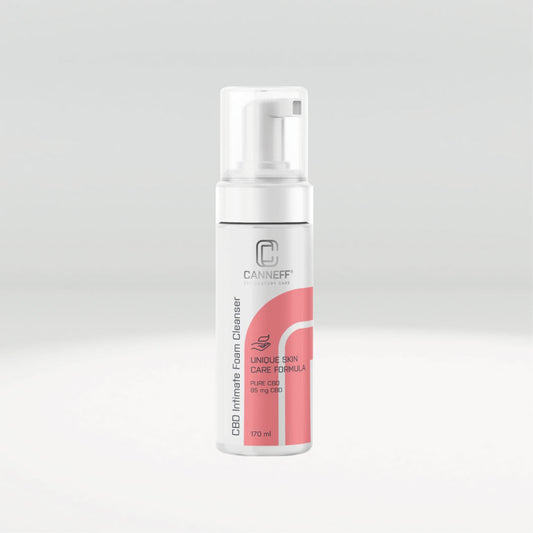
Good intimate hygiene is especially important to prevent infections. This includes keeping the intimate area clean and dry and wiping from front to back after using the toilet to prevent the spread of bacteria. Furthermore, we recommend using products specially developed for the female intimate area, such as CANNEFF intimate care foam with lactic acid and adjusted pH value.
Avoidance of irritating foods
Sometimes a noticeable urine odor is caused by consuming certain foods like asparagus, garlic, or coffee. This smell is usually harmless and disappears within a few hours. However, if the odor is bothersome, one can avoid or limit these foods.
Strengthening the vaginal flora
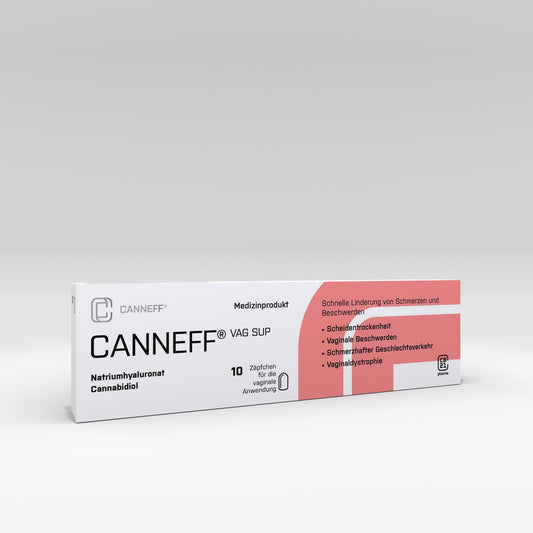
During menopause, a decline in estrogen levels can disrupt the vaginal flora, increasing the risk of urinary tract infections. Taking probiotic supplements or foods containing lactobacilli can help support the natural vaginal flora and prevent infections. Special products for the intimate area such as CANNEFF VAG SUP CBD suppositories with hyaluronic acid help keep the vaginal mucosa functional.

Regular doctor visits
Especially in the Menopause regular doctor visits should be scheduled to detect and treat early changes in hormone levels or possible infections. You can find more symptoms of menopause in the Menopause Symptoms Blogpost.
These measures can significantly reduce the risk of foul-smelling urine during menopause. It is important to pay attention to your own body and seek medical advice if symptoms persist or are unusual.
What are the differences between bladder weakness and urinary tract infections during menopause?
During menopause, there can be an increase in bladder weakness (incontinence) and Urinary tract infections come. These two complaints have different causes and symptoms, so it is important to distinguish between them to choose the right treatment.
With the onset of menopause, the risk of Urinary tract infections. These are usually caused by bacteria, but also by germs, viruses, or fungi. At the same time, hormonal changes can also lead to incontinence. Since the symptoms of both conditions can be similar, it is important to know the differences.
What are the symptoms of a urinary tract infection?
Frequent urge to urinate: You feel a constant urge to go to the toilet, even though the bladder is not fully filled.
Cloudy urine: The urine is often cloudy and has an unpleasant odor.
Pain and burning: There may be pain and a burning sensation when urinating.
Fever: In some cases, a urinary tract infection can also be accompanied by fever.
If you know these symptoms, you may already have a Urinary tract infection experienced, which is not unusual as many women in Menopause are affected by urinary tract infections.

How can you distinguish between urinary incontinence and a urinary tract infection?
Menopause-related incontinence (urinary incontinence) is characterized by involuntary urine loss, often when coughing, sneezing, or laughing, and does not necessarily involve pain or a changed urine odor. Urinary tract infections, on the other hand, usually cause pain, burning during urination, cloudy urine, and frequent urge to urinate, even if the bladder is not full.
Treatment and prevention:
Urinary tract infections: Antibiotics prescribed by a doctor usually help here. Additionally, increased fluid intake can help flush the bladder and wash out bacteria. Cranberry juice or special preparations can also support, as they make it harder for bacteria to adhere to the bladder wall.
Urinary incontinence: For incontinence, pelvic floor exercises can help strengthen the muscles and reduce involuntary urine loss. Additionally, there are special physiotherapeutic measures and medications that can be prescribed depending on the severity of the incontinence.
By recognizing the symptoms and receiving the right treatment, quality of life during Menopause can be significantly improved. In case of uncertainties or persistent complaints, it is advisable to consult a doctor.