

Can I prevent anal fistulas?
The most common cause of anal fistulas is inflammation of the proctodeal glands. The proctodeal glands are located between the internal and external anal sphincters, and inflammation of these often occurs together with anal abscesses. You cannot directly prevent such inflammation. However, you can influence the risk of developing an anal fistula indirectly by certain factors and habits in your daily life and lifestyle. A healthy lifestyle with sufficient exercise, a balanced diet rich in fruits, vegetables, and whole grains is highly relevant for preventing anal fistulas and can reduce the risk of their formation. Likewise, avoiding smoking, excessive alcohol consumption, as well as engaging in physical activity and regular exercise, also contribute to the prevention of anal fistulas.

What measures can prevent anal fistulas?
There are no measures that can directly prevent an anal fistula. However, the risk for certain diseases and factors that promote anal fistulas can be reduced to some extent. The following measures are sensible to counteract factors that favor the development of anal fistulas:
- Overweight is a risk factor for diabetes mellitus, among other things, but also generally increases pressure on the anorectal area when sitting.
- For regular digestion, pay attention to a balanced and healthy diet. This includes consuming enough fiber, fresh fruits and vegetables daily, as well as sufficient fluid intake to ensure adequate hydration of the body.
- To prevent anal fistulas, it is also important to avoid smoking and alcohol consumption. If you want to quit smoking, consult your doctor for advice.
- Daily exercise and physical activity also play a central role in preventing anal fistulas. Predominantly sedentary work increases the risk of developing an anal fistula. Adequate breaks with movement or height-adjustable desks give you the opportunity to change position during work or promote circulation through movement during breaks.

What are the risk factors for preventing anal fistulas?
Various pre-existing conditions, diseases, or habits can promote the development of an anal fistula. These include pre-existing conditions such as chronic inflammatory bowel diseases like Crohn's disease and ulcerative colitis, diabetes mellitus, as well as immunosuppression due to leukemia or HIV. Overweight, psychosocial stress, smoking, and regular alcohol consumption are also risk factors that can promote the occurrence of an anal fistula. Habits related to bowel movements should also be considered for preventing anal fistulas. Holding back stool, prolonged sitting, and straining heavily on the toilet can influence the development of inflammation of the proctodeal glands and thus also anal fistulas.
What role does nutrition play in preventing anal fistulas?
A healthy lifestyle, including a healthy and balanced diet, plays a central role in preventing anal fistulas. Nutrition can play an important role in prevention because it affects the digestive process and gut health. Although diet alone cannot directly prevent anal fistulas, certain measures can reduce the risk by helping to avoid constipation, diarrhea, and other bowel problems that increase the risk of developing anal fistulas. A healthy and balanced diet combined with sufficient exercise and a conscious lifestyle can therefore indirectly help reduce the risk of anal fistulas.

How can I adjust my diet to prevent anal fistulas?
Take the following recommendations to heart for your diet in the context of prevention and treatment of anal fistulas. Even after anal fistula surgery, regulating stool consistency plays an important role in facilitating wound care and thus promoting healing of an anal fistula.
Fiber-rich foods
Consume fiber-rich foods such as whole grains, fresh fruits and vegetables, and legumes. Fiber helps promote gut health and regulate bowel movements. Avoid highly processed foods (such as fast food, fried foods, and sugary products). These can impair your gut health as they are often low in fiber and nutrients. An unhealthy gut flora can increase the risk of inflammation in the digestive tract, which can lead to problems like abscesses and anal fistulas.
Adequate fluid intake
Drink plenty of fluids (at least two liters), preferably water, to ensure and maintain good hydration. Adequate fluid intake also helps soften stool and thus prevent constipation.
Probiotic foods
Probiotics are beneficial bacteria that can promote gut health. You can support your gut flora by including probiotic foods such as yogurt, fermented sauerkraut, or kefir in your diet. Prebiotics from fiber-rich foods like oats and bananas can also help maintain a healthy gut flora.
Natural stool softeners
Foods like psyllium husks or flaxseeds can help loosen stool and thus avoid or prevent constipation. Softer stool consistency minimizes irritation of the inflamed intestinal mucosa and can potentially support the healing process.
Avoidance of certain ingredients and foods
Avoid consuming spicy or salty ingredients and foods that can further irritate your gut.
What role does stress play in preventing anal fistulas?
Stress plays an indirect but important role in preventing anal fistulas. Psychosocial stress affects overall health, particularly the digestive system. Stress can increase the risk of digestive problems and inflammatory diseases through various mechanisms, which in turn can lead to conditions that raise the risk of developing an anal fistula. Stress can indirectly increase the risk of anal fistulas by exacerbating digestive issues such as constipation or diarrhea, which strain the mucous membranes in the anal region and promote anal fissures or inflammations like anal abscesses and anal fistulas. Chronic stress also weakens the immune system, promotes inflammatory processes, and can trigger flare-ups in inflammatory bowel diseases like Crohn's disease, increasing the risk of anal fistulas. Poor stress management, unhealthy diet, or insufficient exercise can worsen these effects.
Therefore, effective stress reduction combined with healthy nutrition and regular exercise can reduce the risk and help prevent anal fistulas. It is important to avoid and reduce stress as much as possible. Focus on sufficient relaxation and balance in everyday life. Exercise and physical activity or relaxation techniques such as meditation or yoga are proven methods.
How can I prevent recurring anal fistulas?
There is a higher risk of recurring anal fistulas if the fistula passes through both sphincters or if the internal opening of the fistula was not found. Also, if the fistula is complexly branched or if the affected person additionally suffers from Crohn's disease. It is advisable to consider all risk factors and adjust lifestyle habits accordingly as best as possible.
Preventing recurring anal fistulas requires a combination of a healthy lifestyle, good anal hygiene, and management of underlying health issues. The following measures can help prevent recurring anal fistulas:
Treatment of underlying diseases causing anal fistulas
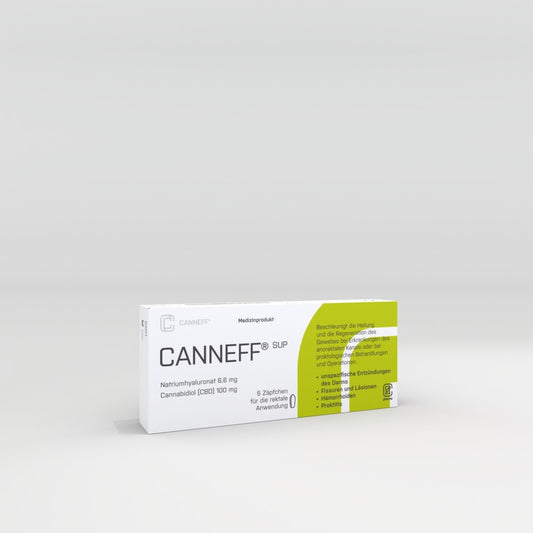
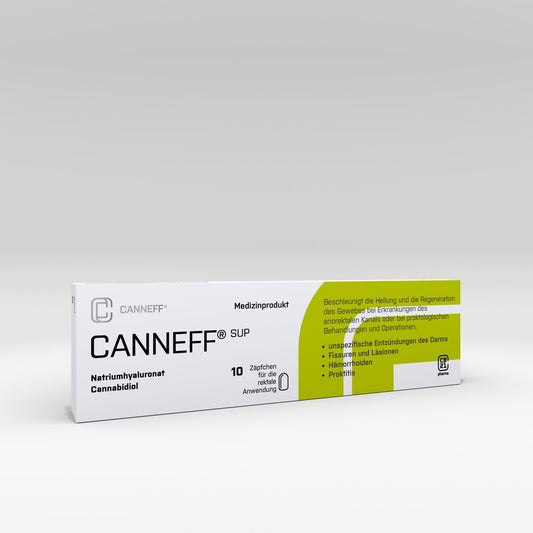
People with inflammatory bowel diseases like Crohn's disease have a higher risk of anal fistulas. Consistent treatment and control of these diseases can help prevent the development of anal fistulas. Since infections or abscesses in the anal area trigger anal fistulas, early treatment of anal fistulas is essential. Read more here about the symptoms of anal fistulas. Prompt treatment of an infection in the anal area often prevents the progression of an anal abscess into an anal fistula. Find general information here about treatment of anal fistulas or about treatment of anal fistulas with suppositories, which are also ideal to support healing after anal fistula surgery.
Fiber-rich diet to prevent anal fistulas
Hard stools or constipation strain the anus and can lead to anal fissures, which are considered a possible cause of anal fistulas. A balanced and fiber-rich diet promotes soft stools and thus prevents constipation and corresponding overloads in the rectum. Adequate fluid intake also supports the bowel and influences stool consistency.
Thorough anal hygiene and sitz baths
After each bowel movement, the anal area should be gently cleaned with water or moist toilet paper to prevent irritation or infection; thus, pay attention to gentle care of the anal region. Avoid harsh soaps or aggressive cleansing wipes. The anal area should be kept clean and dry to prevent bacterial buildup.
Effective stress management
Stress can worsen digestive problems that lead to constipation or diarrhea, which in turn promote the occurrence of abscesses or anal fistulas. Methods such as meditation, yoga, or regular exercise can reduce stress and thus stabilize digestion.
Regular exercise and sports
Exercise promotes bowel activity and helps prevent constipation. Regular physical activity can help regulate digestion and reduce the risk of anal fissures or anal fistulas.
Adjusting diet and avoiding irritants
Irritants such as heavily spiced or salted foods, alcohol, or caffeinated beverages can irritate the gut and thus the anal area. A balanced diet that minimizes these irritants supports your gut health.
Sitz baths to prevent anal fistulas
Sitz baths with lukewarm water, possibly with disinfecting additives (such as chamomile), can relieve inflammation and irritation in the anal area and support healing.
Regular medical check-ups
Early detection plays a central role. Patients who have had anal fistulas should have regular check-ups to detect and treat signs of renewed inflammation early. Surgical follow-up care for anal fistulas is also important. After surgical treatment of anal fistulas, it can be helpful to follow a closer medical monitoring schedule to prevent new fistula formation. Suitable care measures and follow-up examinations are of central importance here. Read more here about the symptoms of anal fistulas or about treatment of anal fistulas with suppositories.
With a combination of healthy nutrition, thorough anal hygiene, stress management, and treatment of underlying diseases, you can reduce the risk of recurring anal fistulas. Regular doctor visits and targeted follow-up care also play an important role in preventing anal fistulas. Read more here about examinations and diagnosis of anal fistulas in the blog post Anal Fistula Doctor.