

What is meant by heart palpitations during menopause?
Heart palpitations during menopause are a common symptom characterized by a sudden accelerated heartbeat without physical exertion or obvious external triggers. The heart beats faster than usual, which is often perceived as uncomfortable and may be accompanied by pounding or the feeling that the heartbeat is irregular or skipping. Doctors refer to tachycardia when the heart rate at rest exceeds 100 beats per minute. A normal resting pulse in adults ranges between 60 and 80 beats per minute. If the heartbeat consistently or repeatedly rises above 100 beats per minute, medical evaluation is recommended to rule out arrhythmias or other causes. Heart palpitations often occur alongside other menopausal symptoms such as hot flashes or sleep disturbances.
How common are heart palpitations during menopause?
Heart palpitations are a common symptom of menopause. Studies show that about 40 percent of women aged 45 to 54 experience heart issues such as palpitations, skipped beats, or pounding. These heart symptoms particularly occur during the phases of hormonal changes typical for menopause. Women in perimenopause and early postmenopause are especially affected. Although heart palpitations can be alarming, in most cases they are not dangerous but a natural response of the body to hormonal fluctuations.
What are the main causes of heart palpitations during menopause?
The main cause of heart palpitations during menopause is hormonal changes, especially the decline of estrogen and progesterone. These two hormones play an important role in regulating the cardiovascular system. Their decrease during menopause makes the heart more sensitive to external stimuli such as stress or excitement. Additionally, hormonal fluctuations affect the autonomic nervous system, which controls the heartbeat among other functions. This can lead to sudden, irregular heartbeats. Other factors like stress, lack of sleep, or increased caffeine consumption can also promote heart palpitations.

What role do hormonal changes play in heart palpitations?
Hormonal changes play a central role in the development of heart palpitations during menopause. Estrogen and progesterone, the female sex hormones, besides their function as sexual hormones, also affect the cardiovascular system. For example, estrogen contributes to the flexibility of blood vessels and has a blood pressure-lowering effect. When estrogen levels drop, this can lead to an imbalance in the autonomic nervous system, which influences the heartbeat. This imbalance often causes palpitations, pounding, or skipped beats. The body reacts to hormonal fluctuations by accelerating the heartbeat, which is perceived as unpleasant palpitations.
How is the decline of estrogen and progesterone related to heart palpitations?
The decline of estrogen and progesterone during menopause has direct effects on the heart and blood vessels. These hormones normally act as a protective shield for the cardiovascular system by regulating blood pressure and protecting the heart from overload. Estrogen helps maintain the flexibility of blood vessels, ensuring stable blood flow. When estrogen levels drop during menopause, blood vessels lose elasticity, which can cause blood pressure fluctuations. The body responds by increasing the heartbeat to stabilize blood pressure, which can lead to palpitations. Progesterone also has a calming effect on the nervous system, and its decline can contribute to heart rhythm disturbances.
What other causes can trigger heart palpitations?
Besides hormonal changes, a number of other factors can trigger heart palpitations. A common cause is stress, which can be intensified during menopause due to hormonal fluctuations. Other triggers include hyperthyroidism, where the thyroid produces excessive hormones, or anemia, meaning a deficiency of red blood cells. Consumption of stimulants like caffeine or nicotine can also cause palpitations. Panic attacks, accompanied by intense anxiety, can lead to a rapid heartbeat. Additionally, side effects of medications or excessive alcohol intake can disrupt the heart’s rhythm. Therefore, it is important to have heart palpitations medically evaluated to exclude other serious causes.
What is the connection between heart palpitations and hot flashes?
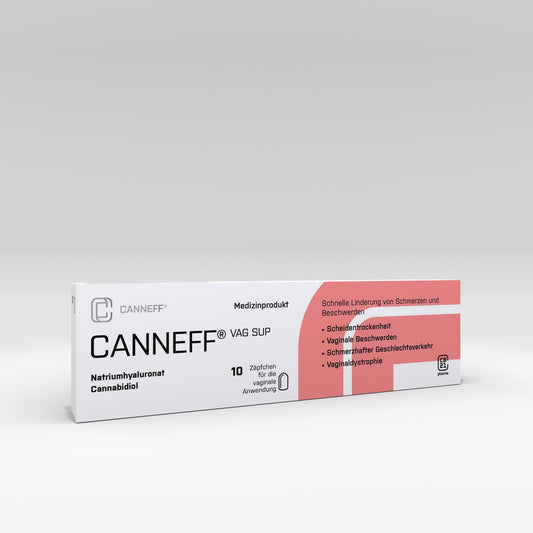
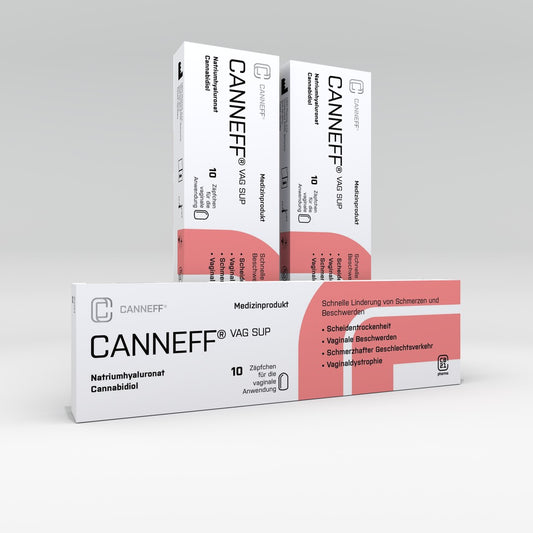
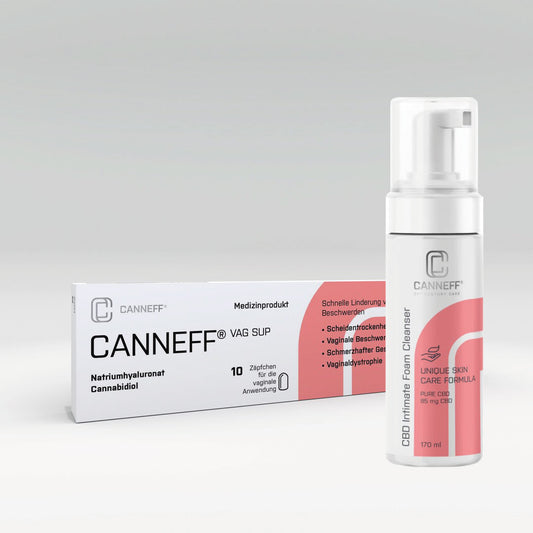
Heart palpitations and hot flashes often occur together, especially at night. These symptoms are typical menopausal complaints and frequently go hand in hand. The cause lies in hormonal changes, particularly the declining estrogen level. The drop in estrogen causes the autonomic nervous system to overreact, triggering both palpitations and hot flashes. During a hot flash, blood vessels suddenly dilate to release heat, which can accelerate the heartbeat. These sudden circulatory changes cause women during menopause to often experience a rapid pulse and intense pounding, especially in connection with typical hot flashes. CANNEFF VAG SUP suppositories, containing CBD and hyaluronic acid, have shown in studies with menopausal women that they effectively relieve typical complaints such as hot flashes, sleep disturbances, inner restlessness and nervousness, joint complaints, and depressive moods. This can noticeably improve the quality of life for affected women.

Can stress and emotional strain worsen heart palpitations?
Yes, stress and emotional strain can significantly worsen heart palpitations during menopause. Hormonal changes make women in this life phase more sensitive to stress. When stress levels rise, the body releases stress hormones like adrenaline, which accelerate the heartbeat. This stress response is intensified by the already disturbed hormonal balance during menopause. Moreover, emotional stress can overload the autonomic nervous system, leading to increased activation of the sympathetic nervous system—the part responsible for the “fight or flight” response. This can cause a rapid, irregular heartbeat perceived as palpitations.
What other symptoms accompany heart palpitations during menopause?
Heart palpitations during menopause are often accompanied by a range of other symptoms also caused by hormonal fluctuations. These include hot flashes and night sweats (also called hot flashes), dizziness, shortness of breath, and inner restlessness. Many women also report sleep disturbances worsened by nighttime hot flashes and palpitations. Chest pressure, trembling, and nervousness are also common accompanying symptoms. These symptoms can further intensify palpitations, as the body reacts to these stressful sensations with an increased heart rate. It is important to consider these symptoms holistically, as they often occur in connection with the hormonal changes of menopause. CANNEFF VAG SUP suppositories with CBD and hyaluronic acid have shown in studies with menopausal women that they can relieve physiological menopausal symptoms such as hot flashes, sleep disturbances, inner restlessness and nervousness, as well as joint complaints and depressive moods, thereby improving women's quality of life.
When should heart palpitations during menopause be taken seriously and a doctor consulted?
Heart palpitations should be taken seriously especially if they occur frequently or are accompanied by other concerning symptoms such as chest pain, shortness of breath, or dizziness. A persistently high resting pulse over 100 beats per minute is also a reason to see a doctor. Even though palpitations are often due to hormonal changes, they can also indicate more serious health problems like arrhythmias, coronary diseases, or hyperthyroidism. Regular medical check-ups are therefore advisable to exclude possible organic causes and ensure no treatable heart conditions are present.
What examinations are useful to clarify heart palpitations?
Various medical examinations can be performed to clarify heart palpitations. Standard diagnostics include an electrocardiogram (ECG) to check the heart rhythm and blood tests to detect possible electrolyte imbalances such as magnesium and potassium. Blood pressure measurement is also important, as hypertension can worsen palpitations. In some cases, long-term heart rhythm monitoring, such as a 24-hour ECG, may be necessary. Thyroid function is often checked as well, since hyperthyroidism can also cause palpitations. These examinations help determine the exact cause of palpitations and find appropriate treatment.
What measures can prevent or alleviate heart palpitations during menopause?
There are many measures that can help prevent or alleviate heart palpitations during menopause. Regular physical activity such as moderate endurance training strengthens the cardiovascular system and can lower the resting pulse. A balanced diet, especially the Mediterranean diet rich in fruits, vegetables, nuts, and healthy fats, positively affects the heart. Stress reduction is another important factor: relaxation techniques like yoga, autogenic training, or meditation can help calm the nervous system and reduce palpitations. Additionally, maintaining a healthy lifestyle with sufficient sleep, limited alcohol, and caffeine intake helps relieve the heart.
What role do magnesium and potassium play in treating heart palpitations?
Magnesium and potassium are two essential minerals that play an important role in regulating heart rhythm. A deficiency in these electrolytes can promote skipped beats and palpitations. Magnesium has a calming effect on the nervous system and helps stabilize the heartbeat. Potassium is crucial for the normal function of the heart muscle and regulates blood pressure. A potassium deficiency can cause the heart to beat faster to compensate for blood pressure. Adequate intake of magnesium and potassium through diet or supplements can therefore help alleviate palpitations. Foods like bananas, nuts, whole grains, and dark chocolate are good sources of these minerals.
What role do lifestyle changes play in preventing heart palpitations during menopause?
Lifestyle changes are an essential part of preventing and treating heart palpitations during menopause. Regular exercise, especially endurance sports like swimming, cycling, or Nordic walking, strengthens the heart and lowers the resting pulse. A balanced diet, particularly reducing sugar, caffeine, and alcohol, can help relieve the heart. Stress reduction also plays a central role, as emotional stress and overload often trigger or worsen palpitations. Relaxation techniques such as yoga or autogenic training help calm the autonomic nervous system and promote overall heart health. Finally, sufficient sleep is important to regenerate the heart and the body as a whole.
Which herbal remedies can help with heart palpitations during menopause?
Herbal remedies are a popular option to relieve heart palpitations during menopause. Hawthorn is one of the best-known natural remedies traditionally used to support the heart. It strengthens the heart and helps regulate heart rhythm. Other herbal remedies like valerian and black cohosh are also used to calm the nervous system and relieve symptoms such as nervousness or sleep disturbances, which often accompany palpitations. Phytoestrogens found in plants like soy, flaxseed, or red clover can also be helpful, as they have hormone-like effects and can alleviate menopausal symptoms, including palpitations.
How does hormone replacement therapy (HRT) work against heart palpitations?
Hormone replacement therapy (HRT) can help with severe heart complaints during menopause by compensating for declining hormone levels. Bioidentical hormones, which resemble natural estrogen and progesterone, are used to mitigate the effects of hormone deficiency on the cardiovascular system. HRT can help stabilize heart rhythm and reduce symptoms like palpitations or pounding. However, since the therapy also carries risks, such as an increased risk of certain cancers or cardiovascular diseases, the decision to use HRT should be carefully weighed with a doctor. Dosage is individually adjusted to provide as little hormone as necessary but as much as needed.
What non-medication approaches help with heart palpitations during menopause?
Non-medication approaches to treating heart palpitations focus on regulating the nervous system and reducing stress. Relaxation techniques such as yoga, autogenic training, or progressive muscle relaxation can help calm the autonomic nervous system and stabilize the heartbeat. These methods promote relaxation and reduce the release of stress hormones that can worsen palpitations. Breathing exercises, like the Valsalva maneuver, which involves applying pressure to the chest, can help calm the heartbeat during acute palpitations. These techniques are especially effective when practiced regularly, as they make the body and mind more resilient to stress over time.
How can women strengthen their heart during menopause?
Women can strengthen their heart during menopause in various ways. A healthy, balanced diet rich in antioxidants, vitamins, and minerals helps protect the cardiovascular system. Regular physical activity, especially endurance sports, promotes heart health and lowers the resting pulse. Stress management is also crucial: relaxation techniques like yoga, meditation, or Tai Chi can help calm the nervous system and reduce heart complaints. Additionally, it is important to address risk factors such as high blood pressure, overweight, and smoking. Regular preventive check-ups and a conscious lifestyle contribute to maintaining and improving heart health during menopause.