

Why does back pain occur with PMS?
Back pain during the premenstrual syndrome mainly arises from hormonal changes in the cycle. Progesterone and prostaglandins affect the muscles and can cause tension as well as increased contractions of the uterus, which impact the lower back. Additionally, water retention in the tissues promotes feelings of pressure, which manifest as pain in the back and pelvis. The altered posture due to bloating can also lead to uneven strain on the spine, which intensifies discomfort.
|
Hormone |
Effect on the body |
Changes in PMS |
|
Progesterone |
Relax the muscles |
Decrease, which can lead to tension |
|
Prostaglandins |
Cause uterine contractions |
Increase, which can worsen back pain |
PMS or Endometriosis: When is Back Pain a Warning Sign?
Back pain associated with PMS usually subsides with the onset of menstruation. However, if it persists or occurs independently of the cycle, another cause may be underlying. Endometriosis often causes intense pain in the pelvic and lumbar areas, which worsens during menstruation and is not limited to the second half of the cycle. If back pain is very severe and accompanied by other symptoms such as unexplained fatigue, pain during urination, or pain during intercourse, a gynecological examination should be conducted.
|
Characteristic |
PMS |
Endometriosis |
|
Timing of pain |
Just before the period |
Possible regardless of the cycle |
|
Severity of pain |
Mild to moderate |
Often very intense |
|
Accompanying symptoms |
Bloating, water retention, mood swings |
Pain during sex, heavy bleeding |

Hormonal Causes of Back Pain in the Second Half of the Cycle
During the second half of the cycle, progesterone initially rises and then falls again shortly before menstruation. These hormonal fluctuations affect muscles, ligaments, and the nervous system, which can trigger tension or increased pain sensitivity. Prostaglandins, necessary for the shedding of the uterine lining, can simultaneously intensify cramp-like pain in the lower abdomen that radiates to the back. Changes in muscle tension can also cause increased sensitivity of nerve endings, making pain signals more strongly perceived.
|
Hormone |
Function |
PMS impact on the back |
|
Progesterone |
Calms the nervous system |
Decrease, leading to increased pain sensitivity |
|
Prostaglandins |
Promote blood circulation, trigger cramps |
Increase and intensify muscle tension |
Which exercises help against PMS-related back pain?
Targeted movements promote blood circulation, relieve tension, and help reduce pain. Gentle stretches for the lower back as well as yoga poses like “Child’s pose” or “Cat-Cow” can help mobilize the spine. Strengthening exercises such as light abdominal and back muscle training stabilize the core and reduce strain. Regular exercise can help prevent PMS-related back pain in the long term, as stronger muscles are less prone to tension.
|
Exercise |
Effect |
|
Child’s pose (Yoga) |
Stretches the lower back and relaxes muscles |
|
Pelvic circles |
Mobilizes the pelvis and relieves tension |
|
Cat-Cow (Yoga) |
Promotes blood circulation and relaxes the spine |
|
Light back extensors |
Strengthens muscles and improves posture |
Heat or painkillers? The best treatment methods for PMS back pain
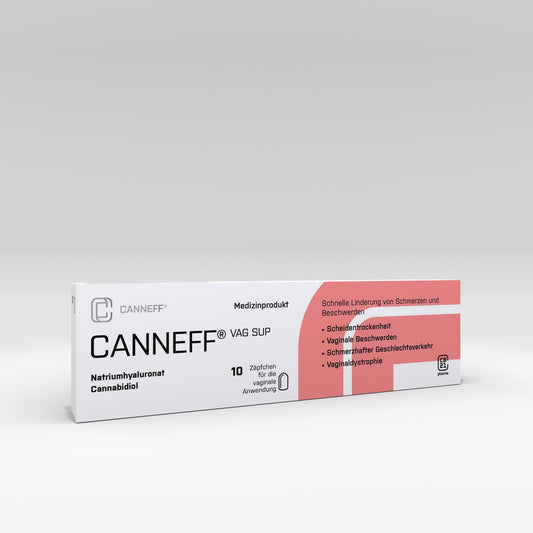
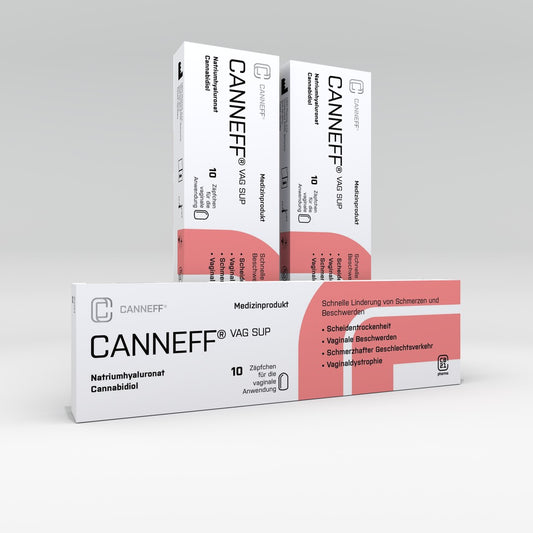
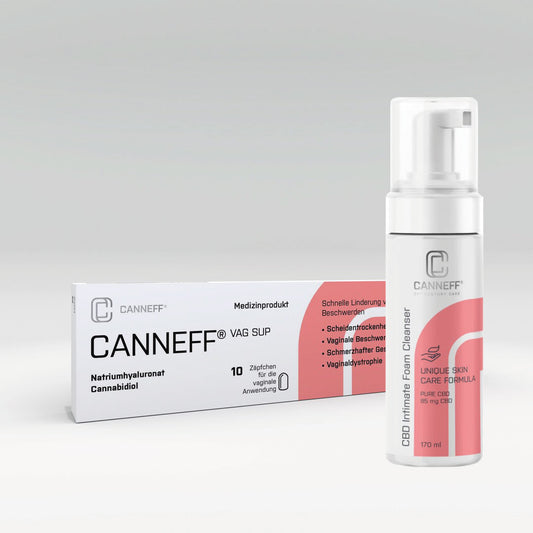
Heat treatments such as heat patches or hot water bottles relax muscles and promote blood circulation, thereby relieving pain. They are a good alternative when painkillers should be avoided. Nonsteroidal anti-inflammatory drugs like ibuprofen or diclofenac can help reduce pain if heat alone is not enough. CANNEFF® Vaginal suppositories offer an innovative option as their anti-inflammatory properties help relax muscles and specifically alleviate discomfort.
|
Treatment |
Effect |
Application |
|
Heat patch |
Promotes blood circulation, relaxes muscles |
Apply directly to the lower back |
|
Ibuprofen/Diclofenac |
Anti-inflammatory, pain-relieving |
Take for severe pain |
|
Relaxes muscles and has anti-inflammatory effects |
Can specifically relieve PMS symptoms |
PMS and tension: Why the cycle strains the back
Hormonal fluctuations can affect muscle tone, causing increased tension in the second half of the cycle. Many women adopt a changed posture during PMS, for example due to water retention or lower abdominal pain, which in turn puts additional strain on the back. Stress, often intensified by PMS, can also lead to increased muscle tension, especially in the shoulder and neck area. Regular exercise and maintaining a relaxed posture can counteract this.

Can dietary changes relieve PMS back pain?
An anti-inflammatory diet can help reduce PMS-related back pain. Magnesium-rich foods like nuts, leafy greens, or bananas relax muscles and prevent cramps. Omega-3 fatty acids from fish or flaxseed have anti-inflammatory effects and can reduce pain. A balanced blood sugar level through complex carbohydrates like whole grains can also help avoid cravings and mood swings that worsen PMS. Alcohol, caffeine, and sugar should be reduced in the second half of the cycle as they can increase pain sensitivity.
|
Foods |
Effect |
|
Nuts, spinach, bananas |
Magnesium relaxes muscles |
|
Salmon, flaxseed, walnuts |
Omega-3 fatty acids reduce inflammation |
|
Whole grain products |
Stabilize blood sugar levels |
|
Sugar, caffeine, alcohol |
Can increase inflammation and worsen PMS symptoms |
PMS or spinal problem? How to tell the difference
PMS-related back pain occurs cycle-dependently and usually improves with the start of the period. If the pain is present regardless of the menstrual cycle, structural problems of the spine, muscular imbalances, or herniated discs may be the cause. While PMS pain often occurs with other symptoms such as breast tenderness, water retention, or mood swings, persistent, isolated back pain rather indicates an orthopedic cause. Anyone who regularly struggles with back pain should consider medical evaluation.
|
Characteristic |
PMS |
Spinal problem |
|
Occurrence |
Cycle-dependent, shortly before the period |
Anytime, regardless of the cycle |
|
Pain intensity |
Variable, often moderate |
Can be severe permanently |
|
Relief through movement |
Yes, especially through gentle exercises |
Often not, sometimes even worsening |
Which home remedies help against PMS-related back pain?
Natural methods like heat applications, herbal teas with relaxing effects, or essential oils can help alleviate symptoms. A bath with Epsom salt can help release muscle tension. Massages with arnica or lavender oil promote blood circulation and relax the back area. CANNEFF® Vaginal Suppositories provide targeted relief from PMS symptoms by acting anti-inflammatory and relaxing on the body.
How can exercise reduce back pain during the period?
Even though many women have little desire to move during their period, gentle activity can help relieve pain. Walking, light yoga, or stretching exercises release tension and trigger endorphins that reduce pain perception. Those who exercise regularly benefit in the long term from better blood circulation and stable muscles, which can prevent PMS-related back pain. Especially gentle movements that relieve the lower back, such as pelvic circles or slow mobilization exercises, can have a soothing effect during the period.