

Which treatment really helps with endometriosis?
Endometriosis is considered a chronic, systemic disease – and there is currently no universal "cure." Which treatment is actually effective depends heavily on the individual symptom profile, age, possible desire to have children, as well as the stage and location of the endometriosis lesions. Particularly effective are combinations of medication, surgery, and complementary therapy – so-called Multimodal treatment approaches.
Overview of proven treatment options
|
Therapy form |
Treatment goal |
Effectiveness |
|
Nonsteroidal anti-inflammatory drugs (NSAIDs) |
Pain relief |
Effective for mild symptoms |
|
Hormone therapy |
Suppression of estrogen production |
High effectiveness in hormone-sensitive lesions |
|
Surgical removal |
Removal of endometriosis lesions |
Effective for deeply infiltrating or symptomatic lesions |
|
Hormone-free methods |
Complementary measures such as nutrition or TCM |
Effectiveness varies individually, often as a supplement |
Evidence-based guideline recommendation
The current medical guidelines (AWMF S2k) recommend:
- NSAIDs such as ibuprofen or naproxen for short-term pain relief.
- Hormonal therapies (e.g., progestins, combined oral contraceptives, GnRH analogs) to inhibit ovarian function.
-
Surgical measures especially in cases of infertility, deeply infiltrating endometriosis, or therapy-resistant pain.
Important: After surgery, a subsequent hormone therapy often necessary to prevent recurrences.
Personal factors are crucial
What "really helps" depends not only on the severity of the disease but also on:
- Pain intensity and quality of life
- Family planning and age
- Side effect profile and individual pre-existing conditions
- Access to specialized endometriosis centers
Effective endometriosis treatment often combines various approaches. The best results are seen with early diagnosis, individually tailored therapy, and regular follow-up. For many affected, "effective" does not mean curative – but a significant improvement in quality of life.
Treating endometriosis: These options are available
The treatment of endometriosis pursues two main goals: the Relief of symptoms and the Prevention of progression of the disease. Since it is a chronic, often recurring illness, treatment strategies are diverse and must be individually adapted. Basically, a distinction is made between medicinal, surgical and complementary Therapy forms.
Overview of treatment options
|
Therapy form |
Area of application |
Advantages |
Limits / risks |
|
NSAIDs (e.g., ibuprofen, naproxen) |
For acute pain |
Fast acting |
No causal treatment |
|
Hormone therapy (e.g., progestins) |
To inhibit growth of endometrial tissue |
Cycle control, long-term symptom relief |
Side effects, not for desire to have children |
|
GnRH analogs/antagonists |
For severe or therapy-resistant courses |
Temporary “artificial menopause” |
Risk of osteoporosis with long-term use |
|
Surgical removal |
For deeply infiltrating endometriosis, desire to have children |
Direct removal of lesions |
Risk of recurrence, surgical risks |
|
Postoperative hormone therapy |
After surgery for recurrence prevention |
Extension of symptom-free period |
Only relevant if ovaries are preserved |
|
Complementary medicine / TCM |
Accompanying relief of systemic symptoms |
Holistic approach, improvement of well-being |
Limited evidence |
|
Psycho- and pain therapy |
For chronic pain and psychological stress |
Improvement of quality of life |
Requires interdisciplinary care |
|
CBD or phytotherapy |
For mild symptoms or as support |
Natural, well tolerated |
No standard therapy, effect varies individually |
-
The Choice of Therapy depends on age, desire to have children, severity of symptoms, and the location of the endometriosis lesions.
- Multimodal Concepts – that is, combinations of medicinal, surgical, and complementary procedures – are considered particularly effective today.
There is no “one right” therapy for endometriosis. Rather, an individual adjustment of options is crucial. Interdisciplinary treatment by a specialized endometriosis center can significantly contribute to success.
Medications, surgery, or naturopathy – what works for endometriosis?
The most effective treatment for endometriosis varies individually and depends on symptoms, spread, and desire to have children. Medications such as NSAIDs and hormone preparations relieve pain and inhibit the growth of lesions, Surgeries remove affected tissues and often improve fertility. Naturopathic Methods – such as nutritional therapy or acupuncture – can additionally relieve symptoms but do not replace evidence-based therapy. Often a multimodal approach most successful.
Treatment of endometriosis: guidelines, methods, and experiences
The medical treatment of endometriosis is based on evidence-based guidelines, especially the interdisciplinary S2k guideline for diagnosis and therapy of endometriosis (AWMF). It recommends individualized therapy depending on severity, symptoms, desire to have children, and life phase. The common methods can be assigned to three areas:
|
Therapy form |
Objectives |
Examples |
|
Medication |
Hormone suppression, pain relief |
NSAIDs, progestins, GnRH analogs, antagonists, birth control pills |
|
Surgical |
Removal or destruction of lesions |
Laparoscopic excision, laser ablation, hysterectomy in severe cases |
|
Complementary / supportive |
Improvement of quality of life |
Physiotherapy, nutritional therapy, psychotherapy, TENS, CBD |
What do practical experiences show?
- Early treatment improves the prognosis.
- Long-term hormone therapy can delay recurrences but are not always well tolerated.
- Surgeries relieve many symptoms but carry risks of recurrence.
- Many patients benefit from multimodal concepts , which equally consider physical, hormonal, and psychological components.
Care in specialized centers is also recommended Endometriosis centers , which work interdisciplinarily according to certified standards. The choice of method should always be patient-centered and regularly reviewed.
When is surgery for endometriosis advisable?
Surgical treatment of endometriosis is indicated when medication or conservative measures are insufficient or certain complications occur. The goal is to remove as much diseased tissue as possible, relieve the symptoms, and improve quality of life – especially in cases of deeply infiltrating lesions or unfulfilled desire to have children.
|
Indication |
Justification for surgical therapy |
|
Severe pain despite hormone therapy |
Medication treatment not sufficiently effective |
|
Endometriotic cysts (endometriomas) on the ovaries |
Risk of rupture or impairment of ovarian function |
|
Unfulfilled desire to have children |
Removal of lesions or adhesions to improve fertility |
|
Involvement of bladder, intestine, or ureter |
Organ function endangered or impaired |
|
Diagnostic Confirmation |
In unclear cases, laparoscopy can confirm endometriosis and simultaneously treat it |
|
Recurring complaints after conservative therapy |
Recurrence after hormone therapy or previous surgery |
Surgical Methods
- Laparoscopy (keyhole surgery): Standard procedure with short recovery time
-
Laparotomy: Required in extensive findings or complications
Organ-preserving surgery: Priority when desiring children - Radical procedures (e.g., hysterectomy): Only in severe cases without desire to have children
Surgery is advisable when quality of life is severely limited by pain, fertility is to be preserved or restored, or conservative therapies do not show sufficient effect. The decision should be made individually at a certified endometriosis center.
Conservative versus Surgical Treatment in Endometriosis
The choice between conservative (non-surgical) and surgical treatment depends on the symptom profile, desire to have children, and disease stage. Both approaches have specific advantages and disadvantages and are often used in combination.
|
Criterion |
Conservative (medication) |
Surgical (operation) |
|
Goal |
Hormonal control, pain reduction |
Removal of lesions, improvement of organ function |
|
Suitable for |
Mild to moderate complaints, without desire to have children |
Severe symptoms, unfulfilled desire to have children, organ involvement |
|
Advantages |
Non-invasive, long-term intake possible |
Direct removal of lesions, often rapid improvement |
|
Disadvantages |
Symptoms often return after discontinuation |
Risk of recurrence, surgical risks, possible need for repetition |
|
Example Methods |
NSAIDs, hormonal contraception, GnRH analogs |
Laparoscopy, possibly organ preservation or removal |
Conservative therapy is suitable for long-term symptom control, while surgical interventions can be crucial for therapy-resistant complaints or functional impairments. The best individual solution usually results from a combination of both methods.
New Approaches in Endometriosis Therapy
The treatment of endometriosis is continuously evolving, with innovative therapeutic approaches being researched both in medication and natural medicine. Here are some of the promising developments:
Linzagolix (Yselty®): New GnRH Antagonist
Since November 2024, Linzagolix (brand name Yselty®) has been approved for the symptomatic treatment of endometriosis in adult women of reproductive age. It is a selective GnRH receptor antagonist that reduces estrogen production and can thus relieve pain. The recommended dosage is 200 mg daily in combination with add-back therapy (estradiol 1 mg/norethisterone acetate 0.5 mg). Clinical studies showed significant improvements in dysmenorrhea and non-menstrual pelvic pain.
CANNEFF® suppositories: CBD-based, hormone-free option
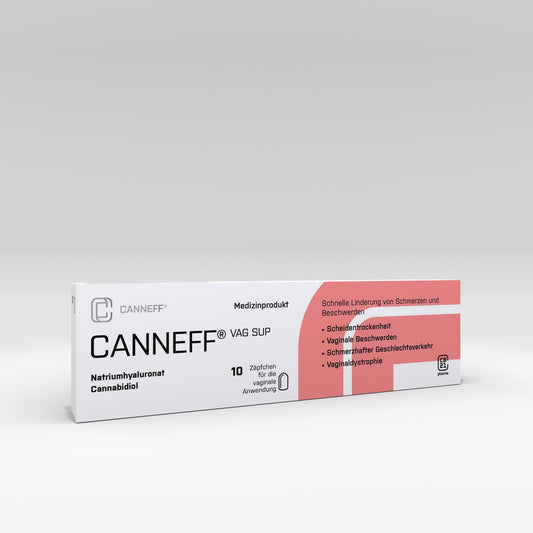
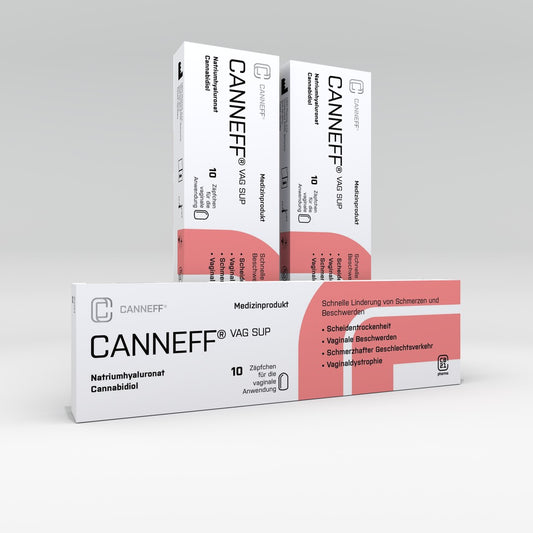
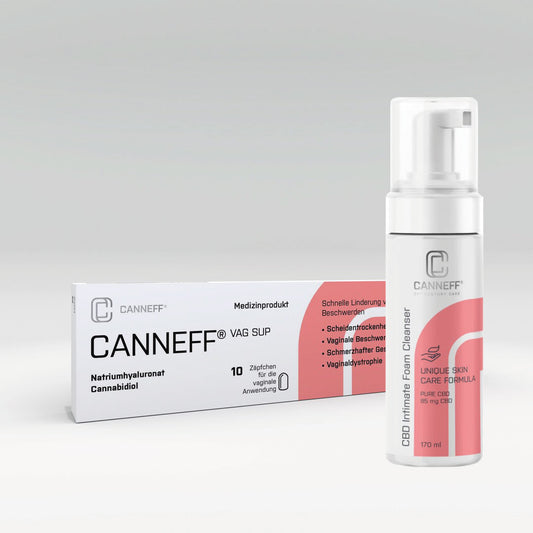
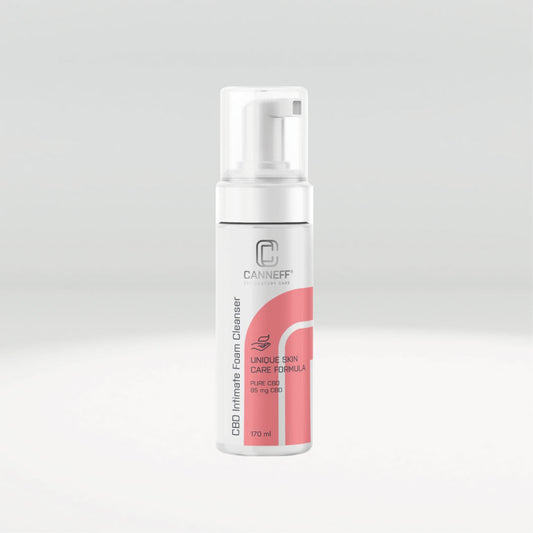
CANNEFF® offers rectal and vaginal suppositories containing cannabidiol (CBD) and hyaluronic acid. These products aim to relieve pain and inflammation in the intimate area. Clinical studies show that CANNEFF® has anti-inflammatory and pain-relieving properties (non-bacterial prostatitis, physiological symptoms of menopause) that could be helpful in endometriosis. Further clinical studies are currently underway to evaluate the effectiveness of these CBD suppositories in endometriosis patients.
Microbiome research: stool test and 4-hydroxyindole
Researchers at Baylor College of Medicine have identified a specific microbiome-metabolome signature in stool samples from women with endometriosis. This finding could lead to a non-invasive stool test for diagnosis. Additionally, the metabolite 4-hydroxyindole was recognized as a potential treatment option, which reduced endometriosis lesions in animal models.
Research funding in Germany
Since September 2024, the Federal Ministry of Education and Research (BMBF) has been supporting five new research projects on endometriosis with 5 million euros annually. These projects aim to better understand the causes, progression, as well as diagnostic and therapeutic approaches of the disease.
The integration of new drug therapies such as Linzagolix, the exploration of CBD-based products like CANNEFF® suppositories, and innovative diagnostic approaches such as the microbiome stool test offer promising prospects for the treatment of endometriosis. Those affected should seek individual advice to find the therapy options suitable for them.
What to do in therapy-resistant endometriosis?
When classic treatment approaches like hormone therapy or surgery do not provide sufficient relief, this is referred to as therapy-resistant endometriosis. In such cases, an individual, often interdisciplinary approach is required that goes beyond standard care.
Causes of therapy resistance
- Deep infiltrating lesions involving nerve structures
- Complex adhesions or recurrences after multiple surgeries
- Intolerance or side effects of hormonal therapies
- Chronic pain with active pain memory
Multimodal treatment concepts for endometriosis
Multimodal therapy combines various treatment approaches to treat endometriosis holistically. The goal is not only to relieve physical symptoms but also to address psychological and functional impairments. Typical elements include:
|
Therapy area |
Example measures |
|
Medication |
NSAIDs, hormone therapy (e.g., GnRH analogs, progestins) |
|
Medical devices |
e.g., CANNEFF® vaginal suppositories with CBD and hyaluronic acid |
|
Surgical |
Laparoscopic removal of lesions or cysts |
|
Physiotherapy |
Pelvic floor training, manual therapy |
|
Psychotherapy |
Managing chronic pain, stress coping |
|
Nutrition & lifestyle |
Anti-inflammatory diet, exercise, sleep regulation |
|
Complementary medicine |
Acupuncture, yoga, heat applications |
Overview of alternative treatment methods for endometriosis
Alternative methods can be used alongside conventional medical therapy, especially to relieve chronic pain or improve overall well-being. They do not replace evidence-based treatment, but can provide individual support – especially in mild cases or therapy-related side effects.
|
Treatment approach |
Example methods |
Mode of action |
|
Acupuncture |
Traditional Chinese pain therapy |
Influence on the nervous system and pain reduction |
|
Phytotherapy |
Chasteberry, turmeric, lady's mantle |
Hormone modulation, anti-inflammatory effects |
|
Mind-body methods |
Yoga, meditation, breathing techniques |
Stress reduction, improved pain management |
|
Dietary changes |
Anti-inflammatory diet, e.g., low in sugar and animal fats |
Influence on hormonal and immunological processes |
|
Physical therapies |
Heat applications, TENS, osteopathy |
Muscle relaxation, relief of pelvic floor pain |