

What are the most common causes of hemorrhoids, and who is especially at risk?
Hemorrhoids develop when the blood vessels in the anal canal are excessively stressed. This stress causes the vascular cushions, which normally seal the anus, to expand. Various factors contribute to this overstrain and can significantly increase the risk of hemorrhoids.
Constipation and heavy straining: Chronic constipation and the associated straining during bowel movements put enormous pressure on the vessels, which can lead to their enlargement.
Prolonged sitting: People with sedentary jobs or a mostly inactive lifestyle are especially at risk. Prolonged sitting reduces blood flow in the pelvic area, which can promote the development of hemorrhoids.
Low-fiber diet: A diet low in fiber increases the likelihood of hard stools and constipation, both of which increase pressure in the anal canal.
Pregnancy and childbirth: During pregnancy, the growing fetus puts pressure on the pelvic region, impairing blood flow in the vessels. Additionally, the strain during childbirth can cause hemorrhoids.
Genetic predisposition: A congenital connective tissue weakness raises the risk of hemorrhoids. Those affected often have a family history of these issues.
Overweight: Extra weight puts strain on the pelvic floor and blood vessels in the anal area, increasing the risk of hemorrhoids.
Age: As we age, the tissue in the anal canal loses elasticity, making hemorrhoids more prone to enlargement and inflammation.
People who have a combination of the above risk factors are most at risk. These include, for example, women during pregnancy, people with predominantly sedentary jobs, individuals with chronic constipation, and older adults.
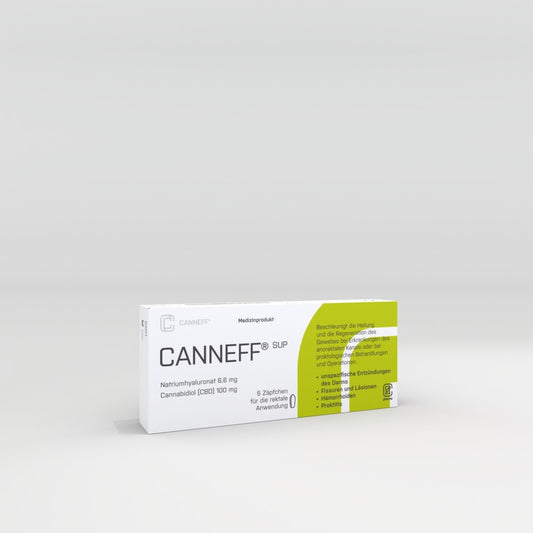
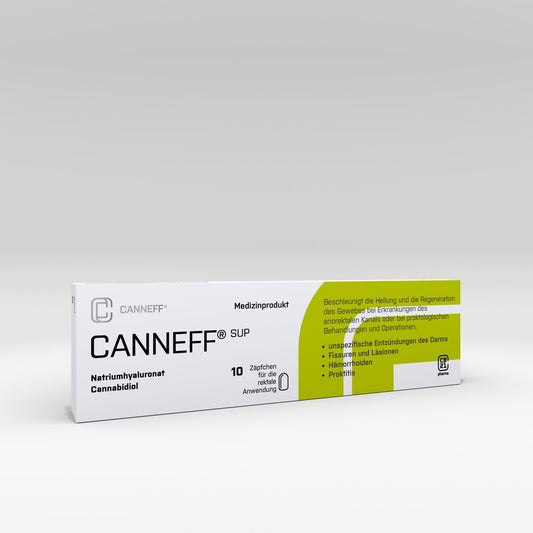
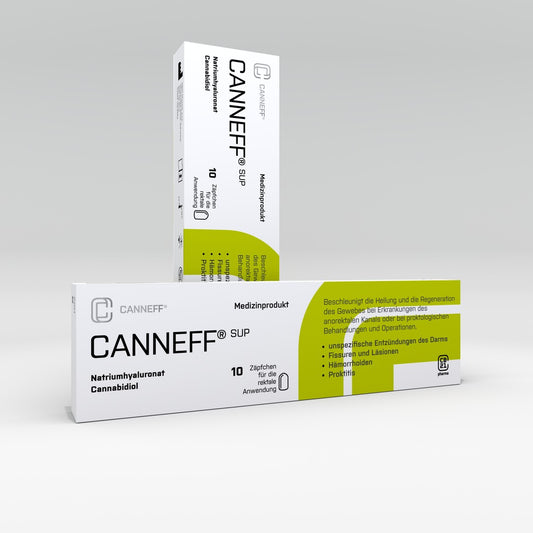
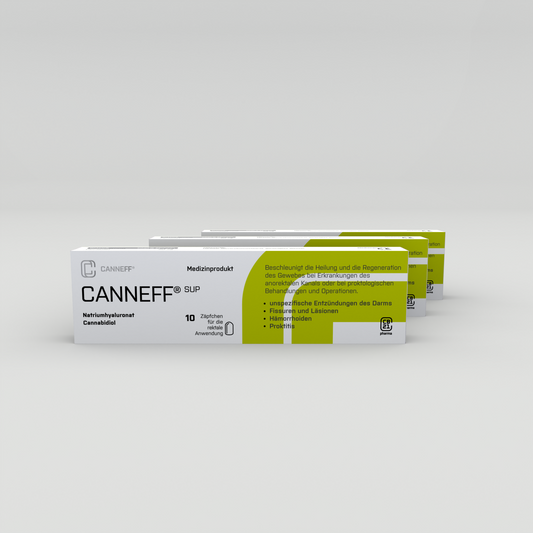
Those affected who notice the first symptoms of hemorrhoids such as itching, anal burning, or light bleeding can use CANNEFF® SUP suppositories. These combine cannabidiol (CBD) and hyaluronic acid to soothe the mucous membranes and promote healing. CBD has anti-inflammatory effects, while hyaluronic acid supports moisture supply. This helps relieve discomfort and prevent the progression of the condition. Read more here about the treatment of hemorrhoids.
A targeted combination of prevention, such as a high-fiber diet and exercise, along with supportive measures like CANNEFF® products, offers an effective strategy to prevent or treat hemorrhoids early. Read more here about the different stages of hemorrhoidal disease.
How do nutrition and lifestyle influence the development of hemorrhoids?
Nutrition and lifestyle play a crucial role in the prevention and development of hemorrhoids. They directly affect digestion, stool consistency, and the pressure in the anal canal, which is responsible for the strain on the sensitive vascular cushions.
Dietary influence
Low-fiber diet: A diet low in fiber often leads to hard stools and constipation. This forces sufferers to strain heavily during bowel movements, which increases pressure on the hemorrhoids.
Too little fluid: Insufficient fluid intake makes stool hard and difficult to pass. At least 1.5–2 liters of water per day are important to keep stool soft and digestion smooth.
Excessive consumption of processed foods: White flour products, ready meals, and sugary foods contribute to constipation because they contain few nutrients that promote digestion.
Spicy and irritating foods: Foods like chili or pepper can irritate the sensitive anal area and worsen existing hemorrhoid symptoms.
Lifestyle influence
Lack of exercise: Lack of physical activity can slow down bowel movements and lead to constipation. Regular exercise promotes blood circulation and relieves the pelvic area. Activities like walking, swimming, or cycling strengthen the pelvic floor and encourage bowel movement.
Prolonged sitting: Sedentary activities, such as working at a desk or sitting on the toilet for a long time, increase pressure on the vessels in the anal area and promote the development of hemorrhoids.
Overweight: Extra pounds constantly put pressure on the pelvic floor, which worsens the blood flow to the hemorrhoids.
Stress and lack of time: Stress can negatively affect digestion and lead to irregular toilet habits, which puts strain on hemorrhoids.
Can pregnancy and hormonal changes trigger hemorrhoids?
Yes, pregnancy and hormonal changes are among the most common triggers of hemorrhoids. During pregnancy, women are particularly at risk of developing hemorrhoidal disease due to physiological and hormonal adjustments.
How does pregnancy influence the development of hemorrhoids?
Increased pressure in the pelvic area: The growing baby and enlarged uterus exert additional pressure on the blood vessels in the pelvis, including the hemorrhoids. This pressure can impair blood flow to the vascular cushions and promote their enlargement.
Hormonal changes: The increased progesterone level during pregnancy relaxes the vessel walls and connective tissue. This makes the blood vessels in the anal area more susceptible to swelling and blood congestion.
Constipation: Pregnancy hormones often slow down bowel movements, leading to constipation. Straining during bowel movements increases pressure on the hemorrhoids and worsens the symptoms.
Childbirth: During vaginal delivery, the strong straining creates additional pressure on the hemorrhoids, which can enlarge or inflame them.
What measures help pregnant women with hemorrhoids?
Fiber-rich diet: Whole grain products, fresh fruits, and vegetables promote digestion and prevent constipation.
Adequate hydration: At least two liters of water or unsweetened herbal teas daily ensure a soft stool consistency.
Regular exercise: Gentle activities such as walking or swimming stimulate bowel activity and relieve the pelvic floor.
Gentle hygiene: After bowel movements, the anal area should be cleaned with lukewarm water to avoid irritation.
Targeted relief of the pelvic floor: Elevating the legs while sitting or lying down can help reduce pressure on the hemorrhoids.
What role do constipation and straining during bowel movements play in the development of hemorrhoids?
Constipation and straining during bowel movements are among the most common causes of the development and worsening of hemorrhoids. Both factors exert significant pressure on the vascular cushions in the anal canal, which can lead to swelling and irritation.
How does constipation affect hemorrhoids?
Increased pressure on the blood vessels: With constipation, stool is often hard and dry. This makes elimination difficult, so affected individuals must strain strongly to empty the bowel. This creates significant pressure on the hemorrhoids, making them prone to swelling and injury.
Longer time spent on the toilet: Constipation often leads to prolonged sitting on the toilet, which further strains the blood vessels in the anal area. The sitting position can increase pressure on the hemorrhoids.
Chronic irritation: Recurring constipation irritates the sensitive tissue in the anal area, which favors the development or worsening of hemorrhoidal disease.
Why is excessive straining during bowel movements problematic?
Damage to vascular cushions: Straining causes stretching of the blood vessels in the anal canal. With repeated pressure, these vessels can swell and lose elasticity, causing hemorrhoids.
Tears and bleeding: Excessive straining increases the risk of small tears in the mucous membrane or bleeding of the hemorrhoids, which can lead to pain and itching.
Increased pressure on connective tissue: Constant strain weakens the connective tissue in the anal area, which especially with a predisposition promotes the progression of hemorrhoidal disease.
How can constipation and excessive straining be avoided?
Fiber-rich diet: A diet rich in fruits, vegetables, whole grains, and legumes promotes digestion and ensures soft stool consistency.
Adequate hydration: Drinking at least 1.5 to 2 liters of water or unsweetened tea daily supports bowel movement and prevents stool from becoming too hard.
Regular exercise: Activity stimulates bowel function and reduces the risk of constipation.
Healthy toilet habits: Bowel movements should be unhurried and without straining. A squat-like position, for example by using a footstool, can make emptying easier.
Are prolonged sitting and lack of exercise risk factors for hemorrhoids?
Yes, prolonged sitting and lack of exercise are considered significant risk factors for the development of hemorrhoids. Both factors can impair blood flow in the pelvic and anal area, which stresses the vascular cushions in the anal canal and can lead to discomfort.
How does prolonged sitting affect hemorrhoids?
Increased pressure on the anal area: When sitting, much of the body weight rests directly on the pelvic floor and the underlying vessels. This constant pressure can cause the blood vessels to swell and promote hemorrhoids.
Restricted blood flow: A longer sitting position can slow blood circulation in the pelvic area. This increases the risk of blood congestion in the hemorrhoids, which can cause swelling and discomfort.
Prolonged toilet sessions: People who sit a lot often tend to spend longer times on the toilet. This habit increases pressure on the hemorrhoids and contributes to the development of hemorrhoidal disease.
Why is lack of exercise problematic?
Slowed bowel activity: Little movement often leads to slower digestion. This increases the risk of constipation, which in turn promotes straining during bowel movements and stresses the hemorrhoids.
Weakening of the pelvic floor: Regular physical activity strengthens the muscles in the pelvic floor and supports the function of hemorrhoids. Lack of exercise can weaken these muscles, impairing the closing mechanism of the anus.
Promotion of overweight: Lack of exercise often contributes to weight gain. Excess weight puts additional pressure on the vessels in the anal area and increases the risk of hemorrhoids.
How do genetic predisposition and age affect the development of hemorrhoids?
Genetic predisposition and age are essential risk factors for developing hemorrhoidal disease. Both affect the structure and function of connective tissue as well as blood circulation in the anal area, which can increase the likelihood of hemorrhoids.
Connective tissue weakness: People with a genetically caused weakness of connective tissue have a higher risk of developing hemorrhoids. This weakness can impair the vessels' ability to recover after strain, leading to swelling and discomfort.
Hereditary tendency to venous diseases: People with a family history of varicose veins or other venous diseases are often more susceptible to hemorrhoids, as similar mechanisms like blood congestion and vessel dilation are involved.
Indirect genetic factors: Genetic influences can also promote other risk factors such as constipation or slower digestion, which increases the likelihood of hemorrhoids.
Changes in tissue and muscles: Decrease in tissue firmness. With increasing age, connective tissue loses elasticity and tension. This causes the hemorrhoidal vessels to have less resistance and to swell more easily.
Reduced blood flow: Blood circulation in the pelvic and anal area slows down with age, which promotes the formation of blood congestion.
Decrease in pelvic floor muscles: The pelvic floor muscles, which play an important role in supporting the hemorrhoids, weaken over time. This can lead to displacement and enlargement of the hemorrhoids.
More frequent constipation in old age: Constipation is more common in older people due to less exercise, changed diet, and possible medication use. Straining hard during bowel movements additionally stresses the hemorrhoids.
Can certain sports or physical exertion promote hemorrhoids?
Yes, certain sports and physical activities can promote the development or worsening of hemorrhoids, especially when associated with strong pressure on the pelvic floor or intense strain. However, not all forms of exercise are problematic – many sports are even preventive. It depends on the type and intensity of the effort.
Strength training with intense straining: Exercises like heavy lifting, squats, or deadlifts can put strong pressure on the blood vessels in the pelvic and anal area. Holding the breath (Valsalva maneuver) increases intra-abdominal pressure, which strains the vessels and can promote hemorrhoids.
High-impact endurance sports: Endurance sports like marathon running, jogging on hard surfaces, or tennis exert pressure on the pelvic floor through repeated impacts. This can disrupt blood flow and irritate or worsen hemorrhoids.
Cycling with an unsuitable saddle: A hard, unpadded saddle can restrict blood flow in the anal area and increase pressure on the hemorrhoids, especially during long rides.
What are preventive and beneficial sports?
Not all physical activities are harmful. Regular exercise supports bowel health, promotes better blood flow, and strengthens the pelvic floor.
Swimming: Swimming is particularly gentle as it does not strain the pelvic floor and stimulates blood circulation.
Walking and hiking: These activities promote digestion and are gentle on the anal area.
Yoga and Pilates: Exercises that strengthen muscles and promote blood circulation help prevent hemorrhoids, especially targeted pelvic floor exercises.
What role do alcohol, smoking, and stress play in the development of hemorrhoids?
The development of hemorrhoids is influenced by a variety of factors, including unhealthy lifestyle habits such as alcohol and tobacco consumption as well as chronic stress. These factors contribute to impairing vascular health, disrupting digestion, and increasing pressure in the anal area, which can raise the risk of hemorrhoidal disease.
Alcohol: An amplifier of vascular problems
Alcohol affects the entire body, including the blood vessels in the anal area.
Vasodilation: Alcohol dilates blood vessels, including the hemorrhoidal cushions, which can lead to increased filling and swelling. This raises the risk of enlarged hemorrhoids.
Promotion of constipation: Alcohol consumption dehydrates the body, which hardens stool and promotes constipation. Straining during bowel movements can stress the sensitive vascular cushions and cause discomfort.
Promotion of inflammation: Alcohol can intensify inflammatory processes in the body and slow the healing of irritated tissue.
Smoking: Damage to vessels and digestion
Tobacco use harms vascular health and can promote the development of hemorrhoids.
Impairment of blood circulation: Smoking narrows blood vessels and reduces blood flow in the pelvic and anal area, which hinders tissue regeneration and increases susceptibility to inflammation.
Weakening of connective tissue: The harmful substances in tobacco promote collagen breakdown, which reduces the strength of connective tissue. This makes it easier for the hemorrhoidal cushions to sag.
Promotion of digestive problems: Smoking can disrupt bowel activity and cause both constipation and diarrhea, both of which strain the hemorrhoids.
Stress: An underestimated risk factor
Chronic stress indirectly influences the development of hemorrhoids through its effects on the body.
Digestive problems: Stress can significantly affect bowel activity and lead to constipation or irritable bowel syndrome. Both conditions increase pressure on the vascular cushions in the anal canal.
Unhealthy habits: Stress often leads to unhealthy eating, lack of exercise, or excessive consumption of alcohol and cigarettes – all factors that promote hemorrhoids.
Tension and pressure: Chronic tension can increase intra-abdominal pressure and thus raise the risk of hemorrhoidal disease.