

What are Grade II hemorrhoids?
Grade II hemorrhoids are enlarged vascular cushions in the anal canal that temporarily protrude during bowel movements or physical exertion. Unlike Grade I hemorrhoids, they retract on their own. This stage is often marked by symptoms of hemorrhoids such as itching, burning, and occasional bleeding.
These hemorrhoids are larger than Grade I hemorrhoids and indicate that the strain on the vascular cushions has increased. This is often due to chronic constipation, excessive straining, or a sedentary lifestyle.
How to recognize Grade II hemorrhoids?
Grade II hemorrhoids are characterized by the following distinctive features:
Temporary prolapse of hemorrhoids: During bowel movements or with strong pressure, the vascular cushions protrude from the anal canal but return without manual assistance.
Foreign body sensation: Many affected individuals experience an unpleasant sensation in the anal area, especially after using the toilet.
More frequent bleeding: Compared to Grade I hemorrhoids, bright red blood stains on toilet paper or in the stool occur more frequently. Read more here about bleeding hemorrhoids.
Itching and burning: The symptoms anal itching and anal burning are caused by irritation of the mucous membrane or increased mucus secretion.
What symptoms occur with Grade II hemorrhoids?
An overview of typical symptoms provides clarity. Find more information here about the symptoms of hemorrhoids.
|
Symptom |
Description |
|
Bleeding |
Bright red blood traces on toilet paper or in stool. Read more here about bleeding hemorrhoids. |
|
Itching and burning |
Increased irritation due to friction and mucus secretion. Read more here about anal itching or anal burning. |
|
Temporary prolapse |
Hemorrhoids protrude during bowel movements but retract afterward. |
|
Moistness |
Discharge of mucus, which complicates anal hygiene. |
|
Foreign body sensation |
Subjective feeling that the anus is not completely emptied. |
Are Grade II hemorrhoids dangerous?
Hemorrhoids Grade II are not immediately dangerous but can progress to more advanced stages if left untreated. Frequent prolapse, in particular, can lead to inflammation or irritation. Regular bleeding should be taken seriously, as it can affect quality of life and, in rare cases, lead to anemia if untreated. If Grade II hemorrhoids remain untreated, the condition can develop into Hemorrhoids Grade III. Read more here about bleeding hemorrhoids and the different stages of hemorrhoids.
How common are Grade II hemorrhoids?
Grade II hemorrhoids are the most common form after Grade I hemorrhoids. They especially affect people over 40 who suffer from chronic constipation, low-fiber diets, or lack of exercise. Pregnancy and hormonal changes can also increase the risk.
Can Grade II hemorrhoids be treated on your own?
Yes, in many cases symptoms can be relieved and progression halted through self-care measures:
Dietary changes: A fiber-rich diet with whole grains, fruits, and vegetables promotes digestion and prevents constipation.
Fluid intake: Drinking enough water (at least 1.5–2 liters daily) keeps stool soft.
Exercise: Regular activity stimulates bowel function and prevents pressure on the vascular cushions.
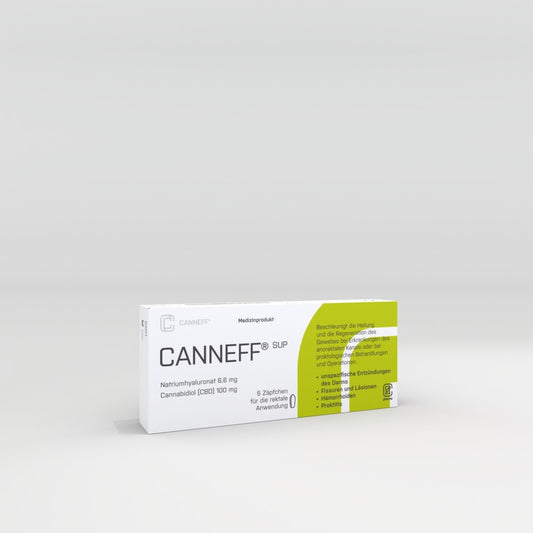
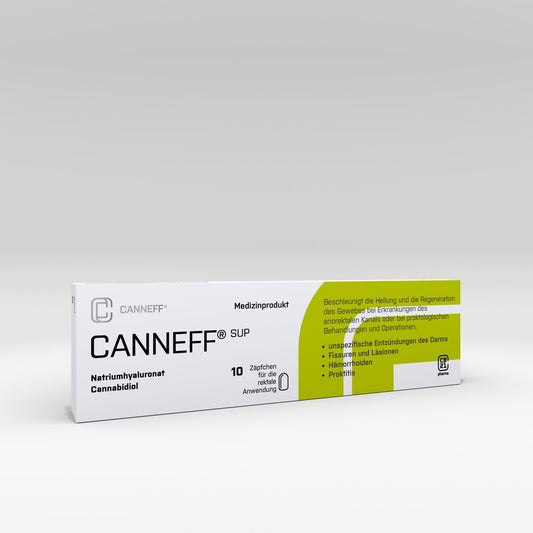
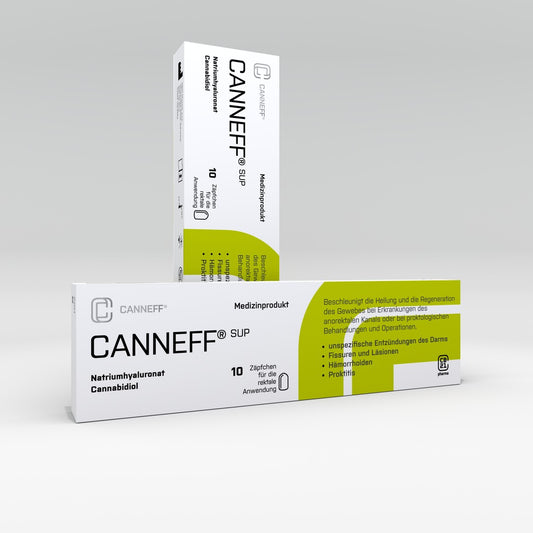
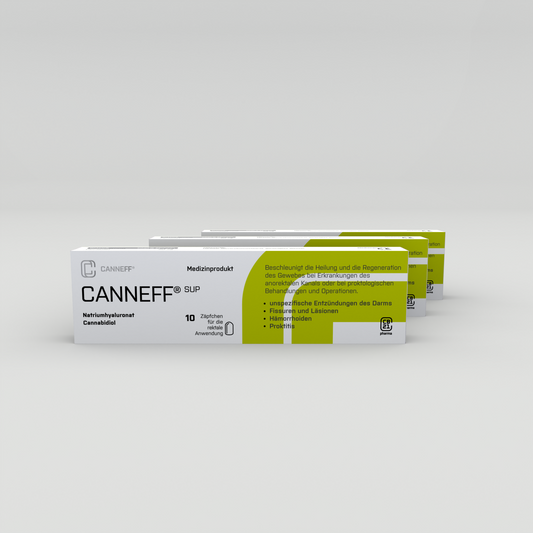
Products like CANNEFF® SUP suppositories: The combination of cannabidiol (CBD) and hyaluronic acid in CANNEFF® SUP suppositories reduces inflammation, promotes mucosal healing, and alleviates irritations such as itching and burning sensation.
Sitz baths: Additives like chamomile or oak bark can relieve symptoms of hemorrhoids.
If symptoms persist despite these measures, medical evaluation is advisable. Read more about treatment of Grade II hemorrhoids here.
How can you prevent Grade II hemorrhoids?
Prevention is key to stopping progression.
Healthy nutrition: A high-fiber diet promotes regular digestion.
Exercise: Avoid prolonged sitting and incorporate movement into your daily routine.
Toilet habits: Avoid straining and long sitting times on the toilet.
Gentle anal hygiene: Avoid irritating products such as perfumed toilet paper.
Products like CANNEFF® SUP suppositories can also be used preventively to strengthen the mucous membrane and compensate for moisture loss.
When should you see a doctor for Grade II hemorrhoids?
A doctor's visit is recommended if the following points occur.
- Bleeding is heavy or occurs regularly.
- Symptoms persist despite self-care measures.
- A persistent feeling of pressure or pain occurs.
- There are uncertainties regarding the diagnosis.
- A proctologist can examine the hemorrhoids and, if necessary, recommend minimally invasive treatment options such as rubber band ligation or sclerotherapy.

Do Grade II hemorrhoids cause bleeding?
Yes, bleeding is common with Grade II hemorrhoids. It usually appears as bright red streaks on toilet paper or in the stool and is due to friction of the stool against the sensitive vascular cushions. These bleedings are usually painless but should be medically evaluated if they occur regularly. Read more here about bleeding hemorrhoids.
Grade II hemorrhoids are a moderate stage that can be well controlled with timely measures. A combination of prevention, targeted treatments, and support with products like CANNEFF® SUP suppositories can effectively relieve symptoms and prevent progression.
Read more here about the treatment of Grade II hemorrhoids.