

What are the most common causes of blood in the stool during pregnancy?
Blood in the stool during pregnancy is often due to changes the body undergoes during this special phase. Although many causes are harmless, they should still be medically evaluated to rule out serious conditions.
|
Category |
Possible cause |
Description |
|
Hemorrhoids |
Enlarged blood vessels in the anal area |
Increased abdominal pressure and hormonal changes cause many pregnant women to develop hemorrhoids, which often cause bright red blood during bowel movements. |
|
Anal fissures |
Small tears in the anal mucosa |
Constipation or hard stools favor anal fissures, which typically cause painful bleeding. |
|
Constipation |
Increased strain during bowel movements |
Pressure and straining during constipation can injure blood vessels in the anal area. |
|
Hormonal changes |
Increased blood flow and slowed digestion |
Hormones like progesterone promote the dilation of blood vessels and hinder venous return, increasing the risk of bleeding. |
|
Infections |
Intestinal or anal infections |
Bacterial or viral infections can lead to inflammation and bleeding, often accompanied by diarrhea or pain. Read more here about diarrhea and blood in the stool. |
|
Chronic inflammatory bowel diseases (IBD) |
Crohn's disease, ulcerative colitis |
These conditions can flare up during pregnancy and cause blood in the stool as well as other symptoms like diarrhea and abdominal pain. |
|
Less common: tumors |
Benign polyps or malignant changes |
Although rare, intestinal polyps or tumors can also cause blood in the stool in pregnant women. Read more here about blood in the stool with colon cancer. |
Explanation of the most common causes
HemorrhoidsNote: Due to increasing pressure from the growing baby and hormonal changes, hemorrhoids frequently occur in pregnant women. They are the most common cause of bright red blood in stool and are often accompanied by itching or a feeling of pressure.
Anal fissuresNote: Hard stools caused by hormonal digestive changes and insufficient fiber can cause small tears in the anal mucosa. These lead to painful, bright red blood. Read more about anal fissures.
Constipation: Many pregnant women suffer from constipation due to progesterone and reduced physical activity, which can lead to bleeding from straining.
Hormonal influences: Hormones increase blood flow and vessel permeability, which promotes small bleedings in the anal area.
Chronic inflammatory bowel diseases: Pregnant women with existing IBD may experience flare-ups during pregnancy, accompanied by bloody stool and other symptoms.
Read more here about the causes of blood in stool.
How do harmless and serious causes of blood in stool differ in pregnant women?
Blood in stool during pregnancy can arise from a variety of causes, ranging from harmless conditions to serious diseases. The distinction is made based on the type of bleeding, accompanying symptoms, and medical history.
|
Criterion |
Harmless causes |
Serious causes |
|
Blood color |
Bright red, fresh |
Dark red, black tarry stool (melena) or blood mixed with mucus |
|
Amount of blood |
Small amounts, usually visible on toilet paper |
Large amounts or persistent bleeding |
|
Symptoms |
Itching, slight oozing, pain during bowel movements |
Abdominal pain, fever, weight loss, severe fatigue |
|
Frequency |
Occasional |
Repeated or chronic bleeding |
|
Course |
Self-limiting |
Progressive course or no improvement |
|
Accompanying symptoms |
No or only minor symptoms |
Mucus in stool, diarrhea, constipation, night sweats, anemia |
|
Examples of Causes |
Hemorrhoids, anal fissures, constipation |
Chronic inflammatory bowel diseases (e.g., Crohn’s disease, ulcerative colitis), infections, tumors |
Harmless: Hemorrhoids and anal fissures
Hemorrhoids: Enlarged blood vessels in the anal area caused by increased pressure during pregnancy. Bleeding is usually bright red, painless, and occurs during bowel movements.
Anal fissures: Small tears in the anal mucosa caused by constipation or hard stools. Typically accompanied by bright red blood and pain during bowel movements.
Serious: Chronic inflammatory bowel diseases and tumors
IBD (e.g., Crohn’s disease, ulcerative colitis): Often cause blood in the stool, accompanied by diarrhea, abdominal pain, and mucus. These diseases can flare up during pregnancy. Read more here about diarrhea and blood in the stool.
Tumors: Although rare, intestinal polyps or malignant changes in the bowel can lead to persistent bleeding, often associated with dark or black blood. Read more here about blood in the stool in colorectal cancer.
While harmless blood in the stool is usually caused by hemorrhoids or anal fissures, serious causes such as chronic inflammatory bowel diseases or tumors can be behind it. Medical evaluation is essential for unusual symptoms or persistent bleeding. Read more here in the blog post about the doctor’s visit for blood in the stool.
What role do hemorrhoids play in blood in the stool during pregnancy?
Hemorrhoids are one of the most common and usually harmless causes of blood in stool during pregnancy. Hormonal changes, the increasing weight of the baby, and the associated pressure on the blood vessels in the pelvic area increase the risk of hemorrhoids. Additionally, constipation and straining during bowel movements promote the development of these enlarged vascular cushions.
How hemorrhoids cause blood in stool
Bright red blood: Typical for hemorrhoids is fresh, bright red blood, often visible on toilet paper or lightly coating the stool.
Additional symptoms: Itching, moisture, or a feeling of pressure in the anal area can indicate hemorrhoids.
No pain: Bleeding from hemorrhoids is usually painless, which distinguishes it from other causes such as anal fissures.
While blood in stool is usually not dangerous due to hemorrhoids, pregnant women should still seek medical advice to exclude other serious causes and receive appropriate treatment.
When should blood in stool during pregnancy be medically evaluated?
Blood in stool during pregnancy is a warning sign that should not be ignored. If bleeding recurs or persists, or if there is pain, mucus, or additional symptoms such as fever or weight loss, urgent medical evaluation is necessary to rule out serious causes.
When pregnant women should take blood in stool seriously:
-
Repeated or persistent bleeding that does not stop on its own.
-
Visible dark red or black blood in the stool.
-
Accompanying symptoms such as abdominal pain, fever, mucus in the stool, or unintended weight loss.
Early medical examination helps to detect and treat potentially serious diseases in time. Read more in the blog post about the doctor’s visit for blood in the stool.
Which warning signs indicate serious illnesses with blood in the stool?
Warning signs of serious illnesses with blood in the stool include repeated or persistent bleeding, dark red or black blood (tar stool), abdominal pain, fever, unintended weight loss, mucus in the stool, and severe fatigue. These symptoms require immediate medical evaluation.
How can blood in the stool during pregnancy be prevented?
Blood in the stool during pregnancy can be prevented by a high-fiber diet, adequate fluid intake, regular exercise, and avoiding excessive straining on the toilet. More tips can be found in our blog post: Preventing hemorrhoids.
Which diagnostic methods are safe for blood in the stool during pregnancy?
In cases of blood in the stool during pregnancy, gentle diagnostic methods are especially important. The following methods are considered safe:
Medical history and physical examination: The doctor asks about symptoms, lifestyle habits, and existing complaints, supplemented by a visual and rectal examination.
Stool tests: Tests for occult blood or infections are non-invasive and risk-free.
Anoscopy and proctoscopy: These minimally invasive procedures allow examination of the rectum and are generally safe.
Ultrasound examination: An abdominal ultrasound provides insights into bowel health without endangering the fetus.
Invasive procedures like a colonoscopy are only performed in urgent cases and after weighing the risks. The choice of diagnostics is always made in close consultation with the treating physician. Read more here in the blog post about the doctor’s visit for blood in the stool.
Are there connections between constipation and blood in the stool during pregnancy?
Yes, constipation is a common cause of blood in the stool during pregnancy. The pressure of the growing baby on the intestines, hormonal changes, and the intake of iron supplements often lead to difficult bowel movements. Straining or hard stool can injure small vessels in the anal area, causing bleeding.
Hemorrhoids and anal fissures, which are also promoted by constipation, are the most common causes of blood in the stool during pregnancy. To prevent these complaints, a fiber-rich diet, sufficient fluids, and gentle exercise are recommended.
How do hormonal changes during pregnancy affect the risk of blood in the stool?
Hormonal changes during pregnancy significantly increase the risk of blood in the stool. The hormone progesterone, which rises during pregnancy, relaxes muscles throughout the body, including the intestinal muscles. This slows digestion, which can lead to constipation – a major cause of bleeding in the anal area. Additionally, hormonal changes promote increased blood flow, which favors the development of hemorrhoids. These enlarged blood vessels can easily bleed during constipation or straining.
The combination of hormone-related constipation, pressure from the growing baby, and increased blood flow makes blood in the stool a common but often harmless symptom during pregnancy.
What treatment options are available for blood in the stool in pregnant women?
The treatment of blood in the stool during pregnancy depends on the cause and always considers the safety of mother and child. Possible options include:
Relief for hemorrhoids and anal fissures
Dietary adjustment: A diet rich in fiber (e.g., whole grains, fruits, vegetables) and adequate fluid intake promote soft stool consistency.
Gentle toilet habits: Avoid prolonged straining and carefully clean the anal area after bowel movements.
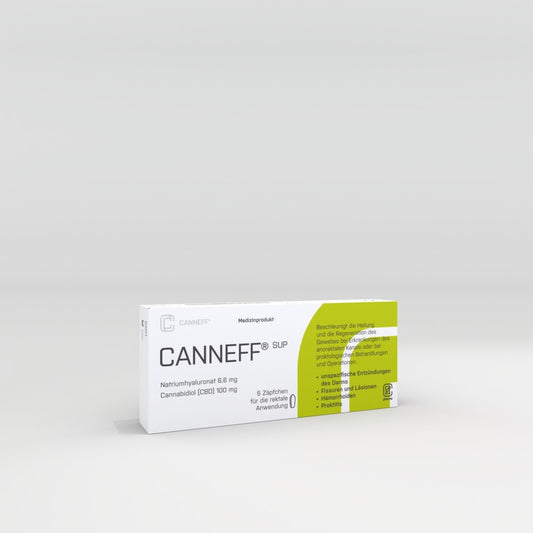
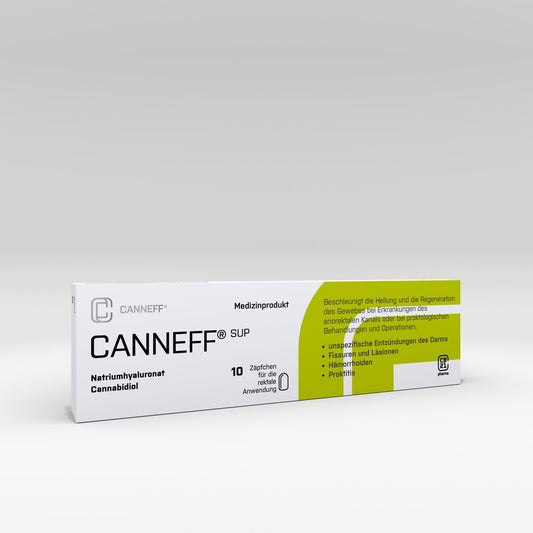
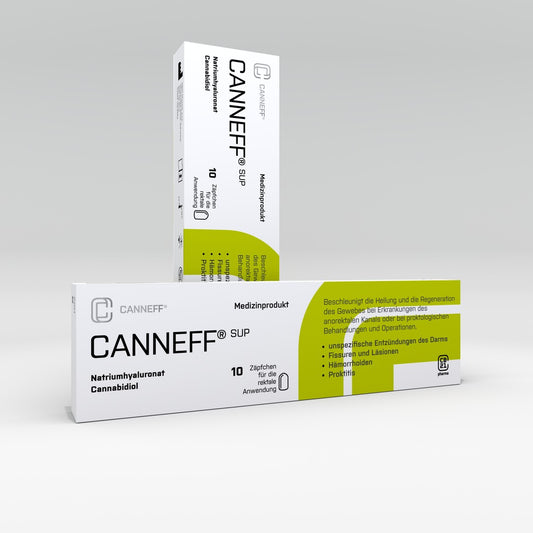
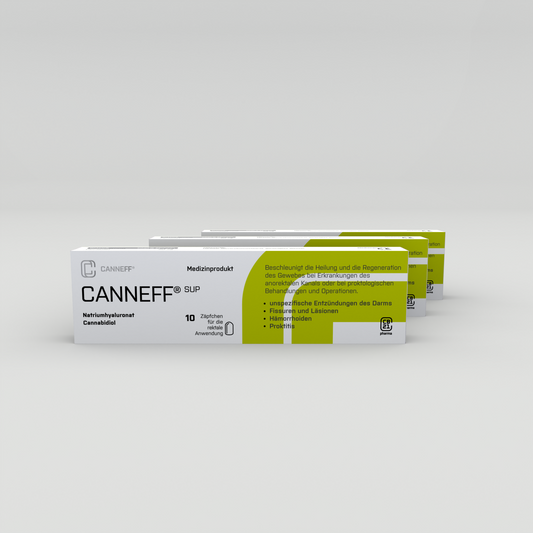
Local treatments: Special hemorrhoid creams or suppositories with anti-inflammatory and pain-relieving ingredients suitable for pregnant women can help. Find more information here about treating hemorrhoids, the innovative CANNEFF® SUP suppositories, or about accelerating healing of anal fissures. However, note that the use of CBD during pregnancy and breastfeeding is not recommended. In general, all treatments during pregnancy and breastfeeding should be discussed with a doctor beforehand.
Bulk-forming agents: Psyllium husks regulate digestion and prevent constipation.
Measures for constipation
Exercise: Regular physical activity supports bowel movement.
Home remedies: Dried fruits like prunes or figs act as natural laxatives.
Treatment of serious causes
Medical evaluation: If there are signs of serious conditions (e.g., dark red blood, mucus in the stool, or fever), a medical diagnosis is necessary.
Safe diagnostics and therapies: Non-invasive procedures such as rectal examinations or ultrasound are preferred. Medications and interventions are only used after careful consideration.
Most cases of blood in the stool during pregnancy are harmless and can be effectively treated with conservative measures. However, a doctor should always be consulted if symptoms persist or are concerning.
Can certain foods cause blood in the stool during pregnancy?
Certain foods usually do not cause blood in the stool, but can cause a reddish or dark discoloration that may be mistaken for blood. Examples include beets, blueberries, black licorice, or iron-containing supplements.
However, low-fiber or highly processed foods can promote constipation, which can lead to hemorrhoids or anal fissures – common causes of blood in stool in pregnant women. A fiber-rich diet, plenty of fluids, and mindful eating help minimize the risk of such complaints.
If blood in the stool occurs, medical evaluation is important to distinguish harmless causes from serious diseases.
What to do if blood in the stool continues after childbirth?
If blood in the stool continues after childbirth, it is important to have the cause medically examined. Often, it is hemorrhoids or anal fissures caused by pressure during birth or constipation. These complaints can often be alleviated with a high-fiber diet, adequate fluid intake, and exercise.
If the bleeding persists longer, dark red or black blood appears, or additional symptoms such as abdominal pain, weight loss, or fever occur, a doctor should be consulted immediately to rule out serious conditions like inflammation or intestinal polyps. In some cases, targeted treatment such as cauterization or minimally invasive surgery may be necessary.