

How is an Anal Fistula Treated?
In principle, there are conservative and surgical treatment approaches for an anal fistula. For anal fistulas that occur in the context of inflammatory bowel disease, a primarily conservative treatment in an interdisciplinary medical setting is recommended if possible. A wait-and-see approach with painkillers and possibly an antibiotic or anti-inflammatory suppositories is advisable, if at all, for mild symptoms of the anal fistula. Treatment of an anal fistula therefore usually involves surgery. It is very rare for an anal fistula to heal on its own. Healing without anal fistula surgery is as rare as the development of cancer in a chronic, non-operated fistula. With a persistent anal fistula, there is a certain risk that cells may become abnormal and develop into malignant cancer cells.
Conservative Treatment for Anal Fistulas (Ointments, Suppositories)
In principle, you can also use various ointments or suppositories to relieve the symptoms of an anal fistula. However, complete healing is usually only possible through a surgical procedure, known as anal fistula surgery, especially if the affected individuals experience significant distress due to the symptoms of the anal fistula. Read more about anal fistula treatment with suppositories here.
Surgery for Treating Anal Fistula
There are several different surgical techniques to operate on an anal fistula. During anal fistula surgery, care is always taken to preserve the tissue and to avoid impairing the function of the sphincter muscle as much as possible. The method surgeons use depends heavily on the type of anal fistula, its course, and especially its relation to the sphincter muscle. The goal is always to preserve the function of the sphincter muscle as best as possible and to permanently heal the anal fistula.

Can a fistula be treated on your own?
Most anal fistulas do not heal on their own and require medical treatment. A fistula should definitely be medically examined and subsequently treated. Without treatment, inflammatory processes can progress, new fistula tracts can form, and further complications up to blood poisoning (sepsis) can occur. An untreated fistula at the anus will continue to enlarge, worsening the symptoms of the anal fistula as well as complicating subsequent treatment. In some cases, the anal sphincter may gradually be affected, which can even lead to fecal incontinence. In chronic anal fistulas, there is a risk that cells may degenerate and develop into malignant carcinoma. However, this is rare.
Do not hesitate to see a doctor immediately if you experience symptoms of an anal fistula. Find more information here about visiting the doctor, as well as about the examination and diagnosis of anal fistulas in the blog post Anal Fistula Doctor.
What is an anal fistula surgery?
When an anal fistula develops, surgery is usually necessary. There are various surgical procedures such as fistulotomy (fistula division), fistulectomy (fistula removal), or thread drainage (inserting a thread to allow secretions to drain), which we will explain in more detail below. The cause of an anal fistula is often inflammation of the proctodeal glands. Chronic injuries, such as anal fissures in the anal canal, are also triggers for the development of an anal fistula. At first, an anal fistula may not cause major problems. However, these can increase and lead to fecal incontinence or severe pain in the anus. Find more information here about the causes of anal fistulas.
In most cases, the doctor recommends surgical division of the fistula. In this procedure, the surgeon cuts open the fistula up to its base. Since an anal fistula usually develops within the sphincter muscle, the muscle must also be incised. Depending on the location and extent of the fistula, this can impair the sphincter muscle's function.
If the risk of fecal incontinence is too high, the sphincter can also be reconstructed during the operation. Alternatively, there are surgical techniques with plastic fistula closure: this spares the sphincter muscle. However, the risk of the fistula recurring or new fistulas developing is significantly higher with this method.
Patients with Crohn’s disease have a high risk of developing recurring anal fistulas. To protect their sphincter muscles, a long-term drainage is sometimes used in these cases. This involves placing an elastic thread into the fistula to prevent its closure, allowing continuous drainage of secretions and pus. This helps to prevent the formation of new abscesses.
When is anal fistula surgery performed?
The exact timing of the surgery is determined by your treating physician, based on the severity of the symptoms of the anal fistula, the extent of the fistula, and other individual factors. Surgery for an anal fistula is almost always necessary to reduce the risk of secondary diseases and further complications. The surgical method used depends on the course and location of the fistula in the sphincter muscle. The goal of anal fistula surgery is usually to remove all fistula tissue while damaging the functionality of the sphincter apparatus as little as possible. Read more here about the doctor’s visit, as well as the examination and diagnosis of anal fistulas in the blog post Anal Fistula Doctor.
What surgical techniques are used to treat anal fistulas?
There are various surgical techniques for treating anal fistulas depending on the severity of the anal fistula. Below, we will introduce the most important surgical techniques in detail.
Fistula splitting (Fistulotomy)
In fistulotomy, the anal fistula is surgically split lengthwise. The goal of fistulotomy is to open the fistula so that secretions can drain and the fistula can heal. For anal fistulas located directly under the mucosa, fistulotomy is usually uncomplicated because the sphincter muscle is not affected by the fistula tract. It is also a possible surgical technique for intersphincteric anal fistulas that only partially penetrate the sphincter muscle.
Completely opening the fistula by cutting through the tunnel roof (splitting) or excising the tunnel wall (excision) is considered the best surgical method to heal subanodermal, intersphincteric, and superficial transsphincteric anal fistulas. The wound typically heals after about 4-8 weeks. Sometimes a scar groove forms where stool residues can accumulate, requiring rinsing with water after bowel movements. However, continence can still be maintained.
Anal fistula plug
This surgical technique involves placing a special plug into the fistula during anal fistula surgery. It consists of a tissue derived from the small intestine of pigs, which is considered biocompatible and therefore safe. The plug completely fills the anal fistula. During the operation, the plug is attached to the internal fistula opening so that it can be overgrown by the body's own cells, thereby closing the anal fistula. Most patients do not experience pain after the surgery. Some report a slight pulling sensation in the area where the plug is located. After such a surgical procedure, you should avoid lifting heavy loads and strenuous physical activity for more than two weeks.
Seton insertion
In cases where the anal fistula is still actively inflamed, a temporary thread drainage can be used. A thread is placed into the fistula tract to keep it open and allow continuous drainage of pus and secretions. This procedure is often used as a preparatory measure before fistula division. Thread insertion is a long-known and widely used method for treating anal fistulas. The insertion of these thin threads, called setons, ensures continuous drainage of secretions from the fistula. This method is often also used before further surgical treatment. Setons are barely noticeable to the patient. Thread insertion is also suitable for complex anal fistulas or for permanent drainage of the fistula. Secondary fistulas in chronic inflammatory bowel diseases such as Crohn's disease and ulcerative colitis are often complex fistula systems with a high recurrence rate, which is why they are frequently managed with thread drainage.
Advanced Mucosa Flap
For transsphincteric anal fistulas, the so-called Advanced Mucosa Flap is primarily used. In this procedure, surgeons excise the fistula from the tissue up to the point where it penetrates the sphincter muscle. The internal fistula opening in the bowel is directly sutured and also covered with a mucosal flap. The Advanced Mucosa method is considered technically challenging in surgery, and sufficient experience with this surgical technique is essential.
Closure of anal fistula using LIFT
The abbreviation LIFT stands for the method "Ligation of Intersphincteric Fistula Tract." The surgical team exposes the fistula tract between the two sphincter muscles, ligates it, and then cuts the fistula tract in the middle. The external portion of the fistula tract is removed. The LIFT procedure is only suitable for anal fistulas that pass through both the internal and external sphincter muscles (transsphincteric anal fistulas, type II).
Laser fistula closure, Laser Closure of Anal Fistula (LCAF)
For transsphincteric or extrasphincteric anal fistulas, the anal fistula operation is often performed with a special laser fiber under outpatient general anesthesia. The externally visible opening of the fistula tract is slightly widened and scraped out. The remaining muscular fistula tract is burned out with the laser fiber. As a result, the fistula tract seals due to heat-induced swelling of the surrounding tissue.
Stem cell transplantation for Crohn's disease
A new treatment option for anal fistulas is stem cell transplantation, which is especially suitable for patients suffering from the chronic inflammatory bowel disease Crohn's disease. During the operation, the internal fistula opening is closed with a suture. Then stem cells are injected into the mucosa around the internal fistula opening and into the tissue surrounding the fistula tract. This stem cell injection sends signaling substances into the surrounding tissue that reduce inflammation and support the immune system. With successful therapy via stem cell transplantation, new tissue forms and the anal fistulas heal. The stem cells are taken from the fat tissue of a donor. They are processed in the laboratory. Unlike other transplants, this procedure has the advantage that patients do not need to take medications that suppress the immune system, called immunosuppressants, because the stem cells act only locally.
What preparations are necessary for an anal fistula operation?
As part of a proctological examination, the extent of the anal fistula and the number of fistulas are assessed. How much the sphincter muscle is affected by the anal fistula is considered a decisive factor in choosing the appropriate procedure for the anal fistula surgery. You will, of course, be informed in advance about possible side effects, as well as about aftercare and wound care following the anal fistula operation. Bowel emptying before the operation may also be necessary.
What happens during anal fistula surgery?
Usually, an anal fistula operation is performed under general anesthesia as an inpatient procedure. After preparation for the surgery, the fistula is opened. In fistulotomy, the splitting method, the anal fistulas are split so they can heal. If your anal fistula is not so deep and a larger part of the sphincter muscles is affected, a more complex anal fistula surgery is necessary. This operation also takes more time. After the procedure, you will be informed about aftercare and wound care. Ongoing monitoring of wound healing plays an important role.
How long does healing take after anal fistula surgery?
The healing time varies depending on the severity of the anal fistula and thus the tissue defect caused by the surgery. On average, the scarring of the surgical wound takes 4-8 weeks. This results in about 2-4 weeks of work incapacity if everything heals without complications. However, complications can also occur during the surgical treatment or the subsequent healing phase, which can extend the final healing time. It can also lead to anal itching or renewed inflammations and the formation of anal abscesses or anal fistulas. Both the anal fistula itself and its treatment in the form of surgery can also cause damage to the rectal sphincter muscle, which can result in fecal incontinence. The anal fistula surgery by splitting or excision has the longest wound healing time (4-8 weeks) and thus the longest duration of work incapacity. After laser surgery, the work incapacity lasts about 10 days, while the wound healing time is about 3-6 weeks.
Can I speed up wound healing after anal fistula surgery?
After the surgical treatment of the anal fistula, careful wound care plays an essential role in successful follow-up treatment. This includes, for example, sitz baths with soothing additives (such as chamomile) and rinses with disinfectant solutions. A soft stool consistency is also important to prevent pain during bowel movements and to protect the wound area. This can be achieved with various stool softening agents. Also, pay attention to a high-fiber diet and drink sufficient amounts of fluids – preferably mineral water or unsweetened herbal teas. After anal fistula surgery, the wound must be regularly checked and rinsed. To support healing and maintain blood circulation in the mucous tissue, it is advisable to avoid alcohol and cigarette consumption. Read more about the topic Anal fistula treatment suppositories here as well.

How can I support healing after anal fistula surgery?
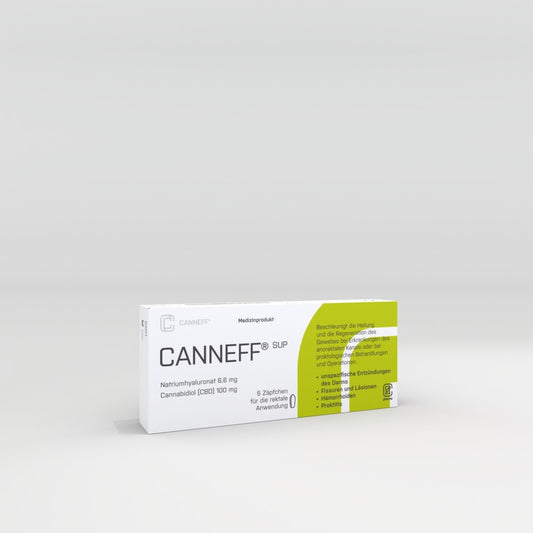
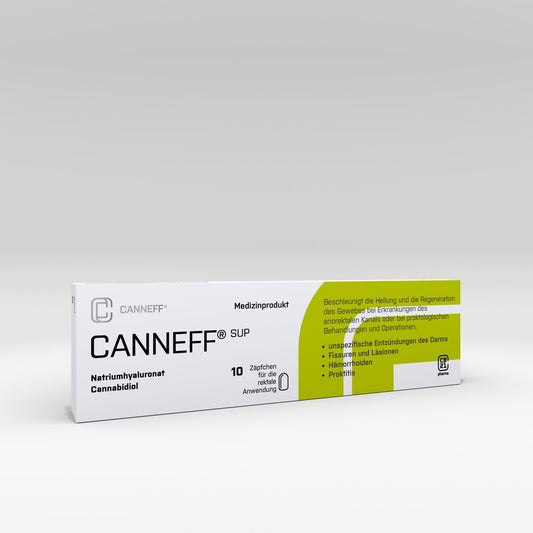
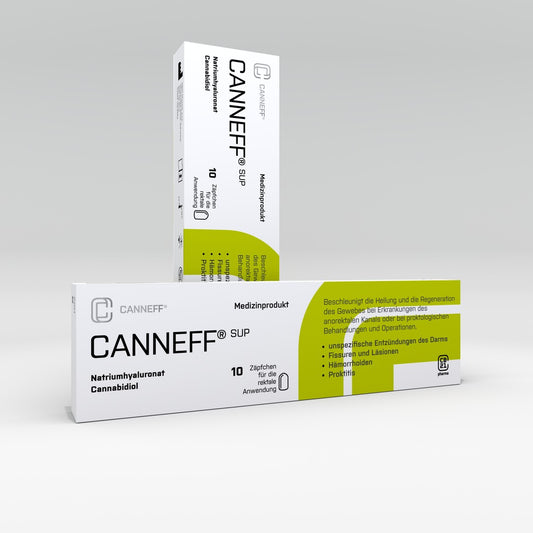
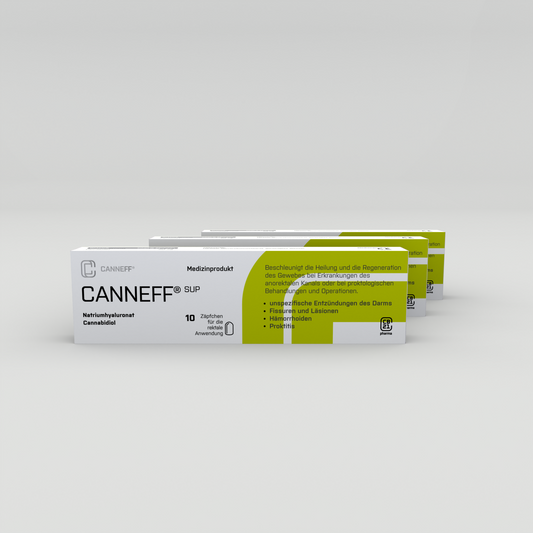
After the surgical treatment of an anal fistula, careful wound care is very important for follow-up treatment. This includes, for example, sitz baths and rinses with disinfectant solutions such as ethacridine. After a surgical procedure aimed at removing the fistula tract while preserving the sphincter muscle, aftercare plays an essential role. There are treatment options such as CANNEFF® SUP suppositories that can help relieve the symptoms of anal fistula and also promote the healing process after colorectal surgery. Read more about this topic here Anal fistula treatment suppositoriesAlso find information here on how to prevent the risk of a recurring anal fistula.
What happens if an anal fistula is not treated?
If an anal fistula is left untreated, there is a risk that it will enlarge and become a chronic anal fistula. In extreme cases, loss of bowel control may even occur. The earlier a fistula is treated, the better the chances of healing. If left untreated, an anal fistula can continue to expand, damage the sphincter muscles, and cause long-term fecal incontinence. Inflammation of the proctodeal glands, which leads to the formation of fistulas, affects your health and body. Chronic anal fistulas cause pain and problems during bowel movements. Conditions such as constipation from withholding stool due to pain, the formation of an anal abscess, and inflammation of the anal fistula up to sepsis can also result. Read more here about the causes of anal fistulas.
Does health insurance cover the costs for the treatment of anal fistulas?
As a rule, health insurance covers the costs for the treatment of anal fistulas, including diagnosis, surgery, and follow-up care. However, it should be noted that the exact services and conditions may vary depending on the insurance provider and your home country.