

Which diet protects against anal fissures?
The right diet is crucial for the healing and prevention of anal fissures. A fiber-rich diet keeps stools soft and reduces the risk of mucous membrane injuries such as an anal fissure. Adequate fluid intake supports smooth digestion and prevents constipation. Additionally, anti-inflammatory foods contribute to mucous membrane regeneration and promote the healing process.
Fiber and fluids: The right diet for soft stools
A soft stool is the key to preventing and healing anal fissures. Fiber-rich foods combined with adequate fluid intake help keep the stool soft and avoid excessive straining during bowel movements. Recommended fiber-rich foods are:
-
Whole grain products (oats, flaxseeds, psyllium husks)
-
Fruits with skin (apples, pears, plums)
-
Vegetables (carrots, broccoli, zucchini)
-
Legumes (lentils, beans, chickpeas)
Additionally, adequate fluid intake is essential so that fiber can swell in the intestines and exert its effect. Ideally, at least 2 liters of water or unsweetened herbal teas should be consumed daily.
Which foods promote the healing of an anal fissure?
Certain foods can accelerate the healing process of an anal fissure. Especially anti-inflammatory nutrients, omega-3 fatty acids, and probiotic foods support mucous membrane regeneration and promote healthy digestion. Recommended are:
-
Omega-3 fatty acids (Flaxseed oil, walnuts, chia seeds) – have anti-inflammatory effects
-
Vitamin C-rich foods (Citrus fruits, bell peppers, cabbage) – promote collagen formation
-
Zinc-rich foods (Nuts, oats, pumpkin seeds) – support skin renewal
-
Probiotic foods (Yogurt, sauerkraut, kefir) – strengthen the gut flora and regulate digestion
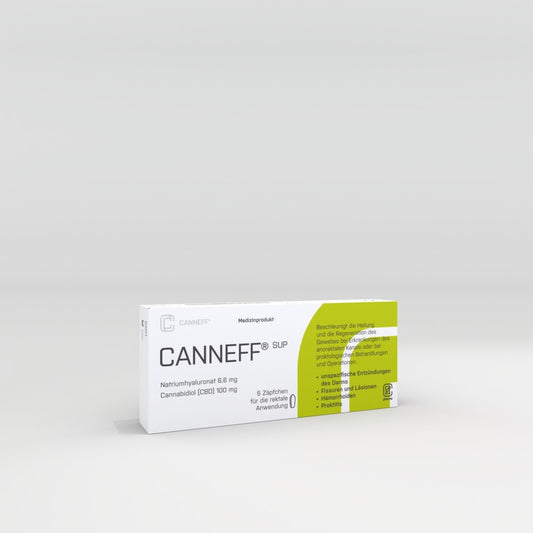
CANNEFF® SUP suppositories with CBD and hyaluronic acid can additionally soothe and regenerate the mucous membrane. Read more here about the treatment of an anal fissure, or also about the treatment of an anal fissure with suppositories.
What should you not eat with anal fissures?
Some foods can slow down or even worsen the healing process. Highly processed, low-fiber, or irritating foods such as spicy seasonings and caffeinated drinks can irritate the mucous membrane and should therefore be avoided. The following foods should be reduced or avoided:
-
Refined flour products (Toast bread, croissants, cookies) – can promote constipation
-
Spicy seasonings (Chili, pepper, mustard) – irritate the mucous membrane and can increase burning
-
Coffee, alcohol & carbonated drinks – can disrupt bowel activity
-
Red meat & fatty foods – hard to digest, increase the risk of hard stools
-
Dairy products in large amounts – can slow digestion in some people
Home remedies vs. nutrition: What works more sustainably?
Home remedies for treating an anal fissure, such as sitz baths or natural ointments, relieve acute symptoms of an anal fissure, but are usually not a long-term solution. A targeted dietary change, on the other hand, ensures that the stool remains soft permanently and fissures do not develop in the first place. A combination of both is ideal:
Nutrition: Sustainable effect through soft stool and anti-inflammatory foods
Home remedies: Acute relief through sitz baths, creams, and herbal preparations such as CANNEFF® SUP
Probiotics and gut health: How they can prevent anal fissures
A healthy gut flora supports digestion and helps prevent constipation and diarrhea – both risk factors for anal fissures. Probiotics (good bacteria) improve the gut environment and should be regularly included in the diet:
-
Natural probiotics: Yogurt, kefir, sauerkraut, kimchi
-
Prebiotic foods (food for good gut bacteria): Onions, garlic, bananas, artichokes
-
Probiotic supplements: An option for recurring digestive problems
Bland diet or high-fiber? The best diet for anal fissures
In cases of acute anal fissure symptoms, a light bland diet can relieve the gut, but in the long run, a high-fiber diet is the best way to regulate bowel movements and prevent anal fissures. The best diet depends on the individual symptoms. This means:
✔ Easily digestible foods like carrots, potatoes, zucchini, rice
✔ Lean poultry or fish
✔ Mildly seasoned dishes
In the long term, however, a high-fiber diet are key to ensuring regular, soft bowel movements.
Nutrition plans for optimal digestion and sphincter function
A targeted diet can not only improve digestion but also support the function of the sphincter muscle. A well-thought-out nutrition plan helps maintain a soft stool consistency and promotes the healing of an anal fissure. A carefully planned diet can help relax the sphincter muscle and speed up healing. Here is an example of an optimized daily nutrition plan:
|
Meal |
Foods |
Effect |
|
Breakfast |
Oatmeal with flaxseed, banana & yogurt |
Fiber & probiotics for gut health |
|
Snack |
Handful of walnuts & an apple |
Omega-3 fatty acids and vitamin C for healing |
|
Lunch |
Lentil soup with whole grain bread & steamed vegetables |
Protein, fiber & minerals for bowel movements |
|
Snack |
Carrot sticks with hummus |
Easily digestible, rich in antioxidants |
|
Dinner |
Steamed fish with quinoa & spinach |
Omega-3 fatty acids & magnesium for muscle relaxation |
|
Before bedtime |
Chamomile tea |
Anti-inflammatory & soothing for the gut |
Which nutrients help the mucous membrane heal?
The mucous membrane in the anal area requires certain nutrients to regenerate quickly and efficiently. Zinc, vitamin C, omega-3 fatty acids, and hyaluronic acid can accelerate healing and reduce inflammation. The mucous membrane in the anal area needs specific nutrients to regenerate:
-
Zinc (pumpkin seeds, oats) – Supports wound healing
-
Vitamin C (citrus fruits, bell peppers) – Promotes collagen formation for healthy skin
-
Omega-3 fatty acids (flaxseed oil, chia seeds) – Anti-inflammatory
-
Hyaluronic acid (e.g., in CANNEFF® SUP) – Supports mucous membrane regeneration
Long-term dietary change against recurring anal fissures
To avoid recurring anal fissures, a permanent adjustment of the diet is necessary. A long-term nutritional strategy with healthy fats, sufficient fiber, and anti-inflammatory foods can significantly reduce the risk of a new fissure. A healthy diet is the best protection against recurring fissures. It requires a long-term change:
-
High-fiber diet – Keeps stool soft and promotes gut health
-
Adequate hydration – At least 2 liters per day
-
Healthy fats (Omega-3 fatty acids) – Reduces inflammation
-
Regular exercise – Supports digestion
-
Avoid highly processed foods – Reduces the risk of constipation
-
CANNEFF® SUP as supportive therapy – Promotes mucous membrane regeneration
With a long-term nutritional strategy, anal fissures can be effectively prevented and healed. Find more information here about the causes of an anal fissure, or directly about the prevention of anal fissures. In this blog post, we also provide comprehensive information on the measures you can take to accelerate the healing process of an anal fissure.