

What are the causes of hot flashes with symptoms like sweating during menopause?
The menopause are a natural phase in every woman's life, during which profound hormonal changes occur. These changes can cause a Variety of symptoms cause, with hot flashes and sweating being among the most common and unpleasant symptoms. In this article, you will learn more about the causes, course, and possible treatment approaches for hot flashes and sweating during menopause.
Hot flashes and sweating are caused by hormonal fluctuations that occur during menopause. In particular, the declining estrogen levels affect the temperature regulation center in the brain, the hypothalamus. These hormonal changes can lead to a misregulation of body temperature, causing even slight temperature changes to trigger sudden sensations of heat. The body responds by dilating blood vessels and increasing blood flow to the skin, which leads to redness and a rise in skin temperature. After the hot flash, chills may occur as the core body temperature drops.
What frequency and intensity do hot flashes have during menopause?
The intensity and frequency of hot flashes vary greatly from woman to woman. While some women experience hot flashes only occasionally, others can be affected up to twenty times a day. On average, women report four to five hot flashes per day, with durations ranging from a few seconds up to 60 minutes. Accompanying hot flashes, palpitations, dizziness, and skin redness can also occur. Studies have shown that about 75 to 85 percent of women in the Menopause experience hot flashes. These often begin before the end of menstruation and can last an average of 7.5 years, in some cases even over ten years.
When should a doctor be consulted?
Although hot flashes and sweating occur during menopause are usually harmless, they can be very distressing for those affected and can also lead to sleep problems. A doctor's visit is advisable if the symptoms significantly impair quality of life or if it is unclear whether menopause is actually the cause. A gynecologist can clarify through a gynecological examination and, if necessary, a blood test whether menopause is the cause or if other factors, such as hyperthyroidism or hormone-producing tumors, are present.
How are hot flashes diagnosed during menopause?
The diagnosis of hot flashes in the Menopause is primarily based on the symptoms and the patient's medical history. A comprehensive conversation with the doctor is the first step to determine the causes of the complaints.
Medical history
The doctor will first take a detailed medical history. This will cover when the hot flashes began, how often and how severe they are, whether they are accompanied by other symptoms, and the patient’s overall health status.
Clinical examination
A physical examination can help rule out other possible causes of hot flashes. This usually includes a gynecological examination, during which the patient’s general health condition is also assessed. This way, many Menopause symptoms are thoroughly examined and possibly also diseases or Infections diagnosed early.
Blood tests
A blood test can provide indications as to whether a woman is in Menopause is performed. The levels of female sex hormones (estrogen and progesterone) are measured. If hyperthyroidism, which can also cause hot flashes, is suspected, thyroid hormones are additionally checked.
Exclusion of other causes
Hot flashes can also be triggered by other diseases or life circumstances. If hyperthyroidism, hormone-producing tumors, or other conditions are suspected, further specific examinations may be necessary. These can include allergy tests, imaging procedures such as computed tomography (CT) or magnetic resonance imaging (MRI), and gastrointestinal tract examinations.
Allergy tests
If an allergy is suspected as the cause of hot flashes, specific allergy tests can be performed to investigate this possibility.
Further specialist examinations
In some cases, a referral to a specialist may be necessary, such as to an endocrinologist if hormonal disorders are suspected or to an oncologist if a hormone-producing tumor is suspected.
What treatment options and preventive measures are available for hot flashes during menopause?
Hormone therapy
There are various approaches to treating hot flashes. One option is hormone replacement therapy (HRT), which can be very effective, especially for severe symptoms. Preparations containing estrogen can significantly reduce hot flashes and sweating episodes while also lowering the risk of age-related diseases such as osteoporosis or cardiovascular diseases.

Non-hormonal therapy
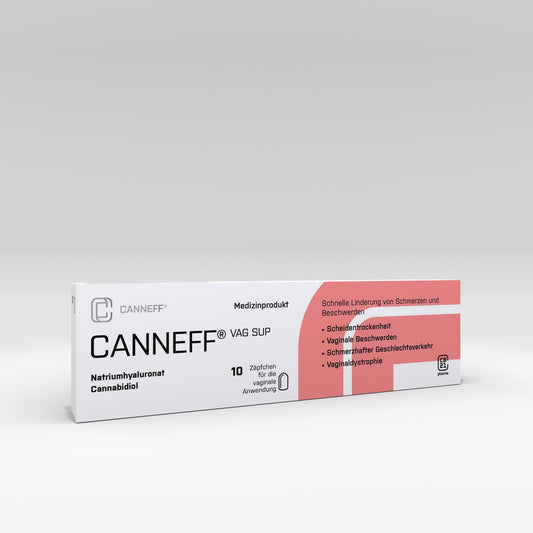
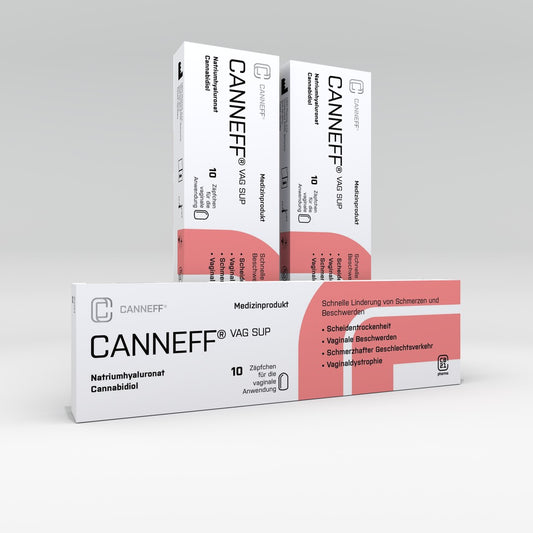
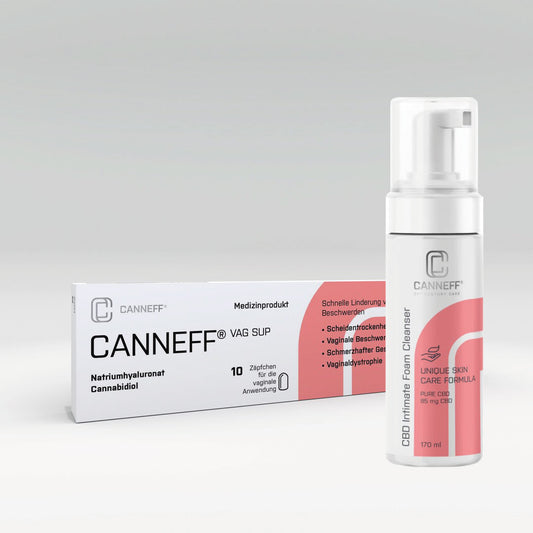
In addition to hormone replacement therapy, there are also numerous non-hormonal measures that can provide relief. These include herbal preparations such as sage, black cohosh, red clover, soy, or yarrow, which show positive effects in many women. Physical therapies like peat baths, contrast showers, or acupuncture can also help alleviate symptoms. Daily use of CANNEFF VAG SUP vaginal suppositories with CBD and hyaluronic acid studies have already shown a significant improvement in physiological symptoms of menopause, including hot flashes, insomnia, nervousness, concentration difficulties, memory problems, and depressive moods after just one month.
The following measures can help prevent hot flashes and heavy sweating during menopause:
- Avoid stress and psychological strain.
- Keep the room temperature comfortably cool, especially in the bedroom.
- Reduce caffeine and alcohol consumption.
- Avoid spicy foods and hot drinks.
- Pay attention to a healthy and balanced diet rich in vitamins and magnesium.
- Exercise regularly and move daily, ideally outdoors.
- Wear airy clothing and prefer textiles made from natural fibers such as cotton, linen, or silk.
Lifestyle and attitude during menopause
The menopause mark a time of change, not only physically but also emotionally and personally. Many women experience hot flashes and other Menopausal symptoms not taboo but face it openly. A conscious lifestyle and a positive attitude can help accept this phase as a natural part of life and feel good during it. It is important to take your own needs seriously and seek support if necessary, whether through medical advice or by sharing experiences with others affected.
What dietary recommendations are there for hot flashes during menopause?
A balanced and vitamin-rich diet can play a crucial role in relieving hot flashes and sweating during menopause play a role. A healthy diet not only helps to ease symptoms but also supports overall well-being and health.
Important nutrition tips:
Magnesium-rich foods
Magnesium can help calm the nervous system and relax muscles, which may alleviate hot flashes. Magnesium-rich foods include nuts, seeds, green leafy vegetables, whole grains, legumes, and cocoa. For example, a cup of cocoa can have a soothing effect.
Phytoestrogens
Foods containing phytoestrogens can have a positive effect on hormone balance. These plant compounds have a structure similar to the female hormone estrogen and can help balance the declining estrogen levels during menopause. Good sources of phytoestrogens include soy products (such as tofu and soy milk), flaxseeds, legumes, red clover, and whole grain products.
Vitamin-rich diet
A diet rich in vitamins, especially vitamin E, can alleviate menopausal symptoms. Vitamin E is found in nuts, seeds, vegetable oils (such as wheat germ oil), and green leafy vegetables. Fruits and vegetables should also be included in sufficient amounts in the diet to supply the body with necessary micronutrients.
Hydration
Adequate hydration is essential as it helps regulate body temperature. Water is the best choice, but unsweetened herbal teas can also have a soothing effect. Alcohol and caffeinated drinks should be reduced as they can intensify hot flashes.
Avoiding triggers
Some foods and drinks can trigger or worsen hot flashes. These include spicy foods, hot beverages, alcohol, and caffeine. Women going through menopause should avoid such triggers as much as possible or reduce their consumption.
Overall, hot flashes and sweating during menopause unpleasant but not dangerous. With the right measures and a positive attitude, most women can get through this time well and emerge stronger.
Summary of hot flashes and sweating during menopause
Hot flashes and sweating are common and often distressing companions of menopause. These symptoms result from hormonal changes in the female body that affect temperature regulation. Although unpleasant, hot flashes are usually harmless and disappear on their own after some time. The duration and intensity of these symptoms vary greatly from woman to woman, and not every affected woman experiences them equally.
A thorough diagnosis by a doctor is important to ensure that menopause is indeed the cause of hot flashes and to rule out other possible causes. Blood tests and specific examinations can provide clarity.
There are numerous approaches to relieve the symptoms, ranging from hormonal therapies to herbal remedies and lifestyle adjustments. A healthy and balanced diet, regular exercise, and avoiding known triggers such as alcohol, caffeine, and spicy foods can help alleviate symptoms. Women should not hesitate to seek medical support and explore various treatment options to maintain their quality of life.
Overall, the menopause also the opportunity to engage more deeply with their own health and lifestyle. With a positive attitude and the right approach to Symptoms Women can go through this phase of life confidently and empowered. Menopause is a natural part of life, and with the right knowledge and appropriate support, the associated challenges can be well managed.