

How do symptoms of inner restlessness or nervousness manifest during menopause?
Inner restlessness and nervousness are common accompanying symptoms of the menopause and can affect both mental and physical health. The hormonal changes women go through during this phase of life often lead to a variety of symptoms that can significantly impact emotional and physical well-being. The complaints manifest individually and in many ways: psychologically, inner restlessness can appear as nervousness, irritability, or concentration difficulties, while on the physical level symptoms such as racing heart, trembling, or sleep disturbances may occur. These symptoms affect not only the women themselves but also their environment, as behavioral changes like increased stress levels or withdrawal from social activities can heavily burden daily life. The following sections explain the most common psychological and physical signs of inner restlessness during menopause and their effects.
Psychological symptoms of inner restlessness and nervousness during menopause
Impatience: Those affected often have trouble staying calm and feel a constant inner drive.
Nervousness: A feeling of restlessness or inner tension that can occur without a clear trigger.
Irritability: Increased irritability and lower tolerance for everyday situations.
Concentration difficulties: Difficulty focusing or sticking to a task because thoughts keep racing.
Racing thoughts: Those affected often feel mentally stuck and unable to calm down.
Anxiety: Sudden, diffuse feelings of fear not directly linked to a specific situation.
Physical symptoms of inner restlessness and nervousness during menopause
Trembling: A slight trembling or shaking, especially in the hands, may occur.
Racing heart or palpitations: Women often feel a rapid heartbeat without any physical exertion.
Sweating outbreaks: Especially at night, hot flashes and sweating can occur, which increase the feeling of restlessness.
Muscle tension: Tension, especially in the neck and shoulder area, can occur, which further intensifies the feeling of inner tension.
Headaches: Nervousness and inner tension can lead to frequent headaches.
Sleep disturbances: Problems falling asleep and staying asleep: Inner restlessness can lead to sleep disturbances, which in turn worsen the symptoms because the body and mind do not get sufficient rest.
Behavior in everyday life with inner restlessness and nervousness during menopause
Overstimulation: Many women report being more quickly overwhelmed by external stimuli and having difficulty processing them.
Changed social behavior: Those affected tend to withdraw more often or react overly emotionally to everyday situations.
Loss of self-confidence: Due to constant restlessness and nervousness, self-confidence can decrease, and simple tasks may seem like insurmountable challenges.
What are the causes of inner restlessness and nervousness during menopause?
The causes of inner restlessness and nervousness during menopause are varied and often complex, but mostly hormone-related. Here are the main reasons:
Hormonal changes:
Estrogen and progesterone levels:
The declining estrogen levels and fluctuations in progesterone cause an imbalance that affects the production of neurotransmitters in the brain. These neurotransmitters regulate well-being and emotional stability, among other things.
Follicle-stimulating hormone (FSH):
The increased release of FSH by the pituitary gland to compensate for declining sex hormones can also lead to an imbalance that intensifies nervousness and inner restlessness.
Sleep disturbances:
Hormonal complaints such as hot flashes and night sweats lead to sleep disturbances, which increase stress levels and strain the nervous system.
Psychological stress:
Fears: Awareness of the natural aging process, the end of fertility, and possible changes in the body lead to insecurity and anxiety.
Life changes: Personal and professional upheavals or new challenges that can occur during this phase of life also have a stressful impact.
Stress: Overload of the natural stimulus filtering system due to increased stress can cause even everyday tasks to seem overwhelming. This often leads to a vicious cycle of growing inner restlessness and nervousness.
These causes show that hormonal and psychological factors are closely linked and influence inner restlessness and nervousness during menopause on multiple levels.

How common are nervousness and inner restlessness during menopause?
Nervousness and inner restlessness are common symptoms during menopause. It is estimated that about two-thirds of all women experience psychological symptoms such as inner restlessness, nervousness, or irritability during the menopause. These symptoms especially occur in the premenopause (the phase before menstruation completely stops), as hormonal fluctuations are most intense during this time.
In postmenopause (after menstruation has completely stopped), these symptoms decrease for many women. At this point, only about a quarter of women report ongoing nervousness or restlessness. However, the intensity and frequency of these symptoms can vary greatly and depend on individual factors such as genetic predispositions, lifestyle, stress management, and overall health conditions.
When should a doctor be consulted for nervousness during menopause?
A doctor should be consulted for nervousness and inner restlessness during menopause if:
The symptoms persist for a longer time: When nervousness and inner restlessness last for an extended period and do not improve on their own.
Significantly affects daily life: When the symptoms disrupt daily life, e.g., through sleep problems, concentration difficulties, or challenges in managing everyday tasks.
Severe physical accompanying symptoms occur: Symptoms such as heart palpitations, trembling, excessive sweating, or breathing difficulties can be a sign that a thorough medical examination is necessary to rule out other possible causes.
Psychological stress increases: If depressive moods, strong irritability, panic attacks, or anxiety occur that are difficult to manage, it is advisable to seek professional help.
Self-help measures do not help: If relaxation techniques, exercise, or other measures are not enough to relieve inner restlessness, a doctor may consider further treatment options such as hormone therapy or herbal preparations.
It is important not to ignore the symptoms, especially if they significantly affect quality of life. An early visit to the doctor can help find individual solutions and better manage the complaints.
How is inner restlessness or nervousness diagnosed during menopause?
The diagnosis of inner restlessness or nervousness during menopause is usually made through a combination of medical history, physical examinations, and possibly hormonal tests. The process typically looks like this:
Medical history (conversation with the doctor):
The doctor will take a detailed medical history to understand the symptoms, their frequency and duration, as well as possible triggers. Further menopause symptoms such as hot flashes, sleep disturbances, or mood swings will be inquired about. Psychological stress, stress factors, and life circumstances are also discussed to better understand the cause of inner restlessness.
Exclusion of other causes:
Since inner restlessness and nervousness can also be caused by other health issues, the doctor may ask about previous illnesses or existing health complaints. Thyroid problems (e.g., hyperthyroidism) or cardiovascular diseases can cause similar symptoms and should be ruled out. A physical examination may be conducted to ensure that no other medical causes are present.
Hormonal tests:
If hormonal changes are suspected to be the cause of inner restlessness, blood tests can be ordered to check levels of hormones such as estrogen, progesterone, and follicle-stimulating hormone (FSH). These values provide information about the stage of the menopause the patient is in.
Psychological evaluation: If psychological symptoms such as anxiety or depressive moods are predominant, a psychological evaluation can be helpful to get a more accurate assessment of mental health. In some cases, a referral to a psychologist or psychotherapist may be considered. Together with this information, the doctor will be able to make a targeted diagnosis and suggest appropriate treatment measures.
What treatment options and preventive measures are available for inner restlessness or nervousness during menopause?
There are various treatment options and preventive measures to relieve inner restlessness and nervousness during menopause. These range from natural approaches to medical treatments and include physical, psychological, and hormonal methods.
Natural approaches and lifestyle changes
Relaxation techniques: Methods like meditation, autogenic training, yoga, tai chi, or breathing exercises can help calm the nervous system and reduce stress.
Exercise and sports: Regular physical activity such as walking, jogging, swimming, or cycling improves mood and reduces tension. Exercise increases the production of endorphins, the so-called "happy hormones."
Sleep hygiene: A healthy sleep routine is important to reduce inner restlessness. Regular bedtimes, a quiet environment, and avoiding electronic devices before bedtime contribute to better sleep quality.
Nutrition: A balanced diet with plenty of fresh fruits, vegetables, and whole grains can support emotional balance. Foods rich in magnesium (nuts, seeds) and omega-3 fatty acids (fatty fish, flaxseeds) are especially helpful.
Avoidance of stimulants: Consuming caffeine, nicotine, and alcohol can increase nervousness and inner restlessness. Avoiding or reducing these substances can help relieve the nervous system.
Herbal and homeopathic remedies
Medicinal herbs: Lavender, lemon balm, valerian, and passionflower have a calming effect and help relieve inner restlessness. They are available as teas, tinctures, or tablets.
St. John's Wort: St. John's Wort is known for its mood-enhancing effects and is often used for mild depressive moods.
Homeopathy: There are various homeopathic remedies that can be tailored to individual symptoms, such as Sepia or Ignatia for emotional restlessness.
Hormone therapy (HRT)
Hormone replacement therapy (HRT) can be considered if symptoms are severe and related to hormonal changes.
Estrogen preparations: These help stabilize estrogen levels and thereby reduce emotional fluctuations.
Progesterone: Can be used additionally to restore hormonal balance.
The decision for HRT should be made in consultation with a doctor, as it carries both benefits and risks.
Psychological support
Talk therapy: Psychotherapeutic treatment or conversations with a psychologist or psychotherapist can help manage the emotional challenges of menopause. Cognitive Behavioral Therapy (CBT) is often recommended to change negative thought patterns.
Group therapy or self-help groups: Sharing experiences with other women going through similar situations can also be very helpful and reduce feelings of isolation.
Medication treatment
In severe cases, when herbal or hormonal approaches are insufficient, medications such as antidepressants or anxiolytics (anti-anxiety drugs) may be considered. However, these should only be used after medical consultation.
Preventive measures
Early information and education: Women who inform themselves early about the physical and psychological changes of menopause can better prepare for the symptoms and respond to them with less fear.
Stress management: Developing stress management techniques before menopause can help reduce the intensity of inner restlessness during this phase.
Healthy habits: A healthy lifestyle with plenty of exercise, adequate sleep, and good nutrition supports the body and mind in better coping with hormonal changes.
What lifestyle and attitude towards nervousness during menopause?
A healthy lifestyle and a positive attitude can significantly help alleviate nervousness and inner restlessness during menopause. Here are some essential aspects:
Movement and physical activity
Regular exercise helps reduce stress and promote emotional balance. Physical activity stimulates the production of endorphins, which have mood-enhancing effects and can reduce nervousness. Endurance sports such as swimming, cycling, or walking are ideal to support circulation and simultaneously relieve tension. Yoga and Pilates promote both physical and mental relaxation and can specifically target inner restlessness.
Healthy nutrition
A balanced diet with sufficient vitamins, minerals, and omega-3 fatty acids helps strengthen the nerves.
Stress management and relaxation techniques
Relaxation techniques such as meditation, autogenic training, or breathing exercises can help calm the mind and reduce inner tension.
Mindfulness: Mindfulness exercises promote awareness of the moment and prevent thoughts from constantly revolving around stress and restlessness. Regular breaks and downtime in daily life are important to physically and mentally recover.
Healthy sleep
A regular sleep rhythm is crucial to reduce nervousness and tension. Sleep disorders are common during menopause, so it is important to maintain good sleep hygiene:
- Create a quiet, dark, and relaxing sleep environment.
- Avoid screen work and intense activities before going to bed.
Positive attitude and acceptance
Acceptance of menopause: The hormonal changes during menopause are a natural process. Being aware that physical and emotional changes are normal can help reduce nervousness.
Realistic expectations: It is important to recognize that the body and life circumstances change, and to be patient with yourself. This can reduce the pressure to find immediate solutions.
Open communication: Talk to your partner, friends, or a trusted circle about your feelings. This creates understanding and makes it easier to cope with emotional challenges.
Self-care and enjoyment
Wellness rituals such as relaxing baths, massages, or the so-called "forest bathing" (spending time in nature) can help calm the body and mind.
Time for hobbies: Activities that bring joy and focus attention on positive things have a positive effect on emotional balance.
Personal attitude toward aging
The attitude toward aging plays a crucial role in coping with menopause. Women who see this phase as a new chance to rediscover themselves and take time for personal development often experience less nervousness and tension. See this time as an opportunity to develop new interests, deepen relationships, and focus on yourself.

What dietary recommendations are there for inner restlessness during menopause?
With inner restlessness during menopause, a balanced diet can play an important role in promoting emotional balance and alleviating symptoms like nervousness. Here are some key dietary recommendations:
Magnesium-rich foods
Magnesium is important for muscle relaxation and the nervous system. It can help reduce nervousness and tension.
Food sources: Nuts, seeds, green leafy vegetables (e.g., spinach), whole grain products, and legumes.
Omega-3 fatty acids
Omega-3 fatty acids support brain function and have mood-enhancing effects, which can be especially helpful for mood swings and inner restlessness.
Food sources: Fatty fish (e.g., salmon, mackerel), flaxseeds, chia seeds, walnuts.
Vitamin B complex
B vitamins, especially vitamin B6 and vitamin B12, play an important role in mental health and can help reduce stress and nervousness.
Food sources: Poultry, eggs, dairy products, green vegetables, whole grain products.
Tryptophan-rich foods
Tryptophan is an amino acid that contributes to the production of serotonin, the "happiness hormone." Serotonin promotes relaxation and well-being.
Food sources: Legumes, nuts, seeds, bananas, turkey meat, oats.
Phytoestrogens
Phytoestrogens are plant compounds that act similarly to estrogen in the body and can help balance hormonal fluctuations.
Food sources: Soy products (tofu, tempeh), flaxseeds, chickpeas, lentils, sunflower seeds.
Calcium-rich foods
Calcium is not only important for bone health but also supports the nervous system and can help reduce nervous conditions.
Food sources: Dairy products, almonds, green leafy vegetables, sesame seeds.
Antioxidant-rich foods
Antioxidants like vitamin C and vitamin E protect cells and can help reduce oxidative stress factors that increase inner restlessness.
Food sources: Berries, citrus fruits, bell peppers, nuts, sweet potatoes, broccoli.
Avoidance of stimulants
Caffeine, sugar, and alcohol can stimulate the nervous system and worsen inner restlessness and sleep problems. Therefore, it is advisable to reduce or avoid these substances, especially in the afternoon and evening.
Hydration
Adequate hydration is essential to nourish the body and mind well. Dehydration can impair well-being and increase restlessness.
Recommended drinks: Water, herbal teas (e.g., lemon balm, chamomile, lavender), and unsweetened beverages.
Foods with a low glycemic index (GI)
A stable blood sugar curve helps prevent nervousness. Foods with a low GI release sugar more slowly, preventing blood sugar fluctuations often associated with inner restlessness and irritability.
Food sources: Whole grains, legumes, quinoa, oats.
Avoidance of highly processed foods
Highly processed foods and those high in sugar or fat can cause energy fluctuations and increase nervousness. It is better to rely on natural, fresh foods rich in nutrients.

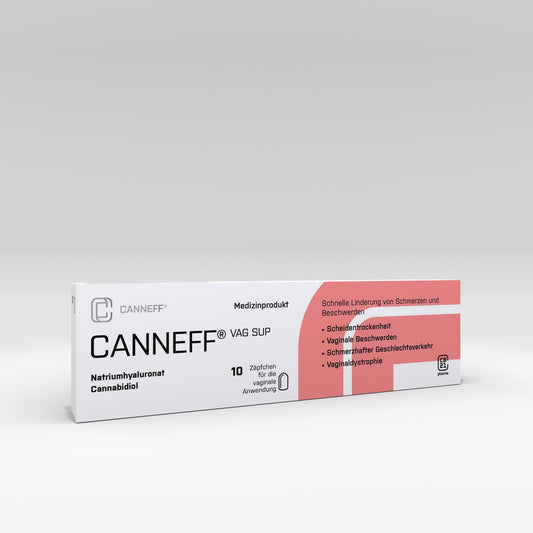
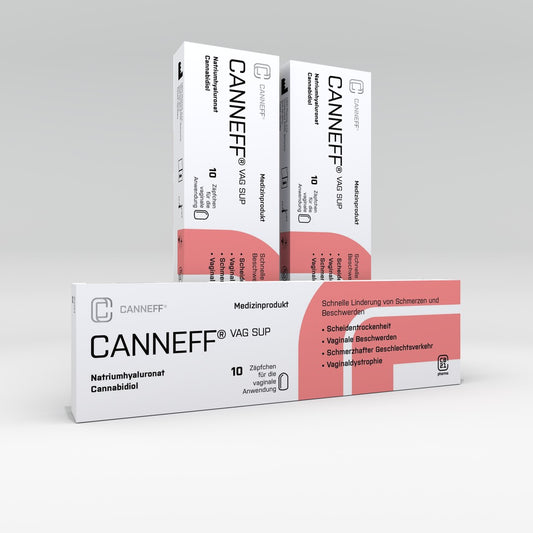
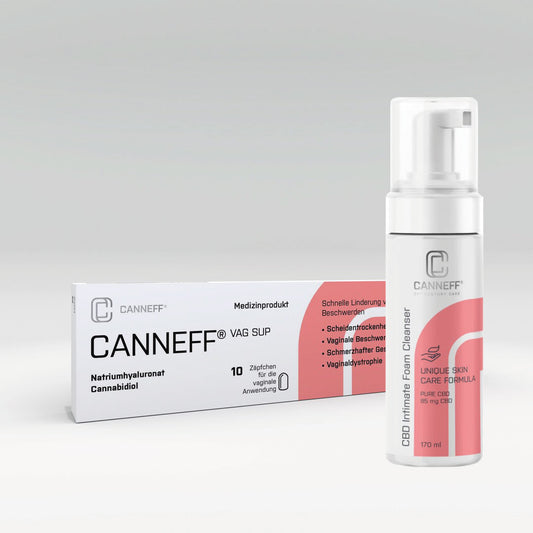
How can CANNEFF VAG SUP CBD suppositories help with nervousness and inner restlessness during menopause?
The suppositories helped with nervousness and inner restlessness during menopause, based on the results of a clinical study with CANNEFF VAG SUP in menopausal women:
Significant reduction of menopause symptoms (MRS score):
In the study where a group was treated with CANNEFF VAG SUP suppositories, a significant improvement in menopause symptoms was observed. The MRS score (Menopausal Rating Scale), which measures symptoms such as hot flashes, depression, insomnia, memory and concentration problems, as well as nervousness, dropped from 16.0 to 8.0 points, while the placebo group only reached a score of 15 points. This reduction suggests that the CBD suppositories may help alleviate symptoms like nervousness and inner restlessness.
CBD (cannabidiol) has calming and anxiolytic properties. This could help women in menopause reduce their inner restlessness and nervousness by stabilizing the nervous system and supporting the body in responding better to stress.
Improved sleep quality and concentration:
Sleep disturbances and concentration problems are often closely linked to nervousness and inner restlessness. By improving sleep quality and reducing memory and concentration problems, CANNEFF suppositories indirectly help alleviate nervousness, as a balanced sleep-wake rhythm strengthens emotional well-being and reduces exhaustion and stress.
Increase in quality of life (MANSA score):
The study also found a moderate increase in the MANSA score (Manchester Short Assessment of Quality of Life) from 62.0 to 67.0. This suggests that not only physical symptoms such as vaginal dryness and pain during intercourse improved, but also psychosocial well-being and life satisfaction.
Better psychosocial functioning and a strengthened sense of self-confidence can lead to a reduction in nervousness and inner restlessness, as those affected feel more emotionally balanced and stable due to a higher quality of life.
The CANNEFF VAG SUP CBD suppositories with the combination of CBD and hyaluronic acid can be helpful in alleviating nervousness and inner restlessness during menopause, as they have been shown to significantly reduce physiological symptoms of menopause while improving quality of life and mental well-being. The anxiolytic and calming properties of CBD may help stabilize the nervous system and reduce stress, leading to increased emotional balance.
Overall, nervousness or inner restlessness during Menopause Unpleasant but not dangerous. With the right measures and a positive attitude, most women can get through this time well and emerge stronger.