

Why do joint pains frequently occur during menopause?
During menopause, the female body undergoes profound hormonal changes and a variety of symptoms. The decline in estrogen levels plays a crucial role in the development of joint pain. Estrogen has an anti-inflammatory effect and helps keep the joints flexible by supporting the fluid supply to the joints and surrounding tissue. When estrogen levels drop, the production of joint fluid decreases, making the joints more susceptible to complaints such as stiffness and pain.
Additionally, hormonal fluctuations cause the pain threshold to decrease, which can intensify the perception of joint pain during this life phase. Natural aging processes, such as cartilage wear, also contribute to women experiencing joint pain more frequently during menopause. However, other causes such as inflammation or diseases like osteoarthritis or arthritis should also be considered, which is why medical evaluation is important.
What role does estrogen deficiency play in the development of joint pain?
Estrogen deficiency during menopause is one of the main causes of joint complaints. Estrogen has several protective functions in the body, especially regarding joint health. It has anti-inflammatory effects and promotes blood circulation as well as the fluid supply to the joint cartilage and surrounding joint membranes. This fluid is essential to keep the joints supple and protect them from wear. As estrogen levels decline during menopause, the production of this joint fluid decreases, leading to increasing dryness and stiffness of the joints. This increases susceptibility to inflammation and cartilage tissue breakdown. At the same time, the connective tissue around the joints loses flexibility, placing additional strain on the joints.
Another aspect is that estrogen also directly affects pain perception. During menopause, when estrogen levels drop, less of the pain-relieving hormone is released. This can cause women to perceive pain more strongly and intensely than before.
How can you determine if joint pain is caused by menopause?
Joint pain during menopause is common, but to ensure it is caused by hormonal changes and not other factors, there are some signs women can watch for. An important indicator is the onset of pain alongside other typical menopausal symptoms, such as hot flashes, sleep disturbances, or nervousness.
Women who had no joint problems before menopause and suddenly experience joint pain should consider hormone deficiency as a possible cause. Stiffness or pain occurring especially in the morning or after periods of rest are characteristic of complaints caused by estrogen deficiency. To be sure that estrogen deficiency is the cause, the doctor can rule out other diseases such as osteoarthritis, rheumatism, or gout. In some cases, a short-term hormone replacement therapy is also used to test whether the pain was triggered by hormone deficiency. If joint pain decreases after taking estrogen, this is a clear sign that hormone deficiency plays a significant role.
A thorough medical history and, if necessary, a physical examination are essential to determine the exact cause of joint pain.
What treatment options are available for joint pain during menopause?
There are various approaches to treating joint pain during menopause, ranging from hormonal therapies to natural remedies. The choice of treatment depends on the severity of symptoms, overall health, and the individual preferences of the affected woman.
Hormone Replacement Therapy (HRT): Hormone replacement therapy is a proven method to relieve joint pain caused by estrogen deficiency. By supplying estrogen, the fluid supply to the joints can be improved and inflammation prevented. However, HRT also carries risks. The decision for or against HRT should therefore be made in consultation with a doctor.
Natural and Alternative Therapies: Many women prefer gentle alternatives to hormone replacement therapy. These include herbal preparations like devil’s claw or turmeric, which have anti-inflammatory properties. Supplements such as fish oil capsules or glucosamine can also support joint health.
Physiotherapy and exercise: Regular exercise is essential to keep joints flexible and reduce pain. Joint-friendly activities like yoga, swimming, or cycling are especially recommended. Physiotherapy can provide targeted exercises to strengthen the muscles around the joints, improving stability and relieving pain.
Pain relief through medication: In some cases, pain-relieving medications such as paracetamol or nonsteroidal anti-inflammatory drugs (NSAIDs) can be used to alleviate acute pain. These medications help reduce inflammation and control pain but should not be taken long-term without medical supervision.
Acupuncture and massages: Alternative medicine approaches such as acupuncture can also help relieve joint pain. Massages with essential oils like peppermint or rosemary oil are another gentle method to promote circulation and ease pain.
How can hormone replacement therapy relieve joint pain, and what risks are associated with it?
Hormone replacement therapy (HRT) is a common method to relieve joint pain during menopause, as it specifically compensates for estrogen deficiency. Estrogen plays a crucial role in maintaining healthy joints by supporting the lubrication of joint membranes and having anti-inflammatory effects. The decline in estrogen levels during menopause reduces this protective function, which can lead to stiffness and joint pain.
Taking estrogen as part of HRT can improve joint lubrication, increasing mobility and reducing inflammation. Women using HRT often report noticeable relief from joint pain, especially in heavily stressed joints like knees, hips, and fingers. The decision to use HRT should always be made individually. Women should weigh the benefits they might gain from HRT against the possible risks together with their doctor. Often, a low-dose HRT or a lower-risk application through the skin (e.g., patches or gels) is recommended to reduce the risk of side effects. Hormone replacement therapy is usually prescribed only for a limited time and regularly monitored by a doctor.
Which natural and alternative methods can help relieve pain?
In addition to conventional medical treatment, there are numerous natural and alternative approaches that women can use during menopause to relieve joint pain. These methods aim to reduce inflammation, improve joint mobility, and enhance overall well-being.
Nutrition: A balanced, anti-inflammatory diet can make a significant contribution to relieving joint pain. Foods like leafy greens (spinach, chard) and turmeric are rich in pain-relieving and anti-inflammatory substances. Omega-3 fatty acids found in fish and fish oil also help reduce inflammation. It is advisable to avoid sugar and saturated fats, as they can have pro-inflammatory effects.
Exercise: Joint-friendly activities such as yoga, Pilates, swimming, and walking help keep the joints moving without overloading them. Regular exercise promotes blood circulation and nutrient exchange in the joints, preventing stiffness and relieving pain.
Acupuncture: Acupuncture is an ancient Chinese healing method that helps many women relieve pain. By inserting needles at specific energy points in the body, the body's own pain regulation can be stimulated, which can lead to a significant reduction in joint pain.
Essential oils and massages: Massages with essential oils like peppermint or rosemary oil can relieve joint pain. Peppermint oil has cooling properties and soothes swollen and warm joints, while rosemary oil promotes blood circulation and relaxes stiff joints.
Herbal preparations: Herbal preparations such as devil's claw, nettle, and comfrey have anti-inflammatory properties and are often used to treat joint and muscle pain. These herbs can be used as tea, capsules, or ointments to relieve discomfort.
Heat and cold therapy: Depending on the type of pain, heat or cold applications can be helpful. Heat relaxes stiff muscles and promotes blood circulation, while cold reduces inflammation and swelling. Both methods can be easily applied at home to achieve short-term relief.
These natural methods offer a gentle and often well-tolerated alternative to medication, and many women find them especially helpful in easing their symptoms.
Which dietary habits help prevent or relieve joint pain?
A balanced, anti-inflammatory diet can significantly help relieve joint pain during menopause. Highly processed foods, sugar, saturated fats, and red meat can increase inflammatory processes in the body and should therefore be avoided or reduced. Certain nutrients support joint health and can reduce inflammation:
Omega-3 fatty acids: They have strong anti-inflammatory effects and are found in fatty fish like salmon, mackerel, as well as flaxseeds and walnuts. These fats help relieve joint inflammation.
Antioxidant-rich foods: Foods like leafy greens (e.g., spinach, chard), berries, turmeric, and ginger are rich in antioxidants that fight inflammation and improve joint protection.
Calcium and Vitamin D: These nutrients are essential for bone health. Calcium is found in dairy products, green vegetables, and almonds, while vitamin D can be obtained through sunlight or supplements. Both help reduce the risk of osteoporosis, which is often associated with joint pain.
What role does exercise play in relieving joint pain during menopause?
Regular, joint-friendly exercise is one of the most effective measures to relieve joint pain. Exercise promotes blood circulation in the joints, improves the production of joint fluid, and strengthens muscles, which reduces joint strain. Recommended activities include:
Yoga and Pilates: These exercises improve flexibility, muscle strength, and balance, which reduces stress on the joints and alleviates pain.
Swimming and cycling: These joint-friendly activities promote joint mobility without overloading them.
Walking: Regular walks contribute to overall health and strengthen the joints. Moderate exercise like walking also helps regulate body weight and relieve joint stress.
Additionally, it is important to monitor weight, as excess weight puts strain on the joints, especially in the knees and hips, and can lead to increased pain. Healthy weight loss therefore also helps relieve joint pain.

How long can joint pain last during menopause?
The duration of joint pain during menopause varies from woman to woman and depends on several factors, such as individual hormone balance, lifestyle, and possible comorbidities. Joint pain can begin already in perimenopause—the phase before actual menopause—and continue into postmenopause.
Typically, pain increases after menopause when estrogen levels have dropped significantly. Studies show that many women suffer from joint pain during the first years after menopause, with symptoms lasting on average 4 to 5 years. In some cases, the pain may persist longer, especially if no appropriate relief measures are taken. However, the pain may decrease over time as the body adjusts to the new hormone levels. Women who actively treat their symptoms through hormone replacement therapy or lifestyle changes (diet, exercise) often experience a significantly shorter duration of joint pain. It is important to note, however, that persistent or severe joint pain is not always solely related to menopause. If the pain lasts longer than usual or worsens, other causes such as osteoarthritis, arthritis, or osteoporosis should be medically evaluated.
When should you see a doctor for joint pain during menopause?
Although joint pain is common during menopause, there are certain signs indicating that medical help is needed.
Joint pain affecting daily life: If the pain is so intense that it limits mobility or daily quality of life, a medical examination is necessary.
Joint pain lasting for a longer period: Joint pain lasting several weeks or months that cannot be relieved by simple measures such as exercise or dietary changes should be evaluated by a doctor.
Inflammation symptoms: Swelling, redness, or warmth of the joints indicating inflammation should definitely be examined to rule out rheumatic diseases like arthritis or gout.
Joint pain at rest: Pain that worsens especially during rest periods or at night can be a sign of inflammatory diseases such as rheumatism or arthritis.
In case of fever or weight loss: Accompanying symptoms such as unintended weight loss, fever, or persistent fatigue may indicate more serious health problems that should be investigated.
Signs of osteoporosis: Women who have an increased risk of osteoporosis during menopause, especially with a family history or previous bone fractures, should have their joint and bone health regularly checked.
An early visit to the doctor can help determine the exact cause of joint pain and start appropriate therapy. Often, a combination of physical therapy, medication, and in some cases hormone replacement therapy is recommended to relieve symptoms and maintain joint health.

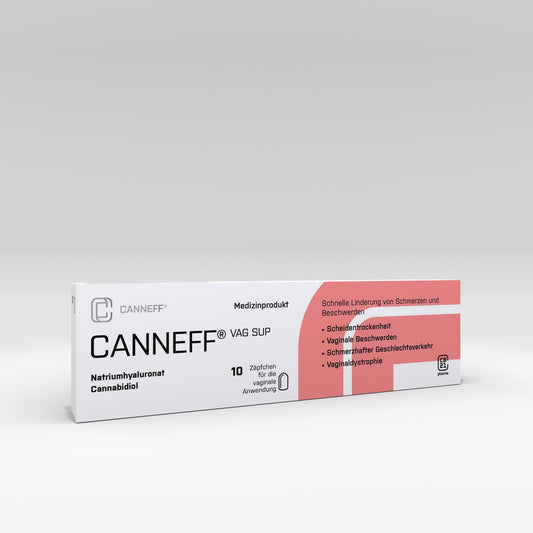
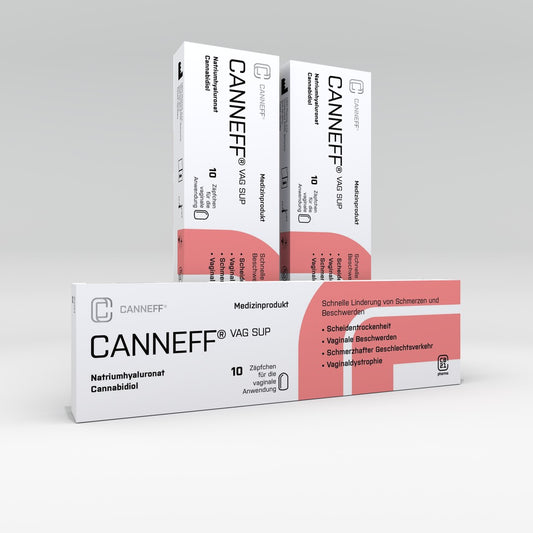
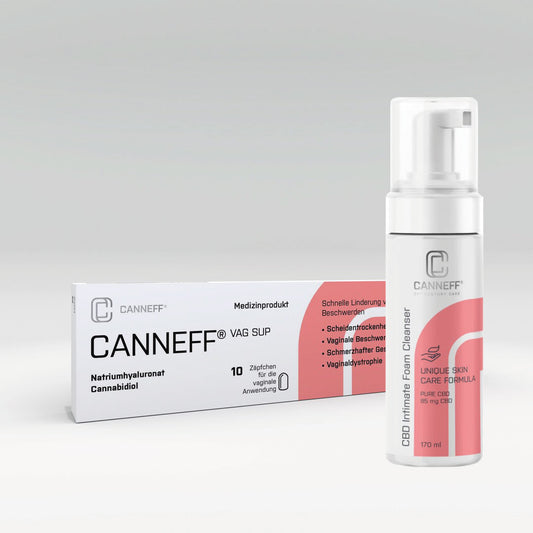
How can CANNEFF suppositories help with joint complaints during menopause?
A recent study has shown that women who used CANNEFF VAG SUP experienced a significant improvement in their menopausal complaints, including joint pain. The results were measured using the Menopause Rating Scale (MRS), which assesses a wide range of symptoms during menopause, such as hot flashes, insomnia, depression, memory problems, as well as bone and joint complaints.
There was a statistically significant decrease in MRS scores after the application of the suppositories, with values dropping from 16.0 to 8.0. This decrease indicates a clear reduction in menopausal symptoms. The treated symptoms included hot flashes, depressive moods, insomnia, memory and concentration problems, nervousness, as well as bone and joint complaints. The significant improvement in symptoms led to an increased well-being of the women who used CANNEFF VAG SUP.