

How does nutrition affect vaginal moisture?
Nutrition has a direct impact on the health of the vaginal mucosa and thus on vaginal moisture. A balanced, nutrient-rich diet not only supports overall well-being but also significantly contributes to the stability of hormonal balance and the function of the mucous membranes. Particularly important is the intake of vitamins, minerals, and unsaturated fatty acids, which provide moisture to the mucous membranes and promote cell regeneration.
A deficiency in certain nutrients, such as vitamins E, A, D, or omega-3 fatty acids, can lead to drier mucous membranes that are more susceptible to irritation, cracks, and inflammation. Insufficient fluid intake can also negatively affect vaginal moisture, as the mucous membranes rely on adequate hydration to remain elastic and well-moisturized. At the same time, excessive consumption of sugar, alcohol, and highly processed foods, as well as disturbed blood sugar levels, can impair the composition of the vaginal flora and increase the risk of vaginal dryness and infections.
Nutrition also indirectly affects hormone production—especially during menopause, when estrogen levels decline. Nutritional support of hormone balance through phytoestrogens (e.g., in soy, flaxseed, or legumes) can help counteract the hormonally induced decrease in vaginal moisture.
The following table provides an overview of beneficial and detrimental nutritional influences on vaginal moisture:
|
Nutritional influence |
Effect on vaginal moisture |
|
Adequate fluid intake |
Promote moisture of the mucous membranes |
|
Omega-3 fatty acids (e.g., flaxseed oil, fish) |
Strengthen cell membranes and mucous membrane structure |
|
Vitamins A, E, and D |
Support mucous membrane regeneration |
|
Phytoestrogens (e.g., soy, flaxseed) |
Support hormone balance during menopause |
|
Sugar-rich and highly processed foods |
Disrupts the vaginal flora and can promote dryness |
|
Excessive alcohol or caffeine consumption |
Can lead to drying of the mucous membranes |
A targeted diet can thus be an important part of the holistic treatment and prevention of vaginal dryness. For many women, this means a gentle way to stabilize vaginal health – especially in sensitive life phases like menopause or after childbirth.
Which foods promote a healthy vaginal environment?
Certain foods actively help keep the vaginal environment healthy by supplying the mucous membranes with important nutrients, supporting hormonal balance, and strengthening the vaginal flora. Especially during phases of hormonal changes – such as menopause, after childbirth, or during stress-related imbalances – the targeted selection of foods can help prevent dryness, irritation, and infections.
The most important foods that promote a healthy vaginal environment include fiber-rich, fermented, and nutrient-dense foods with a high content of vitamins, minerals, and secondary plant compounds. These support maintaining a stable pH value in the intimate area and promote the growth of beneficial lactic acid bacteria (lactobacilli), which play a central role in protecting against infections.
The following table provides an overview of recommended foods and their specific effects on the vaginal environment:
|
Food group |
Examples |
Effect on the vaginal environment |
|
Fermented products |
Yogurt with active cultures, kefir, sauerkraut |
Promote a stable vaginal flora through lactic acid bacteria |
|
Phytoestrogen-containing foods |
Soy products, flaxseeds, chickpeas |
Support estrogen levels and thus mucosal health |
|
Omega-3 fatty acids |
Flaxseed oil, chia seeds, fatty fish |
Improve the elasticity and moisture supply of the mucous membranes |
|
Vitamin E-rich foods |
Nuts, seeds, plant oils |
Protect the mucous membranes from drying out and free radicals |
|
Hydrating foods |
Cucumbers, melons, zucchini |
Support the moisture supply of the tissue |
|
Vitamin A sources |
Carrots, sweet potatoes, spinach |
Regenerate the mucosa and promote cell formation |
|
Zinc-rich foods |
Pumpkin seeds, oats, lentils |
Support the immune system of the mucosa |
|
Water |
Still or lightly mineralized |
Essential for good moisture of the vaginal mucosa |
A varied, plant-based, and as natural as possible diet is the foundation for a stable vaginal environment. At the same time, excessive sugar, alcohol, white flour products, and highly processed foods should be avoided, as they can disrupt the healthy flora of the vagina. It can be especially helpful to include fermented foods in the daily diet and to drink enough fluids – at least 1.5 to 2 liters of water per day.
Can omega-3 fatty acids relieve vaginal dryness?
Yes, omega-3 fatty acids can help alleviate the symptoms of vaginal dryness. These essential fatty acids play an important role in cell membrane stability, regulation of inflammatory processes, and moisturizing of mucous membranes – including the vaginal mucosa. Through their anti-inflammatory effect, omega-3 fatty acids help reduce irritation and micro-inflammation in the intimate area, which is especially beneficial for sensitive, dry vaginal skin.
Women suffering from vaginal dryness – for example, due to hormonal changes during menopause, breastfeeding, or anti-hormonal therapy – benefit from regular intake of these fatty acids through diet or supplements. Omega-3 fatty acids support moisture regulation in the tissue, improve the elasticity of the mucous membranes, and promote the regeneration of the vaginal epithelial layer.
The main sources of omega-3 fatty acids are:
|
Food |
Omega-3 fatty acid content and effects |
|
Linseed oil |
Especially rich in alpha-linolenic acid (ALA), improves cell structure |
|
Chia seeds |
Provide plant-based omega-3, support mucous membrane elasticity |
|
Walnuts |
Contain ALA, strengthen the immune system of the mucous membranes |
|
Fatty sea fish |
(e.g., salmon, mackerel, herring) provides EPA/DHA, has anti-inflammatory effects |
|
Algae oil |
Plant source of DHA – ideal for vegetarians and vegans |
What role does fluid intake play in vaginal dryness?
Adequate fluid intake plays a central role in preventing and alleviating vaginal dryness. The human body is about 60% water – and every body cell, including the cells of the vaginal mucosa, depends on a continuous supply of fluids. A lack of water can lead to general drying out of the mucous membranes, which is especially noticeable in the intimate area through dryness, itching, and burning.
The vaginal mucosa has a natural moisture layer that serves to protect against irritation, infections, and mechanical stress – for example, during sexual intercourse. If fluid supply is insufficient, this protective layer can no longer be fully maintained. The risk of micro-injuries, infections (e.g., vaginal yeast infection, bacterial vaginosis), and pain during intimate contact increases significantly.
Furthermore, optimal hydration also supports blood circulation in the pelvic area and promotes nutrient supply to the vaginal tissue. This is especially relevant during phases of hormonal changes – such as menopause, breastfeeding, or hormone-blocking therapy – when natural lubrication is already limited.
Recommendation for fluid intake in case of vaginal dryness:
|
Measure |
Effect on the vaginal environment |
|
Daily water intake |
1.5–2 liters daily promote mucous membrane hydration |
|
Herbal teas (e.g., sage) |
Relieve irritations, have mild anti-inflammatory effects |
|
Avoidance of alcohol |
Alcohol acts as a diuretic and can worsen dryness |
|
Reduction of caffeinated beverages |
Too much caffeine can have a diuretic effect and further dry out the mucous membrane |
How do sugar and refined flour affect the vaginal mucosa?
Excessive consumption of sugar and highly processed refined flour products can negatively affect the vaginal mucosa and vaginal environment. These foods not only promote inflammatory processes in the body but can also disrupt the balance of the vaginal flora. An unbalanced diet with a high glycemic index influences blood sugar levels – and thus indirectly the risk of vaginal complaints such as vaginal dryness, infections, and irritations.
Sugar-rich foods promote the growth of yeast fungi, especially Candida albicans, which normally belong to the vaginal flora in small amounts but can quickly spread when the balance is disturbed. This can lead to recurring yeast infections that not only cause itching and burning but also weaken the mucous membrane in the long term. Refined flour products like white bread, pastries, and pasta have similar effects because they are quickly converted into sugar in the body and thus have the same impact on the microbiome.
An unstable vaginal environment due to poor diet is also more susceptible to bacterial infections and often presents with symptoms such as discharge, unpleasant odor, itching, or burning. Natural lubrication, i.e., the moisture production of the vagina, can also be impaired by chronically elevated blood sugar levels, especially in cases of existing insulin resistance or diabetes mellitus.
Impact of sugar and refined flour on the vaginal mucosa:
|
Nutritional component |
Possible effects on the vaginal flora |
|
Sugar-rich products |
Promote the growth of yeast fungi (Candida albicans) |
|
Refined flour products |
Cause blood sugar spikes, promote dysbiosis |
|
Sugar-carbohydrate combinations |
Burden metabolism, increase the risk of infection |
|
Consistently high sugar consumption |
Reduces the barrier function of the mucous membrane |
Can certain vitamins help with vaginal dryness?
Yes, certain vitamins have been proven to help relieve vaginal dryness by promoting mucous membrane regeneration, acting as antioxidants, or positively influencing hormonal balance. A balanced vitamin intake is crucial for the health of the vaginal mucosa, as it is closely linked to skin metabolism, the immune system, and tissue moisture content.
|
Vitamin |
Effect on the vaginal mucosa |
|
Vitamin E |
Acts as an antioxidant, protects mucous membranes from oxidative stress, and promotes their elasticity |
|
Vitamin A |
Supports mucous membrane regeneration and maintains epithelial integrity |
|
Vitamin D |
Regulates immune processes, strengthens barrier function, and can alleviate hormonally induced dryness |
|
Vitamin C |
Strengthens the collagen structure of the mucous membranes, has anti-inflammatory effects |
|
B vitamins |
Especially B6 and B12 support hormone metabolism and cell division |
A deficiency in these micronutrients can make the mucous membranes more susceptible to irritation and infections and worsen the symptoms of vaginal dryness. Women in menopause or undergoing hormone-blocking therapy (e.g., breast cancer patients) are particularly affected and should therefore pay attention to a vitamin-rich diet or, if necessary, take supplements in consultation with their doctor.
What diet is recommended during menopause for dryness?
During menopause, a balanced, anti-inflammatory, and hormone-friendly diet is especially important to prevent or alleviate vaginal dryness. Due to the natural decline in estrogen levels, the vaginal environment changes – the mucous membranes become thinner, drier, and more sensitive. A targeted diet can counteract these changes and support the moisture balance of the vaginal mucosa.
Recommended diet for vaginal dryness during menopause:
|
Food group |
Recommended foods |
Effect |
|
Rich in phytoestrogens |
Soy products (tofu, tempeh), flaxseeds, chickpeas, lentils |
Plant compounds with estrogen-like effects, support hormonal balance |
|
Omega-3 fatty acids |
Flaxseed oil, walnuts, fatty fish (e.g., salmon, mackerel) |
Have anti-inflammatory effects, support the elasticity and moisture of mucous membranes |
|
Vitamin-rich diet |
Green leafy vegetables, berries, bell peppers, broccoli, carrots |
Contain important vitamins (e.g., A, C, E) that promote mucous membrane regeneration |
|
Rich in zinc and selenium |
Brazil nuts, pumpkin seeds, whole grain products |
Important trace elements to support the immune system and mucous membrane integrity |
|
Fluid intake |
Water, unsweetened herbal tea |
Necessary for mucous membrane hydration |
|
Probiotics and prebiotics |
Natural yogurt, fermented vegetables, chicory, Jerusalem artichoke |
Promote healthy gut and vaginal flora through lactic acid bacteria |
To be avoided are highly processed foods, refined sugar, alcohol, and excessive caffeine – they promote inflammation, can negatively affect pH balance, and further weaken the vaginal flora.
Is an alkalizing diet helpful for vaginal dryness?
Yes, an alkalizing diet can support vaginal dryness as it helps reduce chronic inflammation, stabilize the body's pH, and improve mucous membrane nourishment.
Although the vaginal pH is locally regulated by lactic acid bacteria, the body's overall acid-base balance also affects the supply and regeneration of the vaginal mucosa. An acid-heavy diet with lots of sugar, meat, white flour, and processed foods can burden the body, impair circulation, and promote inflammatory processes – factors that can negatively impact vaginal health.
The goal of an alkalizing diet is to provide the body with more alkaline-forming than acid-forming foods throughout the day. This involves a high intake of fresh vegetables, salads, herbs, sprouts, and alkaline fruits – complemented by moderately integrated, high-quality protein sources and complex carbohydrates.
|
Recommended |
Explanation |
|
Green vegetables, potatoes, salads |
Rich in minerals, promote an alkaline environment and mucous membrane regeneration |
|
Lemons, berries, ripe bananas |
Although sour in taste, they have an alkalizing effect on metabolism |
|
Herbal teas, still water |
Support hydration and detoxification |
|
Sprouts and shoots |
Rich in vital nutrients, promote cell regeneration |
|
Reduced animal products, little sugar |
Relief for metabolic organs, fewer inflammation-promoting stimuli |
Which probiotic foods support the vaginal flora?
Probiotic foods play an important role in gut health – and indirectly also for the vaginal flora. This is because there is a close connection between the gut and the vagina: many types of bacteria, especially lactobacilli that ensure a healthy vaginal environment, originally come from the gut. A diet rich in probiotics can therefore help support the colonization of the vagina with beneficial lactic acid bacteria, maintain a stable vaginal pH, and counteract vaginal dryness or infections.
|
Food |
Effect on the vaginal flora |
|
Natural yogurt (unsweetened) |
Contains live lactobacilli, strengthens gut and indirectly vaginal flora |
|
Kefir |
Rich in lactic acid bacteria and yeasts, supports microbial balance |
|
Sauerkraut (raw) |
Naturally fermented, provides diverse probiotic cultures |
|
Kimchi |
Fermented vegetables with active cultures, has anti-inflammatory effects |
|
Miso |
Japanese fermented soy paste – good for digestion and immune function |
|
Kombucha |
Fermented tea with bacteria and yeasts, can positively influence pH balance |
|
Tempeh |
Fermented soy product, supports gut flora through fiber |
|
Buttermilk |
Natural probiotic drink, promotes lactic acid bacteria in the body |
Which dietary mistakes promote vaginal dryness?
Dietary mistakes can significantly affect vaginal moisture as they influence hormone balance, the immune system, and the composition of the vaginal flora. Especially with estrogen deficiency during menopause or chronic vaginal dryness, a balanced diet is crucial. Unfavorable food combinations, micronutrient deficiencies, or excessive consumption of certain substances can disrupt the vaginal environment.
Table: Common dietary mistakes and their impact on vaginal moisture
|
Dietary mistakes |
Effects on the vagina |
|
Too much sugar and white flour |
Promote the growth of Candida fungi, disrupt gut flora and vaginal microbiome |
|
Insufficient fluid intake |
Dries out mucous membranes – including the vaginal mucosa |
|
Lack of omega-3 fatty acids |
Impairs cell membrane stability, which can reduce elasticity and moisture |
|
Too little fiber |
Leads to gut dysbiosis, negatively affecting the vaginal flora |
|
Excessive caffeine or alcohol consumption |
Has a diuretic effect, irritates mucous membranes, and increases dryness |
|
Highly processed foods |
Often contain additives that disrupt hormone balance and microbiota |
|
Diets with too little healthy fats |
Reduce the body's own hormone production, which can lower estrogen levels |
|
Chronic nutrient deficiency |
Lack of zinc, vitamin D, B vitamins, or magnesium weakens mucous membranes and immune barriers |
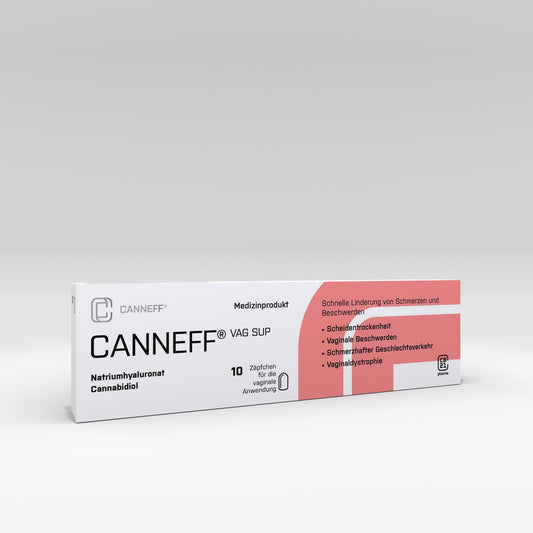
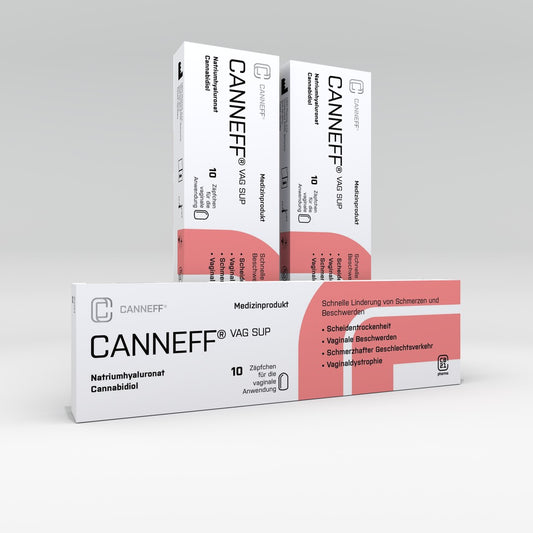
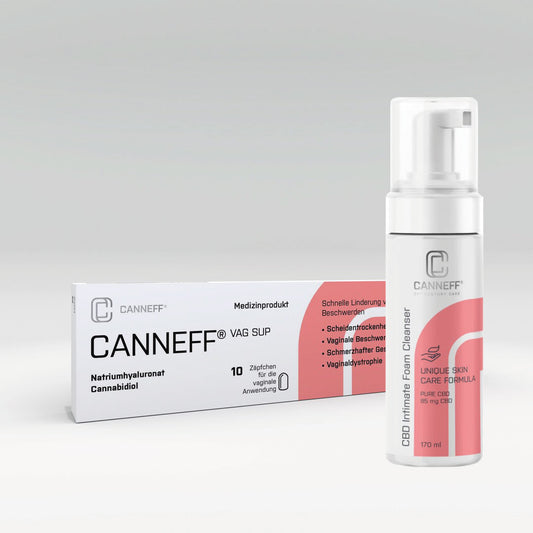
Those suffering from vaginal dryness should pay special attention to a hormone-friendly and anti-inflammatory diet. Adequate intake of water, good fatty acids, probiotic foods, and nutrient-rich meals can stabilize the vaginal environment. Supportive effects come from locally applied products like CANNEFF® Vaginal Suppositories with CBD and hyaluronic acid, which specifically help regulate moisture and care for the mucous membranes.