

Which treatment provides quick relief for an acute vaginal infection?
The fastest relief for an acute vaginal infection is achieved through targeted treatment with local medications—in the form of vaginal suppositories, creams, or gels. The choice of agents depends on the type of pathogen:
-
Fungal infection: Antifungal suppositories or creams (e.g., clotrimazole)
-
Bacterial vaginosis: Antibiotic creams or tablets (e.g., metronidazole)
-
Trichomonads: Systemic antibiotic therapy
Symptomatic relief can also be achieved through sitz baths with anti-inflammatory additives such as chamomile or oak bark. In cases of atrophic colpitis due to estrogen deficiency, local hormone preparations or lactic acid-containing vaginal suppositories help.
How long does the therapy for bacterial vaginosis last?
The treatment duration for bacterial vaginosis is usually 5 to 7 days, depending on the preparation used. Topical applications (e.g., metronidazole cream) act locally, while oral antibiotics work systemically.
|
Treatment agent |
Duration |
Application |
|
Metronidazole vaginal gel |
5 days |
Intravaginal in the evening |
|
Clindamycin vaginal cream |
7 days |
Once daily in the evening |
|
Metronidazole oral (tablets) |
7 days |
500 mg twice daily |
After completing therapy, it is advisable to stabilize the vaginal flora with lactic acid bacteria to prevent relapses.
What to do for recurring vaginal infections?
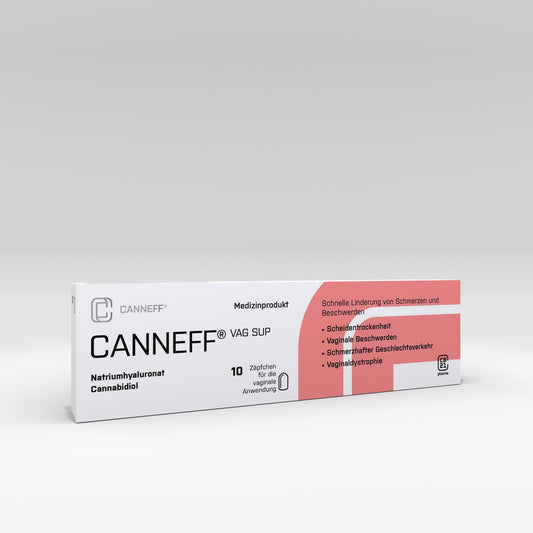
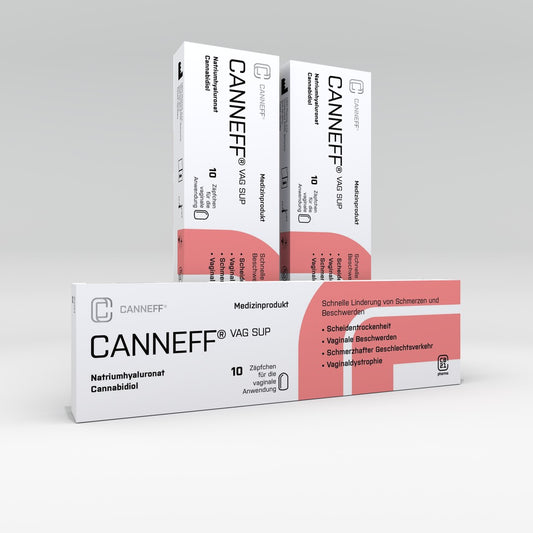
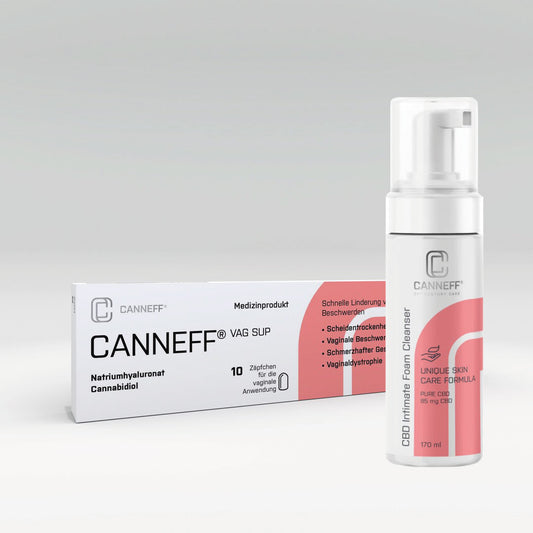
If vaginal inflammations occur repeatedly, it is especially important to identify and specifically treat the underlying causes. Many women experience such relapses because the natural balance of the vaginal flora is permanently disturbed. Recurring infections can be a sign of chronic dysbiosis, meaning a persistent imbalance between beneficial lactic acid bacteria and harmful germs. In this case, a single medication therapy is usually not sufficient. Instead, the vaginal microbiota must be supported long-term, for example through the regular use of lactic acid-containing vaginal suppositories, such as those found in hyaluronic acid and CBD in CANNEFF® VAG SUP. It is equally important to recognize and minimize possible risk factors such as excessive intimate hygiene, hormonal imbalances, poorly controlled diabetes, or frequently changing sexual partners. Especially during menopause or after antibiotic treatments, special attention should be paid to hormonal and bacterial stabilization to protect the vaginal flora permanently.
Which medications are effective for fungal or bacterial infections of the vagina?
Medication treatment depends on the pathogen. The following table provides an overview of common active ingredients:
|
Type of infection |
Active ingredients |
Dosage forms |
|
Fungal infection (Candida) |
Clotrimazole, miconazole, nystatin |
Suppositories, cream |
|
Bacterial vaginosis |
Metronidazole, clindamycin |
Vaginal gel, tablets |
|
Trichomonad infection |
Metronidazole, tinidazole |
Tablets |
|
Atrophic colpitis |
Estriol, lactic acid, hyaluronic acid |
Ointment, suppositories |
In case of Simultaneous infection of the partner Is co-treatment (especially for trichomonads or chlamydia) absolutely necessary?
What role does the vaginal environment play in treatment?
The vaginal environment is a central factor in the development, treatment, and prevention of vaginal inflammations. A healthy vagina has a slightly acidic pH value of about 3.8 to 4.5. This environment is mainly maintained by lactic acid bacteria—so-called lactobacilli. They not only ensure the low pH but also produce protective substances that prevent the growth of harmful pathogens. If this delicate balance is disturbed, for example by hormonal fluctuations, antibiotics, stress, or intimate washes, the protective lactobacilli lose their dominance. As a result, fungi, bacteria, and other pathogens can easily multiply and trigger inflammation. Therefore, every effective treatment aims not only to eliminate the pathogen but also to regenerate the vaginal environment. This is achieved, among other things, through pH-regulating products, vaginal probiotics, or suppositories with regenerative agents that strengthen the mucosa and promote bacterial balance. A stable environment is thus not only the goal of therapy but also a central component of prevention.
How does the treatment of colpitis at the gynecologist proceed?
The treatment of colpitis begins with a detailed medical history at the gynecologist. In this consultation, current symptoms, any previous illnesses, the menstrual cycle, hygiene habits, and possible risk factors are discussed. This is followed by a gynecological examination, during which the vaginal mucosa is inspected for redness, swelling, discharge, or lesions using a speculum. To identify the pathogen, the doctor takes a swab from the vaginal mucosa, which is either examined microscopically on site or sent to a laboratory. Often, the vaginal pH value is also measured. This diagnosis allows for targeted therapy with antifungal, antibiotic, or antiseptic agents—depending on whether it is a fungal infection, bacterial vaginosis, or another form of inflammation. Additionally, the patient receives recommendations for intimate care, possibly hormonal supplements for atrophic colpitis, and advice on partner treatment for sexually transmitted pathogens. The goal is not only to eliminate the acute problem but also to ensure the long-term stabilization of vaginal health.
When is systemic therapy necessary?
Systemic therapy, meaning the administration of medication in tablet form or by injection, becomes necessary when purely local treatment is insufficient or when the infection has already spread to surrounding structures. This is the case, for example, with trichomoniasis, chlamydia, gonococci, or involvement of the cervix. Doctors also resort to systemic antibiotics or antifungals in cases of severe symptoms, recurrent infections, or when local treatment has failed. Additionally, systemic therapy is used if the infection has spread as part of a pelvic infection to the fallopian tubes or ovaries—this is known as an ascending infection, which can cause serious complications. The decision for systemic treatment is always based on clinical findings, the severity of symptoms, and laboratory diagnostic results. The goal is to fully address the infection site and prevent chronic infection.
What should be avoided during the treatment of a vaginal infection?
During the treatment of a vaginal infection, it is crucial to avoid irritants and factors that could further stress the mucous membrane or impair the effectiveness of the medication. Sexual intercourse should especially be paused during the acute inflammation, as mechanical irritation delays healing and can potentially introduce new pathogens. The use of tampons should also be avoided, as they disrupt the balance of the vaginal flora and can absorb active ingredients from suppositories or creams.
Intimate washes, perfumed cleansing lotions, vaginal deodorants, or harsh cleaning agents should also be avoided, as they irritate the mucous membranes and further destabilize the vaginal environment. Tight, synthetic underwear or damp swimwear create a warm, moist climate that further promotes the growth of pathogens. For daily intimate care, lukewarm water or, if needed, a mild, pH-neutral cleansing lotion is sufficient. Following these guidelines supports the effectiveness of the treatment and actively contributes to the regeneration of the vaginal balance.
How can treated vaginitis be stabilized in the long term?
After successful treatment of a vaginitis, it is particularly important to stabilize vaginal health in the long term to prevent renewed inflammation. A central role is played by the regeneration and maintenance of the physiological vaginal flora. Lactic acid bacteria in the form of vaginal probiotics or medical suppositories, such as CANNEFF® with hyaluronic acid and CBD, help restore the natural pH balance and strengthen the mucosal barrier. In the long term, external factors that can disrupt the environment should also be avoided. These include excessive intimate hygiene, synthetic underwear, or frequently changing sexual partners without protection.
In addition, a healthy lifestyle plays a major role: a balanced diet rich in fiber and low in sugar supports the immune system, as do sufficient sleep, stress reduction, and regular exercise. Especially for women in menopause, the vaginal mucosa can be kept supple and resilient through local hormonal support (e.g., with estriol). Those who pay special attention to their intimate health can significantly reduce the risk of relapse.
How is the partner treated in sexually transmitted vaginal infections?
For sexually transmitted pathogens, partner treatment is essential to prevent so-called reinfection. Especially with infections caused by trichomonads, chlamydia, or gonococci, treating only the woman is not sufficient. In these cases, the sexual partner must also be treated with appropriate antibiotics, even if they show no symptoms. This is the only way to ensure that the pathogen is completely eliminated from the shared intimate area. During the entire treatment period, sexual intercourse should be avoided or consistently protected with a condom until healing is confirmed for both partners. Ideally, partner treatment is supervised by the treating gynecologist or additionally by the partner’s general practitioner or urologist. In cases of frequent recurring infections, joint diagnostics are also advisable to identify and treat hidden sources of infection. Only this consistent approach can prevent long-term complications such as chronic inflammation or fertility disorders.