

Why can PMS occur despite taking the pill?
Although the birth control pill suppresses the natural menstrual cycle, it cannot always completely prevent PMS symptoms. The reason lies in the composition of the pill and the individual hormonal response of the body. While some pills provide a steady hormone supply, others can cause hormonal fluctuations that trigger PMS-like complaints.
In addition, the pill affects not only estrogen and progesterone levels but also neurotransmitters like serotonin. If the body reacts sensitively to these changes, classic PMS symptoms such as irritability, water retention, and headaches can occur.
Which birth control pills worsen PMS symptoms?
Not every pill helps with PMS – some can even worsen the symptoms. Preparations with a high progestin content are particularly affected, as some synthetic progestins can cause side effects similar to PMS.
|
Type of pill |
Possible influence on PMS |
|
Combination pills with levonorgestrel |
Can increase water retention and mood swings |
|
Progestin-only preparations (mini-pill) |
Can trigger depressive moods and headaches |
|
High-dose estrogen pills |
Can promote breast tenderness and migraines |
Women who experience PMS symptoms despite taking the pill should talk to their gynecologist about a different type of pill or alternative treatment options.
Is there a pill that completely suppresses PMS?
Some pills suppress PMS symptoms better than others. Combination preparations that provide a steady hormone release without fluctuations can especially reduce discomfort. One option is the extended-cycle pill, which is taken over several months so that no monthly bleeding occurs.
Studies show that hormonal preparations with drospirenone can particularly relieve PMS well because this active ingredient has a diuretic effect and reduces water retention. However, there is no guarantee that a specific pill will completely prevent PMS in every woman.
How does the pill affect hormone balance in PMS?
The pill suppresses natural ovulation and ensures a constant hormone supply, reducing the typical fluctuations of the cycle. However, depending on the composition, the balance between estrogen and progestin changes:
|
Hormone |
Effect without the pill |
Effect with the pill |
|
Estrogen |
Promotes serotonin, stabilizes mood |
Remains constant but can promote water retention |
|
Progesterone |
Has a calming effect, regulates the uterus |
Replaced by synthetic progestin |
While some women benefit, others experience symptoms despite hormonal consistency because the body reacts differently to synthetic hormones than to natural cycle fluctuations.
Why do mood swings and breast tenderness occur despite taking the pill?
Mood swings can occur when the pill affects serotonin balance. Pills with a higher progestin content can especially worsen depressive moods and irritability.
Breast tenderness often arises from water retention in the tissue, which can be promoted by the pill. High-dose estrogen pills exacerbate this problem, while progestin-dominant pills can have the opposite effect.
Can switching pills help relieve PMS symptoms?
Yes, switching to a different pill can improve PMS symptoms. It is especially advisable to try a pill with a different progestin or to switch to a lower estrogen dose.
Women with severe mood swings often benefit from pills containing drospirenone, as this ingredient has a stabilizing effect on the hormonal balance. Any change should always be made in consultation with a doctor.
What role do estrogen and progesterone levels play in PMS despite the pill?
Estrogen and progesterone are the key hormones that influence PMS symptoms. While the natural cycle is characterized by a sharp drop in progesterone before the period, this remains constant with the pill. However, there are individual differences, so some women remain sensitive to hormonal changes despite taking the pill.
A low progesterone level can lead to sleep disturbances and irritability, while a high estrogen level can promote water retention and breast tenderness.
Why do some women experience stronger PMS after stopping the pill?
After stopping the pill, the body goes through an adjustment phase in which the natural cycle must first regain balance. Especially in the first three months after stopping, increased PMS symptoms can occur because the body's own hormone production needs to be regulated again.
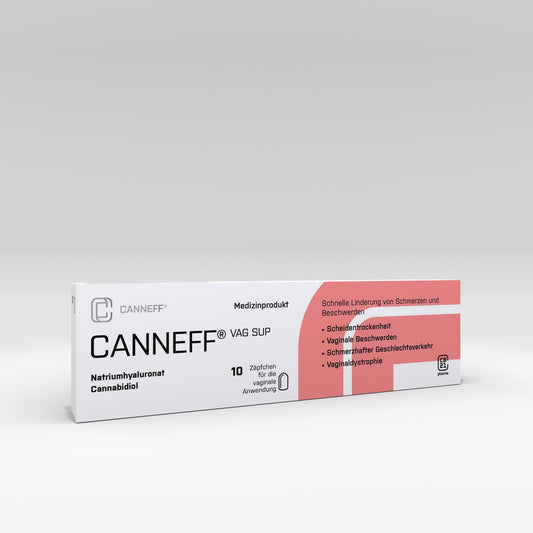
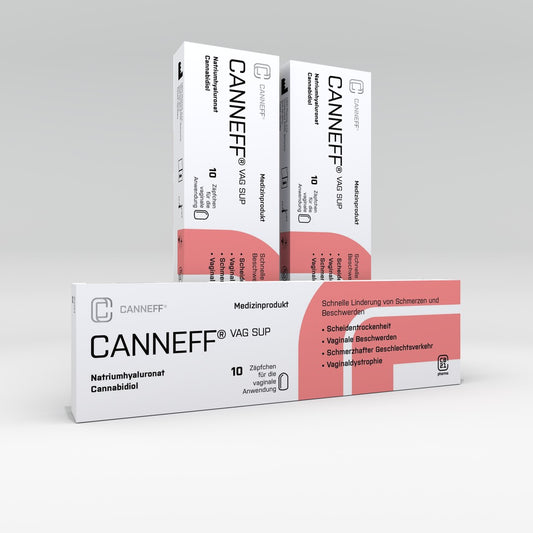
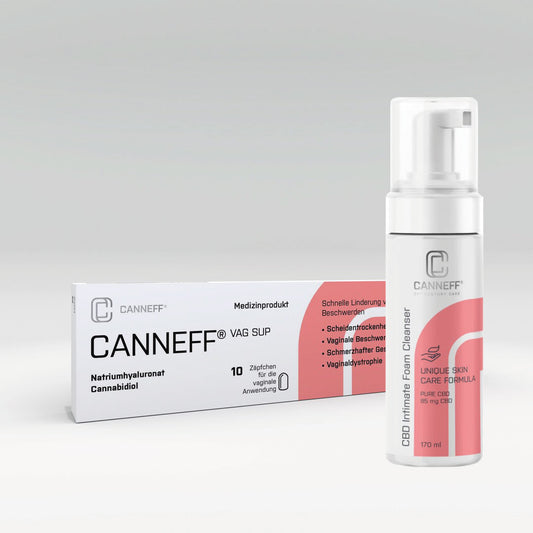
A sudden increase in prostaglandins can also cause stronger menstrual cramps. Women who suffer particularly strongly from PMS after stopping the pill can use herbal remedies like chasteberry or CANNEFF® vaginal suppositories to regulate the symptoms.
PMS or side effects of the pill: How to distinguish the symptoms?
Sometimes PMS and side effects of the pill are difficult to distinguish. While PMS is cycle-dependent, side effects of the pill often occur independently of the period.
|
Characteristic |
PMS |
Side effects of the pill |
|
Timing |
Mostly in the second half of the cycle |
Possible at any time |
|
Symptoms |
Mood swings, breast tenderness, water retention |
Headaches, loss of libido, nausea |
|
Duration |
Ends with the period |
Can be continuous in nature |
If uncertain, switching to another pill or a hormone-free contraceptive method can help.
Can hormone-free contraceptive methods improve PMS symptoms?
For women who have PMS despite the pill or cannot tolerate hormones, hormone-free alternatives can be useful. Copper IUDs do not affect the natural hormone balance and can help restore the body's equilibrium.
Natural methods like the cycle tracking approach allow you to better monitor your hormone balance and specifically counteract it with nutrition or herbal remedies such as CANNEFF® vaginal suppositories. PMS despite the pill is a common problem influenced by various factors. Changing the pill can help, but herbal alternatives and a conscious lifestyle also play an important role. Those suffering from severe PMS symptoms despite the pill should discuss alternative solutions with a gynecologist.