

Why does nausea occur as a symptom of PMS?
Nausea as a symptom of premenstrual syndrome (PMS) often occurs due to hormonal changes in the second half of the cycle. Especially the drop in progesterone and estrogen after ovulation can affect the central nervous system and disrupt gastrointestinal function. Additionally, the stomach becomes more sensitive to stress because serotonin levels also change during this phase. This can lead to a general feeling of discomfort, dizziness, or nausea.
Another factor is the increase in prostaglandins, which influence inflammatory processes in the body and can irritate the gastrointestinal tract, among other things. This can trigger nausea, diarrhea, or bloating.
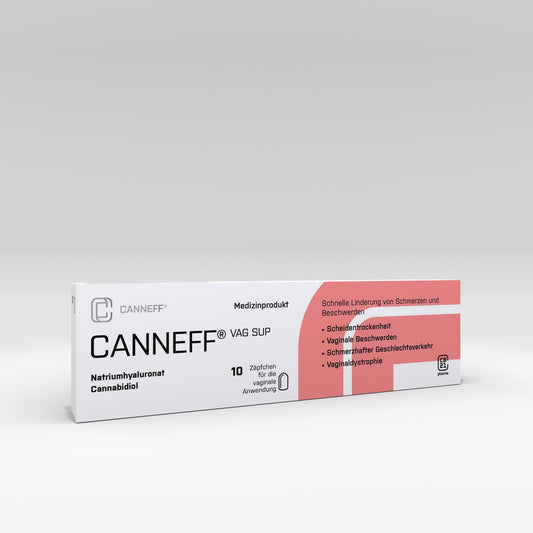
Warmth can help relax the intestinal muscles. CANNEFF® vaginal suppositories with CBD have anti-inflammatory properties that can soothe the body and improve overall well-being during the PMS phase.
PMS or gastrointestinal infection? How to distinguish the causes of nausea
Nausea can have many causes – from hormonal fluctuations to a gastrointestinal infection. To distinguish whether PMS or an infection is causing the nausea, a look at the accompanying symptoms helps:
|
Characteristic |
PMS nausea |
Gastrointestinal infection |
|
Timing |
3-10 days before the period |
Sudden onset |
|
Duration |
Lasts until bleeding starts |
1-3 days, then improvement |
|
Accompanying symptoms |
Bloating, headaches, mood swings |
Fever, severe abdominal cramps, vomiting |
|
Improving measures |
Warmth, tea, light exercise |
Light diet, electrolytes, plenty of fluids |
If nausea is accompanied by severe abdominal pain, persistent vomiting, or fever, it could be gastroenteritis. In this case, a visit to the doctor is advisable.
Nausea before the period – what hormonal causes are behind it?
Nausea before the period is mainly caused by fluctuations in progesterone and estrogen. In the second half of the cycle, progesterone rises sharply to prepare the body for a possible pregnancy. If pregnancy does not occur, progesterone levels suddenly drop, which can irritate the autonomic nervous system and trigger nausea.
Additionally, the hormone prostaglandin affects the gastrointestinal tract. Prostaglandins are responsible for contractions of the uterus to shed the uterine lining. This effect can extend to the digestive tract, causing nausea, diarrhea, or bloating.
What helps against PMS-related nausea? Natural and medicinal solutions
There are various ways to relieve PMS-related nausea. Natural methods like ginger, which can be taken as tea or in capsule form, soothe the stomach and help reduce nausea. Peppermint oil has antispasmodic properties and can relax the digestive tract. A hot water bottle on the abdomen promotes blood circulation and can relieve cramping discomfort. Light exercise such as walking or yoga stimulates digestion and supports serotonin production, which positively affects overall well-being. CANNEFF® vaginal suppositories with their innovative combination of hyaluronic acid and CBD have anti-inflammatory properties that calm the nervous system and can help alleviate PMS nausea.
In severe cases, medication options may be useful. Antihistamines like dimenhydrinate relieve nausea and help stabilize the brain's balance system. Proton pump inhibitors or antacids reduce excess stomach acid and help against heartburn or stomach pain. Hormonal contraceptives can balance cycle-related hormonal fluctuations and thus reduce PMS-related nausea. A combination of natural and medicinal approaches can be tailored individually to effectively relieve symptoms.
PMS and nausea: Can diet relieve the symptoms?
Yes, diet can have a significant impact on PMS-related nausea. Here are some dietary tips:
|
Recommended foods |
Effect |
|
Ginger, peppermint, fennel |
Soothe the stomach |
|
Bananas, oats |
Stabilize blood sugar |
|
Magnesium-rich foods (nuts, spinach, avocado) |
Relax muscles and relieve cramps |
|
Omega-3 fatty acids (salmon, walnuts) |
Anti-inflammatory |
|
Light carbohydrates (rice, potatoes, rusk) |
Gentle on the stomach |
Avoid fatty, spicy foods, caffeine, alcohol, and sugar, as they can worsen the symptoms.
How is PMS nausea related to hormonal fluctuations?
Hormonal fluctuations before the period directly affect the gastrointestinal tract and central nervous system. Especially progesterone can slow digestion, leading to fullness and nausea. At the same time, the drop in estrogen lowers serotonin levels, which increases sensitivity to stress and thus promotes stomach problems.
When is nausea before the period a warning sign of another illness?
In most cases, nausea is a harmless PMS symptom. However, if it occurs with the following complaints, a doctor should be consulted:
-
Persistent vomiting
-
Unexplained abdominal pain or severe cramps
-
Sudden weight loss
-
Dizziness, circulatory problems
-
Blood in stool or vomit
Possible causes include gastrointestinal diseases, gastritis, food intolerances, or hormonal disorders such as hypothyroidism.
Why can PMS be accompanied by digestive problems like nausea and bloating?
Digestive problems during PMS are common because hormonal fluctuations directly affect the gastrointestinal tract. A key cause is the increased production of prostaglandins, which are responsible not only for uterine contractions but also influence the digestive tract and can trigger cramps. Additionally, progesterone slows digestion in the second half of the cycle, leading to uncomfortable fullness and increased bloating. At the same time, gas production increases because the intestines are more sensitive to certain foods during this phase, which can cause more belching and bloating.
PMS or early pregnancy? Interpreting nausea correctly
Both PMS and pregnancy can cause nausea. The following table helps to distinguish:
|
Symptom |
PMS |
Pregnancy |
|
Nausea |
Yes, usually mild |
Yes, often severe (worse in the morning) |
|
Breast tenderness |
Yes, decreases before the period |
Yes, often persistent |
|
Fatigue |
Yes, but moderate |
Yes, often very pronounced |
|
Mood swings |
Yes, before the period |
Yes, often throughout early pregnancy |
|
Period is absent |
No |
Yes |
A pregnancy test provides certainty.
Are there herbal remedies for PMS-related nausea?
Yes, herbal remedies can relieve PMS-related nausea:
-
Ginger: Proven effective against nausea.
-
Chasteberry: Regulates hormonal fluctuations.
-
St. John's Wort: Supports emotional well-being.
-
Fennel & Caraway: Soothe the stomach.
-
CBD (CANNEFF Vaginal Suppositories): Has anti-inflammatory and relaxing effects.
Natural remedies often take a few weeks to show noticeable effects.