

Why does heartburn occur more frequently during menopause?
During menopause, estrogen levels decline, which has various effects on the body, including altered digestion. Estrogen plays a role in regulating the lower esophageal sphincter. When estrogen levels drop, this muscle can weaken, allowing stomach acid to more easily rise into the esophagus, causing heartburn.
Which symptoms accompany heartburn during menopause?
Heartburn during menopause can manifest through various complaints:
|
Symptom |
Description |
|
Burning behind the breastbone |
A painful, burning sensation, often after eating |
|
Belching |
Sour or bitter taste in the mouth |
|
Stomach pressure |
An uncomfortable feeling of fullness in the upper abdomen |
|
Irritating cough |
Can be caused by rising stomach acid |
|
Difficulty swallowing |
Caused by irritation of the esophagus |
Which hormonal changes contribute to the development of heartburn?
In addition to weakening of the lower esophageal sphincter, hormonal fluctuations can also cause changes in stomach acid production. Some women produce less stomach acid, leading to digestive problems, while others experience increased acid production, which promotes heartburn.
Which factors can worsen heartburn during menopause?
In addition to hormonal changes, there are various external factors that can worsen heartburn:
-
Diet – Fatty, spicy, or acidic foods can trigger heartburn.
-
Stress – Emotional tension can impair digestion.
-
Carbonated drinks – Increase belching and acid production.
-
Alcohol & nicotine – Relax the lower esophageal sphincter and promote heartburn.
-
Sleeping position – Lying down immediately after eating can promote the reflux of stomach acid.
How can heartburn be relieved during menopause?
There are some proven measures to relieve heartburn:
-
Elevated sleeping position – Sleep with the upper body slightly elevated to reduce reflux.
-
Small meals – Eat several small meals throughout the day instead of large portions.
-
Eating slowly – Thorough chewing supports digestion.
-
Stomach-friendly drinks – Lukewarm water, poplar or chamomile tea soothe the stomach.
-
Avoidance of triggering foods – Avoid heavily spiced or fatty foods as much as possible.
Which diet helps against heartburn during menopause?
Conscious nutrition can help reduce heartburn:
|
Foods |
Effect |
|
Oatmeal |
Bind excess stomach acid |
|
Bananas |
Have a soothing effect on the stomach lining |
|
Almonds |
Can act as a natural antacid |
|
Fennel |
Relieves digestive problems and acid formation |
|
Chamomile tea |
Has a soothing effect on the stomach |
Which home remedies can help against heartburn?
Natural home remedies can effectively relieve heartburn:
-
Baking soda – Can neutralize stomach acid temporarily.
-
Ginger tea – Supports digestion and reduces acid production.
-
Aloe vera juice – Soothes the stomach lining.
-
Potato juice – Helps balance the pH level in the stomach.
When should you see a doctor for persistent heartburn?
If heartburn does not improve despite dietary changes and home remedies or is accompanied by symptoms such as severe chest pain, weight loss, or difficulty swallowing, a doctor should be consulted. Long-term persistent reflux can lead to inflammation of the esophagus.

How can CANNEFF® products support well-being during menopause?
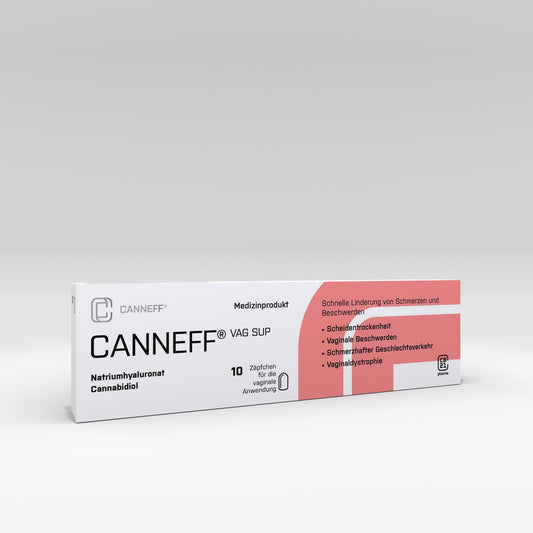
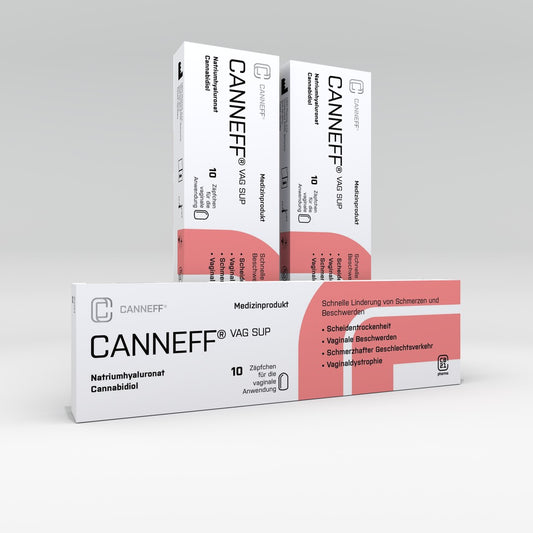
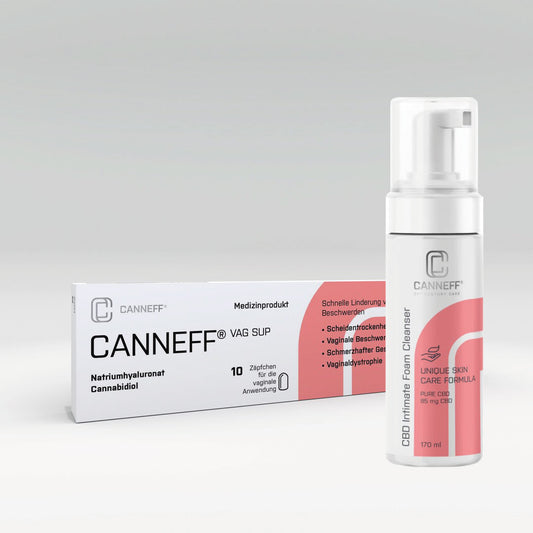
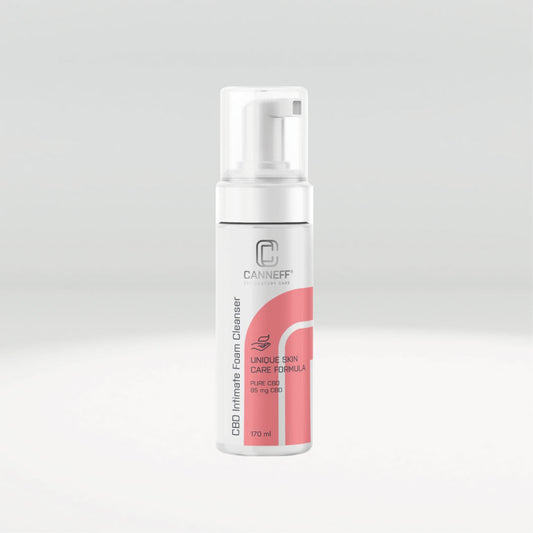
CANNEFF® offers products with cannabidiol (CBD) and hyaluronic acid, which can have soothing and anti-inflammatory effects. While CANNEFF® suppositories do not have a direct effect on heartburn, they can help reduce menopausal symptoms that may trigger digestive problems. Heartburn during menopause is a common complaint that is intensified by hormonal changes. Conscious nutrition, an adapted lifestyle, and natural home remedies can alleviate the symptoms. CANNEFF® products can also help reduce stress-related side effects of menopause and improve overall well-being, in addition to treating vaginal dryness.