

Physical Causes of Pain During Intercourse

Hormonal Changes and Their Impact on Intercourse
Hormonal changes play a crucial role in women's sexual health, especially during menopause. This phase is characterized by a decrease in the production of estrogen, a hormone responsible for maintaining the moisture and elasticity of the vaginal mucosa. The declining estrogen levels often lead to a range of symptoms that can affect sexual intercourse.
Reduced Vaginal Moisture and Its Consequences
With the decline of estrogen, the vaginal mucosa becomes thinner and drier, a condition known as vaginal atrophy. This dryness can lead to irritation and inflammation, making intercourse painful. The natural lubrication that occurs during sexual arousal is also reduced, making penetration difficult and causing an unpleasant, sometimes even burning sensation.
Further Effects of Hormonal Fluctuations
In addition to dryness, hormonal changes can also cause a decrease in libido, reducing the willingness and pleasure of sexual intercourse. The reduced libido can be intensified by additional symptoms such as hot flashes, sleep disturbances, and mood swings, which frequently occur during menopause and affect overall well-being.
Long-Term Health Effects
If left untreated, vaginal atrophy can lead to chronic pain and recurring infections because the natural barrier function of the vaginal mucosa is weakened. This increases the risk of urinary tract infections and other genital complaints.
Treatment Options
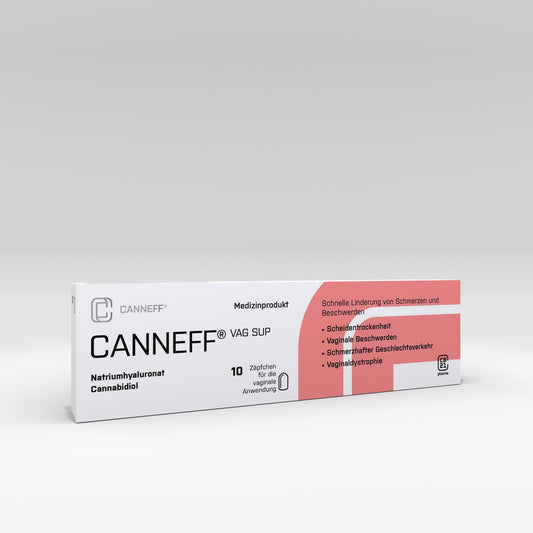
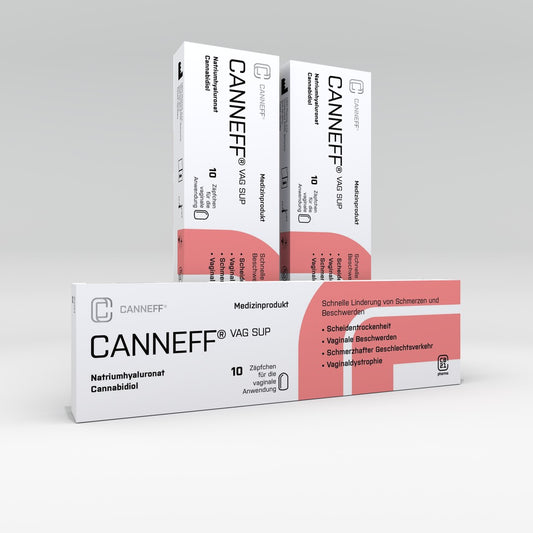
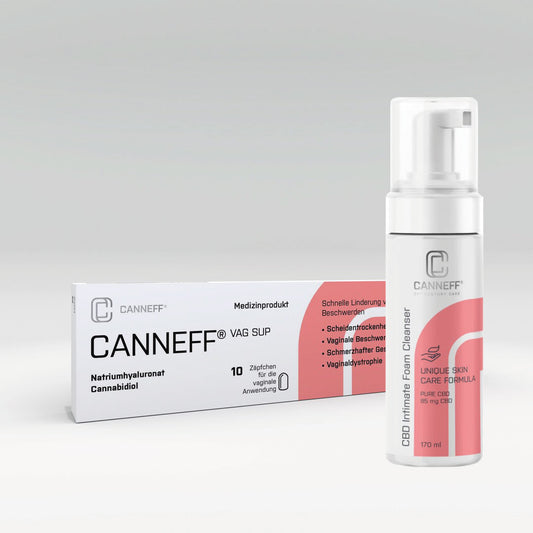
There are various approaches to alleviate discomfort caused by hormonal changes. One option is the use of local estrogen therapies, such as estrogen-containing creams, suppositories, or vaginal rings, which act directly in the vagina and strengthen the mucous membrane. For women who prefer not to use hormones, hormone-free alternatives like moisturizing gels or suppositories with hyaluronic acid and plant-based active ingredients are available. Products such as CANNEFF Vaginal Suppositories, combining CBD and hyaluronic acid, offer a gentle and effective solution to improve vaginal moisture and relieve pain during intercourse.
Preventive Measures and Self-Help
In addition to medical treatment, certain lifestyle changes can also be helpful. Regular physical activity, a balanced diet, and avoiding smoking and alcohol can support hormonal balance. Furthermore, gentle intimate hygiene with products that preserve the natural pH of the vagina can help protect the mucous membrane and prevent dryness.
Urinary tract infections and their impact on sexual intercourse
Urinary tract infections (UTI) are a common cause of pain during sexual intercourse, which can occur with both acute and chronic inflammations of the urinary tract. These infections primarily affect the bladder, urethra, and occasionally the kidneys, and can significantly impact sexual well-being.
Types of urinary tract infections and their symptoms
Acute urinary tract infections: These occur suddenly and are often accompanied by symptoms such as burning during urination, frequent urge to urinate, and lower abdominal pain. During sexual intercourse, these symptoms can worsen, leading to sharp, burning pain during and after intercourse.
Chronic urinary tract infections:
Some women suffer from recurring urinary tract infections that lead to persistent irritation and sensitivity of the urinary tract. These chronic inflammations can make sexual intercourse permanently painful and significantly impair quality of life.
Overactive bladder:
In the case of an overactive bladder, also known as a irritable bladder, there is a constant, often painful urge to urinate, which can also occur during sexual intercourse. This constant irritation can reduce the desire for sexual activity and cause pain when the bladder is under pressure during intercourse.
Interstitial Cystitis:
This chronic, non-infectious inflammation of the bladder wall is particularly painful and difficult to treat. Women suffering from interstitial cystitis often experience intense pelvic pain that can be worsened by sexual intercourse. The symptoms are often diffuse and can persist after intercourse, leading to prolonged discomfort. Here, we also refer to our Blog post Urinary Tract Infection, which includes a dedicated chapter on Interstitial Cystitis (IC).
How urinary tract infections affect sexual intercourse
Inflammation and irritation of the urinary tract can make sexual intercourse difficult in various ways. Pressure on the inflamed bladder or urethra can cause sharp pain, reducing the desire for sex or making intercourse impossible. Additionally, the fear of pain can lead to tension in the pelvic muscles, which further complicates penetration and intensifies the pain.
Treatment options and prevention
Antibiotic therapy: In acute urinary tract infections, treatment with antibiotics is usually necessary to quickly combat the infection and relieve pain. It is important to complete the antibiotic therapy consistently to ensure full recovery and minimize the risk of recurrent infections.
Long-term prevention:
Women prone to recurrent urinary tract infections should take preventive measures. These include drinking enough water to regularly flush the bladder and avoiding irritants such as caffeinated drinks and spicy foods. Urinating immediately after intercourse can also help flush bacteria from the urethra and prevent infections.
Pain relief for chronic conditions:
In cases of chronic urinary tract infections or interstitial cystitis, a combination of medication, physical therapy, and lifestyle adjustments may be necessary. Pain relievers, anti-inflammatory drugs, and specific bladder therapies can help alleviate symptoms and make intercourse more comfortable again.
Intimate hygiene and behaviors:
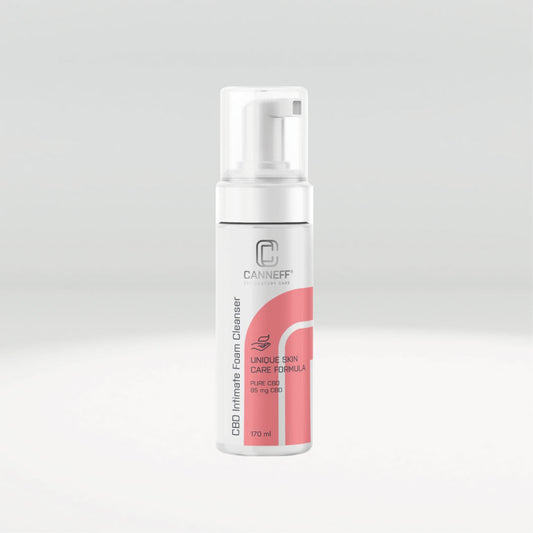
Careful intimate hygiene is crucial to reduce the risk of urinary tract infections. This includes washing the intimate area from front to back to prevent bacteria from entering the urethra. Women should also ensure thorough cleaning of the intimate area after intercourse. For general intimate hygiene, we recommend the specially developed Intimate care foam from CANNEFF.
Vaginal dryness: causes and effects on sexual well-being
Vaginal dryness is a widespread problem that can affect women of all ages but occurs especially frequently during certain life stages and under specific conditions. This dryness can cause significant discomfort, especially during intercourse, and greatly impair sexual well-being.
Causes of vaginal dryness
Hormonal changes:
Menopause: One of the most common causes of vaginal dryness is hormonal changes during menopause. The declining estrogen levels lead to thinning and reduced moisture of the vaginal mucosa, which can cause dryness and associated pain during intercourse.
Breastfeeding: After childbirth and during breastfeeding, estrogen levels are also low, which often leads to reduced vaginal moisture. This is a natural response of the body but can be uncomfortable and affect sexual experience.
Birth control and hormonal therapies: Some hormonal contraceptives or therapies can also lead to reduced vaginal moisture by affecting the natural hormone balance.
Medication intake:
Antihistamines: These medications, often used to treat allergies, can cause drying of the mucous membranes as a side effect, including the vaginal mucosa. This can reduce natural lubrication and lead to dryness and irritation.
Antidepressants and certain blood pressure medications: Other medications, such as some antidepressants and blood pressure drugs, can also affect mucous membrane production and contribute to vaginal dryness.
Lifestyle and external influences:
Stress: Chronic stress can affect hormone production and indirectly contribute to reduced vaginal moisture. Additionally, stress can decrease sexual arousal, which reduces natural lubrication during intercourse.
Smoking and alcohol consumption: Smoking and excessive alcohol intake can impair blood circulation and dry out the mucous membranes, leading to vaginal dryness.
Effects of vaginal dryness on sexual intercourse
Vaginal dryness can significantly affect sexual experience. Reduced moisture often leads to irritation and pain during intercourse, making penetration difficult and causing an unpleasant, sometimes burning sensation. In some cases, this can lead women to avoid sexual intercourse, which in turn can negatively impact the sexual relationship and self-esteem.
Treatment options and preventive measures
Moisturizing products:
Lubricants and moisturizing gels: Using water-based lubricants or special moisturizing gels can immediately relieve vaginal dryness and make sexual intercourse more comfortable. Products containing hyaluronic acid are especially effective because they bind moisture and regenerate the mucous membrane.
Vaginal suppositories and creams: Hormone-free suppositories and creams, such as CANNEFF vaginal suppositories with CBD and hyaluronic acid, offer a gentle way to improve vaginal moisture and care for the mucous membranes.
Hormone therapy:
Local estrogen preparations: For women suffering from vaginal dryness due to hormonal changes, local estrogen therapy in the form of creams, rings, or tablets can be helpful. These preparations specifically increase the estrogen level in the vaginal mucosa, thereby improving lubrication.
Systemic hormone therapy: In some cases, systemic hormone therapy may be considered, especially if vaginal dryness is part of a broader menopause syndrome. However, this therapy should be carefully discussed with a doctor to weigh benefits and risks.
Lifestyle changes:
Nutrition and hydration: A balanced diet rich in omega-3 fatty acids and phytoestrogens can support mucosal health. Adequate hydration is also important to maintain overall body moisture.
Stress management: Stress management techniques such as yoga, meditation, or regular physical activity can help stabilize hormonal balance and indirectly improve vaginal moisture.
Intimate hygiene:
Gentle care products: Using mild, pH-neutral cleansers without perfume or harsh chemicals is essential to avoid further irritating the vaginal mucosa. Soaps or shower gels should be avoided directly in the intimate area.
Clothing: Wearing loose, breathable clothing made from natural fibers like cotton can help keep the skin in the intimate area healthy and avoid irritation.
For more information on causes and treatment, see our Blog post about vaginal dryness.

Vulvodynia and related conditions: causes and effects on sexual health
Vulvodynia is a chronic pain syndrome affecting the vulva, the external area of the female genitalia. It is a condition characterized by long-lasting pain, burning, or irritation that occurs without an obvious cause. Vulvodynia can significantly impact sexual well-being and poses a diagnostic and therapeutic challenge for both those affected and medical professionals.
Causes of vulvodynia and related conditions
The exact cause of vulvodynia is often unclear, which complicates diagnosis and treatment. However, there are several theories that identify possible triggers for this pain:
Nerve damage or hypersensitivity:
Nerve damage: A possible cause of vulvodynia could be damage or hypersensitivity of the nerves supplying the vulva. These nerve damages can be caused by previous injuries, surgeries, or inflammations and lead to excessive pain sensitivity.
Central sensitization: In some women, it is believed that the central nervous system reacts hypersensitively to pain stimuli, leading to persistent pain in the vulva even when no physical trigger is present.
Hormonal influences:
Hormonal fluctuations: Hormonal changes, especially during menopause, can make the vulvar mucous membranes more sensitive and cause pain.
Changes in the mucosa: Hormonal influences can make the vulvar mucosa thinner and less resilient, increasing susceptibility to irritation and pain.
Muscular and structural causes:
Pelvic floor muscles: Tension or dysfunction of the pelvic floor muscles can cause pain in the vulva. These muscular problems are often associated with stress or anxiety and can worsen vulvodynia.
Adhesions and scar tissue: Scars or adhesions in the vulva area, possibly resulting from previous surgeries or injuries, can also cause pain.
Inflammatory conditions:
Chronic inflammations: Recurring or chronic inflammations, such as inflammation of the Bartholin's gland (Bartholinitis), can lead to persistent pain and swelling. These glands, located on the sides of the vaginal opening, can become blocked and infected, causing intense pain and discomfort.
Autoimmune diseases: Some research suggests that vulvodynia may be linked to autoimmune diseases, where the immune system mistakenly attacks the body's own tissue, causing inflammation and pain.
Effects on Sexual Well-being
Vulvodynia can severely affect sexual experience. The pain may be constant or occur only with touch, during intercourse, or when inserting tampons. This pain can be so severe that intercourse becomes impossible or extremely uncomfortable. Affected women may develop an aversion to sexual activities, leading to tension in the relationship and a decline in sexual self-confidence.
Diagnosis and treatment options
The diagnosis of vulvodynia is usually made by excluding other conditions, as there are no specific tests to determine this disorder. A comprehensive approach is required, considering both physical and psychological aspects.
Medication treatment:
Local anesthetics: Creams or gels with local anesthetics can help temporarily relieve pain, especially before sexual intercourse.
Antidepressants and anticonvulsants: These medications are sometimes used to reduce nerve pain sensitivity. They act on nerve endings and can alleviate chronic pain.
Physiotherapy:
Pelvic floor therapy: Targeted physiotherapy can help relax the pelvic floor muscles and restore muscular balance, which can contribute to pain relief.
Biofeedback and stretching exercises: Techniques such as biofeedback can help improve control over the pelvic floor muscles and reduce pain.
Psychological support:
Psychotherapy: Since vulvodynia is often associated with emotional stress and anxiety, psychotherapeutic treatment can be helpful in managing psychological burdens and easing coping with the condition.
Couples therapy: In cases where the relationship is strained by the condition, couples therapy can help resolve communication problems and strengthen the partnership.
Surgical options:
Vulvectomy: In very severe cases where other treatments fail, surgery may be considered to remove affected nerves or tissue. However, this option is only used as a last resort.
Self-help and preventive measures
Gentle intimate hygiene:
Avoidance of irritants: Using fragrance-free, pH-neutral care products can help avoid irritation. Women should also make sure to wear loose clothing made of natural fabrics to minimize friction and irritation.
Breathable clothing: Wear breathable cotton underwear and avoid tight pants that could put pressure on the vulva.
Nutrition and lifestyle:
Anti-inflammatory diet: A diet rich in omega-3 fatty acids, antioxidants, and anti-inflammatory foods can help reduce the overall tendency for inflammation in the body.
Stress management: Techniques such as yoga, meditation, and regular physical activity can help reduce stress and influence pain perception.
Infections: Causes, effects, and treatment of painful sexually transmitted diseases
Infections in the genital area, especially sexually transmitted infections (STIs), are a common cause of pain during sexual intercourse. Such infections can irritate the tissue, Vaginal infections cause and lead to persistent discomfort if not treated promptly. The most common infections that can cause pain during sexual intercourse include genital herpes, chlamydia, and bacterial vaginosis.
Types of infections and their symptoms
Genital herpes:
Cause: Genital herpes is caused by the herpes simplex virus (HSV), mostly by HSV-2, but sometimes also by HSV-1. This infection is transmitted through close skin contact, usually during sexual intercourse.
Symptoms: Genital herpes manifests as painful blisters and ulcers on the genitals, accompanied by burning, itching, and pain. Sexual intercourse can be extremely painful during an active outbreak, as the skin and mucous membranes are sensitive and irritated.
Long-term consequences: The virus remains in the body for life and can reactivate repeatedly, especially during periods of stress or a weakened immune system. Recurrent outbreaks can significantly impair quality of life.
Chlamydia:
Cause: Chlamydia is caused by the bacterium Chlamydia trachomatis and is one of the most common sexually transmitted infections worldwide. The infection is transmitted through unprotected sexual intercourse.
Symptoms: Chlamydia infections are often asymptomatic, especially in women. When symptoms occur, they may include pain during urination, unusual discharge, and lower abdominal pain. Pain during sexual intercourse (dyspareunia) is also a common symptom.
Long-term consequences: Untreated chlamydia infections can lead to serious complications, such as pelvic inflammatory diseases, which increase the risk of infertility and can cause chronic pain.
Bacterial vaginosis:
Cause: Bacterial vaginosis arises from an imbalance of the natural bacterial flora in the vagina, often caused by the bacterium Gardnerella vaginalis. This infection is not primarily sexually transmitted but can be influenced by sexual activity.
Symptoms: Typical symptoms include a thin, gray-white discharge with a fishy odor, itching, and burning in the vaginal area. Pain during sexual intercourse can also occur, especially when the mucous membranes are irritated or inflamed.
Long-term consequences: Untreated bacterial vaginosis can increase the risk of serious infections and complications, including a higher risk of premature birth in pregnant women.
Effects on Sexual Intercourse
Infections in the genital area can significantly affect sexual intercourse. The inflammations and irritations caused by these infections lead to painful sensations that make penetration uncomfortable or even impossible. In many cases, the pain may be accompanied by a burning or stabbing feeling that persists both during and after intercourse. These discomforts can greatly impact sexual desire and overall well-being.
For more information on vaginitis, additional causes, and treatment options, we refer you to the Blog post Vaginitis.
Endometriosis: causes, symptoms, and effects on sexual health
Endometriosis is a chronic, often painful condition in which tissue similar to the uterine lining (endometrium) grows outside the uterine cavity. This misplaced tissue can appear in various locations in the pelvic area, such as the ovaries, fallopian tubes, bladder, intestines, or pelvic walls. Endometriosis affects millions of women worldwide and can have significant impacts on physical and emotional well-being as well as sexual experience.
Causes and mechanisms of endometriosis
The exact cause of endometriosis is not yet fully understood, but there are several theories that could explain the occurrence of this condition:
Retrograde menstruation:
This theory states that menstrual blood containing endometrial cells flows backward through the fallopian tubes into the pelvic cavity instead of leaving the body through the vagina. These cells can then implant and grow outside the uterus.
Genetic predisposition:
Women whose mothers or sisters have endometriosis have a higher risk of developing the condition themselves, suggesting a genetic predisposition.
Immune system dysfunction:
A weakened immune system might cause the body to fail to recognize and destroy endometrial tissue growing outside the uterus, allowing the disease to progress.
Metaplasia:
Some scientists suspect that the peritoneum lining the inside of the pelvis can spontaneously transform into endometrial cells, which could explain the development of endometriosis.
Symptoms and complaints of endometriosis
The symptoms of endometriosis can vary greatly and depend on where the endometrial tissue is located. The most common symptoms include:
Dysmenorrhea (painful menstruation):
Women with endometriosis often experience extremely painful menstrual cycles accompanied by cramps, back pain, and lower abdominal pain.
Dyspareunia (pain during intercourse):
One of the most common complaints in endometriosis is pain during or after sexual intercourse, especially with deep penetration. This pain is often described as deep, stabbing, or burning and can significantly affect the sexual experience.
Chronic pelvic pain:
Regardless of the menstrual cycle, women with endometriosis may suffer from persistent pelvic pain due to the presence of endometrial tissue and the resulting inflammation and scarring.
Infertility:
Endometriosis is one of the main causes of infertility in women. The condition can alter the structure of the reproductive organs and impair egg release or fertilization.
Digestive and bladder problems:
If the endometrial tissue affects the bowel or bladder, symptoms such as painful urination, diarrhea, constipation, or blood in the stool during menstruation may occur.
Effects on Sexual Well-being
Endometriosis can significantly affect sexual experience. Pain during intercourse, especially with deep penetration, can cause women to avoid sex or fear sexual activity. This can create tension in the relationship and reduce the self-confidence and sexual desire of affected women. Furthermore, chronic pain and fear of symptoms can impact emotional and mental health, which in turn reduces sexual desire and enjoyment of intercourse.
Treatment options for endometriosis
The treatment of endometriosis often requires a holistic approach that includes both medication and surgical measures. The choice of treatment depends on the severity of symptoms, the desire for fertility, and the overall health of the patient.
Medication treatment:
Pain relievers: Nonsteroidal anti-inflammatory drugs (NSAIDs) such as ibuprofen or naproxen can help relieve pain, especially during menstruation.
Hormone therapy: Hormonal treatments aim to slow the growth of endometrial tissue and relieve pain. This can be achieved by taking hormonal contraceptives, GnRH agonists, progestins, or danazol. These therapies reduce estrogen production, which stimulates the growth of endometrial tissue.
Progestin medications: Progestins can inhibit the growth of endometrial tissue and thus relieve symptoms.
Surgical treatment:
Laparoscopy: In severe cases, a minimally invasive surgery may be necessary to remove endometrial tissue or release adhesions. This surgery can relieve symptoms and improve fertility.
Hysterectomy: In very severe cases, when other treatments have failed and the woman no longer wishes to have children, a complete removal of the uterus and sometimes the ovaries may be considered.
Lifestyle and Alternative Therapies:
Nutrition: An anti-inflammatory diet rich in omega-3 fatty acids, vegetables, fruits, and whole grains can help reduce inflammation and alleviate symptoms.
Exercise: Regular physical activity can help relieve pain, improve blood circulation, and reduce stress, which can positively affect symptoms.
Physiotherapy: Special exercises to strengthen the pelvic floor muscles and improve flexibility can help reduce pain during sexual intercourse.
Acupuncture and Herbal Remedies: Some women report symptom relief through acupuncture or the use of herbal preparations aimed at supporting hormonal balance.
Psychological Support and Partnership
The psychological and emotional burdens associated with endometriosis often require additional support. Psychotherapy or counseling can help manage chronic pain, cope with anxiety, and improve communication with the partner. Couples therapy can be especially useful to ease dealing with the impact of the disease on sexual life and to strengthen the partnership.

Anatomical Conditions: Causes, Symptoms, and Effects on Sexual Intercourse
Anatomical conditions can play a significant role in the development of pain during sexual intercourse. These conditions include congenital malformations of the genital organs, structural changes such as uterine prolapse or descent, as well as postoperative scarring. Such anatomical deviations can present mechanical obstacles that make sexual intercourse difficult and cause pain.
Types of Anatomical Conditions and Their Effects
Malformations of the Genital Organs:
Vaginal Agenesis:
A rare congenital malformation in which the vagina is either partially or completely absent. This condition often makes sexual intercourse impossible or extremely painful because the necessary anatomical structures are missing or underdeveloped.
Septate Vagina:
In this malformation, the vagina is divided into two cavities by a tissue septum. This can make sexual intercourse difficult and painful, as the septum presents a mechanical obstacle.
Müllerian Duct Anomalies:
These affect the development of the female internal genital organs and can lead to a double uterus or a unilateral vagina, which can make intercourse difficult and be associated with pain.

Uterine descent and uterine prolapse:
Uterine descent:
In uterine descent (uterine prolapse), the uterus sinks into the vagina due to weakening of the pelvic floor muscles. This can cause pressure and pain, especially during intercourse, when the uterus presses against the vaginal walls or other pelvic organs.
Uterine prolapse:
In severe cases, the uterus can partially or completely protrude from the vagina. This condition can cause not only pain during intercourse but also significant discomfort in daily life, such as difficulty walking or urinating.
Postoperative scarring:
Scars after cesarean section or hysterectomy:
After surgical procedures in the pelvic area, such as a cesarean section or hysterectomy, scars can form in the uterus or vaginal wall. These scars can harden the tissue and make it less elastic, leading to pain and tension during intercourse.
Scars after episiotomy:
An episiotomy, the surgical cut made during childbirth to widen the perineum, can leave scars that are sensitive and cause pain during intercourse, especially if healing is incomplete or uneven.
Adhesions (scar tissue):
Postoperative adhesions are fibrous bands that can form after surgery and connect various organs. These adhesions can restrict organ mobility and cause mechanical pain during intercourse.
Effects on Sexual Well-being
The anatomical conditions mentioned above can significantly affect sexual intercourse. Pain caused by mechanical obstacles or scar tissue can greatly limit the sexual experience and lead to avoidance of intercourse. Women suffering from such conditions may also experience psychological effects such as fear of intercourse, reduced sexual desire, and a disturbed body image, which can negatively impact their relationships and overall well-being.
Diagnostics and Treatment Options
Treating anatomical conditions that cause pain during intercourse usually requires precise diagnostics and often surgical or therapeutic interventions.
Diagnostic procedures:
Gynecological examination: A comprehensive gynecological examination is the first step to identify structural anomalies or scar tissue. This also includes imaging techniques such as ultrasound or MRI to assess the extent of malformations, uterine prolapse, or adhesions.
Laparoscopy: If internal adhesions or hard-to-reach anatomical problems are suspected, laparoscopy can be performed to directly examine the pelvic interior and, if necessary, initiate surgical measures.
Surgical corrections:
Reconstructive surgery: In severe malformations of the genital organs, reconstructive surgery may be necessary to correct anatomical structures and restore functionality. This can also include scar tissue that impairs the elasticity of the vaginal walls.
Pelvic floor surgery: In cases of uterine prolapse or descent, surgical lifting of the uterus (sacrocolpopexy) or support of the pelvic floor muscles (colporrhaphy) can be performed to return the organs to their normal position and relieve pain.
Scar removal or correction: For painful scars that affect intercourse, special surgical procedures for scar correction or removal can be performed. These interventions aim to restore tissue elasticity and reduce pain.
Therapeutic approaches:
Physiotherapy and pelvic floor training: Targeted pelvic floor muscle training can help strengthen the muscles and alleviate pain caused by uterine prolapse or postoperative scars. Pelvic floor therapy can also be helpful in relieving pain from adhesions.
Pain management: For chronic pain, multimodal pain management combining medication, physical therapy, and psychological support can be effective. Local anesthetics, painkillers, or anti-inflammatory drugs can help relieve discomfort.
Non-surgical treatments:
Pessaries: In milder cases of uterine prolapse, pessaries can be used to hold the uterus in place and thus avoid mechanical pain during intercourse. Pessaries are flexible rings inserted into the vagina to support the organs.
Vaginal stretching exercises: In cases of certain anatomical narrowings or after scar formation, stretching exercises with special vaginal dilators can help improve tissue elasticity and reduce pain.
Psychological support and self-help
In addition to medical and surgical treatments, psychological support is also very important, especially when anatomical conditions affect sexual self-confidence and the partnership. Psychotherapeutic care can help manage fears and pain and develop strategies to improve sexual health.

Psychological and psychosomatic causes of pain during intercourse
Stress and psychological burdens: causes and effects on intercourse
Stress and psychological burdens play a crucial role in sexual health and can significantly affect the experience of pain during intercourse. Anxiety, chronic stress, or traumatic experiences can trigger both physical and psychological reactions that lead to tension, pain, and impaired sexual well-being.
Causes and mechanisms of psychological stress
Fear and stress:
General stress: Chronic stress, whether from work pressures, financial worries, or family obligations, can put the nervous system in a constant state of alert. This ongoing stress often leads to muscle tension, especially in the pelvic floor area, which can make intercourse painful.
Performance anxiety: The worry about not meeting one’s own or a partner’s expectations during intercourse can cause significant psychological pressure. This fear can manifest as unconscious tension in the pelvic muscles, making intercourse uncomfortable or painful.
Fear of pain: Women who have previously experienced pain during intercourse may develop a strong fear of future pain. This fear often leads to increased muscle tension and reduced lubrication, creating a vicious cycle of fear and pain.
Previous trauma:
Sexual trauma: Women who have experienced sexual violence or abuse in the past can develop psychological and physical reactions to sexual activities. These traumas can leave deep emotional scars that manifest as pain, fear, and aversion to sexual intimacy.
Non-sexual Traumas: Non-sexual traumatic experiences, such as accidents, physical abuse, or severe losses, can also cause psychological stress that affects sexual experience. Such trauma can lead to general tension and anxiety, which also impacts sexual life.
Psychosomatic Reactions:
Physical Manifestations of Psychological Stress: Psychological stress often manifests in physical symptoms. Stress and anxiety can cause muscle tension, headaches, sleep disturbances, and digestive problems. In the context of intercourse, these psychosomatic reactions frequently lead to pain and discomfort.
Vaginismus: A specific psychosomatic reaction to sexual anxiety is vaginismus, where the vaginal muscles involuntarily and painfully contract, making penetration impossible or extremely painful. This condition is often linked to emotional and psychological causes.
Effects on Sexual Well-being
The effects of stress and psychological burdens on sexual well-being are profound. Stress-induced muscle tension in the pelvic area can make penetration difficult and cause pain during intercourse. Additionally, lubrication may be reduced due to anxiety and tension, further impairing the sexual experience.
Psychological stress can also reduce sexual desire (libido), as the body remains in a constant state of "fight or flight," impairing the ability to relax and enjoy intimacy. This can lead to a loss of interest in sexual activity and strain the relationship with a partner.
Coping Strategies and Treatment Options
Psychotherapy and Counseling:
Cognitive Behavioral Therapy (CBT): CBT is an effective therapy method to identify and change negative thought patterns and behaviors. Women suffering from stress-related pain during intercourse can learn through CBT to better manage their fears and stressors and reduce muscle tension.
Trauma Therapy: For women who have experienced traumatic events, specialized trauma therapy can help heal emotional wounds and alleviate physical symptoms. EMDR (Eye Movement Desensitization and Reprocessing) and other trauma-focused therapies can be particularly helpful.
Couples therapy: Couples therapy can be useful to overcome communication barriers and develop a joint strategy for managing stress and anxiety in the relationship. This can help restore trust and sexual intimacy.
Relaxation and mindfulness techniques:
Progressive muscle relaxation: This technique can help reduce muscle tension throughout the body, especially in the pelvic area. By targeted muscle relaxation, pain during intercourse can be decreased.
Mindfulness and meditation: Mindfulness techniques can help calm the mind and focus attention on the present moment. This can improve the ability to relax and fully engage in sexual activities by reducing anxiety and negative thoughts.
Breathing exercises: Breathing techniques can help calm the autonomic nervous system and reduce muscle tension. Deep, conscious breathing before and during intercourse can help lessen muscle tightness and reduce pain.
Physiotherapy and pelvic floor training:
Pelvic floor therapy: Targeted physiotherapy focusing on strengthening and relaxing the pelvic floor muscles can help relieve tension and reduce pain. Biofeedback can also be used to improve control over the pelvic muscles.
Vaginal dilators: In cases of vaginismus or other stress-related muscle tension, vaginal dilators can help stretch the tissue and improve muscle control, making intercourse less painful.
Lifestyle changes and self-care:
Stress management: Stress management measures, such as regular physical activity, sufficient sleep, healthy nutrition, and incorporating relaxation phases into daily life, can help reduce overall stress levels and improve sexual well-being.
Self-care: Women should give themselves permission to pay attention to their own needs and regularly take time for themselves. This can include activities that promote relaxation, such as a warm bath, a good book, or time in nature.
Communication and support: Open communication with your partner about the effects of stress and psychological burdens on your sex life is crucial. Understanding and support from your partner can help reduce pressure and find solutions together. In some cases, seeking external support through counseling or self-help groups can also be beneficial.