

Why does diarrhea occur during PMS?
Diarrhea during the premenstrual phase affects many women and is usually due to hormonal fluctuations. The bowel muscles react sensitively to the changed hormone levels, especially to progesterone and prostaglandins. Progesterone directly affects bowel movement because it relaxes the smooth muscles. In the second half of the cycle, progesterone levels rise sharply before dropping rapidly shortly before the period. This fluctuation can speed up bowel activity and lead to diarrhea. At the same time, prostaglandin levels increase, which are responsible for uterine contractions. Since prostaglandins also affect the bowel muscles, this can result in increased cramps and heightened bowel activity.
Hormonal causes of PMS diarrhea: What happens in the body?
During the menstrual cycle, levels of various hormones change, which also affect the gastrointestinal tract. In addition to progesterone and prostaglandins, estrogen also plays a role. Estrogen can indirectly influence bowel motility by acting on neurotransmitters like serotonin. Serotonin controls bowel movements and can lead to slowed digestion at low concentrations, while high levels cause increased bowel activity.
Due to hormonal fluctuations, not only diarrhea but also a general sensitivity of the digestive tract occurs. Women with irritable bowel syndrome often report a worsening of their symptoms during the premenstrual phase, indicating that PMS can exacerbate an existing bowel problem.
|
Hormone |
Function |
Changes during PMS |
|
Prostaglandins |
Promote muscle contractions |
Increased production can activate the bowel |
|
Progesterone |
Slows digestion |
Drops shortly before the period, which stimulates the bowel |
|
Estrogen |
Regulates water balance |
Fluctuations can promote bloating and diarrhea |
|
Serotonin |
Affects bowel movement |
Low levels can trigger gastrointestinal problems |
During the second half of the cycle, progesterone initially rises and then drops rapidly, which speeds up bowel activity. At the same time, the mucous membranes produce more fluid, which can promote soft stools or diarrhea.
Diarrhea before the period: When is it something serious?
In most cases, diarrhea before the period is harmless and cycle-related. However, if additional symptoms such as persistent, severe abdominal cramps, blood in stool, or unexplained weight loss occur, a serious illness could be behind it. Endometriosis, for example, can cause bowel problems that resemble PMS-related diarrhea. Chronic bowel diseases like Crohn's disease or ulcerative colitis can also worsen depending on the cycle.
|
Characteristic |
PMS diarrhea |
Possible serious illness |
|
Time course |
1-5 days before the period |
Independent of the cycle |
|
Accompanying symptoms |
Bloating, mild cramps |
Blood in stool, severe pain |
|
Improvement with onset of period |
Yes |
No |
If diarrhea regularly occurs outside the PMS phase or is associated with significant discomfort, a doctor should be consulted.
Occasional diarrhea before the period is usually harmless. However, if the following symptoms occur, medical evaluation should be sought:
|
Symptom |
Possible cause |
|
Blood in stool |
Inflammation or gastrointestinal disease |
|
Persistent diarrhea |
Irritable bowel syndrome or food intolerance |
|
Severe abdominal cramps |
Endometriosis or gastrointestinal infection |
|
Sudden weight loss |
Chronic bowel disease such as Crohn's disease |
If diarrhea lasts longer than two weeks or occurs independently of the cycle, a medical examination is advisable.
What helps with PMS-related diarrhea? Home remedies and medications
There are various approaches to relieve PMS-related diarrhea. Home remedies like chamomile tea, peppermint tea, or grated apple can soothe the intestines. A low-fiber diet containing easily digestible foods like rice or rusk can also be helpful. Probiotic foods like yogurt support the gut flora and regulate digestion.
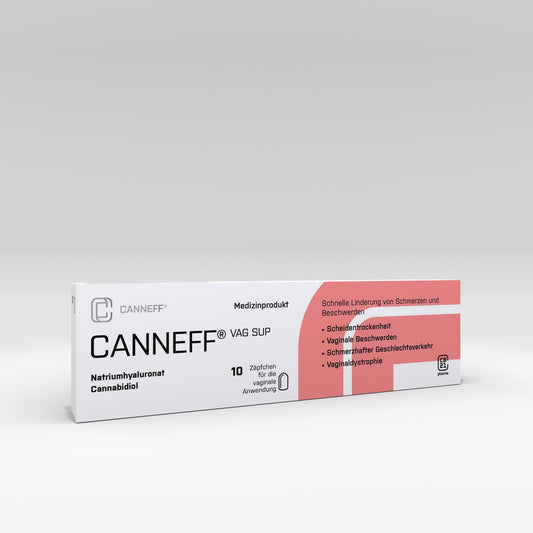
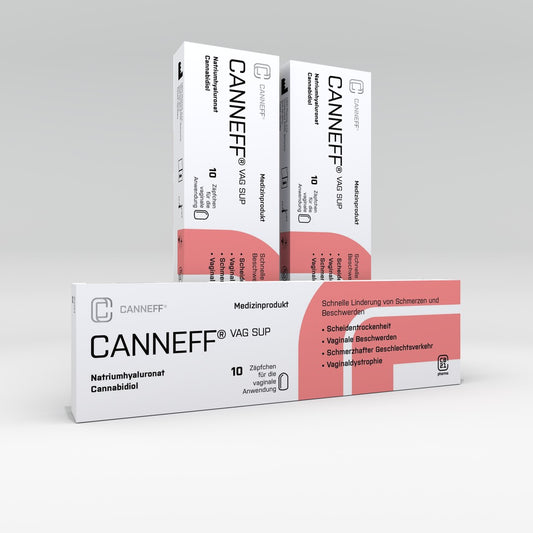
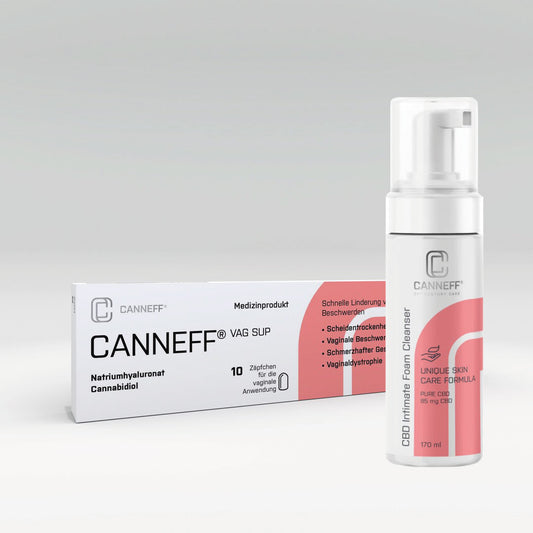
Medically, antispasmodics like butylscopolamine can help, while loperamide is used for short-term diarrhea treatment. CANNEFF® Vaginal Suppositories offer another innovative option by acting anti-inflammatory and calming the nervous system. This can help relax the over-irritated intestines.
Light nutrition, herbal remedies, and targeted medications can help relieve PMS-related diarrhea.
|
Measure |
Effect |
|
Light, low-fiber diet |
Protects the intestines and prevents additional irritation |
|
Ginger or fennel tea |
Soothes the stomach |
|
Electrolytes (e.g., broth) |
Prevent dehydration due to fluid loss |
|
Anti-inflammatory, can soothe the body |
If diarrhea is very severe, medications like loperamide can help temporarily to slow down bowel activity.
PMS or irritable bowel syndrome? Interpreting the symptoms correctly
Since irritable bowel syndrome (IBS) also causes digestive complaints, it can be difficult to distinguish it from PMS diarrhea. A main difference lies in the timing: PMS diarrhea occurs only in the second half of the cycle, while IBS symptoms exist independently of the cycle. The type of symptoms also often differs – while PMS-related diarrhea is mostly linked to hormonal fluctuations, people with IBS react sensitively to certain foods or stress.
|
Characteristic |
PMS diarrhea |
Irritable bowel syndrome (IBS) |
|
Time course |
Only in the second half of the cycle |
Independent of the cycle |
|
Triggers |
Hormonal fluctuations |
Stress, nutrition |
|
Accompanying symptoms |
Lower abdominal cramps, breast tenderness |
Bloating, persistent abdominal pain |
|
Relief |
Heat applications, tea, CANNEFF® |
Diet adjustment, stress management |
While PMS diarrhea usually occurs a few days before the period and improves with its onset, irritable bowel syndrome symptoms are often independent of the cycle and frequently occur after certain meals.
|
Characteristic |
PMS diarrhea |
Irritable bowel syndrome |
|
Cycle dependence |
Yes |
No |
|
Improvement after the period |
Yes |
No |
|
Connection with certain foods |
No |
Yes |
Women who regularly suffer from unclear digestive problems should therefore consider a medical evaluation.
PMS diarrhea can easily be confused with irritable bowel syndrome, as both conditions involve digestive problems.
|
Characteristic |
PMS diarrhea |
Irritable bowel syndrome |
|
Timing |
Shortly before the period |
Independent of the cycle |
|
Accompanying symptoms |
Breast tenderness, mood swings |
Bloating, stress dependence |
|
Improvement |
After the start of the period |
Nutrition and stress reduction |
Anyone experiencing regular digestive problems over several months should have it checked whether irritable bowel syndrome is present.
Diet for PMS diarrhea: Which foods are helpful?
The right diet can help alleviate PMS-related diarrhea. Low-fiber foods like white bread, rice, and bananas are easy to digest and soothe the gut. Those prone to bloating should avoid legumes and cabbage. Probiotic foods such as natural yogurt or fermented products can support the gut flora and prevent digestive complaints. Proper nutrition can help reduce PMS diarrhea.
|
Well tolerated |
To avoid |
|
Rice, potatoes, rusk |
Fatty, spicy foods |
|
Bananas, apples |
Coffee, alcohol |
|
Chamomile tea, fennel tea |
Sugary drinks |
Conscious nutrition in the second half of the cycle can help prevent gastrointestinal complaints.
Hormonal fluctuations and digestive issues – the underestimated connection
Hormonal changes affect bowel movement and the composition of the gut flora. Especially serotonin, which is known not only as the "happiness hormone" but is also active in the gut, plays a role. A low serotonin level can cause both mood swings and digestive problems.
Why can PMS cause both constipation and diarrhea?
The interplay of hormones explains why women can experience both diarrhea and constipation before their period. While high progesterone levels relax the intestinal muscles and lead to constipation, increased prostaglandins shortly before the period cause increased intestinal activity and trigger diarrhea. Stress and changes in food intake during this phase can also promote both symptoms. Hormonal fluctuations can lead to completely opposite effects.
|
Phase |
Gut reaction |
|
High progesterone levels |
Constipation |
|
Decreasing progesterone |
Diarrhea |
Women who experience both constipation and diarrhea should pay special attention to a balanced diet and probiotic support.
PMS diarrhea: When should you see a doctor?
While PMS diarrhea is usually harmless, there are situations where medical evaluation is advisable. These include severe, prolonged diarrhea, blood in the stool, sudden weight loss, or additional symptoms such as fever or severe cramps. Also, if digestive problems occur independently of the cycle or worsen with each period, another cause might be present. Those who regularly struggle with severe gastrointestinal complaints should consider a medical examination to rule out conditions like endometriosis, food intolerances, or chronic intestinal inflammations.
Probiotics and PMS diarrhea: Can the gut flora help?
A healthy gut helps reduce PMS symptoms. Probiotics, meaning beneficial gut bacteria, can help stabilize the balance of the gut flora and alleviate digestive problems. Particularly helpful are probiotic foods like yogurt, sauerkraut, or fermented products. Those who regularly suffer from PMS-related diarrhea can achieve long-term improvement with targeted probiotic intake.
|
Probiotic foods |
Effect on the gut |
|
Natural yogurt |
Supports the gut flora |
|
Sauerkraut |
Promotes good bacteria |
|
Kefir |
Strengthens the immune system |
Additionally, CANNEFF® vaginal suppositories can help relax the body and naturally relieve PMS symptoms. Their anti-inflammatory properties contribute to improving overall well-being and reducing PMS-related discomfort.