

Why does a bladder infection frequently occur after sexual intercourse?
A bladder infection after sexual intercourse, often called Honeymoon cystitis referred to as, occurs because mechanical friction during sexual intercourse transfers bacteria from the anal and vaginal areas near the urethra. Especially Escherichia coli (E. coli), a common intestinal bacterium, can easily ascend into the bladder and cause an infection.
Anatomical factors: Women are particularly affected because their urethra is shorter and closer to the anal and vaginal regions, which facilitates the entry of bacteria.
Friction and micro-injuries: Sexual intercourse can irritate the mucous membranes and cause micro-injuries, weakening the protective barrier. Read more about fissures and lesions in the intimate area.
Altered vaginal environment: Hormonal fluctuations or contraceptives containing spermicide can alter the vaginal environment, displacing beneficial lactic acid bacteria. This promotes the colonization of harmful germs.
Insufficient hygiene: Bacteria from the intestinal area can enter the urethra through anal sex or improper intimate hygiene.
Find all information here about the causes of a bladder infection.

What preventive measures can be taken against a bladder infection after sex?
To prevent a bladder infection after sexual intercourse (honeymoon cystitis), targeted preventive measures can help minimize the transfer of bacteria to the urinary tract and reduce the risk of infection:
Hygiene before and after sex
Before sexual intercourse: Clean the intimate area with warm water without using harsh soaps or intimate lotions to preserve the skin's natural acid mantle.
After sexual intercourse: Empty the bladder completely within 15–30 minutes to flush out potentially introduced bacteria.
Proper contraception
Avoid chemical contraceptives like spermicide gels or creams, as they can disrupt the vaginal flora.
Use of condoms: These reduce the transmission of bacteria and additionally protect against sexually transmitted diseases.
Fluid intake
Drink enough water to continuously flush the urinary tract and wash out bacteria.
Lactic acid bacteria and vaginal environment
Support the vaginal flora with probiotic foods like yogurt or special lactic acid suppositories. An acidic vaginal environment (pH 3.8–4.5) inhibits the growth of harmful bacteria.
Caution with certain practices
Never switch directly from anal to vaginal intercourse to avoid transferring intestinal bacteria. Ensure intimate toys are cleaned before each use.
Looser clothing
Wear breathable cotton underwear and avoid tight clothing that traps moisture and heat, as these create a favorable environment for germs.
Nutritional support
Cranberry products (e.g., juice or capsules) can make it harder for bacteria to adhere to the bladder wall.
D-Mannose: This natural sugar binds E. coli bacteria and helps flush them out.
Regular intimate care products
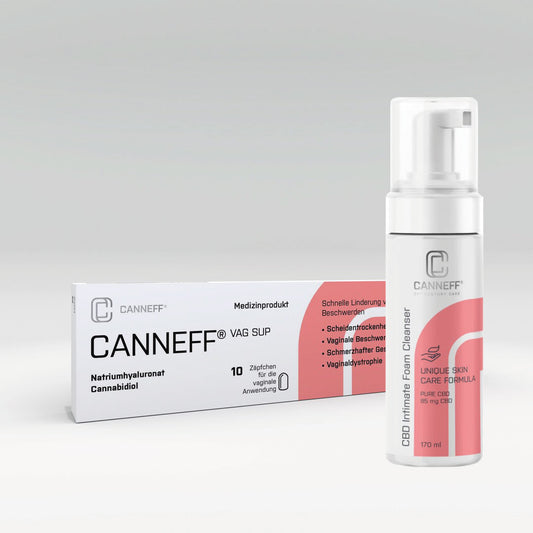
Use gentle care products like CANNEFF intimate care foam to protect the mucous membranes and promote the balance of the flora.
These measures can significantly reduce the risk of a urinary tract infection after intercourse for many women. If infections occur frequently, medical advice is recommended for further preventive or therapeutic options.
How can the risk of a urinary tract infection after sex be minimized?
The risk of a urinary tract infection after sex can be minimized by the following measures:
Empty the bladder: Empty the bladder completely immediately after intercourse to flush out bacteria.
Intimate hygiene: Clean the intimate area before and after sex with warm water, avoiding aggressive cleaning agents.
Strengthen vaginal flora: Use probiotics or lactic acid suppositories to maintain a healthy vaginal environment.
Use condoms: These protect against unwanted germs and infections.
Caution with contraceptives: Avoid chemical contraceptives like spermicide gels as they disrupt the vaginal flora.
Drink enough fluids: Promotes flushing out bacteria from the urinary tract.
Avoid switching practices: No direct switch from anal to vaginal intercourse.
These preventive measures are especially effective in preventing bladder infections after intercourse. Learn more here about the possible causes of bladder infections.
What treatment options are available for a bladder infection after intercourse?
The treatment of a bladder infection after intercourse includes:
Antibiotics: For bacterial infections, especially with severe symptoms or risk groups.
Painkillers and antispasmodics: To relieve symptoms such as pain and cramps.
Home remedies: Drink plenty of water, bladder teas, and apply heat.
Preventive antibiotics: For frequently recurring infections, a doctor may recommend preventive use after intercourse.
Herbal preparations: Products with anti-inflammatory and antibacterial ingredients like cranberry or D-mannose can provide supportive effects.
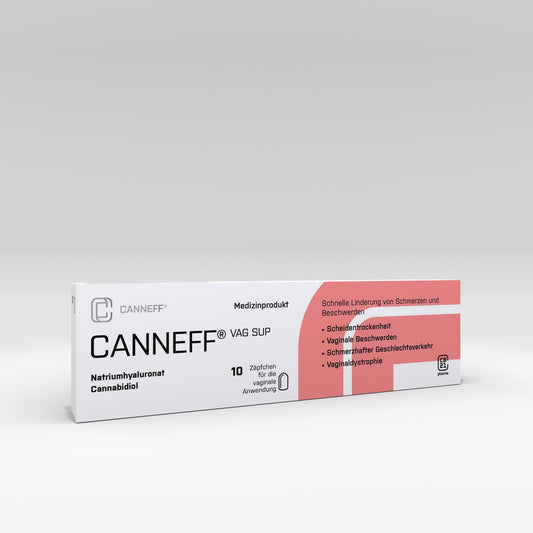
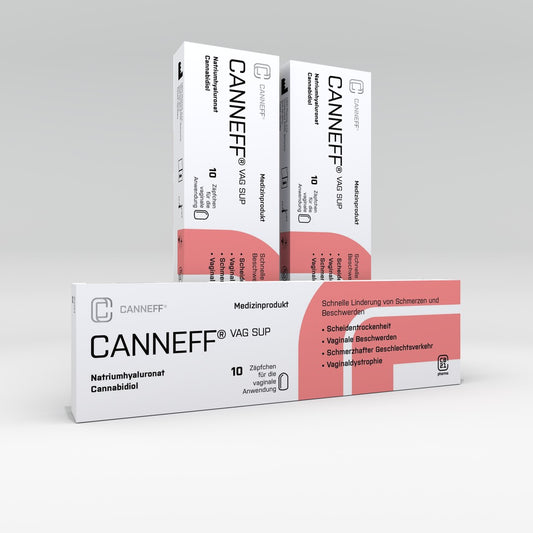
CANNEFF suppositories: CANNEFF VAG SUP suppositories are used to relieve symptoms such as itching, vaginal dryness, and burning. They help strengthen and regenerate the mucous membrane and prevent recurring inflammations in the intimate area or pain during intercourse. Read more here about the treatment of bladder infections with suppositories.
For more information on treatment, see our blog post: Treatment of a bladder infection.
Are there special hygiene practices to observe after sex?
Yes, the following hygiene practices can help:
Empty the bladder: Immediately after sex to flush out bacteria.
Clean the intimate area: With warm water, without harsh soaps.
Use condoms: Protection against infections and preservation of the vaginal flora.
Avoid switching from anal to vaginal intercourse, to avoid transmitting germs.
How does the choice of contraceptives affect bladder infections?
The choice of contraceptives can influence the risk of bladder infections:
Spermicides (e.g., gels, suppositories): Can disrupt the vaginal flora and promote infections.
Diaphragm: Increases infection risk by putting pressure on the bladder.
IUD: Can promote inflammation in some cases.
Condoms: Provide protection against infections, especially sexually transmitted germs.
The use of contraceptives should be individually adjusted and discussed with a doctor in case of recurring bladder infections.
Which symptoms of a bladder infection after sex should not be ignored?
|
Symptom |
Description |
Reason for attention |
|
Burning sensation when urinating |
Pain or severe burning during urination |
Indication of a urinary tract infection or mucosal damage |
|
Frequent urge to urinate |
Urgency to urinate very frequently in small amounts |
May indicate an early infection or bladder irritation |
|
Blood in the urine |
Reddish or brownish urine |
Possible sign of an advanced infection or mucosal damage |
|
Lower abdominal pain |
Pain in the lower abdomen area |
Indication of inflammation of the bladder lining |
|
Fever or chills |
Increased body temperature, often accompanied by chills |
Possible indication of an ascending infection (e.g., pyelonephritis) |
|
Back pain |
Pain in the kidney area |
Indication of an advanced infection that may affect the upper urinary tract |
|
Cloudy or foul-smelling urine |
Change in urine color or an unpleasant odor |
Indication of bacterial infections |
Symptoms occurring after sexual intercourse such as burning during urination, frequent urge to urinate, or lower abdominal pain are typical signs of a bladder infection and should be closely monitored. However, blood in the urine, fever, or back pain may indicate a serious infection, such as an ascending urinary tract infection or pyelonephritis. Cloudy or foul-smelling urine can also indicate bacterial infections.
These symptoms require prompt medical evaluation as they may indicate complications or a progressing infection. Early diagnosis and treatment are essential to avoid serious consequences. If these symptoms occur, visiting a doctor is strongly recommended. Read more about the symptoms of bladder infections here.
How soon should you see a doctor after symptoms appear?
You should see a doctor within 1–2 days after symptoms such as burning during urination, fever, back pain, or blood in the urine appear. In cases of severe pain or signs of an ascending infection (e.g., pyelonephritis), immediate medical evaluation is necessary. Find all information about the doctor’s visit for bladder infections here.
What role does urinating immediately after sexual intercourse play in preventing bladder infections?
Urinating immediately after sexual intercourse effectively flushes out bacteria that may have entered the urethra. This significantly reduces the risk of a bladder infection. Read more here about the causes of bladder infections, as well as information on therapy and treatment for bladder infections.