

Why does nipple pain occur during menopause?
During menopause, the hormonal balance changes significantly. Estrogen and progesterone, two hormones responsible for the cycle and breast tissue health, are especially affected.
|
Cause |
Description |
|
Hormonal fluctuations |
Declining progesterone levels and temporarily high estrogen levels lead to water retention and sensitivity. |
|
Estrogen dominance |
In early perimenopause, a relative estrogen excess can cause the breast tissue to swell. |
|
Reduced skin elasticity |
Less collagen and elastin make the nipples more sensitive to friction. |
|
Changes in blood circulation |
Estrogen regulates the blood vessels. A decline leads to altered sensations in the breast. |
|
Changed breast tissue |
Glandular structures decrease while fatty tissue increases. This changes the breast's sensitivity. |
Additionally, mechanical friction from clothing or an ill-fitting bra can intensify the pain.
Which hormonal changes affect nipple sensitivity?
Hormonal changes are the main cause of nipple pain during menopause. The interaction of estrogen, progesterone, and other hormones significantly affects breast tissue and can lead to feelings of tension, tenderness, and pain.
Estrogen and progesterone – the hormonal balance is disrupted
Estrogen is primarily responsible for the growth and density of breast glandular tissue. With the onset of menopause, estrogen levels decrease, causing the glandular tissue to regress. This change can make the breast less firm but simultaneously more sensitive to touch.
Progesterone has a regulatory function in young years by balancing the growth-promoting effect of estrogen. However, during menopause, progesterone levels drop faster than estrogen levels. This leaves estrogen's effect uncontrolled, which can lead to water retention in the breast tissue. The result is feelings of tension, nipple hypersensitivity, and occasional pain.
Testosterone and its role in fat distribution
Testosterone, which occurs in small amounts in the female body, also decreases during menopause. This hormone influences fat distribution and muscle tone. A decline can cause breast tissue to feel softer, lose firmness, and become more sensitive to pressure or touch.
Nipple pain caused by prolactin?
Although prolactin is primarily responsible for milk production during breastfeeding, it can remain slightly elevated in some cases during menopause. An increased prolactin level can also lead to breast tightness and sensitive nipples. Women suffering from severe breast discomfort should therefore consider a hormonal examination to clarify possible imbalances.
What non-hormonal causes can nipple pain have during menopause?
In addition to hormonal changes, there are a number of non-hormonal factors that can trigger or worsen nipple pain:
|
Cause |
Description |
|
Mechanical irritation |
A poorly fitting bra or rough fabrics can further irritate the nipples. |
|
Dry skin |
Estrogen deficiency can lead to dry, cracked skin that is more sensitive to friction. |
|
Stress |
Elevated cortisol levels can promote inflammatory processes and intensify breast pain. |
|
Increased salt intake |
Promotes water retention and increases feelings of tightness in the breast. |
|
Medications |
Some antidepressants or hormone preparations can have breast pain as a side effect. |
What does nipple pain feel like during menopause and when is it concerning?
Nipple pain during menopause can manifest in different ways. Many women report an unpleasant pulling or burning sensation that is either constant or occurs in episodes. Some feel more of a tightness, as if the breast is larger or swollen, while others complain of increased nipple sensitivity, especially noticeable when touched or rubbed by clothing. It can even happen that lying on the stomach or wearing a bra is perceived as uncomfortable.
Typically, this pain affects both nipples simultaneously, with intensity fluctuating from day to day. This is mainly due to hormonal fluctuations during perimenopause, which temporarily affect the breast tissue. In some cases, the pain may be unilateral, especially if external factors such as an incorrect bra size or mechanical friction from tight clothing play a role.
While nipple pain during menopause is usually harmless, there are certain signs that should be medically evaluated. If the pain occurs suddenly and intensely, is unilateral, or is accompanied by other symptoms such as a palpable hardening in the breast, inverted nipples, or skin changes, a gynecological examination should be performed. If bloody or unusual discharge comes from the nipple, evaluation is also advisable. Although such symptoms are usually harmless, they can in rare cases indicate serious conditions such as inflammation or even breast cancer.
Could breast cancer be behind nipple pain during menopause?
Fear of breast cancer is one of the biggest concerns when pain or changes occur in the breast. However, nipple pain during menopause is rarely a direct sign of a malignant disease. In most cases, the symptoms are due to hormonal fluctuations or harmless changes in the breast tissue. Nevertheless, there are certain warning signs for which a medical examination is strongly recommended.
A common sign of breast cancer is not just pain, but a noticeable change in breast tissue. If the nipple suddenly becomes inverted, changes shape, or skin changes such as redness, scaling, or hardening occur, this should be taken seriously. Particularly suspicious are painless, firm lumps that cannot be moved, as well as unilateral changes that persist over a longer period.
Regular self-examination of the breast is an important measure to detect changes early. Women in menopause should pay attention to noticeable hardenings or lumps in the breast area and have a mammogram or ultrasound examination if uncertain. However, it is important not to panic: most breast pains during menopause have harmless causes and disappear on their own over time.
When is an examination necessary?
-
Unilateral pain lasting longer than four weeks
-
Hardening or palpable lumps
-
Changes in the nipple (e.g., retraction, discoloration, discharge)
-
Skin changes such as redness or scaling
Regular Self-examinations are important to notice changes early.
Which home remedies and natural preparations help against nipple pain?
Many women seek gentle and natural methods to relieve unpleasant nipple pain. A tried-and-true home remedy is the classic quark compress, which has anti-inflammatory effects and cools the irritated skin. For this, a thin layer of quark is spread on a cotton cloth and applied to the painful breast for about 20 minutes. Alternatively, cooling gel pads or chamomile tea compresses can help soothe sensitive nipples.
Another option for relief is gentle massages with essential oils such as lavender or evening primrose oil. These promote blood circulation and help reduce feelings of tension. Daily care with moisturizing creams or oils is also particularly helpful, as dry skin can worsen the discomfort.
Among the herbal preparations that can relieve hormonally caused breast discomfort, chasteberry (Agnus castus) is especially notable. This herbal remedy has been used for centuries to regulate the female hormonal balance and reduce feelings of breast tension. Black cohosh has also proven effective as a herbal remedy, particularly when breast pain is accompanied by hot flashes and other menopausal symptoms.
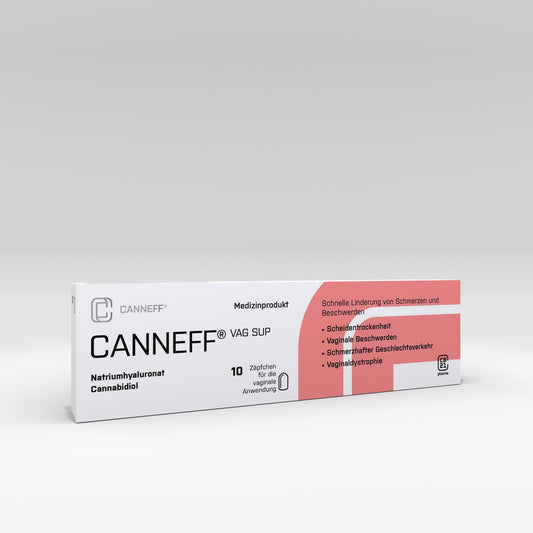
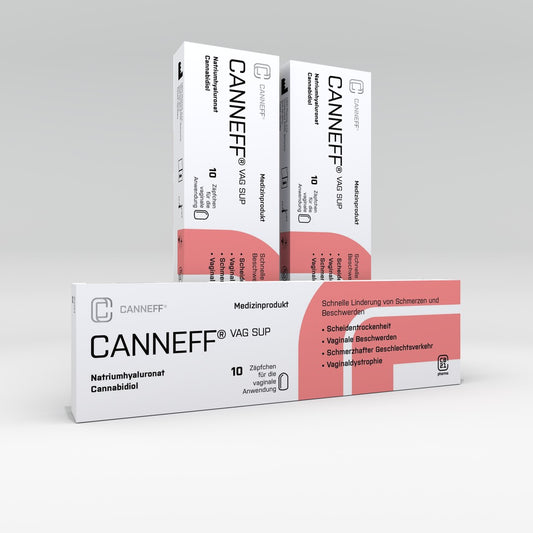
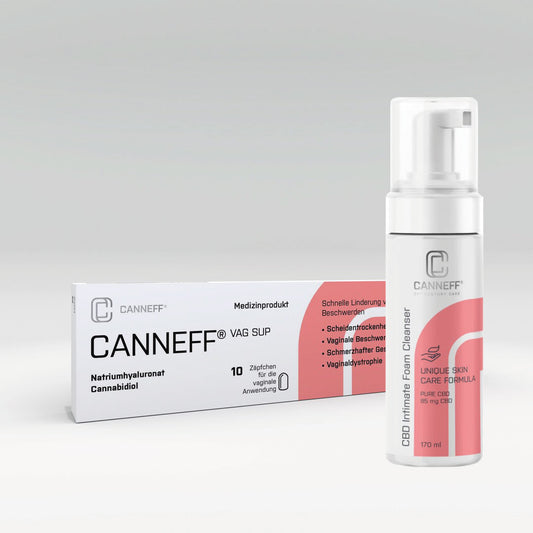
CANNEFF® Vaginal Suppositories can also be a valuable support as they contain ingredients that help relieve hormonally caused dryness of the mucous membranes. Studies have shown that CANNEFF® Vaginal Suppositories provide relief for menopausal symptoms.
How do hormone replacement therapy and alternative treatments work?
Hormone replacement therapy (HRT) can be an effective way to relieve nipple pain during menopause. By targeted administration of estrogen and progesterone, the hormonal balance is stabilized, which can significantly reduce symptoms like breast tenderness or sensitivity. However, this therapy should not be used lightly, as it carries certain risks, including an increased risk of breast cancer with long-term use.
Women who do not want to take hormones can turn to alternative treatments. These include herbal preparations such as phytoestrogens from soy or red clover, which have a mild hormone-like effect. Acupuncture or homeopathic remedies are also often used as gentle alternatives, although their scientific effectiveness is not clearly proven in these cases.
Another promising method is lymphatic drainage, a special massage technique that helps reduce water retention in the breast area. This treatment can be especially helpful when nipple pain is accompanied by swelling or a feeling of tightness.
What role do diet and lifestyle play in relieving nipple pain?
Diet and lifestyle play a crucial role in reducing nipple pain during menopause. For example, a low-salt diet can help minimize water retention, which often accompanies breast tenderness. At the same time, it is advisable to avoid caffeinated drinks like coffee or black tea, as they stimulate the nervous system and can increase pain sensitivity.
Omega-3 fatty acids found in fish, flaxseeds, and walnuts have anti-inflammatory effects and can help relieve hormone-related symptoms. Adequate hydration is also important to support the lymphatic system and reduce swelling.
Regular exercise, especially gentle sports like yoga or swimming, can promote circulation and help relax the chest muscles. Stress management techniques such as meditation or breathing exercises are also helpful, as emotional stress can intensify breast pain.
Women who pay attention to a healthy diet and adjust their lifestyle often report a noticeable improvement in their symptoms.
How can nipple pain be prevented during menopause?
The best way to prevent nipple pain during menopause is to support the body through a healthy lifestyle and targeted measures. A key factor is hormonal balance, which can be positively influenced by diet, exercise, and stress reduction.
A balanced diet with plenty of fresh vegetables, omega-3 fatty acids, and adequate hydration can help reduce inflammation in the body. Foods such as flaxseeds, walnuts, and fatty fish are especially recommended because of their anti-inflammatory properties. At the same time, consumption of caffeinated drinks, alcohol, and processed foods should be reduced as they can negatively affect hormonal balance.
Regular exercise, especially gentle activities like yoga, Pilates, or walking, can help improve circulation and prevent water retention. Additionally, exercise strengthens connective tissue and helps the breast tissue adapt healthily.
A well-fitting bra is another important preventive factor. Many women wear the wrong bra size for years, which leads to unnecessary pressure on the breast tissue. Professional advice in a specialty store can help find the right fit and thus avoid friction and uncomfortable pressure.
Regular breast self-examinations can also have a preventive effect, as they help detect changes early and seek medical evaluation if necessary.
What is the significance of regular breast self-examination during menopause?
Most breast changes that occur during menopause are not permanent. During perimenopause, the transition period before menopause, strong hormonal fluctuations often cause water retention, feelings of tension, and increased nipple sensitivity. These symptoms can occur over months or years with varying intensity but usually subside on their own after menopause.
With the final decline of estrogen and progesterone levels, breast tissue continues to change. The glandular structures in the breast regress while fat tissue increases. This can cause the breast to feel softer overall and reduce previous tension. However, some women notice a loss of volume or some change in shape.
In most cases, pain and tension disappear completely after menopause. However, if symptoms persist or new signs such as hardening or changes in the nipple appear, it is advisable to have a medical examination.
How long do breast symptoms usually last during menopause?
The duration of breast symptoms during menopause varies from woman to woman. While some women only occasionally suffer from sensitive nipples or feelings of tension, others may experience symptoms that persist for years.
Typically, symptoms intensify during perimenopause, the years before the last menstruation. During this phase, hormonal fluctuations are particularly strong, which can affect breast tissue. After menopause, meaning after the complete cessation of periods, symptoms usually subside for most women as hormone levels stabilize at a lower, more constant level.
1–2 years: For about one-third of women, the symptoms disappear relatively quickly after menopause.
3–5 years: Many women experience phases of sensitive or painful nipples repeatedly over several years.
Longer than 5 years: In some cases, the symptoms persist longer, especially if hormonal changes or external factors such as stress or an unbalanced diet continue to play a role.
If the pain lasts unusually long or recurs after menopause, a medical evaluation is advisable.