

Are there alternative treatment options for vaginal infections?
Alternative treatment options for vaginal infections are becoming increasingly important, especially when women are sensitive to conventional medications or are looking for gentle, complementary methods. Key approaches include lactic acid treatments, probiotic preparations to stabilize the vaginal flora, herbal suppositories with soothing and anti-inflammatory ingredients, as well as methods like acupuncture or nutritional therapy. These methods aim to support the body's self-healing powers, strengthen the microbiome, and sustainably regenerate the vaginal mucosa. Particularly with chronic recurring symptoms, an individual, holistic approach can help identify triggers and reduce the risk of new infections in the long term. However, alternative therapy does not replace medically necessary treatment in severe or infectious cases and should always be done in consultation with a gynecologist.
|
Alternative Method |
Purpose of Application |
Suitability for Colpitis |
|
Lactic Acid Treatments |
Regulate pH value, build up vaginal flora |
Very good for dysbiosis and prevention |
|
Probiotics (oral/vaginal) |
Build up beneficial bacteria |
Ideal after antibiotics or recurrences |
|
Acupuncture |
Stress regulation, hormone balance, immune system |
Complementary for chronic colpitis |
|
Nutritional Therapy |
Anti-inflammatory, immune-strengthening |
Important for fungal infections |
|
Homeopathy |
Symptom relief on an energetic level |
Supportive in mild cases |
|
Regeneration, anti-inflammatory |
Good for mucous membrane irritation |
What benefits do lactic acid treatments offer for stabilizing the vaginal flora?
Lactic acid treatments are a proven measure to stabilize the vaginal microbiome. They serve to restore the natural pH value in the vagina to an acidic range, which promotes the growth of healthy lactobacilli and inhibits the proliferation of harmful germs. Especially after antibiotic treatment or in cases of existing dysbiosis, the vaginal flora can become imbalanced. A local treatment with lactic acid preparations—whether in the form of vaginal suppositories or gels—supports the recolonization with protective lactic acid bacteria. This makes the mucous membrane more resistant to infections and inflammations. For women with recurring colpitis, regular use of these treatments can be an effective part of prevention.
How effective are homeopathic remedies for colpitis?
The effectiveness of homeopathic remedies for vaginal infections is not scientifically proven but is subjectively experienced as relieving by some patients. Homeopathy follows the principle of stimulating the body’s self-regulation through highly diluted stimuli. Remedies such as Sepia, Nux vomica, or Pulsatilla are often recommended for genital complaints. In mild cases or as a complementary measure, homeopathy can contribute to a better body awareness but does not replace targeted treatment of the infection. In cases of confirmed bacterial, viral, or fungal causes, a thorough therapy should always be carried out. Therefore, homeopathic remedies are better considered part of a holistic therapeutic approach, not as a sole solution.
What role does nutrition play in alternative treatment?
Nutrition plays a significant role in the alternative treatment of colpitis. A stable blood sugar level, a healthy gut flora, and targeted intake of anti-inflammatory nutrients can strengthen the immune system and indirectly positively influence vaginal health. A low-sugar, high-fiber diet rich in vegetables, fermented foods like sauerkraut or yogurt, and sufficient omega-3 fatty acids can promote balance in the body. Especially in fungal infections, reducing sugar and refined flour products is recommended, as yeast fungi use these nutrients as a growth basis. An individually tailored nutritional therapy can therefore make an important contribution to prevention in recurring vaginitis.
Is acupuncture a meaningful complementary therapy?
Acupuncture can be a meaningful supportive measure for chronic or stress-related colpitis, especially when symptoms occur during hormonal transition phases such as menopause. By precisely placing needles at specific points, energetic blockages in the body are intended to be released and the organism brought back into balance. Studies show that acupuncture can have positive effects on hormonal regulation, pain perception, and autonomic functions. Although it does not have a targeted antimicrobial effect, it can improve overall well-being, promote blood circulation, and support mucous membrane regeneration. However, it is important that acupuncture is always performed by a qualified professional and considered a complementary, not a replacement, therapy.
Can alternative methods replace antibiotics?
Alternative methods can only replace antibiotics in a vaginal infection if there is no severe infection with specific pathogens. In cases where the inflammation arises from an imbalance of the environment or nonspecific irritants, mild alternative treatment is often sufficient. However, once a bacterial pathogen such as Gardnerella vaginalis, chlamydia, or gonococci is detected, taking antibiotics remains necessary to fully eliminate the infection. Herbal or probiotic measures can sensibly complement conventional medical therapy but cannot replace it. The decision about the treatment form should always be made in consultation with a doctor to avoid complications.
Which probiotics help with vaginal infections?
Probiotics can have a positive effect on vaginal health by supporting the colonization of the vagina with beneficial lactic acid bacteria. Particularly lactobacillus strains such as Lactobacillus rhamnosus, Lactobacillus reuteri, and Lactobacillus crispatus have proven useful in studies. These probiotic cultures can be administered both orally and vaginally, with local applications supporting the direct rebuilding of the vaginal flora. They contribute to acidifying the environment, displacing harmful germs, and promoting mucosal immunity. Targeted use of probiotics is especially useful after antibiotic therapies, during menopause, or in chronic colpitis.
How can the immune system be strengthened alternatively in colpitis?
A strengthened immune system forms the basis for defending against vaginal infections. Besides a balanced diet and regular exercise, targeted micronutrient intake can help improve the immune response. Especially vitamin D, zinc, vitamin C, and selenium play an important role in mucosal immunity. Likewise, herbal adaptogens such as echinacea or ashwagandha can modulate the body's defense. Stress management—through mindfulness, yoga, or breathing exercises—can calm the nervous system and positively influence mucosal function. Combined, these measures help make the vaginal flora more resilient and reduce the risk of recurrent inflammations.
What alternatives exist for recurring vaginitis?
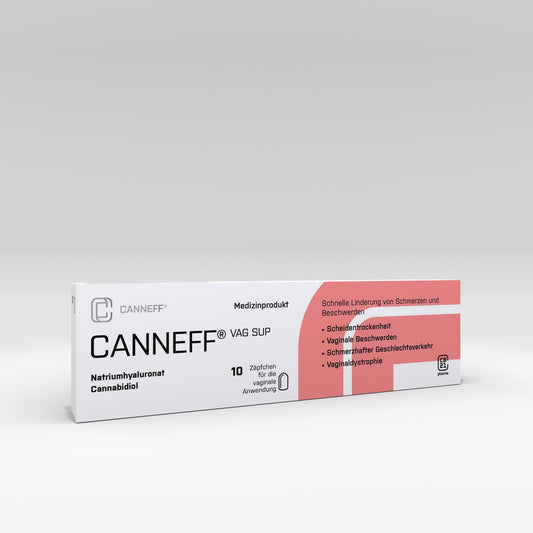
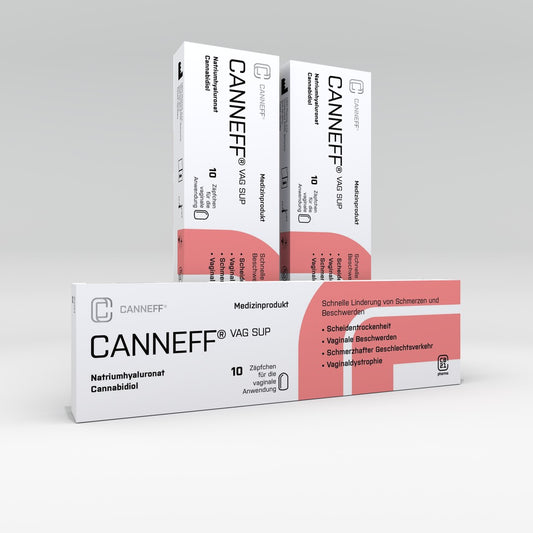
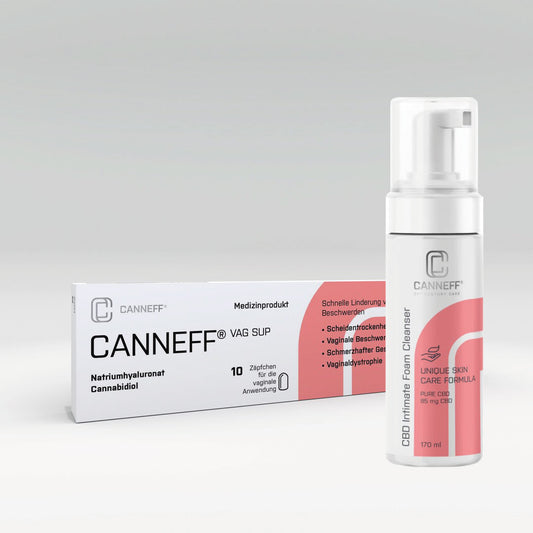
For recurring vaginitis, a comprehensive alternative support strategy is particularly helpful. This includes a combination of locally applied lactic acid preparations, herbal suppositories like CANNEFF® with CBD and hyaluronic acid, probiotic lactobacilli, anti-inflammatory nutrition, and hormonal balance if needed. Psychological stress can also play a role and should be considered. In the long term, individually tailored prevention should be implemented to strengthen vaginal defenses and maintain a stable vaginal environment. Close cooperation between gynecologist, naturopath, and possibly nutritional counseling is recommended in such cases.
Combination of conventional medicine and alternative methods – when is it sensible?
The combination of conventional medicine and alternative methods is especially sensible when they complement each other without contradicting their mechanisms of action. While antibiotics or antifungals target the pathogen in acute infections, herbal remedies, lactic acid treatments, or probiotics can promote mucosal regeneration and prevent relapses. Acupuncture, micronutrient therapy, and nutrition also play roles in holistic treatment. It is crucial that therapies are professionally coordinated, individually adapted, and that the patient feels well supported both physically and mentally. This integrative treatment approach has increasingly proven effective in modern gynecology.