

How is lichen sclerosus treated?
The treatment of lichen sclerosus involves several therapy components that are combined depending on the severity of the disease:
|
Treatment option |
Effect |
|
Cortisone-containing creams |
Anti-inflammatory, reduces itching and prevents scarring. |
|
Nourishing creams & ointments |
Supports the skin barrier, reduces dryness. |
|
Calcineurin inhibitors (Tacrolimus, Pimecrolimus) |
Immunomodulating, can be used as an alternative to cortisone. |
|
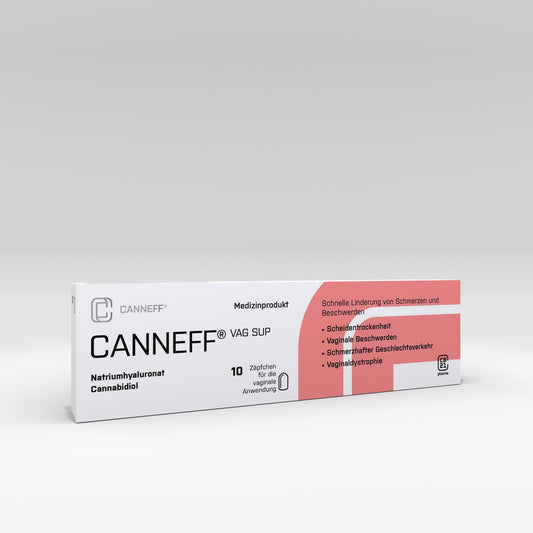
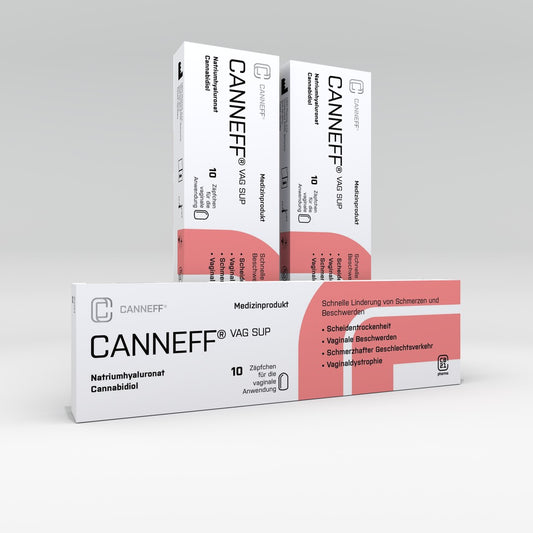
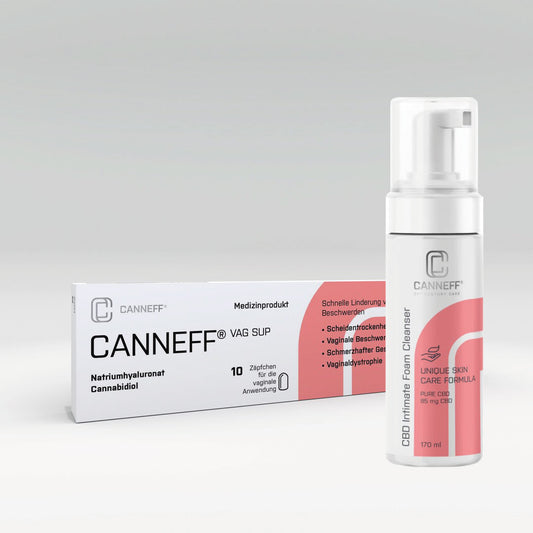
Vaginal suppositories (e.g., CANNEFF® VAG SUP) |
Supports moisture regulation and promotes regeneration. |
|
Hormone therapy (estrogen creams) |
Can support hormonal influence. |
|
Surgical measures (in men) |
Circumcision can help with severe phimosis. |
|
Intimate hygiene & care |
Important to reduce irritation and infections. |
|
Dietary changes |
Anti-inflammatory diet can have supportive effects. |
Which creams help with lichen sclerosus?
Creams play a central role in the treatment of lichen sclerosus. The choice of the right cream depends on the symptoms and severity.
|
Type of cream |
Effect |
|
Cortisone-containing creams (Clobetasol propionate 0.05%) |
Reduces inflammation and slows disease progression. |
|
Hyaluronic acid-containing products (e.g., CANNEFF® VAG SUP) |
Promotes moisture and regeneration of the mucous membrane. |
|
Nourishing fatty creams |
Protects the skin barrier and reduces dryness. |
|
Calcineurin inhibitors (Tacrolimus, Pimecrolimus) |
Alternative for patients who cannot tolerate cortisone. |
|
Estrogen creams |
Can be used additionally for vaginal atrophy during menopause. |
Regular use is crucial to control symptoms and prevent skin changes.
Can lichen sclerosus be treated with cortisone?
Yes, cortisone ointments are the standard therapy for lichen sclerosus. They have anti-inflammatory effects and help reduce itching, pain, and skin changes.
Treatment guidelines with cortisone:
-
Initially daily use for 6–12 weeks.
-
Then gradual Tapering off of therapy (e.g., 2–3 times per week).
-
Long-term maintenance therapy as needed.
Cortisone is effective but can cause long-term use side effects cause skin thinning. Therefore, patients should be medically monitored.
Are there alternative treatment methods for lichen sclerosus?
Besides classic cortisone therapy, there are some alternative approaches that can help:
|
Alternative treatment |
Benefits |
|
Calcineurin inhibitors (Tacrolimus, Pimecrolimus) |
Acts immunomodulatory and is a cortisone alternative. |
|
Hyaluronic acid & CBD (e.g., CANNEFF® VAG SUP) |
Moisturizes, relieves pain, and supports mucous membrane regeneration. |
|
Photodynamic therapy (PDT) |
Light-based therapy to reduce inflammation. |
|
Platelet-rich plasma (PRP) |
Promotes skin regeneration through growth factors. |
These methods do not replace cortisone but can serve as supplementary or long-term therapy options can be helpful.
Can lichen sclerosus be treated without cortisone?
Yes, but treatment without cortisone is often less effective. Alternatives include:
-
Calcineurin inhibitors (Tacrolimus, Pimecrolimus)
-
Hyaluronic acid suppositories like CANNEFF® VAG SUP
-
Dietary changes to reduce inflammatory processes
-
Gentle skincare to stabilize the skin barrier
Cortisone-free therapy approaches are an option for patients who do not tolerate or want to avoid long-term wish.
Which skincare products are suitable for lichen sclerosus?
The right care helps strengthen the skin barrier and relieve symptoms. Recommended are:
-
Hyaluronic acid-containing products (e.g., CANNEFF® VAG SUP)
-
Perfume-free, fatty creams
-
Gentle wash lotions without soap
-
Soft cotton underwear to avoid friction
Affected individuals should avoid irritating products such as intimate deodorants, scented shower gels, or moist cleansing wipes.
Can a dietary change relieve lichen sclerosus?
An anti-inflammatory diet can be supportive. Recommended are:
|
Diet |
Benefits |
|
Omega-3 fatty acids (fish, flaxseed oil) |
Has anti-inflammatory effects. |
|
Antioxidants (berries, green vegetables) |
Reduces oxidative stress. |
|
Gluten-free diet |
Can be helpful if gluten intolerance is also present. |
|
Avoid sugar & processed foods |
Can reduce inflammatory reactions in the body. |
A individual nutritional counseling can be useful.
How important is intimate hygiene in lichen sclerosus?
A gentle intimate care is essential to avoid irritation. Recommendations:
-
Use mild, soap-free wash lotions
-
Do not over-cleanse the intimate area (maximum 1–2 times daily)
-
After washing, follow up with nourishing ointments
-
Do not use intimate sprays, fragrances, or irritating wet wipes
In addition, tight, synthetic clothing should be avoided because it causes irritation.
Are there medications to treat lichen sclerosus?
In addition to cortisone ointments, the following medications are sometimes used:
-
Immunosuppressants (Tacrolimus, Pimecrolimus)
-
Estrogen ointments for vaginal atrophy
-
Pain-relieving or anti-inflammatory creams
-
Antihistamines for itching
The choice of medication depends on the individual symptoms.
How long does the treatment of lichen sclerosus last?
Lichen sclerosus is incurable, so treatment requires lifelong care and monitoring.
|
Treatment phase |
Duration |
|
Acute therapy with cortisone |
6–12 weeks, then reduction. |
|
Maintenance therapy |
Several times a week, as needed. |
|
Skin care & moisture therapy |
Permanently required. |
Consistent treatment helps to minimize symptoms and avoid complications.