

Which medications work best against a bladder infection?
The treatment of a bladder infection depends on the severity of the infection. In uncomplicated cases, a bladder infection can often be treated with plenty of fluids, bladder teas, and home remedies. However, if severe symptoms occur or complications threaten, medications are necessary.
|
Medication type |
Effect |
Examples |
When to use? |
|
Antibiotics |
Fight bacterial infections and prevent spread |
Fosfomycin, nitrofurantoin, trimethoprim, ciprofloxacin |
For moderate to severe infections or persistent symptoms |
|
Painkillers & anti-inflammatory agents |
Relieve pain, reduce fever, and decrease inflammation |
Ibuprofen, paracetamol, metamizole |
For severe pain or fever |
|
Spasmolytics (antispasmodics) |
Relax bladder muscles, reduce urgency and pain |
Butylscopolamine (Buscopan) |
For cramp-like symptoms |
|
D-mannose & herbal preparations |
Support urinary tract health and prevent bacteria from adhering |
D-mannose, bearberry leaves, goldenrod herb, cranberry extract |
For prevention or support in early stages |
|
Support mucous membrane regeneration and soothe inflamed tissue |
For chronic bladder infections, interstitial cystitis (IC), and irritated mucous membranes |
When are antibiotics necessary for a bladder infection?
Antibiotics are not always the first choice for a bladder infection, as many mild infections can heal on their own. However, in certain cases, antibiotic treatment is essential to avoid complications. Antibiotics are necessary when a bladder infection persists, causes severe symptoms, or there is a risk of complications. For mild infections, home remedies and herbal preparations can help support healing. It is important to monitor the course closely and seek medical advice if symptoms worsen.
|
Antibiotic |
Duration of use |
Note |
|
Fosfomycin |
Single dose |
First choice, well tolerated |
|
Nitrofurantoin |
5–7 days |
Specific for urinary tract infections |
|
Trimethoprim |
3–5 days |
Not always effective against resistant bacteria |
|
Ciprofloxacin (fluoroquinolones) |
5–7 days |
Recommended only for severe infections |
Which over-the-counter medications relieve the symptoms?
Over-the-counter medications can relieve the symptoms of a bladder infection and support healing. However, they do not replace medical treatment if the infection is severe or complications arise.
|
Active ingredient |
Effect |
Dosage |
|
Ibuprofen (e.g., Ibu 400, Dolormin®) |
Anti-inflammatory, pain-relieving |
200–400 mg every 6–8 hours (max. 1200 mg/day) |
|
Paracetamol (e.g., Ben-u-ron®, Paracetamol ratiopharm®) |
Pain-relieving, fever-reducing |
500–1000 mg every 6 hours (max. 4000 mg/day) |
|
Acetylsalicylic acid (ASA, e.g., Aspirin®) |
Pain-relieving, blood-thinning (not recommended if blood is in the urine!) |
500 mg every 6–8 hours (max. 3000 mg/day) |
These remedies can help flush the bladder, wash out bacteria, and reduce inflammation:
|
Preparation |
Active ingredient(s) |
Effect |
|
Canephron® |
Goldenrod herb, lovage, rosemary |
Anti-inflammatory, diuretic |
|
Cystinol akut® |
Bearberry leaves |
Antibacterial, helps with early symptoms |
|
Angocin® |
Nasturtium, horseradish |
Natural antibiotics, antibacterial |
|
Solidago Steiner® |
Goldenrod |
Anti-inflammatory, diuretic |
Over-the-counter medications can relieve pain, reduce inflammation, and support bladder function. However, in severe or recurring infections, medical evaluation should always be sought.
What side effects do antibiotics have in bladder infections?
Antibiotics are often necessary to effectively treat a bladder infection (cystitis). They work by killing the bacteria in the urinary tract. However, they can also cause side effects because they not only fight harmful bacteria but also affect the body's natural bacterial flora.
Most antibiotics for urinary tract infections are well tolerated but can have the following side effects:
|
Side effect |
Cause |
Possible symptoms |
|
Gastrointestinal complaints |
Irritation of the stomach lining, change in gut flora |
Nausea, diarrhea, abdominal pain |
|
Vaginal yeast infection (Candida infection) |
Destruction of healthy vaginal flora |
Itching, increased discharge, burning |
|
Allergic reactions |
Hypersensitivity to the active ingredient |
Skin rash, itching, swelling |
|
Fatigue & headaches |
Change in bacterial flora, immune system reaction |
Lack of energy, headaches |
|
Changed urine color |
Some antibiotics affect urine |
Dark yellow, reddish, or orange-colored urine |
|
Bloating & digestive problems |
Disruption of gut bacteria |
Feeling of fullness, cramps |
Not every antibiotic has the same side effects. Here is an overview of the most common active ingredients:
|
Antibiotic |
Typical side effects |
|
Fosfomycin (e.g., Monuril®) |
Gastrointestinal complaints, headaches |
|
Nitrofurantoin (e.g., Furadantin®) |
Nausea, diarrhea, fatigue |
|
Cotrimoxazole (Trimethoprim + Sulfamethoxazole, e.g., Eusaprim®) |
Skin rashes, allergic reactions |
|
Ciprofloxacin (fluoroquinolones, e.g., Ciproxin®) |
Tendon problems, nerve damage, diarrhea |
|
Amoxicillin + Clavulanic acid (e.g., Augmentin®) |
Diarrhea, fungal infections, allergic reactions |
Antibiotics are often necessary, but they can cause side effects. Gastrointestinal problems, fungal infections, or fatigue are common but can often be alleviated through preventive measures. If more severe side effects occur, a doctor should be consulted.
How long does treatment with medication last?
Antibiotics usually act quickly against the bacterial pathogens of a bladder infection. The duration of treatment depends on the specific active ingredient:
|
Antibiotic |
Treatment duration |
Special features |
|
Fosfomycin (e.g., Monuril®) |
1 day (single dose) |
Single dose, especially suitable for uncomplicated infections. |
|
Nitrofurantoin (e.g., Furadantin®) |
5–7 days |
Must be taken regularly, not recommended for complicated infections. |
|
Cotrimoxazole (Trimethoprim + Sulfamethoxazole, e.g., Eusaprim®) |
3–5 days |
Recommended for uncomplicated urinary tract infections. |
|
Ciprofloxacin (e.g., Ciproxin®) |
3–7 days |
Used for complicated infections or resistance. |
|
Amoxicillin + Clavulanic acid (e.g., Augmentin®) |
5–7 days |
Alternative for complicated urinary tract infections. |
Can a bladder infection recur despite antibiotics?
Yes, a bladder infection can recur despite antibiotic therapy. This can have various causes, including incomplete treatment, resistant bacteria, or individual risk factors. Especially women who frequently suffer from urinary tract infections often experience recurrent bladder infections within weeks or months.
|
Cause |
Explanation |
|
Antibiotics not taken completely |
Prematurely stopping therapy can cause bacteria to survive and multiply again. |
|
Resistant bacteria |
Some pathogens are resistant to certain antibiotics, so the infection is not completely eradicated. |
|
Hidden infection sites |
Bacteria can adhere to the bladder wall and become active again after stopping antibiotics. |
|
Unfavorable bladder emptying |
Incomplete bladder emptying can cause bacteria to continue multiplying despite antibiotics. |
|
Weakened immune defense |
People with weakened immune systems (e.g., due to stress, diabetes, or other illnesses) are more susceptible to recurrent infections. |
|
Disruption of vaginal flora by antibiotics |
Antibiotics can also destroy beneficial lactic acid bacteria, increasing the risk of bacterial or fungal infections. |
|
Hormonal factors |
Especially after menopause, estrogen deficiency can make the mucous membranes of the urinary tract more susceptible to infections. |
|
Reinfection from external factors |
Reinfection through bacteria due to improper intimate hygiene, sexual intercourse, or tight synthetic clothing. |
Bladder infections can recur despite antibiotics if the bacteria are not completely eliminated or if contributing factors persist. To prevent recurrent infections, in addition to the correct antibiotic therapy, preventive measures such as good bladder hygiene, herbal preparations, and strengthening the immune system are crucial. In cases of repeated bladder infections, medical evaluation should be conducted to rule out possible underlying conditions.
Are there herbal alternatives to antibiotics?
Yes, there are herbal alternatives to antibiotics that can help treat and prevent bladder infections. These natural remedies have antibacterial, anti-inflammatory, and diuretic effects, helping to flush bacteria from the bladder and reduce the risk of infection. They are especially effective for mild, uncomplicated bladder infections or for prevention.
|
Herbal remedy |
Effect |
Usage |
|
D-mannose |
Binds E. coli bacteria and prevents them from sticking to the bladder wall |
Take daily as powder or capsules with plenty of water |
|
Cranberry extract |
Prevents bacteria from adhering to the bladder |
200–300 ml juice or capsules according to manufacturer’s instructions |
|
Bearberry leaves |
Antibacterial effect due to arbutin |
As tea or capsules, do not use for longer than one week |
|
Goldenrod |
Diuretic, anti-inflammatory |
Drink 2–3 cups of tea per day |
|
Nasturtium & horseradish |
Natural antibiotics with mustard oils against bacteria |
Tablets or fresh preparation as juice or salad |
|
Birch leaves |
Diuretic, flushes out bacteria |
As tea or capsules, promotes bladder flushing |
|
Watercress |
Antibacterial, anti-inflammatory |
Consume fresh in salads or as juice |
|
Aloe Vera |
Soothes irritated mucous membranes and supports regeneration |
Apply directly as a gel on the skin or drink as juice |
|
Supports the bladder lining and has anti-inflammatory effects |
Use 1 suppository daily vaginally or rectally |
Herbal alternatives to antibiotics can naturally fight or prevent a bladder infection. Especially D-mannose, cranberry extract, bearberry leaves, and goldenrod have proven effective. However, it is important to seek medical advice for severe symptoms or complications, as antibiotic therapy may be necessary in serious cases.
Which painkillers help with a bladder infection?
Bladder infections often come with pain and burning during urination, cramps in the lower abdomen, and general discomfort. Painkillers can help relieve these symptoms by reducing inflammation and relaxing the muscles. There are both over-the-counter and prescription medications that can be used depending on the severity of the symptoms.
|
Active ingredient |
Effect |
Usage |
Over-the-counter? |
|
Ibuprofen |
Anti-inflammatory, pain-relieving, fever-reducing |
400–600 mg every 6–8 hours (max. 1200 mg/day without medical advice) |
Yes |
|
Paracetamol |
Pain-relieving, fever-reducing, but not anti-inflammatory |
500–1000 mg every 6–8 hours (max. 3000 mg/day) |
Yes |
|
Naproxen |
Long-lasting anti-inflammatory and pain-relieving effect |
250–500 mg every 8–12 hours |
Yes |
|
Metamizole (Novalgin®) |
Strong pain relief, antispasmodic, fever-reducing |
500–1000 mg up to 4× daily |
Prescription required |
|
Butylscopolamine (Buscopan®) |
Antispasmodic, relaxes the bladder muscle |
10–20 mg up to 3× daily |
Yes |
|
Flavoxate |
Specifically for bladder pain, relaxes the bladder wall |
200 mg 3× daily |
Prescription required |
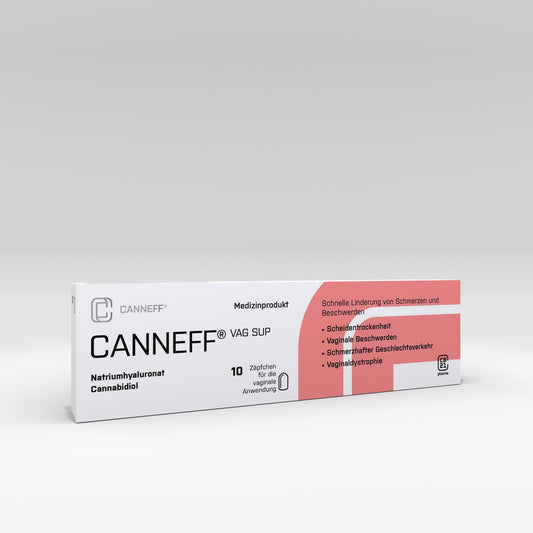
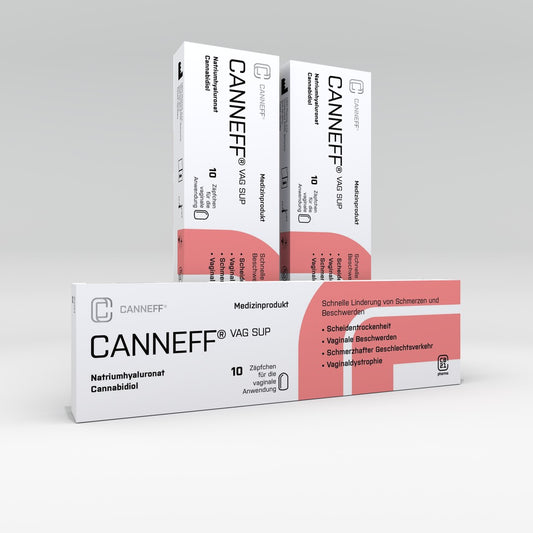
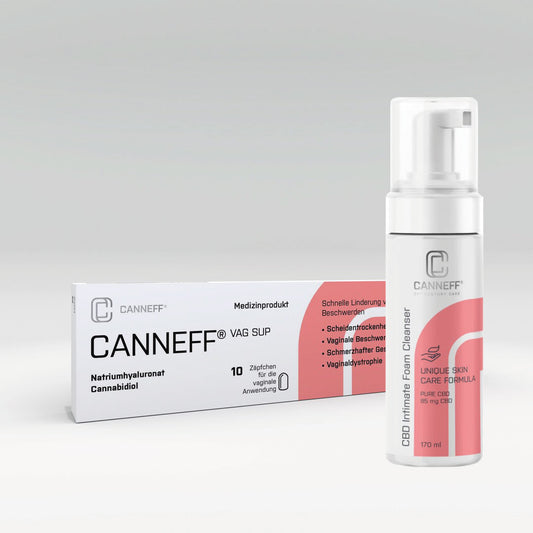
Ibuprofen, paracetamol, and naproxen are common painkillers for bladder infections. Buscopan can help with cramps. Natural alternatives like CANNEFF® suppositories with CBD and hyaluronic acid can additionally soothe the bladder lining and relieve pain. If symptoms last longer than three days or worsen, a doctor's visit is advisable.
When should you switch to another medication?
The choice of the right medication for a bladder infection depends on effectiveness, tolerability, and individual symptoms. A medication change may be necessary if symptoms persist despite treatment or side effects occur.
|
Situation |
Reason for the switch |
Recommended alternative |
|
Pain persists despite painkillers |
The chosen painkiller is not effective enough |
Switch from paracetamol to ibuprofen or naproxen; for severe pain possibly metamizole (prescription required) |
|
Stomach problems caused by ibuprofen or naproxen |
Stomach pain, nausea, or heartburn |
Switch to paracetamol or metamizole (Novalgin®) |
|
Cramp-like bladder pain despite painkillers |
Anti-inflammatory painkillers do not help against cramps |
Supplement with butylscopolamine (Buscopan®) or flavoxate |
|
Intolerance or side effects from antibiotics |
Gastrointestinal problems, fungal infections, allergic reactions |
Switch to another antibiotic or herbal alternatives like D-mannose, bearberry leaves, or CANNEFF® suppositories |
|
Antibiotic shows no effect after 48 hours |
Bacteria may be resistant |
Switch to a broad-spectrum antibiotic after a doctor's visit |
|
Frequently recurring bladder infections despite antibiotics |
Weakened immune system, no long-term solution |
Switch to preventive measures such as D-mannose, cranberry extract, herbal preparations, or CANNEFF® suppositories |
|
Allergic reaction to medication |
Skin rash, itching, breathing difficulties |
Immediate change after medical consultation |
A change of medication is necessary if there is no effect, side effects occur, or resistance develops. Herbal alternatives such as D-mannose or CANNEFF® suppositories with CBD and hyaluronic acid can provide support. If symptoms persist or complications arise, a doctor should be consulted.
Which medications help with recurrent urinary tract infections?
Recurrent urinary tract infections (more than 3 infections per year) require targeted treatment to prevent new infections. In addition to antibiotics, herbal preparations, immunostimulants, and preventive measures are also used.
|
Medication group |
Effect |
Example of use |
|
Antibiotics for long-term prophylaxis |
Reduce bacterial load in the bladder, prevent infections |
Nitrofurantoin, fosfomycin, trimethoprim |
|
D-mannose |
Binds E. coli bacteria and prevents their adhesion to the bladder wall |
2 g daily for prevention, higher doses for acute infection |
|
Herbal preparations |
Anti-inflammatory, diuretic, antibacterial |
Bearberry leaves, nasturtium, horseradish, goldenrod herb |
|
Cranberry extract |
Contains proanthocyanidins (PAC) that hinder bacterial adhesion |
Cranberry capsules with at least 36 mg PAC per day |
|
Immunostimulants |
Strengthen the immune system against bladder infections |
OM-89 (Uro-Vaxom®), StroVac® vaccination |
|
Estrogen preparations (in postmenopausal women) |
Strengthen the vaginal and bladder mucosa and reduce the risk of infection |
Vaginal estrogen creams or suppositories |
|
Regenerate the mucous membrane, have anti-inflammatory effects, and promote healing |
1 suppository daily, especially after antibiotic therapy |
Treatment of recurrent urinary tract infections or interstitial cystitis (IC) should be individually tailored. Antibiotics are only necessary in severe cases, while herbal preparations, D-mannose, and CANNEFF® suppositories offer a gentler alternative for long-term prevention.