

Can you go swimming with a bladder infection?
With a bladder infection, it is generally advised not to swim, whether in a pool, the sea, or a lake. Cool water temperatures and wet swimwear can reduce blood flow in the intimate area and weaken the immune system, which can slow healing of the bladder infection or worsen symptoms.
Additionally, chlorinated water can further irritate already sensitive mucous membranes, leading to increased burning and pain. Wet swimwear provides an ideal environment for bacterial growth, increasing the risk of worsening the condition.
If swimming is still desired, it is important to dry off thoroughly immediately after swimming, change out of wet clothes, and ensure sufficient warmth to avoid hypothermia. However, in most cases, rest and warmth are the better choice to promote quick recovery from a bladder infection.
What effects do cold water temperatures have on the recovery from a bladder infection?
Cold water temperatures can negatively affect the recovery from a bladder infection. The cold reduces blood flow in the intimate area, weakening local immune defense. This can make it easier for bacteria to multiply and worsen the infection.
Additionally, the cold can strain the entire body and weaken the immune system, which can impair the overall defense response against the bladder infection. This can delay healing and increase symptoms such as pain and burning.
For these reasons, it is recommended to avoid cold water sources such as swimming pools, lakes, or the sea during a bladder infection and instead use warmth to promote recovery.
Is it safe to swim in pools, lakes, or the sea with a bladder infection?
Swimming in pools, lakes, or the sea is not without risk during a urinary tract infection and should be approached with caution:
Swimming pools: Chlorinated water can further irritate already sensitive mucous membranes and worsen symptoms. Improperly maintained pools can also contain germs that increase the risk of infection.
Lakes: In natural waters, especially in stagnant lakes, there is an increased risk of germs and pathogens that can worsen an existing urinary tract infection.
Sea: While saltwater is potentially less contaminated with bacteria, pollution from sewage or other contaminants can promote infections.
Additionally, wearing wet swimwear always carries a risk because the moisture creates a favorable environment for bacterial growth and further stresses the mucous membranes. Overall, it is recommended to avoid swimming in such waters during a urinary tract infection to not hinder recovery.
Can chlorine in pool water worsen the symptoms of a urinary tract infection?
Yes, chlorine in pool water can worsen the symptoms of a urinary tract infection. Although chlorine is used to disinfect the water, it can additionally irritate the sensitive mucous membranes in the intimate area. Especially with an existing urinary tract infection, where the mucous membranes are already irritated or inflamed, chlorine can cause burning or itching and worsen the symptoms.
After swimming, it is recommended to thoroughly rinse the intimate area with clear water and quickly change into dry, breathable clothing to minimize the effects of chlorine.
How can wet swimwear increase the risk of a urinary tract infection?
Wet swimwear can increase the risk of a urinary tract infection because it creates a moist and warm environment where bacteria can multiply particularly well. This damp environment promotes the growth of harmful germs, such as Escherichia coli, which can travel from the intestines to the intimate area and infect the urethra.
Additionally, the cold caused by wearing wet clothing can reduce blood circulation in the mucous membranes of the intimate area. Reduced blood circulation weakens the immune defenses and makes the body more susceptible to infections. Therefore, wet swimwear should be changed as quickly as possible after swimming to minimize the risk of a urinary tract infection.
Can a warm bath at home relieve the symptoms of a urinary tract infection?
Yes, a warm bath at home can relieve the symptoms of a urinary tract infection. The warmth relaxes the muscles in the lower abdomen, improves blood circulation, and can reduce cramp-like pain. Additionally, a warm sitz bath with anti-inflammatory additives like chamomile or essential oils can soothe irritated mucous membranes.
It is important to ensure that the water temperature remains comfortably warm to avoid overheating or cooling down. After the bath, those affected should dry off well and keep warm to avoid additional strain on the body. As long as there are no other complications or symptoms such as fever or severe pain, a warm bath can be a soothing complement to the treatment of a urinary tract infection.
Which bath additives are recommended for a urinary tract infection?
For a urinary tract infection, bath additives with soothing, anti-inflammatory, and antispasmodic properties are recommended. Here are some suitable options:
Chamomile
Chamomile flowers or chamomile extract have anti-inflammatory effects and soothe irritated mucous membranes. A chamomile bath can also relieve cramp-like discomfort.
Tea tree oil
A few drops of tea tree oil in bath water have an antiseptic effect and can help fight bacteria. Important: Use only a few drops and distribute well in the water, as tea tree oil can be irritating in concentrated form.
Eucalyptus oil
It promotes blood circulation and has a mild antibacterial effect. A few drops in bath water can be soothing.
Rosemary
Rosemary extract stimulates blood circulation and relieves pain. It is especially helpful for mild cramp-like discomfort.
Himalayan or Epsom salt
These salts support muscle relaxation and can help relieve pain and promote blood circulation.
Aloe vera extract
Aloe vera soothes the skin and mucous membranes and provides moisture, which can be pleasant for irritated mucous membranes.
Avoid aggressive or heavily perfumed additives as they can irritate the mucous membranes. If you are sensitive to new substances, test the additive first in a small amount of water. Keep the bath temperature comfortably warm (approx. 37 °C), but not too hot to avoid stressing the body.
Read here about the general treatment of a bladder infection, or find information here on the treatment of bladder infection with suppositories.
Which hygiene measures after swimming can prevent a bladder infection?
After swimming, targeted hygiene measures can significantly reduce the risk of a bladder infection. Here are the most important steps:
Change wet swimwear
Put on dry clothes immediately after swimming to avoid a damp and germ-friendly environment.
Thorough drying
Gently and thoroughly dry the intimate area to remove moisture that could promote bacteria.
Shower
Shower after swimming to remove chlorine, dirt, and possible germs from the skin. Use mild and pH-neutral cleansing products.
Observe intimate hygiene
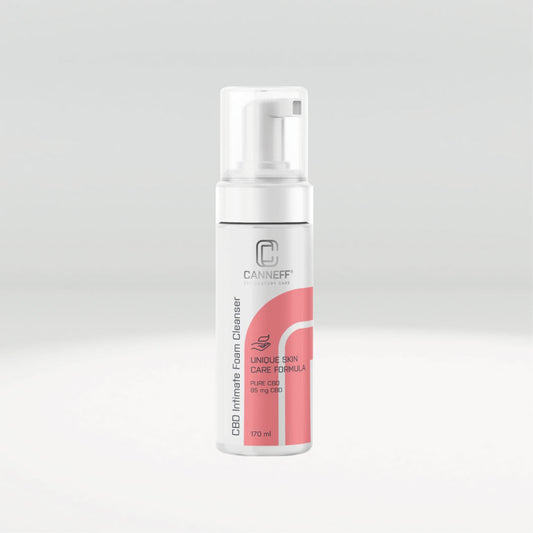
Clean the intimate area only with warm water or special intimate wash lotions like CANNEFF Intimate Care Foam without aggressive ingredients to preserve the natural acid mantle.
Correct wiping direction
Always wipe from front to back after using the toilet to prevent the transfer of intestinal bacteria to the urethra.
Wear warm clothing
Keep the lower abdomen warm by wearing a bathrobe or dry, warm clothing, for example.
Drink enough fluids
Drink plenty of water after swimming to flush the urinary tract and wash out bacteria.
Empty bladder
Go to the toilet as soon as possible after swimming to flush out any bacteria that may have ascended.
These measures help minimize the risk of infection and keep the urinary tract healthy. Read more here about the causes of a bladder infection.
When should you avoid bathing or swimming with a bladder infection?
You should avoid bathing or swimming with a bladder infection if the following conditions are present:
Acute symptoms
If there is severe burning, pain when urinating, or frequent urge to urinate, bathing or swimming should be avoided as it can worsen the symptoms. Read more about the symptoms of a bladder infection.
Fever or back pain
These symptoms may indicate an ascending infection (e.g., kidney infection), where rest and medical evaluation are necessary. Read more here about the doctor’s visit for bladder infection.
Wet or cold environment
If the outside temperature is low or there is no possibility to dry off immediately after swimming and dress warmly, this can delay healing or worsen the infection.
Swimming pools with high chlorine content
The chlorine in the water can further irritate the mucous membrane and worsen the symptoms.
Natural waters with clear water
Cloudy or polluted waters can contain germs that may worsen an existing bladder infection or cause an additional infection.
Improper swimwear
Tight-fitting or synthetic swimwear that retains moisture should be avoided.
General physical weakness
If the immune system is heavily burdened by the infection, the body should be rested to support healing.
In such cases, it is advisable to prefer warmth and rest, for example through a soothing warm bath at home, to promote recovery. Read more here about the treatment of a bladder infection.