

Can cold really trigger a bladder infection?
Cold alone does not cause a bladder infection, but it can weaken the immune system and thus increase the risk of infection. When the body gets cold, blood flow to the urinary tract is reduced, making it easier for bacteria to settle in the bladder. The risk of a bladder infection increases especially when combined with damp or cold seating surfaces, wet clothing, or cold feet.
Why does hypothermia increase the risk of a bladder infection?
Hypothermia can impair the immune system by reducing blood flow in the pelvic area. This weakens the bladder's defense mechanisms, allowing bacteria to spread more easily. Additionally, cold often leads to reduced bladder emptying, so potentially harmful germs remain in the bladder longer and can cause an infection.
Which body areas should be kept especially warm?
The lower abdomen, kidney area, and feet should be kept warm to minimize the risk of infection. Cold feet can reflexively reduce bladder blood flow, which promotes bacterial growth. The back and lumbar region should also be protected, as important nerves run there that influence the urinary tract.
How can you protect yourself from a bladder infection caused by cold?
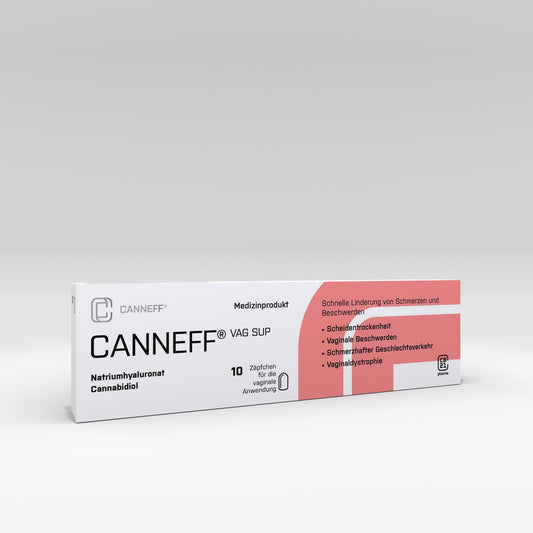
Wearing warm clothing regularly, especially kidney warmers and thermal underwear, helps maintain a stable body temperature. Wet swimwear should be changed immediately, and sitting on cold surfaces should be avoided. Adequate fluid intake and good bladder health supported by herbal products like CANNEFF® suppositories with CBD and hyaluronic acid can provide additional protection.
Is there a connection between cold feet and bladder infections?
Yes, cold feet can indirectly increase the risk of a bladder infection. By reflexively affecting bladder blood flow, the immune system in the urinary region can weaken. This means that existing bacteria can multiply more easily when the feet are cold and bladder defenses are weakened.
Why are women particularly susceptible to bladder infections caused by cold?
Women are anatomically more susceptible to bladder infections because their urethra is shorter, allowing bacteria to ascend to the bladder more quickly. Additionally, reduced blood flow to the bladder mucosa during cold increases susceptibility to infection. Hormonal changes, such as during menstruation or menopause, can further amplify this effect.
Can swimming in cold water cause a bladder infection?
Swimming in cold water alone does not directly cause a bladder infection, but it can create conditions for one. Cold lowers local immune defense, while wet swimwear can promote germ growth. Not changing into dry clothes immediately after swimming significantly increases the risk of infection. More information about swimming and bladder infection can be found in the special blog article.
What role does the immune system play in cold and bladder infections?
The immune system protects the bladder from invading bacteria, but this protective function can be weakened by cold. When body temperature drops, blood flow is reduced and immune cells are less active. This makes it easier for pathogens to multiply in the urinary tract.
How long does it take for a bladder infection caused by cold to develop?
A bladder infection does not develop immediately after getting cold, but usually within 24 to 72 hours. Once the body's defenses are weakened, bacteria can more easily ascend to the bladder and cause inflammation. Early symptoms such as frequent urination or mild burning often appear after just one day.
Are heat treatments an effective prevention against bladder infections?
Yes, heat can help promote blood flow in the pelvic area and relax the bladder muscles. Regular heat treatments such as hot water bottles, sitz baths, or grain pillows can have a preventive effect by strengthening immune defense and increasing well-being. Especially at the first signs of a bladder infection, heat can relieve symptoms and support healing.