

What are the standard treatments for urinary tract infections?
There are various standard therapies for the treatment of urinary tract infections, which are adjusted depending on the severity and cause of the infection. The most common treatment approaches include:
Antibiotics: This is the most common treatment for bacterial urinary tract infections. Depending on the type of pathogen and resistance profile, specific antibiotics such as trimethoprim, nitrofurantoin, or fosfomycin are used. The duration of therapy can vary, usually between three to seven days, depending on the severity of the infection.
Pain relief: Medications such as phenazopyridine can be given for temporary relief of pain and burning during urination. However, these medications do not affect the infection itself but only provide symptomatic relief.
Drink plenty of fluids: Increased fluid intake can help flush the urinary tract and wash out bacteria. Water is especially recommended.
Heat applications: Hot water bottles or heating pads can be placed on the lower abdomen or back to relieve pain and cramps.
Avoidance of irritants: Affected individuals should avoid caffeine, alcohol, spicy foods, and acidic foods, as these can worsen bladder irritation.
Cranberry products: Although the scientific evidence is mixed, some people use cranberry juice or capsules in the hope that they help prevent urinary tract infections or alleviate their symptoms.
These standard therapies are generally effective for uncomplicated urinary tract infections. In complicated cases, recurrent infections, or when special circumstances such as pregnancy are present, additional measures or adjusted treatment may be necessary.
How does the treatment of acute and chronic urinary tract infections differ?
The treatment of urinary tract infections varies depending on whether it is an acute or chronic form of the infection and also takes into account the specific causes and symptoms of each condition.
Acute urinary tract infection
In an acute urinary tract infection, usually caused by bacteria such as Escherichia coli, the focus is on quickly relieving symptoms and eliminating the infection. The most common treatments include:
AntibioticsShort-term antibiotic courses, usually lasting three to seven days, are the standard treatment to combat bacterial infection.
Pain reliefMedications like ibuprofen or paracetamol can be used to reduce pain and fever.
Adequate fluid intakeDrinking plenty of water is recommended to flush out bacteria.
Avoidance of irritantsAvoiding coffee, spicy foods, and citrus fruits can help reduce bladder irritation.
Chronic bladder infection
Chronic bladder infections, such as interstitial cystitis (IC), require a more differentiated approach as they are often not caused by bacteria and therefore do not respond to antibiotics. Treatments may include:
Pain managementLong-term therapies for pain relief, including prescription medications, may be necessary.
PhysiotherapyTo treat pelvic floor dysfunctions that can worsen symptoms.
Diet adjustmentsMany patients with IC find that certain foods worsen their symptoms. Adjusting the diet can help minimize irritation.
Bladder instillations: Medications are introduced directly into the bladder to reduce inflammation.
Use of CANNEFF VAG SUP in chronic bladder infection
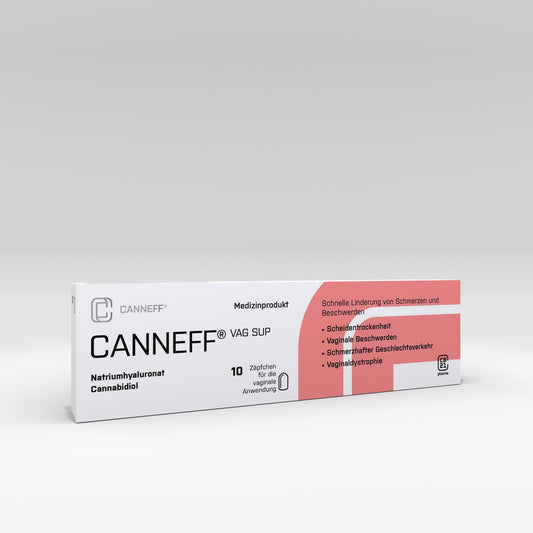
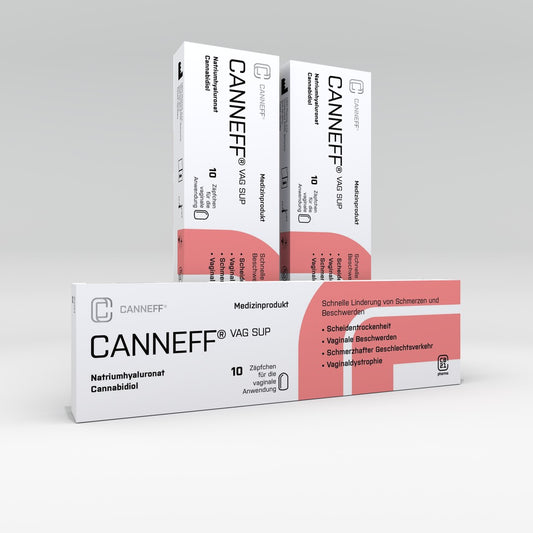
For patients with chronic bladder infections, often accompanied by pelvic pain and increased sensitivity of the bladder lining, the CANNEFF VAG SUP vaginal suppositories may offer a complementary treatment option. These suppositories contain CBD and hyaluronic acid, which can help soothe the mucous membranes and reduce inflammation. They are especially suitable for patients experiencing symptoms such as pain and frequent urination typical of interstitial cystitis.
The choice of appropriate treatment for bladder infections should always be made in consultation with medical professionals to ensure effective symptom relief and proper treatment of the underlying causes.
What role do antibiotics play in the treatment of bladder infections?
Antibiotics play a crucial role in treating bladder infections, especially when caused by bacterial infections. They help kill the bacteria or inhibit their growth, which can quickly relieve symptoms. The choice of the appropriate antibiotic and the duration of treatment depend on several factors, including the severity of symptoms, whether it is a simple or complicated bladder infection, and whether the patient has had previous urinary tract infections.
For uncomplicated bladder infections, which mainly occur in otherwise healthy, non-pregnant women, treatment may involve a short course of antibiotics, often only three to five days. Commonly used antibiotics include nitrofurantoin, trimethoprim-sulfamethoxazole, or fosfomycin.
In complicated bladder infections, which can occur in men, pregnant women, older adults, or people with weakened immune systems, a longer course of antibiotics may be necessary. In such cases, more specific diagnostics may also be required to identify the exact pathogen and determine the most effective treatment.
In addition to antibiotics, supportive measures such as adequate fluid intake, avoiding irritating substances in the diet, and possibly pain relievers to ease discomfort may be recommended. It is important that patients take the prescribed antibiotics exactly as directed by their doctor to prevent recurrence of the infection and minimize the development of antibiotic resistance.
Are home remedies effective in treating bladder infections?
Home remedies can provide support and relieve the symptoms of a bladder infection, but they do not replace the need for medical treatment, especially if a bacterial infection is present. Here are some commonly recommended home remedies and their potential effectiveness:
Drink enough fluids: Drinking plenty of fluids, especially water, can help flush the bladder and wash out bacteria. This can alleviate symptoms and speed up healing.
Heat applications: Applying a hot water bottle to the lower abdomen can help relieve cramps and pain caused by the bladder infection.
Cranberry juice or capsules: Cranberries contain substances that can prevent bacteria from attaching to the walls of the urinary tract. While some studies show mixed results, many people report improvement in their symptoms through regular consumption of cranberry juice.
Bladder and kidney teas: Herbal teas specially formulated for urinary tract health can have soothing and anti-inflammatory properties. Ingredients like bearberry leaves, birch leaves, or goldenrod are often used.
Avoiding irritants: Avoiding coffee, alcohol, spicy foods, and citrus fruits can be helpful, as these can irritate the bladder and worsen the symptoms of a bladder infection.
Proper hygiene: Proper hygiene measures, such as wiping from front to back and avoiding irritating products in the intimate area, can reduce the risk of a bladder infection and support the prevention of further infections.
Although these home remedies can relieve symptoms, it is important to seek medical advice if signs of a bladder infection appear, especially if symptoms like pain, fever, or blood in the urine occur, as these may indicate a more severe or complicated infection that might require antibiotic treatment.
When are painkillers appropriate for a bladder infection?
Painkillers can be appropriate for a bladder infection to relieve acute symptoms such as pain and cramps in the lower abdomen. Here are some guidelines on when and how painkillers can be used effectively:
Severe pain: Painkillers like ibuprofen or paracetamol can be used if the pain from a bladder infection is severe and significantly affects daily well-being. These medications have anti-inflammatory and pain-relieving effects.
Accompanying symptoms: In addition to pain, accompanying symptoms such as fever and general discomfort may occur. In such cases, fever-reducing painkillers like paracetamol can help lower the fever and improve overall well-being.
Short-term use: Painkillers should only be used short-term to control symptoms until a specific treatment for the cause of the bladder infection begins or until medical advice is sought.
Consult a doctor: Before taking painkillers, it is advisable to consult a doctor, especially if the person suffers from chronic illnesses or regularly takes other medications. The doctor can recommend suitable pain medication that is compatible with other treatments.
Caution with kidney damage: People with kidney damage or other kidney diseases should exercise caution when taking painkillers like ibuprofen, as these can further impair kidney function.
It is important that painkillers are not used to delay necessary medical treatment. They should only be considered as a supplementary measure while the actual cause of the bladder infection is treated with appropriate medical interventions.
What new treatment methods are available for bladder infections?
The treatment of bladder infections has evolved through innovative approaches and new medical developments. Here are some of the latest treatment methods:
Bladder instillations
Bladder instillations are a targeted therapy in which medications are introduced directly into the bladder. This method can be especially effective for chronic and interstitial cystitis. Substances used, such as hyaluronic acid and chondroitin sulfate, help regenerate the protective layer of the bladder mucosa. This method is often offered in specialized urological practices.
Immunostimulation
Targeted strengthening of the immune system through immunostimulants, such as preparations with killed bacteria, can reduce the risk of recurrent bladder infections. This treatment trains the immune system to respond more effectively to infections.
D-Mannose
D-Mannose, a natural sugar, has proven to be an effective preventive and supportive therapy for recurrent bladder infections. It binds bacteria like Escherichia coli, allowing them to be flushed out with urine instead of attaching to the bladder wall.
Herbal and CBD-based preparations
Innovative products like CANNEFF VAG SUP vaginal suppositories contain CBD and hyaluronic acid. These can relieve inflammation in the intimate area, strengthen the mucous membrane, and thus prevent or support the treatment of bladder infections. The use of herbal preparations such as nasturtium and horseradish root complements the traditional approach.
Long-term prophylaxis with low-dose antibiotics
For particularly affected patient groups, low-dose antibiotics are used as long-term prophylaxis. This method is optimized by new insights into individual dosages and application periods.
Biotechnological therapies
Research in microbial preparations, such as the targeted use of probiotic lactobacilli, shows promising results. These preparations help stabilize the urinary tract microbiome and prevent the spread of pathogenic germs.
Latest diagnostics
Technological advances in diagnostics enable even more targeted treatment. Antibiograms and genetic tests identify specific pathogens and their resistances, allowing for personalized therapy.
These new methods significantly expand the treatment options for bladder infections and especially offer a clear improvement in quality of life for patients with chronic complaints or recurring infections.
How can bladder infections be naturally prevented and treated?
Bladder infections are unpleasant and can often recur. Natural methods can reduce the risk and alleviate symptoms of a bladder infection. Here are effective approaches:
Prevention of bladder infections
Adequate fluid intake
Drink plenty of water or herbal tea (at least 2 liters daily) to flush the urinary tract and wash out germs.
Regular urination
Do not suppress the urge to urinate and empty the bladder completely, especially after sexual intercourse.
Proper intimate hygiene
Use mild cleansers with a neutral pH. Wipe from front to back to avoid spreading germs.
Comfortable clothing
Wear breathable cotton underwear to prevent a moist environment that promotes germs.
D-Mannose
The natural sugar prevents bacteria from adhering to the bladder wall and reduces the risk of infections.
Herbal preparations
Extracts from bearberry leaves, nasturtium, or horseradish root can have antibacterial effects.
CANNEFF products
Intimate care products like CANNEFF VAG SUP vaginal suppositories with CBD and hyaluronic acid support mucous membrane regeneration and strengthen the natural barrier function.
Natural treatment for bladder infections
Heat applications
Hot water bottles or warm sitz baths relax the bladder muscles and relieve pain.
Bladder and kidney teas
Teas with anti-inflammatory and diuretic herbs like goldenrod, nettle, or chamomile help with recovery.
Dietary adjustment
Avoid sugar and acidic foods as they irritate the mucous membrane. Instead, focus on an alkaline-rich diet.
Cranberry products
Cranberry juice or capsules can reduce bacterial adhesion to the bladder wall due to their proanthocyanidins.
Probiotics
Lactobacillus preparations promote a healthy vaginal and intestinal flora that displaces harmful germs.
Rest and stress reduction
Stress weakens the immune system. Relaxation techniques like yoga or meditation can help.
When should you see a doctor for a bladder infection?
Although many bladder infections are mild and can be alleviated by self-help measures, there are certain situations where a doctor’s visit is necessary. These include:
Symptoms lasting longer than three days
If symptoms such as pain when urinating, frequent urination, or strong urge to urinate do not subside despite home remedies and adequate fluid intake. Read more here about the symptoms of a bladder infection.
Blood in the urine
Visible blood (macrohematuria) or brownish urine can indicate a more severe infection and requires medical evaluation.
Fever, chills, or severe back pain
These may indicate a kidney infection (pyelonephritis), which must be treated urgently by a doctor to avoid complications.
Pregnant women
Bladder infections during pregnancy can have serious consequences for both mother and child. Pregnant women should therefore consult a doctor even with mild symptoms.
Men with bladder infection symptoms
Since bladder infections are less common in men, they may indicate other underlying issues such as prostatitis, which requires targeted treatment.
Recurrent bladder infections
More than three infections per year are considered chronic. In such cases, further diagnostics, e.g., ultrasound or cystoscopy, are necessary.
Pain in the kidney area
If pain occurs in the side of the back, the infection may have spread to the upper urinary tract.
Immune deficiency or pre-existing conditions
People with diabetes mellitus, weakened immune systems, or urinary flow disorders should see a doctor at the first symptoms.
After failed self-treatment attempts
When home remedies or over-the-counter medications do not provide relief or symptoms worsen.
How does diet affect the treatment and prevention of urinary tract infections?
Diet plays a crucial role in supporting the treatment and prevention of urinary tract infections. By specifically consuming certain nutrients and avoiding irritating foods, the risk of infection can be reduced and healing supported.
Supportive foods:
Water and unsweetened teas: Adequate fluid intake (at least 2-3 liters daily) helps flush the urinary tract and wash out bacteria.
Cranberry products: They contain proanthocyanidins, which can prevent bacteria from adhering to the bladder wall. Juice or supplements are helpful, but unsweetened varieties should be chosen.
Probiotics: Foods like natural yogurt, kefir, or sauerkraut promote a healthy gut flora and can inhibit the colonization of harmful bacteria in the intimate area.
Vitamin C-rich foods: Oranges, kiwis, or bell peppers can acidify the urine, creating a less favorable environment for bacteria.
D-mannose: This natural sugar found in certain fruits can bind bacteria and flush them out of the body.
Foods to avoid:
Sugar and sugary drinks: Sugar promotes the growth of bacteria and can increase the risk of infections.
Caffeine and alcohol: These irritate the bladder lining and can worsen the symptoms.
Spicy and heavily seasoned foods: They can additionally irritate the bladder and impair the healing process.
Long-term prevention through diet:
A diet rich in fruits, vegetables, whole grains, and healthy fats supports the immune system and overall health. This helps the body fight off infections.
Are there gender-specific differences in the treatment of urinary tract infections?
The treatment of urinary tract infections differs between men and women due to anatomical and physiological differences as well as specific risk factors.
Treatment in women
Acute bladder infection: Women suffer more often from bladder infections, mainly due to the shorter urethra and proximity to the anus. Acute cases are usually treated with antibiotics such as fosfomycin or nitrofurantoin. In uncomplicated infections, a short therapy (1-3 days) is often sufficient.
Chronic bladder infections: Women who frequently suffer from recurrent infections can benefit from long-term prophylaxis with low-dose antibiotics or alternative preparations such as D-mannose. Vaginal estrogen creams can also help after menopause to strengthen the mucous membrane and prevent infections.
Home remedies and intimate care: Women are often advised, in addition to antibiotics, to clean the intimate area with mild care products such as CANNEFF Intimpflegeschaum to protect the mucous membrane and support the natural flora.
Treatment in men
Acute bladder infection: In men, bladder infections are always considered complicated because they are usually associated with underlying problems such as an enlarged prostate, urinary outflow obstructions, or prostate infections (prostatitis). Treatment often requires a longer antibiotic therapy (7-14 days) to reach all potential infection sites.
Chronic cases: In recurrent infections, thorough diagnostics are performed, including ultrasound or uroflowmetry. The goal is to identify the cause and treat it specifically, for example by eliminating urinary outflow obstructions.
Supplementary measures: Men also benefit from high fluid intake and anti-inflammatory preparations. Additionally, targeted pelvic floor exercises can support bladder function.
Common measures
Fluid intake: Adequate drinking (2-3 liters per day) is important for both genders to flush the urinary tract.
Medication options: In both genders, pain-relieving and anti-inflammatory agents such as ibuprofen can be used.
Innovative products: For supportive treatment, CANNEFF VAG SUP vaginal suppositories can be used used in women or other regenerating preparations in men to strengthen the mucous membranes and promote healing.