

Why are pregnant women particularly susceptible to hemorrhoids?
During pregnancy, many processes in the body change. The connective tissue becomes softer, blood vessels expand, and the growing uterus puts additional pressure on the pelvic floor. These factors cause venous blood to pool in the hemorrhoidal cushions, leading to an enlargement of hemorrhoids. Hormonal changes, especially an increased progesterone level, also contribute to the relaxation of vein walls and slowed blood flow. Additionally, the altered digestion during pregnancy, often accompanied by constipation, can promote the development of hemorrhoids. Read more in the blog post Preventing Hemorrhoids.
What measures help to avoid hemorrhoids during pregnancy?
The most important prevention is to reduce pressure on the rectum. A fiber-rich diet with plenty of fruits, vegetables, and whole grains promotes regular digestion and prevents constipation. Adequate fluid intake (at least 2 liters daily) ensures soft stool consistency, avoiding strong straining on the toilet. Further information can be found in the blog post on Preventing Hemorrhoids through Nutrition.
Exercise is another key aspect of prevention – daily walks or gentle gymnastics stimulate blood circulation and prevent congestion in the pelvic area. For a holistic prevention of hemorrhoids, it is advisable to integrate regular physical activity into daily life alongside a balanced diet – more information can be found in our blog post Exercises to Prevent Hemorrhoids.
Can hemorrhoids disappear after childbirth?
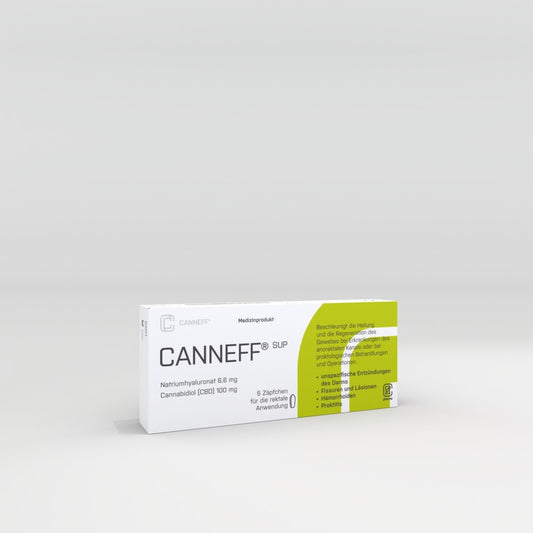
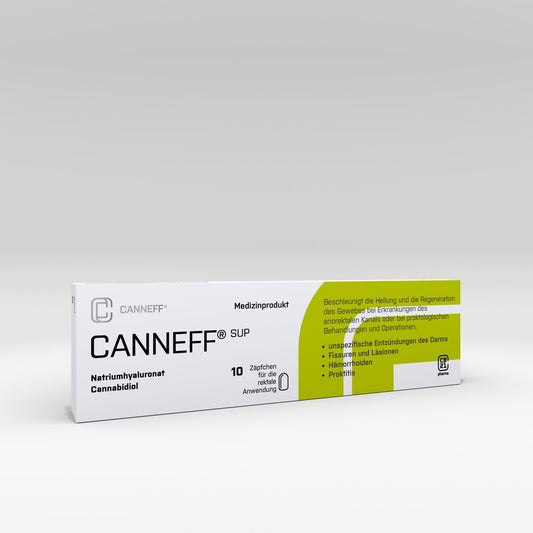
Many women notice an improvement in their hemorrhoid symptoms after giving birth. When the pressure on the pelvic floor normalizes and hormonal changes subside, enlarged hemorrhoids can regress on their own. However, this may take several weeks. Supportive measures include sitz baths with anti-inflammatory additives, good toilet hygiene, and, if necessary, medical ointments or suppositories like CANNEFF® SUP, which soothe irritated skin and promote healing. Read more about the causes of hemorrhoids here.
What is the best sitting position for pregnant women to prevent hemorrhoids?
An upright sitting posture with a slight forward tilt is ideal to reduce pressure on the hemorrhoids. It can help to place the feet on a small stool to achieve a more natural position for bowel movements. When sitting for longer periods, pregnant women should regularly change their posture or use a soft cushion to relieve the pelvic floor.
Your doctor can also advise you on treatment of hemorrhoids as well as on preventive measures for hemorrhoids. Read more in the blog post about the hemorrhoid doctor.
Are there special dietary tips for pregnant women to prevent hemorrhoids?
Yes, a balanced diet is essential. Further information can also be found in the blog post on nutrition-based prevention of hemorrhoids.
Particularly helpful are:
|
Food Group |
Recommended Foods |
Effect |
|
Fiber-rich foods |
Whole grain products, flaxseed, oats, legumes |
Promote soft stool consistency |
|
Fruits & Vegetables |
Apples, pears, plums, broccoli, carrots |
Contain many fibers and support digestion |
|
Fluids |
Water, unsweetened teas, diluted juices |
Keep stool soft and prevent constipation |
|
Healthy fats |
Avocado, olive oil, nuts |
Support bowel movement |
Which home remedies are suitable for hemorrhoids during pregnancy?
Home remedies can be a gentle alternative to medications. Cooling quark compresses or cold compresses relieve swelling and itching or even burning. Sitz baths with chamomile or oak bark have anti-inflammatory effects. Coconut oil or aloe vera can also be applied directly to the affected area to soothe the skin.
How can pelvic floor training help prevent hemorrhoids during pregnancy?
Regular pelvic floor training strengthens the muscles in the lower abdominal area and improves blood circulation in the pelvis. This helps reduce pressure on the hemorrhoids and maintain tissue elasticity. Kegel exercises, which involve targeted contraction and relaxation of the pelvic floor muscles, can be easily integrated into daily life. For a holistic prevention of hemorrhoids, it is advisable to include regular physical activity in daily routines – more information can also be found in our blog post Exercises to Prevent Hemorrhoids.
What role does weight gain during pregnancy play in hemorrhoids?
As weight increases, pressure on the pelvic floor and intestinal veins rises. Excessive weight gain can amplify this effect and increase the risk of hemorrhoids. Therefore, it is important to monitor healthy weight gain and stay physically active.
Can gentle bowel regulation prevent hemorrhoids during pregnancy?
Yes, regulated digestion is crucial. In addition to a fiber-rich diet, natural remedies like psyllium husks or prunes can stimulate digestion. If constipation is a problem, mild laxatives based on lactulose can be used after consulting with your doctor.
Should special toilet hygiene be observed during pregnancy?
Yes, gentle cleaning is important to avoid skin irritation. Moist toilet paper or lukewarm water is gentler on the skin than dry toilet paper. After bowel movements, a sitz bath can also help gently clean the anal area and soothe the skin.
At the first symptoms of hemorrhoids such as itching, burning, swelling, or bleeding in the anal area, early medical evaluation is recommended to rule out differential diagnoses and initiate appropriate treatment of hemorrhoids. If hemorrhoids remain untreated, advanced stages of hemorrhoidal disease may require surgical removal. More information can be found in the blog post on hemorrhoid surgery.