

Proctitis and Stress: How Can Stress Lead to Inflammatory Bowel Diseases?
Proctitis is an inflammation of the rectum that can cause painful symptoms and serious health problems. While the causes of proctitis are diverse, stress plays an increasingly recognized role in the development and worsening of this condition. Stress and its various effects on human health have long been the subject of intensive scientific research. Special attention is given to the relationship between psychological stress and various gastrointestinal diseases. Proctitis, an inflammation of the rectum, is a remarkable example. This condition can be triggered or worsened by various factors, including infections, autoimmune diseases, and physical trauma. In recent years, however, it has become clear that psychological stress can also play a significant role in the onset and exacerbation of proctitis. The mechanisms by which stress influences this inflammatory disease are complex and include both direct physiological responses and indirect changes in behavior and lifestyle of those affected. This blog post highlights the connection between stress and proctitis by summarizing the key findings of current research and emphasizing the importance of a holistic approach in the diagnosis and treatment of this condition.
What Are the Symptoms of Stress-Related Proctitis?
The symptoms of stress-related proctitis often resemble those of other forms of this disease but can vary and intensify due to the influence of psychological stress. Typical symptoms of proctitis include rectal pain or a burning sensation in the anus, known as anodynia. Also common are anal itching and the presence of mucus or blood in the stool. Those affected often also complain of increased urgency and frequent, sometimes painful bowel movements that do not always lead to complete evacuation. Psychological stress can additionally lead to heightened perception and intensity of pain, significantly impairing the quality of life of those affected. Other accompanying symptoms may include general fatigue, irritability, and sleep disturbances, which are exacerbated by the ongoing stress condition. Therefore, it is essential to consider not only physical but also psychological factors in the diagnosis and treatment of proctitis.
Is Stress a Cause of Proctitis?
Proctitis can be triggered by a variety of causes, including infections, autoimmune diseases, physical trauma, and radiation therapy. Psychological stress is considered an often underestimated but significant cause of proctitis. Stress affects the body in various ways by weakening the immune system, promoting inflammatory processes, and influencing the gut flora. These physiological changes can make the rectal mucosa more susceptible to inflammation and worsen existing conditions.
Although stress rarely occurs as the sole cause of proctitis, it can act as an important trigger or amplifier, especially in individuals who already have other risk factors. Understanding stress as one of many causes of proctitis underscores the need for an integrative approach in the treatment of proctitis that considers both physical and psychological aspects. Find more information here about the diverse causes of proctitis.
What Role Does Stress Play in the Development of Proctitis?
Stress is increasingly recognized as a significant factor in the development and worsening of inflammatory bowel diseases. Stress triggers a series of physiological reactions in the body that can potentially contribute as a cause of proctitis.
One of the main responses to stress is the activation of the hypothalamic-pituitary-adrenal axis (HPA axis), leading to the release of cortisol. Chronically elevated cortisol levels can weaken the immune system and promote inflammatory processes. These inflammations can attack the mucosa of the rectum and trigger or worsen proctitis. Additionally, stress affects the autonomic nervous system, especially the vagus nerve, causing changes in gut motility and mucosal blood flow. These changes create an environment that favors the development of inflammation. The connection between stress and proctitis can be explained by several mechanisms:
Immune System, Gut Flora, and Inflammation
The immune system plays a central role in defending against pathogens and regulating inflammation. Under stress, however, the immune system can become dysfunctional. Stress reduces the number and functionality of immune cells such as T lymphocytes and natural killer cells, weakening the body's defenses. At the same time, stress can disrupt the balance of the gut flora. A healthy gut flora is essential for maintaining the mucosal barrier and preventing inflammation. Dysbiosis, or imbalances in the gut flora, can make the mucosa more permeable and increase the risk of inflammation.
Chronic stress can impair the immune system and trigger an inflammatory response. These inflammatory reactions can affect the gut and lead to proctitis or worsen existing inflammations.
Stress can alter the composition of the gut flora, leading to an imbalance. A disturbed microbiome can make the intestinal mucosa more susceptible to inflammation.
Psychosomatic Effects
Stress can exacerbate psychosomatic symptoms, such as irritable bowel syndrome, which is closely linked to proctitis.
What Are the Symptoms of Stress-Related Proctitis?
The symptoms of stress-related proctitis are diverse and affect both the rectum and overall well-being. It is important that both physical and psychological aspects are considered in the diagnosis and treatment of proctitis. A holistic approach that includes medical, nutritional, and psychological interventions is essential to effectively relieve symptoms and improve the quality of life of those affected. People with stress-related proctitis may also experience a worsening of the typical symptoms of proctitis.
Here you will find more detailed information about the symptoms of proctitis. Stress-related proctitis can cause a variety of rectal, general, and psychological symptoms.
Pain in the Anal Area
Common rectal symptoms of proctitis include pain in the anal area, which can be felt as dull, stabbing, or burning pain in the rectal area. A burning sensation in the anus, known as anodynia, or anal itching is also frequently observed.
Blood in Stool and Mucus Discharge
Also common is blood in the stool, ranging from bright red blood on toilet paper to bloody bowel movements. Anal mucus discharge can also indicate inflammation.
Urgency and Tenesmus
Those affected often suffer from increased urgency and tenesmus, a painful feeling of constant, compelling urge to defecate even when the bowel is empty.
General Symptoms of Proctitis
General symptoms of proctitis include exhaustion and fatigue, which are intensified by chronic stress and ongoing inflammatory response, mild fever, and general malaise.
Psychological and Behavioral Symptoms in Stress-Related Proctitis
Psychological and behavioral symptoms can include irritability, mood swings, sleep disturbances, as well as anxiety and depression. Stress can also lead to changes in appetite, gastrointestinal complaints such as bloating, cramps, and diarrhea, as well as muscle tension throughout the body, which can worsen rectal symptoms.
Exacerbating Factors in Stress-Related Proctitis
These symptoms are worsened by unhealthy eating habits, lack of exercise, and substance abuse, which are favored by stress and can further fuel inflammation. Stress can lead to increased consumption of alcohol, nicotine, or other substances that further enhance inflammatory processes. Overall, the combination of these factors can significantly impair quality of life and complicate the treatment of proctitis.
How Can Stress Be Relieved in Proctitis?
Relaxation techniques can help reduce stress in everyday life and thereby alleviate the symptoms of proctitis. A balanced, wholesome diet, good stress management, and a well-considered work-life balance are considered welcome starting points to support your gut health. Physical activity and exercise can also positively influence gut function. Effective stress management is considered an important part of the treatment of proctitis. Various exercises and relaxation methods can support your inner balance. Here are some strategies that can help you improve your stress-related gut health:
Regular Physical Activity
Physical activity can significantly contribute to gut health by improving digestion and promoting the diversity and health of the gut microbiota. Regular exercise helps reduce stress, which can impair gut function, and strengthens the immune system, which is largely anchored in the gut. Furthermore, exercise supports maintaining a healthy body weight and improves blood supply to the gut, promoting the health of gut cells and supporting the healing of damage. Overall, physical activity plays an important role in promoting and maintaining healthy gut function.
Relaxation Techniques
Various relaxation techniques also play a role in managing stress-related proctitis. Some relaxation exercises can lower stress levels and thereby improve gut function. Techniques such as deep breathing, meditation, yoga, and progressive muscle relaxation can reduce stress and strengthen the immune system. This can lead to symptom relief and promote overall health.
Healthy Nutrition
A balanced diet supports gut health and can reduce inflammation. Stress also has indirect effects on the risk of proctitis through changes in behavior and lifestyle. People under chronic stress tend to develop unhealthy behaviors such as an unbalanced diet, lack of exercise, and increased consumption of alcohol or nicotine. These factors can increase the risk of inflammatory bowel diseases. An unbalanced diet can negatively affect the gut flora, while lack of exercise and substance abuse can directly promote inflammatory processes.
Psychological Support
Therapy and counseling can help identify and manage stress-triggering problems. Considering stress as a factor in the treatment of proctitis requires an integrative therapeutic approach. In addition to medication and nutritional counseling, psychological support measures should also be included. Stress management techniques such as meditation, yoga, and progressive muscle relaxation can help lower stress levels and thus reduce inflammatory processes in the body. Psychotherapy, especially cognitive behavioral therapy, can help those affected recognize and change stress-triggering thought patterns.
Good Time Management and Conscious Breaks
Regular breaks and good time management can help avoid overload and thus stress. Conscious breaks help lower stress levels, improve concentration and productivity, and strengthen your emotional resilience. By taking regular short breaks during the day, you can effectively prevent overload, promote mental clarity, and achieve a better work-life balance. Conscious breaks can help support your long-term mental and physical health.
How Is Stress-Related Proctitis Treated?
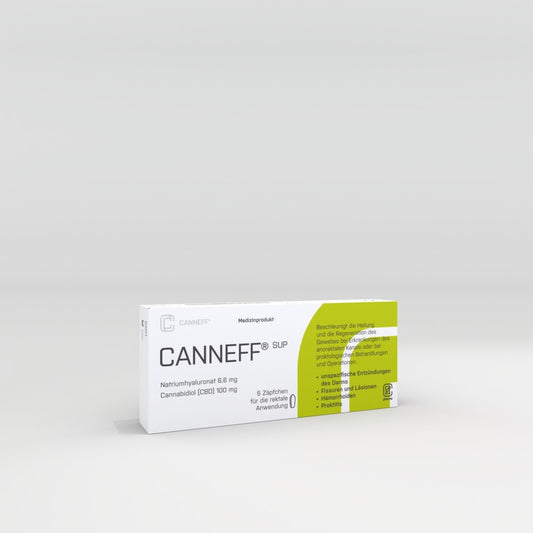
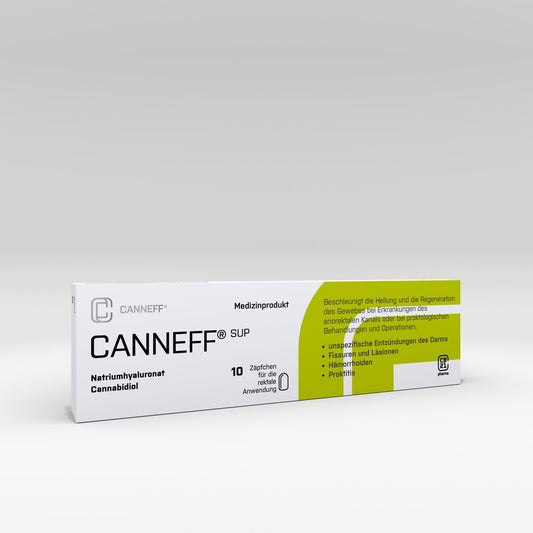
By reducing stress and maintaining healthy lifestyle habits, you can alleviate the symptoms of proctitis and promote overall gut health. Proctitis is a serious condition that can be caused or worsened by various factors, including stress. A better understanding of the connection between stress and proctitis can help develop effective coping strategies and improve the quality of life for affected patients. Learn more here about the treatment of proctitis. Regardless of the cause of proctitis, anti-inflammatory suppositories can provide relief to patients. Find all answers here about the treatment of proctitis with suppositories.