

How is proctitis treated?
The treatment of proctitis aims to control the inflammation and relieve symptoms such as pain and anal itching or anal burning to relieve symptoms. However, the therapy strongly depends on various factors, such as Cause of proctitis, but also depends on the extent and severity of the existing condition. Regardless of the Cause of proctitis anti-inflammatory suppositories can provide relief to patients. Read more here about Treatment of proctitis with suppositories.
Symptomatic treatment of proctitis
Rectal suppositories, ointments, or foam can be used to treat the inflamed areas directly. Suppositories or an enema often help with the symptoms of proctitis. An enema involves introducing water into the bowel through the anus. However, this measure should not be used in certain pre-existing conditions. Learn more here about the Treatment of proctitis with suppositories, which can help relieve the symptoms of proctitis regardless of the cause of proctitis.
Treatment of proctitis caused by pathogens
If bacterial or viral infections are the cause of proctitis, the first step in treatment is to combat the bacterial pathogens with antibiotics. In some cases, local application of an anti-inflammatory cortisone preparation or cortisone foam may also be used. Additionally, it is essential to switch to safer sex practices, meaning always using condoms during intercourse to prevent infecting others and future reinfections. If pathogen-related proctitis is present, sexual partners from the last 6 months should also be included in the examination.
Treatment of proctitis in inflammatory bowel disease
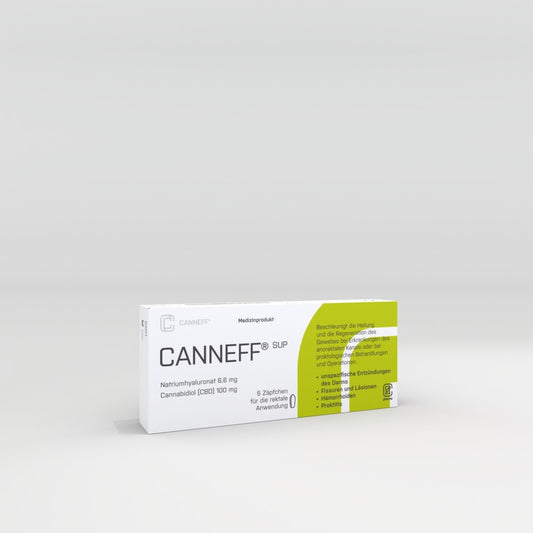
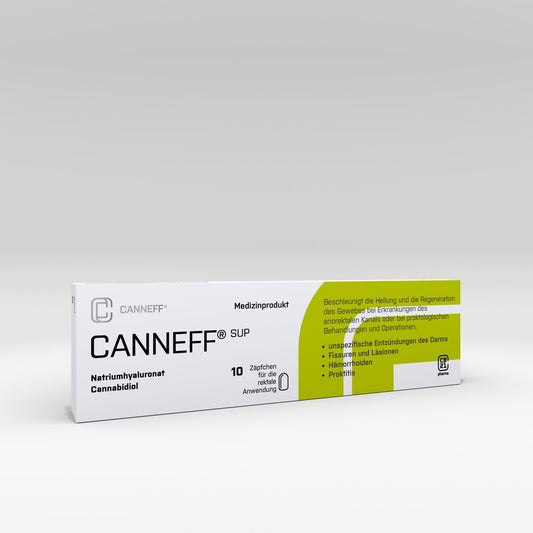
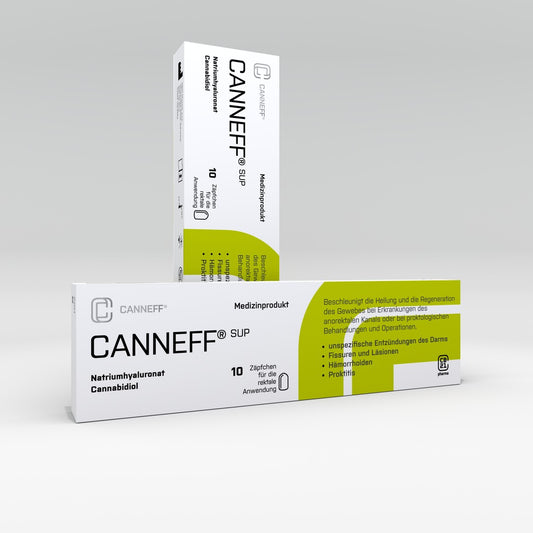
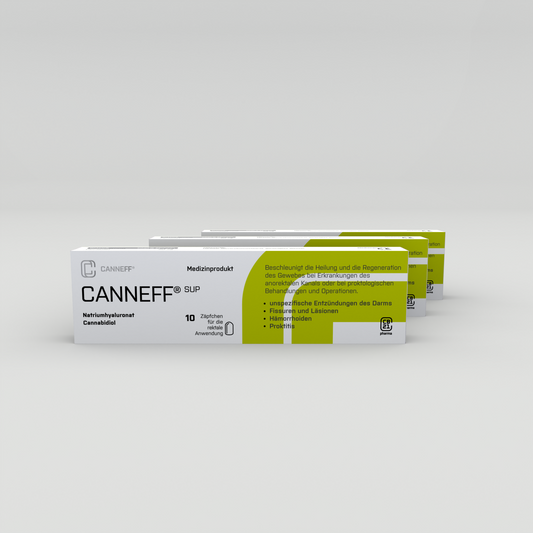
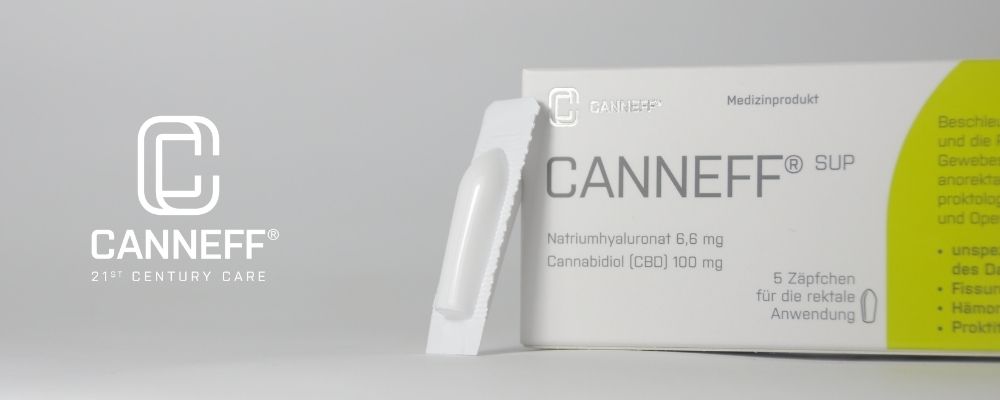
When patients develop proctitis as part of chronic inflammatory bowel diseases such as ulcerative colitis or Crohn's disease, an anti-inflammatory medication is usually administered. This is done, for example, in the form of suppositories that act locally on the intestinal mucosa. In the context of a chronic inflammatory bowel disease (ulcerative colitis, Crohn's disease), anti-inflammatory suppositories are often given. If no improvement occurs, the active ingredient mesalazine is further administered in tablet, foam, or enema form. In very severe cases of proctitis ulcerosa, surgical removal of the inflamed mucosal area may be necessary. CANNEFF® SUP suppositories, thanks to the unique combination of active ingredients, have a synergistic effect. The medical CBD optimizes the environment for the effect of hyaluronic acid, while hyaluronic acid maintains the moisture of the mucosa, thereby supporting healing and pain relief in injuries or inflammations in the rectal area, as well as after colorectal surgeries. Read more here about Treatment of proctitis with suppositories.
Medication treatment for chronic inflammatory bowel diseases may be necessary for life. In proctitis ulcerosa and generally in inflammatory bowel diseases, it often helps to change the diet and avoid certain foods that frequently cause problems.
Treatment of stress-related proctitis
Stress can cause or worsen the symptoms of proctitis, so in addition to symptomatic treatment, relaxation techniques such as meditation, breathing exercises, or yoga, as well as psychotherapy, can help manage stress better and improve overall well-being. Read more about stress as a cause of proctitis.
Therapy for mechanically induced proctitis
Inserting objects and foreign bodies, such as vibrators, into the anus or during sexual intercourse can tear the intestinal wall and cause lesions on the mucosa in the rectal canal. Such anal fissures are injuries to the mucous membrane of the anus and can also sometimes cause proctitis. Here, relieving symptoms and accelerating healing are the primary goals. Read more here about anal fissures or about treatment of proctitis with suppositories.
Treatment of allergy-induced proctitis
The therapy for such proctitis consists of symptomatic treatment and, above all, identifying and avoiding the triggering allergen. If there is an allergy, for example, to latex in condoms or to active ingredients in suppositories, these substances must be avoided in the future and replaced, for example, by latex-free condoms. Allergy-induced proctitis can sometimes heal on its own. In more severe cases, treatment with certain suppositories can also be initiated to speed up the healing of the inflammation. Read more here about Treatment of proctitis with suppositories.
Treatment of radiation proctitis
Treatment of radiation-induced proctitis is usually not necessary or is very individualized, as this condition is generally very mild and in most cases can heal on its own. Find more information here about the versatile Causes of proctitis.
Is proctitis curable?
The healing of proctitis strongly depends on Cause of proctitis If proctitis is diagnosed through a medical history and subsequent endoscopic examination of the rectum, specific therapy and treatment can be initiated. For some causes, anti-inflammatory local therapy is often the preferred first-line treatment for proctitis. Regardless of Cause of proctitis can provide symptomatic relief here with anti-inflammatory suppositories like CANNEFF® SUP suppositories. Find more information here about Treatment of proctitis with suppositories.
In proctitis caused by infection, appropriate treatment with antibiotics, cortisone, or anti-inflammatory suppositories can lead to complete recovery. If the inflammation of the rectum occurs as a result of a chronic inflammatory bowel disease such as Crohn's disease or ulcerative colitis, the therapy aims to Symptoms of proctitis to relieve symptoms and control the course of the disease as best as possible. Anti-inflammatory medications or suppositories are also frequently used. Read more here about Treatment of proctitis with suppositories.

What happens if proctitis is not treated?
Anyone experiencing symptoms or noticing signs of proctitis should not wait but see a doctor soon. This can help prevent complications.
In the further course of proctitis, Anal fissures develop. These are very painful tears or lesions of the mucous membrane and the skin of the anus, which can cause intense pain. Especially after bowel movements, Anal fissures cause sharp and stabbing pains as well as a burning sensation in the anus, known as anorectal burning. Read more here about the symptoms of Anal fissures.
Another proctological condition that can occur in connection with proctitis is the anal fistula. This refers to newly formed passages that lead from the inflamed bowel to the skin surface. Secretions often come out of the fistula openings. A bleeding anal fistula can also cause significant pain. Read more here about anal fistulas. Early diagnosis and appropriate treatment of proctitis are therefore very important to prevent potential complications.
If the inflammation of the rectum results from a sexually transmitted disease, early diagnosis and treatment are also important to protect other people from infection. Regardless of the Cause of proctitis anti-inflammatory suppositories can provide relief to patients.
The treatment of proctitis primarily depends on the cause and the stage of the proctitis. If an infection triggered the inflammation, the focus is on fighting the pathogens or the inflammation. Read more here about Treatment of proctitis with suppositoriesDepending on the cause of infectious proctitis, the doctor may also prescribe antibiotics. If proctitis is caused by a chronic inflammatory bowel disease, the situation is much more complex, and affected individuals often need to take medication for a long time in addition to changing their diet. These are often so-called immunosuppressants. These are drugs that suppress the body's own immune system.
Which medications are used for proctitis?
Which medications are used to treat proctitis depends largely on the cause of proctitis. Depending on the cause, for example, a bacterial infection is treated with antibiotics. If a chronic disease is the cause, long-term medication treatment of proctitis, sometimes with anti-inflammatory agents like cortisone, may be necessary. Antiviral drugs are used for viral infections.
Radiation-induced and bleeding proctitis is treated with corticosteroids applied directly to the rectal mucosa as a foam or administered as enemas. An enema with sucralfate can also help relieve symptoms. If these treatments are ineffective, the doctor may apply formalin directly to the rectal mucosa to stop the bleeding. If proctitis has caused bleeding of the rectal mucosa, laser and electrocoagulation as well as heat probes may be used during treatment to stop the mucosal bleeding. Alternatively, soothing ointments with lidocaine or suppositories with other active ingredients can be used to relieve the symptoms of proctitis.
Suppositories like CANNEFF® SUP suppositories are also suitable to support faster healing and tissue regeneration. Read more here about Treatment of proctitis with suppositories. In only a few cases is surgical removal of the affected section of the intestine necessary. Even after colorectal surgeries, CANNEFF® SUP suppositories can help support the healing process and relieve discomfort after surgery.
Which home remedies can help with proctitis?
Some home remedies from naturopathy that are effective in many cases against Hemorrhoids can also help in the treatment of Symptoms of proctitis can be helpful. These include sitz baths with oak bark, chamomile, or yarrow, which are said to have anti-inflammatory, itch-relieving, and skin-soothing effects. These herbal remedies can also be used as washes or rinses. Similar to other inflammatory bowel diseases, various home remedies can provide relief for proctitis. Teas such as peppermint, chamomile, anise, and fennel are also classics when it comes to easing digestive problems. Local heat application, for example with chamomile tea, can also help relieve pain associated with proctitis.
How Can Nutrition Support the Treatment of Proctitis?
To prevent and treat proctitis, as well as inflammatory bowel diseases like ulcerative colitis and Crohn’s disease, a healthy lifestyle and dietary changes can help. Take the following dietary recommendations to heart as part of the treatment and prevention of proctitis.
Fiber-Rich Foods
Consume fiber-rich foods such as whole grains, fresh fruits and vegetables, and legumes. Fiber helps promote gut health and regulate bowel movements.
Adequate Fluid Intake
Drink plenty of fluids (at least two liters), preferably water, to ensure and maintain good hydration. Adequate fluid intake also helps soften the stool and thus prevent constipation.
Bland Diet
In acute phases of inflammation, a bland diet may be highly recommended. Bland diets include easily digestible foods like steamed vegetables, boiled potatoes, and low-fat soups.
Probiotic Foods
Probiotics are helpful bacteria that can promote gut health. You can support your gut flora by including probiotic foods such as yogurt, fermented sauerkraut, or kefir in your diet.
Natural Stool Softeners
Foods like psyllium husks or flaxseeds can help loosen the stool and thus prevent or avoid constipation. The softer stool consistency minimizes irritation of the inflamed intestinal mucosa, thereby supporting the healing process.
Avoiding Certain Ingredients
Avoid consuming fatty, spicy, smoked, or hard-to-digest ingredients and dishes.