

Why are men more frequently affected by hemorrhoids than women?
Although hemorrhoids occur in both genders, men are disproportionately affected. This is due to several factors, including lifestyle, hormonal differences, and physical strain. While women often have a higher risk due to pregnancy and hormonal fluctuations, men more frequently suffer from behavioral causes such as heavy lifting, prolonged sitting, or high meat consumption. Studies show that men tend to consume less fiber-rich foods but drink more alcohol and perform physically demanding tasks – all factors that increase the risk of hemorrhoids. Find more information in the blog post on the causes of hemorrhoids.
How does heavy lifting affect the development of hemorrhoids?
Heavy lifting is one of the most common risk factors for hemorrhoids. When lifting weights or heavy objects, the pressure in the abdominal cavity increases, putting strain on the venous cushions in the anal canal. This can hinder venous return and lead to overload of the hemorrhoidal cushions. Men working in construction, crafts, or other physically demanding jobs have a higher risk. Intense strength training can also increase the risk of enlarged hemorrhoids, especially if improper breathing techniques or excessive straining are used.
Is high meat consumption a risk factor for hemorrhoids in men?
Yes, a meat-heavy diet can indirectly increase the risk of hemorrhoids. Meat contains no fiber, which is essential for healthy digestion. People who consume a lot of red meat are more prone to constipation, which is considered one of the main triggers for hemorrhoids. Comparison between a fiber-rich and meat-based diet:
|
Dietary habits |
Digestive impact |
Hemorrhoid risk |
|
High meat consumption |
Constipation, hard stool |
Increased |
|
Fiber-rich diet |
Soft stool, regular bowel movements |
Lower |
Men who frequently eat meat should therefore deliberately include fiber-rich side dishes such as whole grains, vegetables, and legumes in their diet.
Find further information and recommendations for the right nutrition to prevent hemorrhoids.
What role does alcohol consumption play in the development of hemorrhoids?
Alcohol can increase the risk of hemorrhoids in several ways:
Dehydration: Alcohol dehydrates the body, making stool harder and promoting constipation.
Dilation of blood vessels: Alcohol promotes vasodilation, which can increase pressure on the hemorrhoidal cushions.
Influence on bowel activity: Especially high-proof alcohol can cause diarrhea or irritation in the digestive tract.
Men who regularly consume alcohol should make sure to drink enough water and eat fiber-rich foods to reduce the risk of hemorrhoids.
Do testosterone levels influence the formation of hemorrhoids?
Testosterone has an indirect influence on the development of hemorrhoids. The male hormone contributes to muscle development and blood circulation, but it also affects bowel motility. High testosterone levels can lead to slower digestion and a tendency toward constipation, which increases the risk of hemorrhoids.
In addition, muscle building through strength training with high testosterone levels can lead to increased intra-abdominal pressure, which can worsen hemorrhoidal conditions.
Can intense sports like strength training promote hemorrhoids?
Yes, especially incorrect strength training can worsen hemorrhoids. Exercises with heavy weights, particularly squats or deadlifts, increase pressure on the pelvic floor and hemorrhoidal vessels.
For prevention, men should pay attention to the following points during strength training:
-
Correct breathing technique (e.g., not holding your breath during exertion)
-
Moderate exertion instead of excessive weight training
-
Variety with endurance sports such as swimming or cycling
How does prolonged sitting (e.g., office work) affect hemorrhoids?
Prolonged sitting is one of the most common factors in the development of hemorrhoids. The constant pressure on the anal canal can restrict blood flow and lead to congestion in the hemorrhoidal cushions.
Men who sit a lot should:
-
Take regular breaks and stand up
-
Adopt an ergonomic sitting posture
-
Use a seat cushion to reduce pressure
-
Incorporate targeted pelvic floor exercises into daily routine
Is there a genetic predisposition for hemorrhoids in men?
Yes, a genetic predisposition can influence the risk of hemorrhoids. Studies show that men whose family members have had hemorrhoids are more frequently affected themselves. A weak connective tissue structure or a congenital vein weakness can contribute to hemorrhoids developing more quickly.
Why do men often have more severe symptoms than women?
Men often have more severe and advanced hemorrhoids because they are less likely to see a doctor early. While women often seek medical help earlier even with mild symptoms, men usually wait too long until the pressure from the symptoms of hemorrhoids is quite advanced. Additionally, men tend to have a higher risk of pronounced hemorrhoid symptoms due to more intense physical strain, diet, and hormonal factors.
Read more here about the stages of hemorrhoidal disease.
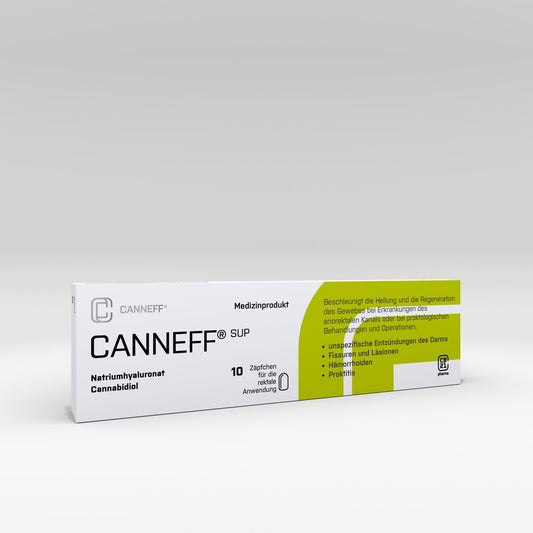
An early doctor’s visit and starting hemorrhoid treatment helps relieve symptoms and avoid complications such as a hemorrhoid surgery. CANNEFF® SUP suppositories offer a herbal support for pain relief and regeneration with the unique active ingredient combination of CBD and hyaluronic acid.
Which preventive measures are especially effective for men?
Men can significantly reduce their hemorrhoid risk through targeted lifestyle changes:
-
Fiber-rich diet with plenty of fruits, vegetables, and whole grains
-
Adequate fluid intaketo prevent constipation
-
Regular exercise and a mix of strength and endurance training
-
Proper lifting techniques in everyday life and during sports
-
Regular breaks during sedentary activities
-
Avoid excessive alcohol consumption
- Stress reduction and recovery phases. Read more about this in the blog post on hemorrhoids and psyche.
Men are more often affected by hemorrhoids than women due to diet, physical strain, and hormonal influences. Especially heavy lifting, high meat consumption, and prolonged sitting can increase the risk. A combination of healthy nutrition, exercise, and preventive measures can help avoid hemorrhoids and alleviate existing symptoms.
Read more about all measures for preventing hemorrhoids in the blog post. In addition to proper nutrition for hemorrhoids, regular exercise also plays a central role in prevention. Read more here about exercises to prevent hemorrhoids.