

What causes can trigger anal itching, and how does this relate to choosing the right treatment?
Anal itching, also known as pruritus ani, can be triggered by a variety of causes that directly affect the choice of appropriate treatment.
Skin irritation due to hygiene issues: Excessive or insufficient cleaning of the anal area can irritate the sensitive skin. Frequent washing with soaps or wet toilet paper can dry out the skin or cause allergic reactions, while poor hygiene leaves residues that promote itching.
Hemorrhoids: These enlarged vascular cushions can secrete mucus or stool residues, which irritate the skin and cause itching. Treatment can range from ointments to minimally invasive procedures like coagulation. Read more here about hemorrhoid surgery or general hemorrhoid treatment.
Skin diseases: Conditions such as anal eczema, psoriasis, or lichen sclerosus can be accompanied by itching, redness, and inflammation. Anti-inflammatory creams, such as those containing hydrocortisone, are a common choice here.
Infections: Fungal infections (e.g., Candida), bacterial inflammations, or parasites like pinworms are also common triggers. Treatment requires specific antifungals, antibiotics, or antiparasitic agents.
Diet-related factors: Spicy foods, alcohol, or caffeinated drinks can worsen itching. Dietary changes are often the first step toward relief.
Systemic diseases: Diabetes, liver diseases, or chronic inflammatory bowel diseases like Crohn's disease can contribute to anal itching. Treatment requires targeted therapy of the underlying condition.
Mechanical irritants and moisture: Tight clothing or excessive sweating can irritate the skin. Breathable materials and cotton underwear provide relief here.
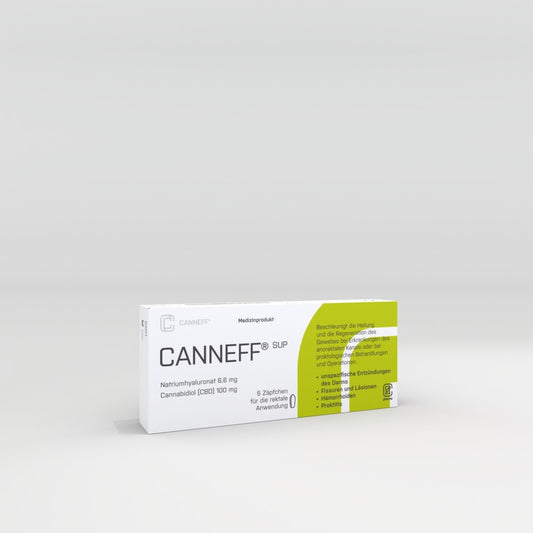
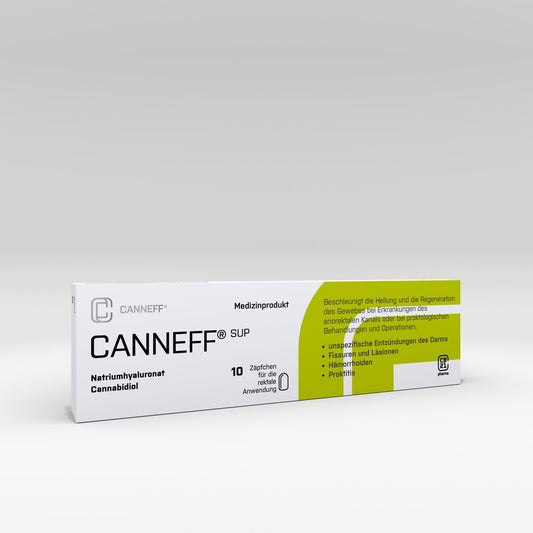
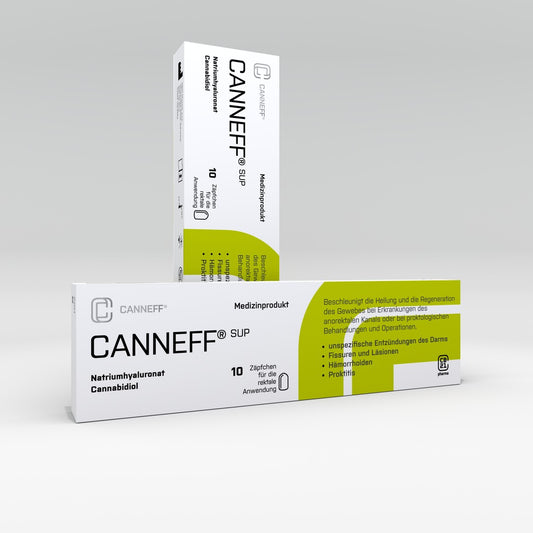
The choice of treatment depends crucially on the underlying cause. While gentle care products or sitz baths help with mild irritations, more serious causes like infections or hemorrhoids require targeted medical interventions. Products like CANNEFF® SUP suppositories, which contain hyaluronic acid and cannabidiol (CBD), offer a gentle way to soothe and regenerate irritated anal skin. Read more here about the treatment of anal itching with suppositories. An early visit to the doctor can help identify the cause precisely and initiate the right therapy. Read more here about the causes of anal itching or find more information about the doctor’s visit for anal itching.
Which home remedies and care products are suitable for relieving anal itching?
Various home remedies and care products are available to relieve anal itching, which can soothe symptoms and support healing.
Home remedies for relieving anal itching
Sitz baths: Sitz baths with skin-soothing additives like chamomile, oak bark, or witch hazel can reduce inflammation and calm irritated skin. A daily application of 10–15 minutes is usually sufficient.
Aloe vera: Aloe vera gel has a cooling effect, moisturizes, and reduces inflammation. It can be applied directly to irritated skin.
Coconut oil: Coconut oil has antimicrobial and soothing properties and is suitable for caring for dry or irritated skin.
Cooling compresses: Cold compresses or packs relieve acute itching and reduce swelling.
Oat flour: A bag of oat flour soaked in water used as a compress soothes the skin and reduces itching.
Tea tree oil: Diluted with a carrier oil, tea tree oil can have anti-inflammatory effects. Use caution with sensitive skin – always test first.
Care products to relieve anal itching
Mild, pH-neutral intimate wash lotions: These help gently cleanse sensitive skin without damaging the natural protective barrier.
Zinc ointments: Zinc oxide has anti-inflammatory effects, soothes the skin, and protects against further irritation from moisture.
Hydrocortisone creams: For acute inflammation, hydrocortisone creams (1%) can provide short-term relief. However, they should not be used long-term.
CANNEFF® SUP rectal suppositories: CANNEFF® SUP rectal suppositories contain hyaluronic acid and cannabidiol (CBD), promote regeneration of the sensitive anal skin, and provide moisture. They effectively relieve itching and support healing.
Hemorrhoid ointments: For symptoms caused by hemorrhoids, special ointments with anti-inflammatory or anesthetic ingredients can be helpful.
Tips for using care products for anal itching
Gentle hygiene: Avoid harsh soaps or wet toilet paper. Clean the anal area after bowel movements only with lukewarm water and gently pat the skin dry.
Breathable clothing: Wear cotton underwear to avoid excessive sweating and moisture.
Adjust diet: A high-fiber diet and adequate fluid intake promote soft stools and reduce mechanical irritation.
If symptoms persist or worsen despite these measures, it is advisable to see a doctor to rule out serious causes.
When is medical treatment for anal itching necessary, and what therapies are available?
Medical treatment for anal itching is necessary if the symptoms persist for more than one to two weeks, do not improve despite appropriate care and hygiene measures, or are accompanied by other symptoms.
Symptoms that require medical evaluation
Bleeding: Fresh blood on toilet paper or in stool.
Oozing or discharge: Fluid in the anal area that could indicate infections.
Severe pain: Especially during bowel movements, which may indicate anal fissures or anal abscesses.
Skin changes: Swelling, hardening, or lumps.
Changed stool: Unusual consistency, mucus, or diarrhea.
Unclear itching: Complaints that persist or worsen despite care.
Local medical treatments
Cortisone-containing ointments: Reduce inflammation and itching but should only be used short-term and under medical supervision.
Zinc ointments: They protect the skin and promote healing of irritations.
Antimycotics: For fungal infections, special creams or ointments are used.
Antiparasitics: For worm infestations like pinworms, oral or local medications are prescribed.
Hemorrhoid therapy
Ointments and suppositories: With anti-inflammatory, decongestant, or locally anesthetic agents. CANNEFF® SUP suppositories contain hyaluronic acid and cannabidiol (CBD) to provide moisture, promote regeneration of the sensitive anal skin, and relieve itching.
Sclerotherapy: An injection into the hemorrhoids that shrinks the tissue.
Rubber band ligation: Small hemorrhoids are tied off with a rubber band and fall off.
Surgery: In severe cases, enlarged hemorrhoids can be surgically removed.
Systemic therapy
For inflammatory bowel diseases like Crohn's disease or ulcerative colitis, systemic medication is required.
Diabetes treatment: Optimizing blood sugar levels if diabetes is causing the skin problems.
Allergy tests: If a reaction to care products, detergents, or foods is suspected.
Gut restoration: For recurring problems caused by disturbed gut flora.
What role do hygiene and nutrition play in the prevention and treatment of anal itching?
Hygiene and nutrition are essential for preventing and treating anal itching. Gentle cleaning with water, avoiding harsh soaps, and thorough drying prevent skin irritation. A fiber-rich diet and sufficient fluids promote soft stools, reducing mechanical irritation in the anal area.
How do hemorrhoids and anal eczema affect the treatment of anal itching?
Hemorrhoids and anal eczema significantly influence the treatment of anal itching, as they are often underlying causes. Enlarged hemorrhoids can lead to moisture and irritation, requiring targeted care and anti-inflammatory ointments. Anal eczema, often triggered by moisture or irritants, requires treatment with soothing creams like zinc paste and avoidance of irritating factors. Medical evaluation helps identify specific triggers and tailor therapy individually.
Which specialists are the right contacts for persistent anal itching?
For persistent anal itching, the following specialists are the right contacts.
General practitioner: The first point of contact for a general assessment. They can perform basic examinations and, if necessary, refer to specialists.
Proctologist: Specialized in diseases of the rectum and anal region, e.g., hemorrhoids, anal fissures, or anal abscesses.
Dermatologist: Responsible if there is suspicion of skin diseases such as eczema, psoriasis, or fungal infections in the anal area.
Gastroenterologist: If there is suspicion of chronic inflammatory bowel diseases (e.g., Crohn's disease) or other internal medical causes.
The choice of specialist depends on accompanying symptoms and possible causes. The general practitioner can help determine the right specialist.
How can the treatment of anal itching be supported by lifestyle adjustments?
The treatment of anal itching can be effectively supported by the following lifestyle adjustments.
Gentle hygiene: Cleansing with lukewarm water, avoiding irritating soaps or wet toilet paper.
High-fiber diet: Promotes soft stools and prevents mechanical irritation.
Adequate hydration: Supports digestion and prevents constipation.
Exercise: Stimulates bowel activity and reduces pressure in the anal area.
Stress management: Relaxation techniques can reduce inflammatory processes and itching.
Skin care: Use soothing, pH-neutral products to avoid irritation.
These measures complement medical treatments and promote healing.
Can innovative products like CANNEFF® suppositories help in treating anal itching?
CANNEFF® SUP suppositories combine hyaluronic acid and cannabidiol (CBD) to promote healing and tissue regeneration in the anal area. These suppositories are used as supportive treatment for conditions such as anal itching, hemorrhoids, anal fissures, and after colorectal surgeries. CANNEFF has anti-inflammatory and moisturizing properties that together can help relieve symptoms and accelerate healing.
Which symptoms require immediate medical evaluation for anal itching?
A doctor's visit is urgently required if symptoms such as bloody diarrhea, pus, severe pain, or fever occur. These may indicate serious conditions like anal abscesses, anal fistulas, or even anal carcinomas.