

What is proctitis and why should you know about it?
Proctitis is an inflammatory condition of the mucous membrane of the rectum, the last section of the large intestine directly adjacent to the anus. This inflammation can have various causes, including bacterial or viral infections, a reaction to radiation therapy for cancer, chronic bowel diseases such as ulcerative colitis and Crohn’s disease, or physical trauma such as from anal intercourse or the insertion of foreign objects.
Knowledge about proctitis is important because it often causes painful and uncomfortable symptoms such as rectal bleeding, pain, constant urge to defecate, and anal itching. If left untreated, proctitis can lead to more serious complications, including the spread of inflammation to other parts of the intestine and chronic health problems. It also significantly impairs the quality of life of those affected.
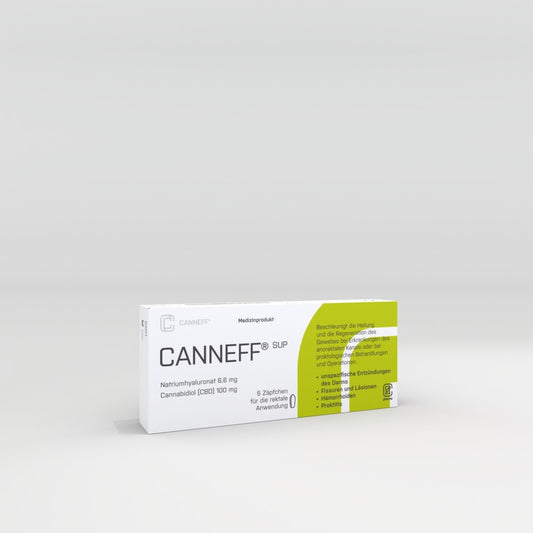
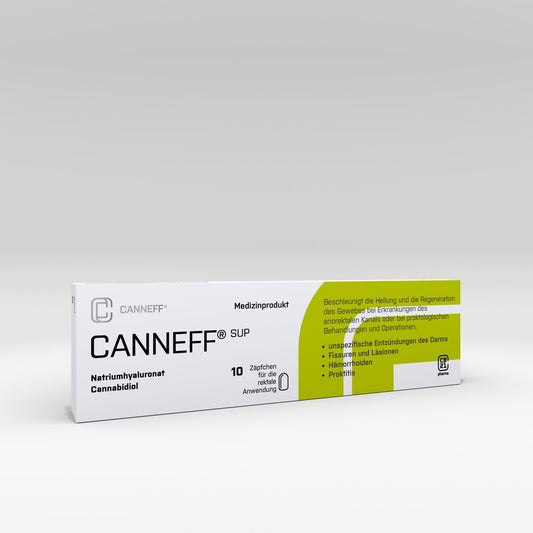
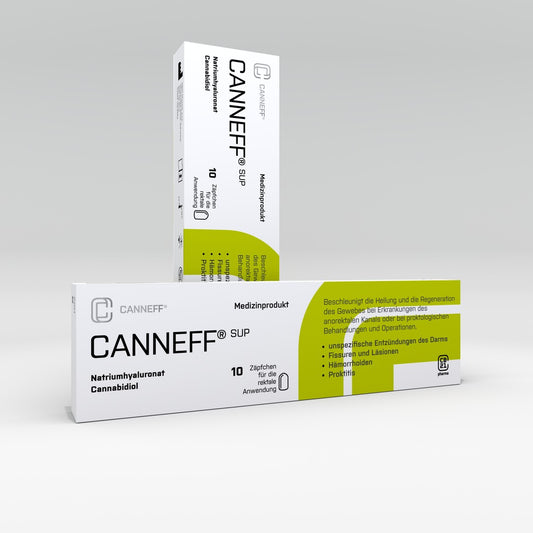
Early diagnosis and treatment are crucial to control the inflammation and effectively manage the symptoms. Treatment options include specially formulated rectal suppositories like CANNEFF® SUP suppositories, which contain a unique combination of hyaluronic acid and cannabidiol (CBD). These can help reduce inflammation, relieve pain, and support the healing of damaged mucous membranes. Using them as part of a comprehensive treatment plan can significantly help manage symptoms and improve quality of life. Find all information about the use of suppositories for treating proctitis here.
What symptoms indicate proctitis?
The symptoms of proctitis can vary depending on the cause and severity of the inflammation. Typical signs indicating proctitis include:
Rectal bleeding: Blood in the stool or on toilet paper, which is a common symptom of proctitis.
Pain and discomfort: This can occur during or after bowel movements and may also be perceived as general discomfort in the rectal area.
Urgency to defecate: A feeling of constant need to empty the bowels, also known as tenesmus.
Changes in bowel movements: This includes diarrhea or constipation, which can be caused by inflammation of the rectum.
Mucous or bloody discharge: Discharge of mucus, sometimes mixed with blood, from the anus.
Anal itching or anal burning: Anal itching or burning around the anal area (anal burning), caused by irritation and inflammation.
General feeling of illness: Fever, fatigue, and exhaustion may occur, particularly if proctitis is caused by an infection.
Weight loss: Unintended weight loss can occur, especially with chronic or severe inflammation.
It is important to seek medical help if these symptoms occur, especially if they persist or worsen. Early diagnosis and appropriate treatment can help relieve symptoms and prevent complications. CANNEFF® SUP suppositories can be recommended as part of the treatment to relieve some symptoms such as pain and inflammation and to promote mucosal healing. More information about the symptoms of proctitis can also be found in the article: Symptoms of Proctitis.
What are the most common causes of proctitis?
Proctitis can be caused by a variety of factors, and understanding these causes is crucial for effective treatment and prevention. The most common causes include:
Infections: Bacterial and viral infections are common triggers for proctitis. Sexually transmitted infections (STIs) such as gonorrhea, chlamydia, herpes simplex, and HIV can cause inflammation in the rectal area.
Chronic inflammatory bowel diseases (IBD): Diseases such as ulcerative colitis and Crohn's disease can also cause proctitis, as they often affect the lower part of the colon.
Radiation therapy: Proctitis can occur as a side effect of radiation therapy in the treatment of pelvic cancers, known as radiation proctitis.
Mechanical injury: The introduction of foreign objects or trauma through anal intercourse can cause injuries to the rectal mucosa, triggering proctitis.
Allergic reactions: Allergies to certain substances that come into contact with the rectal area, such as certain medications, lubricants, or condoms, can cause inflammatory reactions.
Immunological factors: Some forms of proctitis can be triggered by autoimmune reactions, where the immune system mistakenly attacks healthy tissue in the rectum.
Ischemia: Reduced blood flow to the rectum, often due to vascular diseases or surgical procedures, can lead to ischemic proctitis.
For a more detailed look at these causes and further information, we recommend reading the blog post Causes of Proctitis, which offers comprehensive insights and detailed explanations of the various factors that can cause proctitis.

Which natural anti-inflammatory remedies can help with proctitis?
In the treatment of proctitis, some natural anti-inflammatory remedies can provide relief. However, these should be used as a complement to medical treatment and after consulting a doctor. Here are some natural options:
Aloe vera: Aloe vera gel has natural anti-inflammatory properties and can help relieve irritation and inflammation in the anal area when applied topically.
Chamomile tea: Chamomile is known for its soothing and anti-inflammatory effects. A sitz bath with chamomile tea can help alleviate the symptoms of proctitis.
Turmeric: Turmeric contains curcumin, a compound with strong anti-inflammatory properties. Taking turmeric as a spice in food or as a supplement can help reduce inflammation.
Omega-3 fatty acids: These healthy fats, abundant in fish oil, flaxseeds, and walnuts, can help reduce inflammation in the body.
Frankincense (Boswellia): Boswellic acids found in frankincense have anti-inflammatory properties that can be useful in various inflammatory conditions, including proctitis.
Ginger: Ginger is another natural remedy valued for its anti-inflammatory and antioxidant properties. Ginger tea or fresh ginger in the diet can help reduce inflammatory processes.
Zinc ointment: Zinc promotes tissue healing and has anti-inflammatory properties. Zinc ointments can support the healing of anal fissures or mild inflammations.
Witch Hazel: This plant has astringent and anti-inflammatory properties and can be used in the form of creams or lotions to relieve irritation and inflammation in the anal area.
It is important, when using herbal treatments for proctitis or alternative treatments for proctitis, to also consider the nutrition for proctitis as part of a comprehensive treatment plan and always seek advice from a healthcare provider before choosing new therapy options or starting treatments, especially if you are already taking medications or have other medical conditions. Find further information here about nutrition for proctitis.
How can warm and cold applications provide relief for proctitis?
Heat applications can be very effective in proctitis to relieve pain and promote blood circulation in the affected area. The heat relaxes the muscles, which can be particularly helpful if cramps or severe pressure pain are present. Additionally, heat can aid healing by increasing blood circulation, bringing more healing nutrients to the inflamed area.
To apply heat, you can take a warm sitz bath by sitting in a tub filled with warm water up to your hips. This can be especially soothing and helps relax the anal muscles, reducing pain and inflammation. A sitz bath can be done two to three times daily for about 15 to 20 minutes, especially after bowel movements, to relieve discomfort.
Alternatively, you can also place a heating pad or a warm towel directly on the affected area. It is important to ensure that the heat source is not too hot to avoid skin burns. A moderately warm towel or a heating pad set to a low level can ensure you benefit from the warmth without injuring yourself.
It is advisable to combine both methods—cold and warm applications—to achieve the best effect. Some people find that alternating between cold and warm applications is most effective in minimizing inflammation while relieving pain. However, as with any treatment, you should consult your doctor before starting a new method to ensure it is suitable for your specific case. Read more here about alternative treatments for proctitis.
What hygiene practices are recommended for the treatment of proctitis?
Maintaining good hygiene practices is crucial for the effective treatment and prevention of proctitis, to avoid infections and promote healing. Here are some recommended hygiene practices:
Regular washing: Keep the anal area clean and dry. Gently wash the area with warm water after each bowel movement. Avoid using soaps or body care products that contain perfumes or harsh chemicals, as these can irritate the skin.
Gentle drying: Gently pat the anal area dry with a soft towel after washing. Avoid rubbing harshly to prevent additional irritation.
Use of moist toilet paper: If you use toilet paper, moist toilet paper that contains no alcohol or perfumes may be a gentler option. It cleans better and reduces friction compared to dry toilet paper.
Wearing loose and breathable clothing: Avoid tight clothing that could irritate the skin. Cotton underwear is recommended as it absorbs moisture and allows the skin to breathe.
Avoidance of irritating substances: Avoid using perfumed or alcohol-containing products in the anal area, including certain wet wipes and hygiene sprays.
Sitz baths: Regular sitz baths can help relieve pain and inflammation. A sitz bath with lukewarm water for 10 to 15 minutes several times a day, especially after bowel movements, can be very soothing.
Avoid scratching: Even if the itching is intense, avoid scratching as this can further irritate the skin and worsen the infection.
Hand hygiene: Be especially careful to wash your hands thoroughly before and after treating the affected area to prevent the spread of bacteria.
Diet control: Some foods can worsen symptoms. Be sure to avoid spicy, acidic, or heavily seasoned foods that could aggravate symptoms. Read more here about nutrition for proctitis.
These hygiene measures not only support healing in proctitis but also help minimize the risk of further infection or worsening of symptoms.
How do home remedies differ from medical treatments for proctitis?
Both home remedies and medical treatments play important roles in the therapy of proctitis, but differ in application, mechanisms of action, and effectiveness. Here are some basic differences:
Mechanism of action of home remedies for proctitis
-
Home remedies for proctitis include natural anti-inflammatory agents, gentle hygiene practices, and dietary adjustments. They can help relieve symptoms and provide general comfort.
-
Examples of home remedies include chamomile sitz baths, application of aloe vera gel, dietary changes, and the use of warm or cold compresses for pain relief.
Advantages of home remedies for proctitis
-
Home remedies are often cost-effective, easy to use, and can be applied at home without a doctor's prescription.
-
They offer a natural alternative or complement to pharmaceutical products and generally have fewer side effects.
Limitations of home remedies for proctitis
-
Their effectiveness can be limited and often varies from person to person.
-
Home remedies cannot treat the underlying cause of proctitis, especially if it is infectious or chronic.
Mechanism of action of medical treatments for proctitis
-
Medical treatments for proctitis may include medications such as antibiotics, anti-inflammatory drugs, and, if necessary, immunosuppressants, depending on the cause of the condition.
-
These therapies aim to directly treat the underlying cause of proctitis and not just relieve the symptoms.
Advantages of medical treatments for proctitis
-
Medical treatments are often more specific and potentially more effective in treating the cause of proctitis.
-
They are administered based on medical diagnoses and are well supported by clinical studies and research.
Limitations of medical treatments for proctitis
-
Medical treatments can be more expensive and usually require a prescription or medical supervision.
-
They can have side effects, which can sometimes be severe, especially with long-term use.
Integrating home remedies and medical treatments for proctitis
In many cases, a combination of home remedies and medical treatments can be recommended to achieve the best results. Home remedies can help improve overall comfort and symptom control, while medical treatments target the causes specifically. It is important to work with a doctor to develop a comprehensive treatment plan that is safe and effective, especially for severe or persistent forms of proctitis.
When should you consult a doctor for proctitis?
It is advisable to see a doctor if you notice symptoms of proctitis, especially if these symptoms persist or worsen. With proctitis, it is important to seek medical help promptly to get an accurate diagnosis and start appropriate treatment. Here are some situations when a doctor’s visit is absolutely necessary:
|
Symptom/Condition |
Why seeing a doctor is important |
|
Persistent rectal bleeding |
Can be a sign of serious inflammation or other conditions such as cancer |
|
Severe pain in the rectal area |
May indicate advanced inflammation or complications |
|
Constant urge to defecate (tenesmus) |
Can affect quality of life and indicate a serious inflammation |
|
Fever and general malaise |
Can be signs of a systemic infection or severe inflammation |
|
Weight loss |
May indicate a chronic condition or malabsorption |
|
Mucous or bloody discharge |
Indicator of a serious inflammation of the rectum |
|
No improvement with home remedies |
Medical therapy may be necessary to specifically treat the cause |
Rectal bleeding, severe pain, persistent urge to defecate, and other serious symptoms should not be ignored. These may indicate a severe inflammation or other underlying health issues. Early detection and treatment are crucial for successful proctitis treatment and can help prevent long-term damage to the digestive tract.
If you experience rectal symptoms along with general symptoms such as fever or weight loss, this is a clear indication that immediate medical examination is necessary. It is also important to consult a doctor if home remedies do not relieve your symptoms. A specialist can make an accurate diagnosis and initiate specific treatment targeting the exact cause of your proctitis.
Timely consultation with a doctor can not only help effectively treat symptoms but also prevent possible complications that can arise from untreated proctitis.
What are the most important points you should know about treating proctitis with home remedies?
When treating proctitis with home remedies, there are some important points to consider that can help effectively relieve symptoms and support the healing process. Here are the key aspects:
Understanding the limitations: Home remedies can provide supportive relief and alleviate symptoms of proctitis, but they are generally not sufficient to treat the cause of proctitis, especially in cases of bacterial or severe inflammation. They should be used as a complement to medical therapy.
Gentle hygiene practices: Keep the anal area clean and dry. After bowel movements, gently clean with warm water and carefully dry the area. Avoid harsh soaps and personal care products that can worsen symptoms.
Sitz baths: Warm sitz baths are especially helpful in reducing pain and inflammation. You can use plain warm water or add anti-inflammatory additives like chamomile or oak bark to the bath.
Dietary adjustments: An anti-inflammatory diet rich in fiber and adequate fluid intake can help regulate bowel movements and reduce strain on the intestines. Avoid spicy foods and foods that cause bloating. Read more here about nutrition for proctitis.
Natural anti-inflammatory remedies: Remedies like aloe vera, turmeric, and omega-3 fatty acids can help minimize inflammation. These can be taken orally or, in some cases, applied directly.
Avoiding irritation: Wear soft, breathable clothing to avoid skin irritation and use only hypoallergenic products in the affected area.
Stress management: Since stress can worsen the symptoms of proctitis, it is important to practice stress reduction techniques such as meditation, yoga, or deep breathing exercises. Find more information here about stress as a cause of proctitis.
Monitoring and adjustment: Observe how your body reacts to different home remedies and adjust your approaches accordingly. Not every remedy works the same for everyone.
Consultation with a doctor: Even if you choose to use home remedies, it is important to do so in consultation with a doctor, especially if symptoms persist or worsen.
The combination of these home remedies with professional medical treatment can help achieve the best possible results in the treatment of proctitis and improve your quality of life.