

What is meant by "alternative treatment methods" for proctitis?
"Alternative treatment methods" for proctitis refer to approaches outside of conventional medical therapies such as antibiotics, corticosteroid preparations, or surgical procedures. Instead, these methods rely on natural, holistic procedures that aim to stimulate the body's own healing powers and gently support the organism. Common examples include:
Herbal remedies: Such as chamomile, aloe vera, or turmeric, which contribute to alleviating symptoms through anti-inflammatory and soothing active ingredients. Find all information about the herbal treatment of proctitis here.
Naturopathic applications: Sitz baths, teas, compresses, or ointments that can promote the regeneration of the rectal mucosa.
Dietary and lifestyle measures: A balanced diet, stress reduction, and intestinal care to strengthen the immune system and prevent further irritation. Find further information here about adjustments in nutrition for proctitis, as well as the role and prevention of stress as a cause of proctitis.
Homeopathy or acupuncture: Certain alternative medicine procedures are also used to reduce pain and support the healing process.
These approaches can be used independently or alongside conventional medical therapy and aim to help reduce inflammation and improve quality of life.
What role do medicinal plants and herbal active ingredients play in alternative therapy?
Medicinal plants and herbal active ingredients play a central role in alternative proctitis therapy because they often have anti-inflammatory, pain-relieving, and regeneration-promoting effects. Plants like chamomile, aloe vera, or turmeric contain ingredients that soothe irritated mucous membranes and can contribute to faster healing. CBD (cannabidiol), for example in special rectal suppositories, is increasingly used to inhibit inflammatory processes and protect the tissue.
Due to their natural mode of action, herbal remedies are also considered comparatively gentle and are well tolerated by many people. They can be used alone or in combination with conventional medical therapies. Since the causes and courses of proctitis are very individual, it is advisable to consult the treating physician or a specialist to avoid possible interactions and optimize the effectiveness of the chosen medicinal plants. Find all information about the herbal treatment of proctitis here. Read more about the causes of proctitis here.
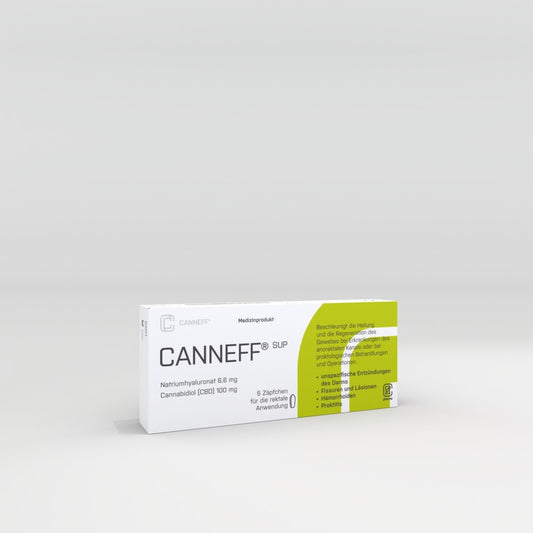
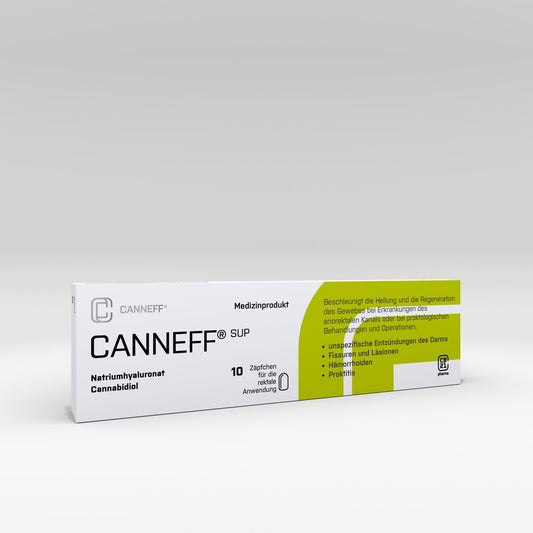
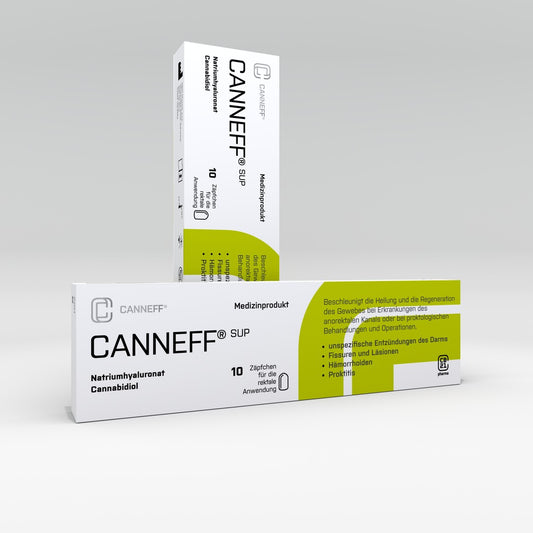
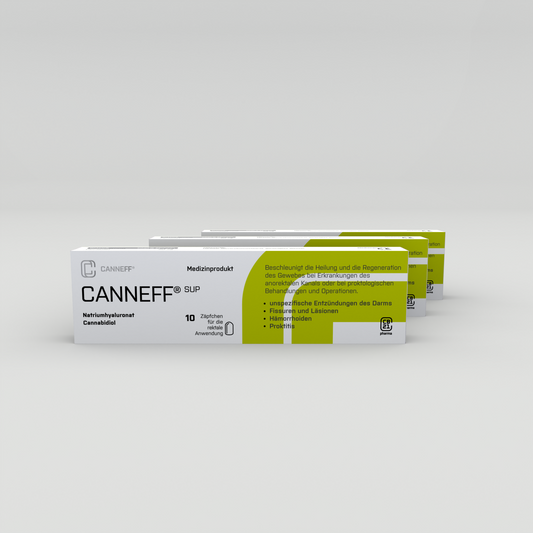
Can the innovative combination of CBD and hyaluronic acid, as in CANNEFF® suppositories, help with proctitis?
Yes, the combination of CBD (cannabidiol) and hyaluronic acid, as found in CANNEFF® suppositories, can indeed support the treatment of proctitis. CBD is known for its anti-inflammatory and pain-relieving properties, which can be especially helpful in cases of inflammation of the rectum. Hyaluronic acid significantly contributes to moisture regulation and regeneration of the mucous membrane by supplying damaged tissue with sufficient moisture, thereby promoting healing processes.
The interplay of both active ingredients soothes the irritated intestinal mucosa on one hand and enhances regenerative capacity on the other. Many affected individuals therefore experience faster relief from symptoms such as anal itching, anal burning, or pain. Nevertheless, CANNEFF® SUP suppositories—like all treatment approaches—should be used in consultation with the treating physician to consider individual factors and possible interactions. In some cases, a combination of herbal remedies, conventional medical therapy, and suitable medical products such as CANNEFF® SUP suppositories may promise the best therapeutic success. Read more here about the treatment of proctitis with suppositories.
How can home remedies like sitz baths, teas, or compresses relieve symptoms?
Home remedies such as sitz baths, teas, or compresses can provide noticeable relief in proctitis by soothing the irritated mucous membrane and reducing inflammatory processes. A lukewarm sitz bath with anti-inflammatory additives like chamomile or oak bark can help reduce irritation and swelling in the anal area. Teas with herbs such as sage, fennel, or peppermint are often recommended to relieve cramps and ease the bowel.
Compresses or poultices—applied cold or warm as needed—can also alleviate pain, burning, or itching and support the healing process. These home remedies are especially suitable as complementary measures to medical therapy because they act gently and often provide quick relief of proctitis symptoms. However, if symptoms persist or worsen, it is important to seek medical advice to rule out possible complications. Read more here about the treatment of proctitis with home remedies.
What is the significance of the gut flora in alternative proctitis treatment?
The gut flora—or microbiome—plays a crucial role in alternative proctitis treatment because a healthy balance of bacteria in the gut helps regulate inflammation and strengthen the mucous membrane. This balance can be disturbed by infections, chronic bowel diseases, or poor diet, which further promotes inflammatory processes in the rectal area.
A plant-based, balanced diet rich in fiber, prebiotics, and probiotics promotes the growth of beneficial bacteria that displace pathogenic (disease-causing) germs. Fermented foods like sauerkraut or kefir can positively influence the gut flora. In combination with natural remedies such as herbs or special herbal suppositories, an intact gut flora supports the regeneration of the irritated rectal mucosa. Read more here about measures related to nutrition for proctitis.
This creates a holistic approach that not only alleviates the acute symptoms of proctitis but also addresses the underlying cause—a disrupted gut flora—over the long term. Read more here about the causes of proctitis and measures within the general treatment of proctitis.
When is a purely alternative treatment sufficient and when should I see a doctor?
A purely alternative treatment—such as with herbal remedies, home remedies, or dietary adjustments—can often provide significant relief in mild or early forms of proctitis. If only minor symptoms occur, such as occasional anal burning, mild itching, or slight traces of blood in the stool, it may be sensible to initially rely on gentle measures. Herbal remedies, sitz baths, probiotics to strengthen the gut flora, and adjustments to dietary habits for proctitis naturally support the healing process.
However, you should see a doctor if you experience severe pain, persistent or increasing bleeding, fever, weight loss, or general fatigue. Also, if symptoms do not improve despite consistent use of alternative methods or even worsen, medical evaluation is essential. A specialist can make an accurate diagnosis, rule out serious causes, and if necessary prescribe additional conventional medical therapies (such as antibiotics, corticosteroids, or special suppositories). This minimizes risks and ensures prompt, comprehensive treatment. Find all information about the causes of proctitis and the herbal treatment of proctitis here.
Which dietary strategies are considered supportive in alternative proctitis therapy?
In alternative proctitis therapy, the focus is often on an anti-inflammatory diet that relieves the bowel and promotes mucosal regeneration. Here are some strategies that have proven helpful:
High-fiber diet: Whole grain products, fruits, vegetables, and legumes support healthy digestion and ease bowel movements, reducing irritation in the rectum.
Probiotics and prebiotics: Fermented foods like sauerkraut, kimchi, or kefir provide important microorganisms to strengthen the gut flora. Prebiotic fibers (e.g., from psyllium husks) serve as "food" for these beneficial bacteria.
Anti-inflammatory foods: Turmeric (with the active ingredient curcumin), ginger, or omega-3 fatty acids from fatty sea fish or flaxseeds can help reduce inflammation in the body and support healing processes.
Adequate hydration: Drinking enough—ideally still water or unsweetened teas—prevents constipation and avoids drying out the intestinal mucosa.
Avoidance of irritants: Especially heavily spiced, very fatty, or highly processed foods can worsen inflammation. Also, moderate consumption of alcohol and caffeinated beverages.
Find further information here about nutrition for proctitis.
A combination of these dietary measures with other alternative approaches, such as herbal preparations and—after consulting a doctor—suitable medical products (e.g., CANNEFF® suppositories), can further alleviate the symptoms of proctitis.
Are there risks or limitations in using alternative methods against proctitis?
Yes, there are certain risks and limitations with alternative treatment methods for proctitis. Although herbal remedies, home remedies, and other naturopathic approaches are often considered gentler compared to conventional medicine, they are not sufficient or suitable for every situation. In severe cases with intense pain, extensive inflammation, or infectious causes, alternative methods alone cannot address the underlying cause and therefore cannot provide adequate relief. Read more about the causes of proctitis here.
Furthermore, some plant-based active ingredients can interact with other medications—especially when used simultaneously with conventional drugs like antibiotics, corticosteroids, or immunosuppressants. Therefore, it is advisable to consult a doctor or specialist before using alternative therapies. Additionally, people react differently to herbal remedies; what helps one person may have no effect or even the opposite effect in another.
Overall, alternative methods offer valuable options especially for mild symptoms or as supportive measures alongside conventional therapy. However, it is important to recognize their limits and seek medical advice promptly to avoid complications. Find more information here about the treatment of proctitis.
How can alternative and conventional therapies be successfully combined?
A successful combination of alternative and conventional therapies is based on a holistic treatment plan in which both approaches deliberately complement each other. Ideally, the alternative method—such as herbal remedies, sitz baths, or dietary changes for proctitis—enhances conventional treatment by providing anti-inflammatory or regeneration-promoting impulses. Conventional measures like antibiotics, corticosteroids, or specific suppositories can simultaneously combat acute infections and inflammation directly. Find all information here about the treatment of proctitis.
Open communication between patient and treating physician is crucial to identify possible interactions or contraindications early. This allows dosages and application times to be coordinated so that both methods can optimally exert their effects. Regular check-ups also help monitor the treatment progress and make adjustments if necessary. This close coordination ensures that the different therapy components work synergistically and contribute to rapid relief as well as long-term stabilization of proctitis.