

Which foods help prevent hemorrhoids?
The right diet can help prevent hemorrhoids by supporting regular digestion and avoiding constipation. Especially fiber-rich foods are recommended because they soften the stool and reduce pressure on the hemorrhoidal vessels. Good sources include whole grain products, legumes, fruits, and vegetables.
How do fibers affect gut health?
Fibers increase stool volume and promote intestinal peristalsis, making bowel movements easier. They bind water in the intestines and ensure a smooth stool consistency. This reduces the need to strain heavily – one of the main factors in the development of hemorrhoids. Read more about the causes of hemorrhoids here.
Which foods should be avoided with hemorrhoids?
Certain foods can worsen hemorrhoid symptoms or negatively affect digestion:
|
Food |
Why avoid? |
|
Refined flour products |
Low in fiber, promotes constipation |
|
Red meat |
Hard to digest, can lead to hard stools |
|
Spicy seasonings |
Can irritate the mucous membrane and cause burning |
|
Alcohol |
Dehydrates the body, makes stool harder |
|
Coffee and black tea |
Can affect bowel movement and increase irritation |
How much water should you drink daily to avoid hemorrhoids?
At least 1.5 to 2 liters of water daily are essential to ensure adequate hydration. With a fiber-rich diet, fluid needs increase because fibers bind water. Without enough fluids, fibers cannot exert their positive effect and may instead promote constipation.
Are there specific teas or supplements for hemorrhoids?
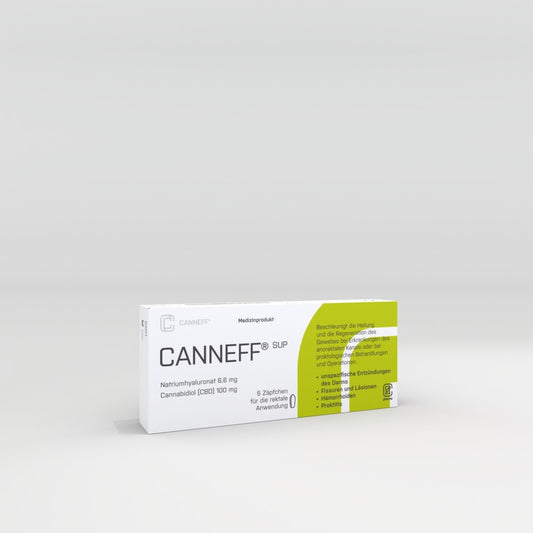
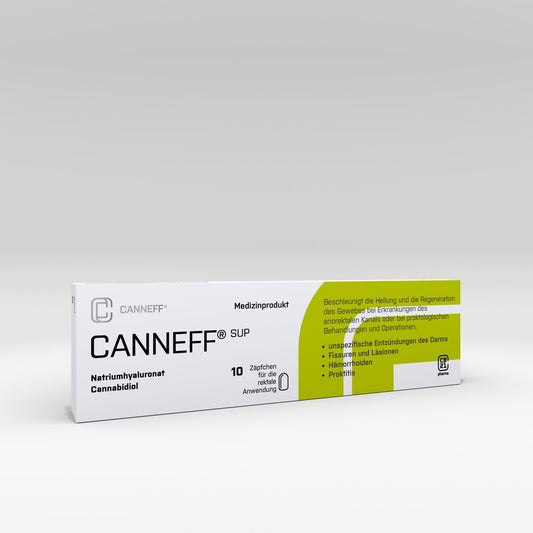
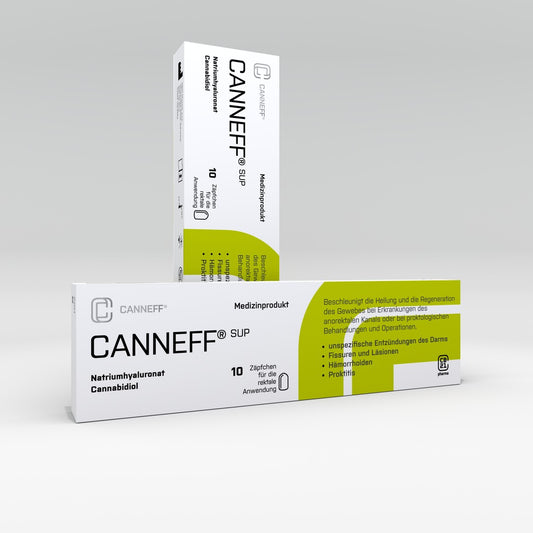
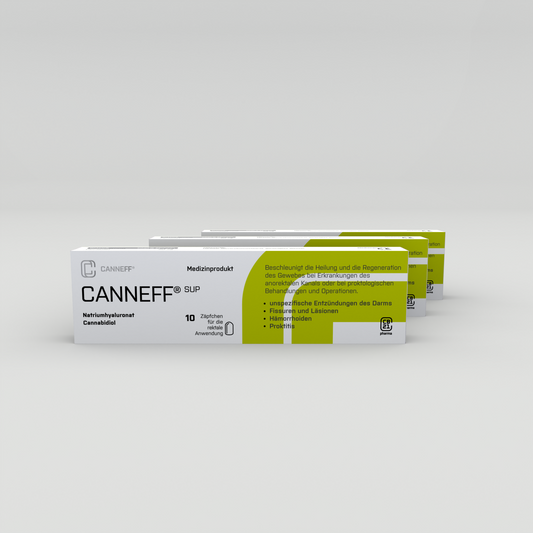
Certain teas like chamomile, fennel, or psyllium husks support healthy digestion and can have anti-inflammatory effects. Psyllium or flaxseeds as supplements also promote stool regulation. High-quality herbal products like CANNEFF® SUP suppositories with CBD can additionally provide relief for acute symptoms. Your doctor can also advise you on hemorrhoid treatment as well as preventive measures for hemorrhoids. Read more in the blog post about the hemorrhoid doctor.
What role does digestion play in the development of hemorrhoids?
Slow digestion increases the risk of constipation and hard stools, which in turn promotes hemorrhoids. A balanced diet rich in fiber, regular exercise, and good fluid intake help maintain bowel activity and avoid straining during bowel movements.
Can a ketogenic or low-carb diet promote hemorrhoids?
Yes, because a ketogenic or very low-carb diet often contains little fiber. The lack of plant-based foods can lead to slowed digestion and constipation. Those following a ketogenic diet should therefore pay special attention to sufficient fiber intake from non-starchy vegetables and high fluid consumption.
Which dietary changes help with a tendency to hemorrhoids?
A fiber-rich, plant-based diet combined with enough water is ideal. Especially suitable are:
-
Whole grain products (oat flakes, spelt bread, brown rice)
-
Fruits & vegetables (apples, pears, berries, carrots, spinach)
-
Legumes (lentils, chickpeas, beans)
-
Healthy fats (nuts, flaxseed oil, avocado)
For holistic prevention of hemorrhoids, it is recommended to integrate regular physical activity into daily life alongside a balanced diet – you can find more information in our blog post Exercises to Prevent Hemorrhoids.
Are probiotic foods useful for preventing hemorrhoids?
Yes, probiotic foods like yogurt, kefir, sauerkraut, or kimchi support the gut flora, promote digestion, and can prevent constipation. A healthy gut flora helps regulate bowel movements and thus reduces the development of hemorrhoids.
Can spicy seasonings worsen hemorrhoids?
Yes, spicy seasonings like chili or pepper can irritate the sensitive intestinal mucosa and worsen existing symptoms such as burning or itching. People with hemorrhoids should enjoy spicy foods in moderation and observe how their body reacts.
At the first symptoms of hemorrhoids such as itching, burning, swelling, or bleeding in the anal area, early medical evaluation is recommended to rule out differential diagnoses and initiate appropriate hemorrhoid treatment. If left untreated, hemorrhoids can require surgical removal in advanced stages of hemorrhoidal disease. More information can be found in the blog post about hemorrhoid surgery.