

What is an anal dilator and how does it work for hemorrhoids?
An anal dilator is a medical device used for gentle stretching of the anal canal. It is usually made of soft, slippery material and has a conical or cylindrical shape. The goal of its use is to reduce tension in the sphincter muscle to relieve pain and improve blood circulation in the anal area.
Can the use of anal dilators relieve hemorrhoids?
Using an anal dilator can be especially helpful when increased sphincter pressure contributes to hemorrhoid symptoms. Read more here about the causes of hemorrhoids. Stretching relaxes the muscles, reducing pressure on the hemorrhoidal cushions. This can have the following effects:
|
Benefits of using anal dilators |
Explanation |
|
Pain relief |
Relaxation of the sphincter muscle reduces pressure and irritation. |
|
Improved blood flow |
Promotes healing through improved blood circulation in the anal area. |
|
Eases bowel movements |
Reduces resistance during bowel movements, avoiding excessive straining. |
|
Support after surgeries |
Helps prevent scarring and maintain tissue flexibility. |
When should anal dilators be used for hemorrhoids?
An anal dilator is especially recommended for patients with a tense sphincter muscle, anal fissures, or after proctological procedures. Its use can be beneficial in the following situations:
-
For pain or cramps in the anal area
-
To support recovery after a hemorrhoid surgery
-
For chronic constipation or hard stools
-
For functional disorders of the sphincter muscle
Not every hemorrhoid patient benefits from anal dilators. Therefore, use should be discussed with a doctor beforehand. An early diagnosis facilitates the correct treatment of hemorrhoids and significantly improves healing chances. If hemorrhoids remain untreated, it can lead to surgical removal in advanced stages of hemorrhoidal disease. More information can be found in the blog post about hemorrhoid surgery.
Are there risks or side effects when using anal dilators?
Although anal dilators are well tolerated when used correctly, there are some possible risks:
|
Possible side effects |
Description |
|
Irritations or small injuries |
Improper use can cause microtears in the anal canal. |
|
Pain with too rapid use |
Too rapid stretching can be uncomfortable. |
|
Infections |
Poor hygiene can promote inflammation. |
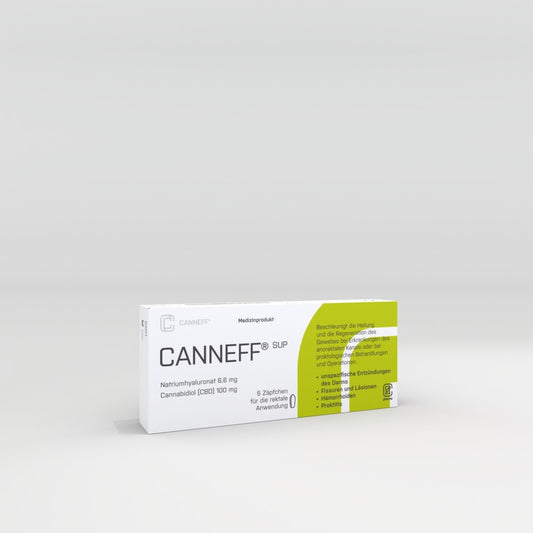
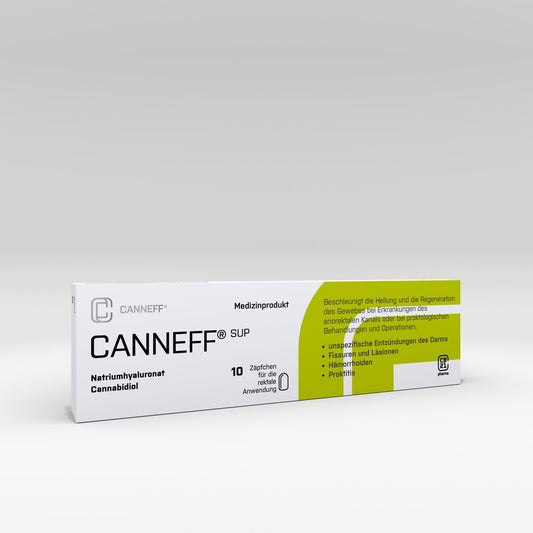
To avoid side effects, a lubricant should always be used and the anal dilator inserted slowly. Additionally, the use of CANNEFF® SUP suppositories can be beneficial, as they have a very positive effect on the mucosal elasticity in the anal area due to CBD and hyaluronic acid.
What alternatives are there to anal dilators for hemorrhoids?
For patients who do not want or are not allowed to use anal dilators, there are some alternatives to relax the sphincter muscle:
|
Alternative treatment method |
Effect |
|
Sitz baths (e.g., with chamomile or oak bark) |
Relaxes the anal area and relieves irritation. |
|
Pelvic floor training |
Strengthens and relaxes the muscles at the same time. |
|
CANNEFF® SUP suppositories |
CANNEFF® SUP promote healing and have anti-inflammatory effects. |
|
Stretching exercises without aids |
Can relax the muscles through targeted pressing and relaxing. |
How often and how long should an anal dilator be used?
The duration and frequency of use depend on individual symptoms. A common recommendation is:
-
Application duration: 5 to 10 minutes per session
-
Frequency: 1 to 2 times daily
-
Duration of therapy: 4 to 6 weeks, as needed
It is advisable to increase use gradually and listen to your body. Read more about various therapy approaches in the blog post on hemorrhoid treatment.
Can anal dilators also be used preventively against hemorrhoids?
Yes, in some cases preventive use can be helpful. Especially for people prone to tension in the anal area or chronic constipation, occasional stretching can help reduce pressure on the hemorrhoids.
A combination of pelvic floor exercises, sitz baths, and a high-fiber diet is more effective in the long term. Find comprehensive information in the blog post on preventive measures for hemorrhoids.
Are anal dilators also useful after hemorrhoid surgery?
After a hemorrhoid surgery, scar tissue may form that narrows the anal canal. Anal dilators can help in such cases to maintain tissue elasticity and prevent pain during bowel movements. However, use should only begin once the wounds have fully healed, usually after 4–6 weeks. Additionally, using CANNEFF® SUP suppositories for hemorrhoids can be beneficial as they support healing and have anti-inflammatory effects.
How do different anal dilator models differ in use?
There are different shapes and materials that vary in their application:
|
Type of anal dilator |
Features |
|
Classic conical anal dilator |
Gradually widens the anal canal. |
|
Cylindrical anal dilator |
Even stretching over the entire length. |
|
Anal dilators with vibration |
Supports muscle relaxation through gentle vibration. |
|
Flexible silicone anal dilators |
Especially gentle and suitable for sensitive individuals. |
Which model is best suited depends on individual symptoms and preferences.
Are there special anal dilators for women or men?
Basically, all anal dilators can be used regardless of gender. However, there are some models specifically designed for women or men:
-
For women: Softer models that adapt to the sensitive mucous membrane
-
For men: Firmer material, sometimes with targeted stimulation for the prostate
Individual consultation with a specialist can help find the right model. Anal dilators are an effective means to relax the sphincter muscle and relieve symptoms of hemorrhoids. They can reduce pain, ease bowel movements, and support healing after surgeries. When used correctly, they are well tolerated, but there are also alternative treatment options, such as ointments or suppositories like CANNEFF® SUP. Always consult a doctor before using an anal dilator to minimize possible risks and select the appropriate model. Read more about various therapy approaches in the blog post on hemorrhoid treatment. The blog post about the doctor’s visit for hemorrhoids provides comprehensive information on diagnosis and examinations.