

What is an anal abscess and how does it develop?
An anal abscess is a painful, encapsulated collection of pus that forms in the tissue near the anus or rectum. It often arises from a bacterial infection of the so-called proctodeal glands (scent glands), located in the transition area between the skin and mucosa of the anal canal. These glands can become blocked, allowing germs, mostly intestinal bacteria like Escherichia coli or skin bacteria such as staphylococci penetrate the glands and cause inflammation there. The infection can spread and lead to pus accumulation, forming the typical abscess.
Causes of an anal abscess
Infection of the proctodeal glands: Blocked ducts allow bacteria to settle and multiply.
Inflammatory bowel diseases: Chronic diseases like Crohn’s disease or ulcerative colitis increase the risk.
Anal fissures: Anal fissures are small tears in the mucosa of the anal canal that can serve as entry points for bacteria.
Weakened immune system: Diseases like diabetes or the use of immunosuppressive drugs promote infections.
Poor hygiene or irritation: Insufficient or excessive anal hygiene can disrupt the skin barrier and promote infections.
If left untreated, an anal abscess can cause serious complications, such as the formation of an anal fistula – a tubular tract connecting the abscess to the skin surface or the anal canal. Therefore, early diagnosis and treatment are essential.
What symptoms indicate an anal abscess?
An anal abscess presents with a variety of symptoms that can occur both locally in the anal region and systemically. Typically, the condition worsens rapidly without treatment of the anal abscess, as the pus accumulation and inflammation progress.
Common symptoms of an anal abscess
Severe pain in the anal region: Sudden onset of increasingly intense pain, especially when sitting, walking, or during bowel movements. Pain that often persists at night and worsens when pressure is applied to the affected area.
Redness and swelling: Visible or palpable swelling near the anus, often accompanied by redness and warmth of the skin.
Pus accumulation: A tense, tender spot indicating pus accumulation.
Burning and itching after defecation: Irritation of the skin in the anal area such as burning after defecation or anal itching caused by inflammation and possible secretion leakage.
Problems during bowel movements: Pain or constipation due to swelling in the anal area. In some cases, blood deposits may also appear on the stool.
Systemic symptoms: Mild fever, chills, and a general feeling of illness as signs of an advanced infection. In severe cases, the infection can spread and cause sepsis.
Spontaneous drainage of the abscess: In some cases, the abscess bursts spontaneously, releasing pus. This often leads to temporary pain relief but can leave behind an anal fistula.
Find more detailed information here about the symptoms of an anal abscess.
When should a doctor be consulted?
-
With persistent or severe pain in the anal region.
-
In case of visible swelling, redness, or pus accumulation.
-
If fever or other systemic symptoms of an anal abscess occur.
Early diagnosis and treatment of the anal abscess by a specialist, such as a proctologist, is crucial to prevent complications like anal fistulas or the spread of the infection.
Why is treatment necessary for an anal abscess?
The treatment of an anal abscess is essential, as it is an acute infection that can cause serious complications without medical intervention. An untreated anal abscess can lead not only to chronic discomfort but also to life-threatening conditions.
Reasons for necessary treatment
Avoidance of complications
Formation of an anal fistula: Without treatment of the anal abscess, the abscess finds a path through the surrounding tissue, resulting in an anal fistula – an unnatural passage between the anal canal and the outer skin. Anal fistulas do not heal on their own and usually require complex surgical intervention. Read more here about the treatment of anal fistulas.
Spread of infection: The infection can spread to surrounding tissue (e.g., the pelvis or abdominal cavity) and lead to serious complications, such as the formation of additional abscesses.
Sepsis: An untreated infection can enter the bloodstream and cause sepsis (blood poisoning), which is life-threatening.
Relief of pain and discomfort
An anal abscess is extremely painful, especially when sitting, walking, and during bowel movements. Early treatment of the anal abscess quickly and effectively relieves these symptoms.
Prevention of a chronic course
Chronic abscesses or recurrent infections can significantly impair quality of life. Early treatment ensures the infection fully heals.
Preservation of sphincter function
If left untreated or recurring, abscesses can damage the sphincter muscle due to the spread of infection or subsequent interventions, potentially leading to permanent fecal incontinence.
Shortening the healing time
Timely treatment accelerates recovery and minimizes the risk of complications, making the healing process less stressful and lengthy.
Recommended treatment measures
The most common and effective method is the surgical drainage of the abscess. In some cases, conservative treatment with antibiotics and anti-inflammatory suppositories such as CANNEFF® SUP can help, especially in the early stages or with smaller abscesses. Supportive measures like sitz baths and a high-fiber diet also promote healing and prevent relapses. Early diagnosis and treatment of an anal abscess is essential to avoid serious complications, relieve discomfort, and restore the quality of life for those affected.
What conservative treatment options are available for anal abscesses?
In the case of an anal abscess, surgical treatment is usually the most effective and necessary therapy, especially for larger or deeper abscesses. Read more here about the surgery for anal abscesses. In certain cases, such as small, superficial abscesses or in the early phase of the disease, conservative treatment options can be helpful. These approaches aim to reduce inflammation, relieve symptoms of an anal abscess, and prevent possible spread of the infection. Read more here about the treatment of an anal abscess.
Medications for inflammation reduction and pain relief
Antibiotics: Antibiotics can be used to fight the underlying infection, especially in combination with other measures. However, they are usually only effective for small abscesses or after spontaneous abscess drainage. Antibiotics are particularly necessary for risk groups such as diabetics, people with weakened immune systems, or extensive infections.
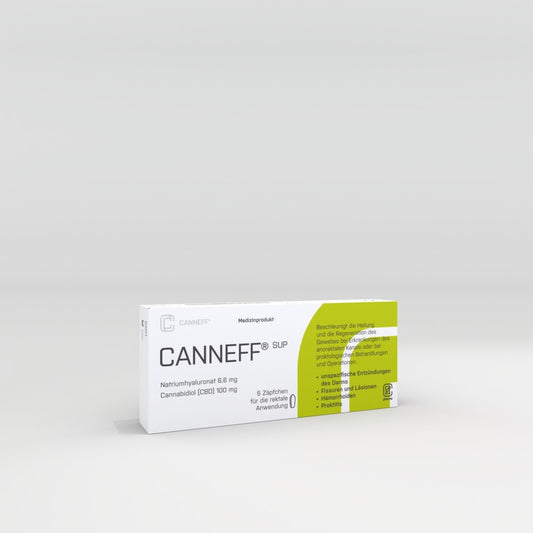
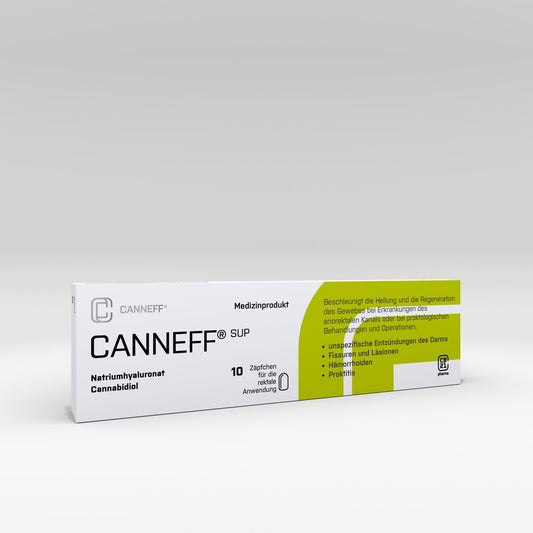
Anti-inflammatory suppositories: Suppositories like CANNEFF® SUP can help reduce inflammation and promote tissue healing. These contain herbal or medicinal active ingredients that have anti-inflammatory and regenerative effects.
Painkillers: Nonsteroidal anti-inflammatory drugs (NSAIDs) like ibuprofen or paracetamol can help relieve pain.
Sitz baths for local relief
Sitz baths with warm water and anti-inflammatory additives such as chamomile or oak bark can:
-
Relieve pain.
-
Promote blood circulation in the anal area.
-
Support the healing process.
It is recommended to take sitz baths 2–3 times daily for about 10–15 minutes.
Fiber-rich diet and stool regulation
A fiber-rich diet (e.g., whole grains, fruits, and vegetables) and adequate fluid intake promote soft stools, reducing pressure on the anal area. In case of constipation, mild laxatives can help minimize tissue strain during bowel movements.
Anal hygiene and wound care
Careful hygiene is crucial to prevent further bacterial entry and worsening of the infection. After bowel movements, the area should be cleaned with lukewarm water and gently patted dry.
Herbal remedies and home remedies
Chamomile: Sitz baths or ointments with chamomile have anti-inflammatory and soothing effects.
Tea Tree Oil: Can have antiseptic effects but should only be applied diluted.
Aloe Vera: Supports skin regeneration and soothes irritation.
Limitations of conservative approaches
Conservative treatments are generally effective only for smaller, superficial abscesses or in the early stages. Larger, deeper, or chronic abscesses almost always require surgical drainage. Therefore, medical supervision is essential to ensure that conservative treatment is sufficient and no complications arise. Conservative treatment options such as anti-inflammatory medications, sitz baths, and careful hygiene can be helpful for smaller anal abscesses, but are usually supportive to surgical therapy. Early medical evaluation is crucial to choose the right treatment method and avoid serious complications.
How can herbal remedies help in the treatment of anal abscesses?
Herbal remedies can provide effective support in the treatment of anal abscesses, especially for relieving symptoms, promoting wound healing, and reducing inflammation. However, they are usually complementary to other medical measures, as an anal abscess often requires surgical treatment. Nevertheless, herbal approaches can support recovery and improve well-being.
Effects of herbal remedies on anal abscesses
Anti-inflammatory effects: Many plants contain active ingredients such as flavonoids, essential oils, or tannins that have anti-inflammatory effects and reduce swelling.
Pain relief: Herbal remedies can relieve pain in the anal area through soothing and cooling effects.
Promotion of wound healing: Certain plants stimulate tissue regeneration and support healing after surgery or drainage of an anal abscess.
Antiseptic effect: Herbal active ingredients can help prevent the entry of additional bacteria and reduce the risk of infection.
Applications of herbal remedies
Sitz baths: Herbal additives like chamomile or oak bark have anti-inflammatory and soothing effects. Sitz baths should be taken 2–3 times daily.
Ointments and creams: Products with herbal ingredients such as calendula or witch hazel help soothe the skin and promote healing.
Compresses: Cold or warm compresses soaked with herbal tinctures relieve swelling and pain.
Suppositories: Herbal suppositories like CANNEFF® SUP contain anti-inflammatory agents that act directly in the anal area and promote healing.
Limitations of herbal remedies
Herbal remedies are mainly suitable for relieving symptoms and as a complementary measure. A larger or deeper anal abscess almost always requires surgical drainage. If there are signs of a serious infection (e.g., fever, severe pain, or redness), a doctor should be consulted immediately.
Herbal remedies such as chamomile, oak bark, or aloe vera offer natural support in the treatment of anal abscesses. They can relieve pain, promote healing, and reduce inflammation. However, they do not replace medical therapy and should always be used in consultation with a doctor, especially in severe or advanced cases.
Which home remedies are recommended for anal abscesses?
Home remedies can be a helpful addition to relieving symptoms of anal abscesses. They promote healing, reduce inflammation, and ease pain. However, they do not replace medical treatment, as larger or deeper anal abscesses often require surgical intervention. Here are some recommended home remedies:
Sitz baths
Sitz baths are among the most effective home remedies for anal abscesses as they promote blood circulation, relieve pain, and reduce inflammation.
Ingredients: Chamomile, oak bark, tea tree oil (diluted), or salt.
Application: Soak for 10–15 minutes in warm water with the appropriate additives, 2–3 times daily.
Chamomile especially has anti-inflammatory and soothing effects, while oak bark has an astringent effect.
Warm compresses
Warm compresses promote blood circulation and can help soften the abscess and facilitate the drainage of pus.
Application: Dip a clean cloth in warm water, optionally mixed with chamomile or tea tree oil, and place on the affected area. Leave for 10–15 minutes and repeat several times daily.
Aloe vera
Aloe vera is known for its anti-inflammatory and healing-promoting properties.
Application: Apply fresh aloe vera gel directly to the affected area and let it absorb. It relieves pain and supports wound healing.
Coconut oil
Coconut oil has antibacterial and soothing properties and can be helpful for minor inflammations.
Application: Warm the oil slightly and gently apply to the affected area. It also nourishes the skin and can reduce irritation.
Tea tree oil
Tea tree oil has antiseptic and anti-inflammatory properties that can help fight the infection.
Application: Dilute a few drops of tea tree oil with a carrier oil (e.g., coconut or olive oil) and gently apply to the anal area. Never use undiluted, as it can irritate sensitive skin.
Chamomile
Chamomile has soothing, anti-inflammatory, and antibacterial effects.
Application: Prepare chamomile tea, soak a cloth in it, and apply as a warm compress. Alternatively, use it as an additive for a sitz bath.
Fiber-rich diet
A high-fiber diet eases bowel movements and reduces pressure on the anal area, thereby reducing pain and irritation.
Recommended foods: Whole grains, fruits, vegetables, and legumes.
Additionally: Ensure adequate fluid intake to keep stools soft.
Honey
Honey has antibacterial and healing-promoting properties.
Application: Apply a thin layer of honey directly to the affected area or dissolve it in warm water and use as a compress.
Turmeric
Turmeric contains curcumin, which has anti-inflammatory and antiseptic properties.
Application: Make a paste from turmeric powder and water and gently apply it to the affected area. Alternatively, incorporate turmeric into your diet to support healing from within.
Hygiene
Thorough hygiene is essential to promote healing and prevent the infection from worsening.
Recommendation: After each bowel movement, clean the anal area with lukewarm water and gently pat dry. Avoid harsh soaps and excessive rubbing.
Important notes
-
Home remedies primarily serve to relieve symptoms and should only be used as supportive measures.
-
In cases of severe pain, fever, pus formation, or other serious symptoms, a doctor should definitely be consulted, as surgical drainage is often necessary.
-
Home remedies such as sitz baths, chamomile, aloe vera, and tea tree oil can relieve the symptoms of an anal abscess and support the healing process. However, they do not replace medical treatment, especially for larger or deeper abscesses. Medical evaluation is advisable in any case.
How can sitz baths with herbal additives support healing?
Sitz baths with herbal additives such as chamomile, oak bark, or tea tree oil can effectively support the healing of anal abscesses. They have anti-inflammatory, antiseptic, and soothing effects on the sensitive skin of the anal area. Chamomile helps reduce swelling and irritation, while oak bark promotes wound healing through its astringent (contracting) effect. Tea tree oil can prevent infections due to its antibacterial properties. Regular sitz baths, about two to three times daily for 10–15 minutes, improve blood circulation, gently cleanse the wound, and thus support tissue healing. They are a simple and effective complement to medical treatment.
What role does nutrition play in the prevention and treatment of anal abscesses?
Nutrition plays a central role in the prevention and treatment of anal abscesses, as it regulates bowel movements and reduces strain on the anal area. A fiber-rich diet with whole grains, fruits, vegetables, and legumes promotes soft and regular stools, thereby avoiding pressure and irritation in the anal region. Adequate fluid intake further supports bowel function. Soft stools reduce the risk of anal fissures, which can be a possible cause of anal abscesses. At the same time, a balanced diet strengthens the immune system and promotes healing by supplying the body with essential nutrients such as vitamins and minerals, especially zinc.
How can CANNEFF® SUP suppositories promote healing?
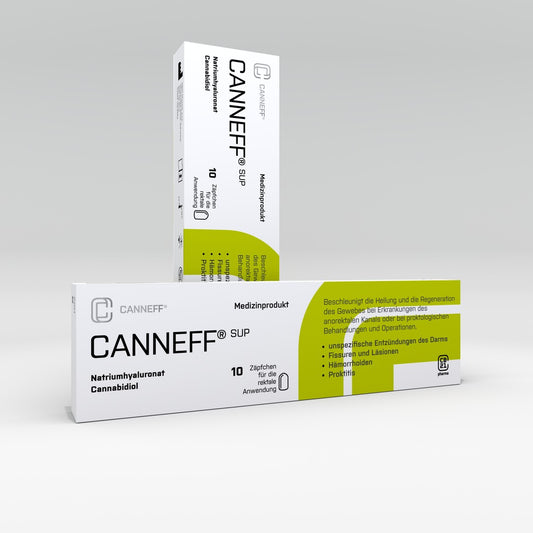
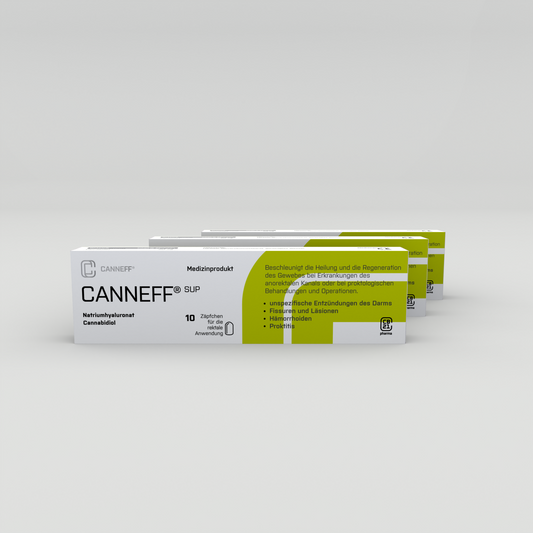
CANNEFF® SUP suppositories are specially developed to relieve inflammatory complaints in the anorectal area and support the healing of tissue damage, as occurs with anal abscesses. They act directly where the inflammation is located and offer several benefits for the healing process through their unique combination of active ingredients.
Direct action at the site of inflammation
By rectal application, the active ingredients of the suppositories reach the site of inflammation directly. This ensures high effectiveness, as the active ingredients reach the affected tissue without detours. This is a clear advantage, especially for conditions like anal abscesses, where local treatment is crucial.
Anti-inflammatory effect
CANNEFF® SUP suppositories contain active ingredients that actively combat inflammation. They reduce swelling and prevent the spread of infection. This anti-inflammatory property helps lower tissue pressure, which not only speeds up healing but also significantly relieves pain and feelings of tension. Read more here about the treatment of anal abscesses with suppositories.
Promotion of wound healing
The suppositories are designed to support the regeneration of the affected tissue. Through their regenerative properties, they help rebuild damaged mucous membranes and strengthen the skin’s natural protective barrier. This is particularly important after surgical abscess drainage, where the wound remains open and must heal from the inside out. Read more here about surgery for anal abscesses.
Pain relief
CANNEFF® SUP suppositories contain soothing and pain-relieving active ingredients that reduce irritation of the sensitive mucous membrane in the anal area. This makes them especially suitable for patients suffering from postoperative pain or inflammation-related anal burning after surgery.
Supplement to conservative and surgical treatment
CANNEFF® SUP suppositories can be used both in conservative treatment approaches and after surgical drainage of anal abscesses:
After surgery: They support wound healing, relieve pain, and prevent renewed inflammation.
For small, superficial abscesses: They can help contain inflammation and avoid possible surgical treatment.
Application and benefits
The use of CANNEFF® SUP suppositories is straightforward:
-
They are inserted into the anus and dissolve there to evenly distribute their active ingredients.
-
They are well tolerated and gentle on the sensitive tissue in the anal area.
-
They can be used in combination with other supportive measures such as sitz baths and a high-fiber diet.
CANNEFF® SUP suppositories are an effective support in the treatment of anal abscesses and related complaints in the anal area. They relieve pain, inhibit inflammation, and promote healing of the affected tissue. Especially after surgical abscess drainage, they can help accelerate the healing process and reduce the risk of complications such as reinfection or anal fistula formation. As part of a comprehensive treatment plan, they can significantly improve the quality of life for those affected. Read more here about the treatment of anal abscesses with suppositories.
How can anal abscesses be prevented with natural methods?
Preventing anal abscesses through natural methods aims to promote the health of the anal region, prevent infections, and minimize underlying risk factors. With a healthy lifestyle, careful hygiene, and targeted measures, anal abscesses can often be avoided.
Careful anal hygiene
Regular cleaning: After bowel movements, the anal area should be cleaned with lukewarm water and gently dried. Harsh soaps or excessive rubbing can irritate the skin and make it more susceptible to infections.
Avoiding skin irritation: Fragrance-free or chemical-free wet wipes are gentler on the skin and can help avoid irritation.
Fiber-rich diet
Soft stools: A fiber-rich diet with whole grains, fruits, vegetables, and legumes helps prevent constipation and keeps stools soft. This reduces pressure on the anal region, which can cause microtears that favor infections.
Adequate fluid intake: Drinking at least 1.5–2 liters of water daily supports gut health and prevents hard stools.
Promoting gut health
Probiotics: Regular consumption of probiotic foods like yogurt, sauerkraut, or kefir promotes a healthy gut flora that can help prevent infections in the anal area.
Avoiding diarrhea: Foods that irritate the stomach and intestines, such as heavily spiced dishes or excessive alcohol, should be reduced.
Sitz baths as prevention
Regular sitz baths with herbal additives like chamomile or oak bark can help promote blood circulation in the anal area and prevent inflammatory processes. They are especially useful at the first signs of irritation.
Avoiding prolonged sitting
Prolonged sitting increases pressure on the anal region and can impair blood circulation. Regular breaks with movement relieve the tissue and promote circulation.
Weight control
Overweight can increase pressure on the anal region and make the skin more prone to infections. Maintaining a healthy body weight reduces the risk of abscesses and other anal conditions.
Treatment of anal fissures and skin irritations
Early treatment: Anal fissures and small tears or irritations in the anal area should be treated early with anti-inflammatory creams or herbal remedies like aloe vera to prevent infections.
CANNEFF® SUP suppositories: These suppositories can help soothe the tissue, reduce inflammation, and strengthen the mucous membrane, thereby lowering the risk of abscesses.
Stress management
Chronic stress can weaken the immune system and increase susceptibility to infections. Relaxation techniques such as yoga, meditation, or breathing exercises promote overall health and the body's resilience.
Exercise and circulation promotion
Regular physical activity improves blood circulation in the pelvic area and supports bowel function, helping to prevent constipation and pressure in the anal region.
Strengthening the immune system
A balanced diet rich in vitamins (e.g., vitamins C, D, and zinc) and sufficient sleep strengthen the immune system and reduce susceptibility to infections.
Natural methods such as a high-fiber diet, good anal hygiene, regular exercise, and targeted herbal applications can significantly reduce the risk of anal abscesses. By combining these measures with overall health strengthening, the occurrence of abscesses can often be successfully prevented. However, in cases of recurring problems or inflammatory complaints, a doctor should be consulted to clarify possible underlying conditions.
When should you see a doctor despite herbal treatment?
Despite herbal treatment of an anal abscess, a doctor should be consulted if the symptoms of an anal abscess worsen or if there is no improvement after a few days. Warning signs include severe pain, increasing swelling, redness, fever, chills, or a general feeling of illness. A medical examination is also necessary if the abscess bursts spontaneously or if there is persistent discharge of pus to prevent complications such as the formation of an anal fistula. Since larger or deeper anal abscesses often require surgical treatment, early medical evaluation is crucial to avoid the spread of infection and serious consequences.
What role does aftercare play in the healing of an anal abscess?
Aftercare is a crucial factor for the complete healing of an anal abscess and to avoid complications. After surgical drainage, the wound usually remains open to heal from the inside out. Careful care of the wound area is essential to prevent infections, wound healing disorders, or the formation of anal fistulas.
Regular wound cleaning
Daily rinsing: The wound should be rinsed 1–2 times daily with lukewarm water to remove secretions and bacteria.
Use of sitz baths: Sitz baths with anti-inflammatory additives such as chamomile or oak bark promote healing and soothe the tissue.
Hygiene in the anal area
After each bowel movement, the area should be gently cleaned to prevent germs from entering the open wound. Harsh soaps or rough rubbing should be avoided.
Dressing changes and medical check-ups
The wound should be regularly covered with sterile compresses. Medical check-ups are necessary to ensure the wound heals properly and no new abscesses or fistulas develop.
Soft stools
A fiber-rich diet and sufficient fluids promote soft stools, which minimize pressure on the wound. If necessary, mild laxatives or suppositories like CANNEFF® SUP can be used to support healing.
Pain management
Painkillers or anti-inflammatory medications prescribed by a doctor help make the healing process more bearable and minimize irritation.
Follow-up care is essential to ensure complication-free healing of an anal abscess. Thorough wound care, hygiene, and regular medical check-ups help speed up the healing process, prevent complications, and improve the quality of life for those affected.
Are there risks in using only herbal remedies?
The sole use of herbal remedies carries some risks in the treatment of an anal abscess, as these remedies generally only relieve symptoms and cannot fully combat the underlying infection. Anal abscesses are often the result of a deep bacterial infection that can lead to serious complications if left untreated.
Insufficient infection control: Herbal remedies usually do not have sufficient antibacterial effects to fully control the infection. This can cause the inflammation to worsen and spread.
Development of complications: Without professional treatment, serious complications can develop from an anal abscess, such as an anal fistula, which often requires complex surgical intervention. In rare cases, an untreated infection can lead to sepsis (blood poisoning).
Delay of necessary medical treatment: The sole use of herbal remedies can delay necessary medical treatment, worsening the condition of the abscess and reducing the chances of healing.
Uncontrolled abscess drainage: An abscess can drain spontaneously, which may provide temporary relief but carries the risk that the infection does not fully resolve and a chronic course with recurring abscesses or fistulas develops.
Insufficient depth effect: Many herbal remedies only work superficially and cannot reach deeper infections or abscesses located within the tissue.
When herbal remedies are not sufficient
-
With severe symptoms such as fever, significant swelling, or intense pain.
-
If the abscess grows or new infection sites develop.
-
In chronic diseases such as Crohn's disease or diabetes, which increase the risk of complications.
Herbal remedies can play a supportive role in the treatment of anal abscesses by relieving pain, promoting blood circulation, and supporting healing. However, they should never be used as the sole therapy, especially in cases of deep or severe infections. A medical examination and, if necessary, surgical treatment are crucial to avoid complications and ensure complete healing.
How can herbal approaches and medical treatments be combined?
Herbal approaches and medical treatments can be effectively combined to promote the healing of an anal abscess and relieve discomfort. While medical measures such as surgical drainage specifically treat the infection, herbal remedies like sitz baths with chamomile or oak bark can support wound healing and reduce inflammation. Anti-inflammatory suppositories like CANNEFF® SUP complement the healing process by acting directly in the affected area. Read more here about treatment of anal abscesses with suppositories. A fiber-rich diet and sufficient fluids also ensure soft stools, which minimize pressure on the wound. By combining both approaches, the healing process is accelerated, pain is reduced, and the risk of complications is lowered. Read more here about alternative therapy approaches for an anal abscess.