

What measures help prevent prostatitis?
Prostatitis can often be prevented through targeted measures to avoid infections and support prostate health. Good hygiene, a healthy lifestyle, and protecting the pelvic area play a central role.
Hygiene: Pay attention to thorough intimate hygiene, especially after using the toilet and during sexual intercourse.
Adequate fluid intake: Drinking plenty of water helps flush the urinary tract and prevent infections.
Bladder emptying: Avoid suppressing the urge to urinate. Regular emptying reduces the risk of infection.
Protect the pelvic area: Sitting on cold or damp surfaces can irritate the prostate. Heat pads, on the other hand, promote blood circulation.
Prevention of urinary tract infections: Frequent infections should be medically evaluated.
How does a healthy diet affect the prostate?
A healthy diet plays a crucial role in prostate health and can help relieve or prevent prostatitis symptoms. Certain nutrients have anti-inflammatory properties, strengthen the immune system, and promote prostate function.
Positive effects of a healthy diet:
Anti-inflammatory effects: Foods like fatty fish (salmon, mackerel), nuts, and flaxseeds provide valuable omega-3 fatty acids that can reduce inflammation in the prostate.
Antioxidant protection: Lycopene from tomatoes, vitamin C from berries and green vegetables, and zinc from legumes and pumpkin seeds help prevent cell damage and protect the prostate.
Hormone regulation: A high-fiber diet with whole grain products can help minimize hormonal imbalances that could strain the prostate.
|
Foods |
Effect |
|
Tomatoes |
Lycopene reduces inflammation |
|
Fish (salmon, mackerel) |
Omega-3 fatty acids have anti-inflammatory effects |
|
Pumpkin seeds |
Zinc supports prostate function |
|
Green leafy vegetables |
Vitamin C strengthens the immune system |
|
Whole grain products |
Support digestion and gut health |
Foods to avoid to prevent prostatitis
Alcohol and caffeine: Irritate the bladder and worsen symptoms like urinary urgency.
Spicy seasonings and fried foods: Can additionally irritate the prostate.
Can regular doctor visits reduce the risk of prostatitis?
Yes, regular doctor visits can help detect the risk of prostatitis early and initiate appropriate measures for prevention or treatment.
Early diagnosis: Prostatitis symptoms like urinary difficulties or pelvic pain can be detected and treated early before they worsen.
Identifying risk factors: Urologists check for risk factors such as urinary tract infections, bladder emptying disorders, or prostate hyperplasia.
Monitoring prostate health: Regular check-ups, such as PSA tests and prostate examinations, can detect inflammatory changes or other conditions early.
Advice on prevention: A doctor can provide recommendations on lifestyle, nutrition, and stress management to reduce the risk of prostatitis.
Read more here about the doctor’s visit for prostatitis or about general therapy and treatment for prostatitis.
Why is hygiene so important for prostate health?
Hygiene plays a crucial role in prostate health, especially in preventing infections that can lead to bacterial prostatitis.
Prevention of urinary tract infections: Bacteria that cause urinary tract infections, such as Escherichia coli, can enter the prostate through the urethra and cause inflammation. Regular and thorough intimate hygiene helps reduce the number of potential pathogens.
Risk from sexual transmission: Sexually transmitted infections (STIs) such as chlamydia or gonorrhea can infect the prostate. Hygiene before and after sexual intercourse—combined with protective measures like condoms—minimizes this risk.
Bladder emptying and residual urine: Complete bladder emptying is important to avoid the buildup of bacteria. Insufficient hygiene can allow additional germs to enter the urinary tract and inflame the prostate.
Catheters and medical procedures: When using bladder catheters or undergoing procedures like cystoscopy, sterile hygiene is crucial to prevent the entry of germs.
Practical hygiene tips for prostate health
- Regular cleaning of the intimate area with mild, pH-neutral products.
- Ensure adequate fluid intake to flush the urinary tract.
- Hygienic measures before and after sexual contact.
- Avoid excessive sweating and moisture in the genital area (e.g., by wearing dry clothing and breathable fabrics).
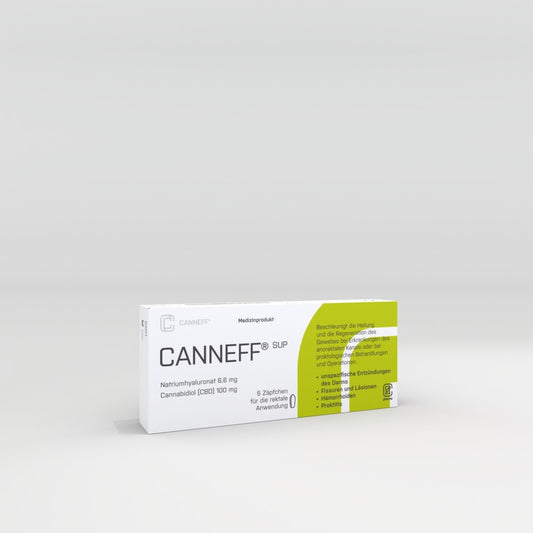
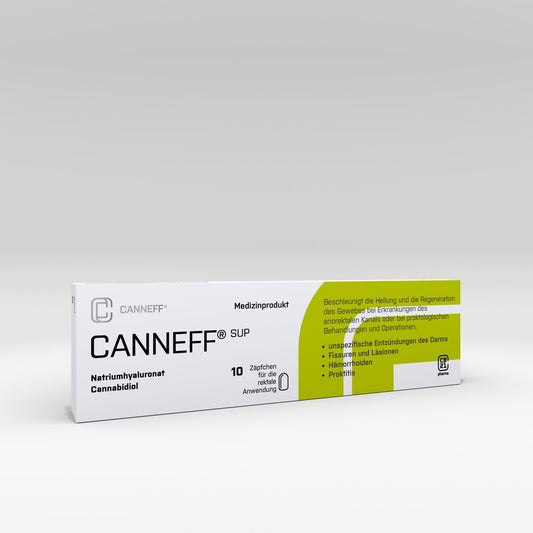
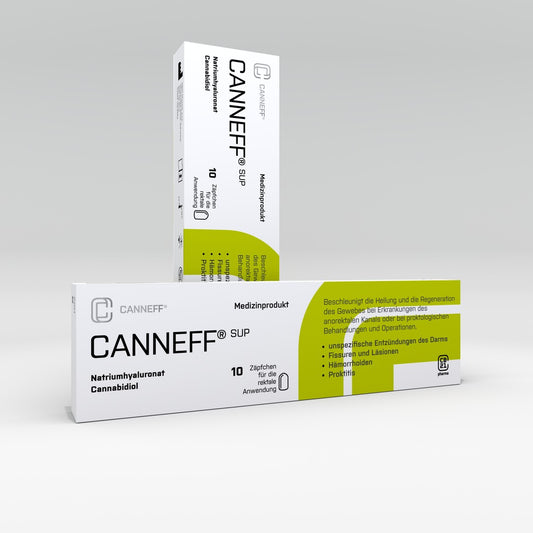
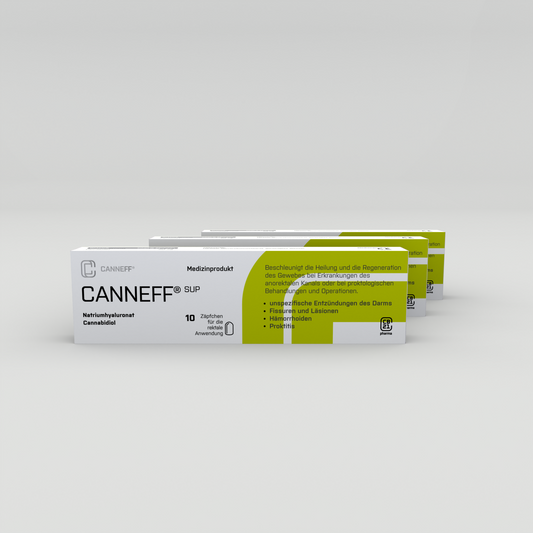
For accompanying symptoms such as burning after bowel movements or irritation in the rectal area that can affect prostate health, CANNEFF® SUP suppositories with CBD and hyaluronic acid offer an effective way to soothe local inflammation and care for the mucous membranes. Read more here about the treatment of prostatitis with suppositories or about the various causes of prostatitis.
Do certain lifestyle habits protect against prostatitis?
Yes, certain lifestyle habits can reduce the risk of prostatitis and contribute to overall prostate health. A healthy lifestyle strengthens the immune system, promotes blood circulation, and reduces potential risk factors. Read more here about the causes of prostatitis.
|
Lifestyle habit |
Effect |
|
Adequate fluid intake |
Flushes the urinary tract and reduces the risk of urinary tract infections. |
|
Regular exercise |
Promotes blood circulation in the prostate and relieves tension in the pelvic floor area. |
|
Healthy diet |
Anti-inflammatory foods like fish (Omega-3), vegetables, and whole grains support the prostate. |
|
Adjust sitting habits |
Avoid sitting for too long or use cushions to relieve the pelvic floor. |
|
Good intimate hygiene |
Reduces the entry of germs that can cause infections. |
|
Sexual activity |
Regular ejaculation supports prostate function and prevents congestion. |
|
Stress reduction |
Chronic stress promotes tension and can worsen CPPS symptoms. |
|
Avoid risk factors |
Alcohol, smoking, and excessive caffeine consumption can irritate the prostate. |
Why are good lifestyle habits important for preventing prostatitis?
A combination of healthy nutrition, regular exercise, and stress reduction helps relieve the prostate and minimize inflammatory reactions in the body. At the same time, these habits strengthen the immune system, better protecting the body from infections.
In chronic conditions such as chronic abacterial prostatitis (CPPS), CANNEFF® SUP suppositories can help relieve symptoms like pain and pressure in the pelvic area through their anti-inflammatory and muscle-relaxing effects. A healthy lifestyle not only protects against prostatitis but also promotes long-term prostate health. It is the best preventive measure to reduce infections and tension.
Can exercise reduce the risk of prostate inflammation?
Yes, regular exercise can reduce the risk of prostate inflammation (prostatitis) and contribute to overall prostate health. Physical activity promotes blood flow, reduces stress, and strengthens the immune system, thereby better protecting the body against inflammation and infections.
How does exercise affect the prostate?
Promotes blood circulation: Regular physical activity improves blood circulation in the pelvic area and prevents congestion in the prostate.
Reduces inflammation: Exercise lowers the production of pro-inflammatory messengers that often play a role in chronic prostatitis.
Stress reduction: Stress and tension can worsen the symptoms of chronic abacterial prostatitis (CPPS). Exercise reduces stress hormones and helps relieve tension in the pelvic floor.
Strengthens the immune system: A strong immune system helps to better fight infections of the urinary tract or prostate.
Which sports are suitable?
Moderate endurance sports: Swimming, cycling (with an ergonomic saddle), and walking promote blood circulation without putting strain on the prostate.
Pelvic floor exercises: Exercises to strengthen and relax the pelvic floor are especially helpful for CPPS.
Yoga and stretching: Relieve tension and improve mobility in the pelvic area.
Exercise and CANNEFF® SUP for chronic prostatitis
In chronic abacterial prostatitis, regular exercise and targeted therapy can be combined. CANNEFF® SUP suppositories additionally have anti-inflammatory effects, relax the muscles in the pelvic floor area, and relieve pain – an ideal complement to physical activity.