

How can skin tags be prevented?
Preventing skin tags is based on measures that relieve the anal area, avoid mechanical irritation, and promote healthy digestion. A conscious lifestyle can help reduce the risk of developing skin tags.
Regulate bowel movements and avoid constipation
Hard stool and excessive straining are major causes of skin tags. To prevent this:
Fiber-rich diet: Whole grains, fruits, vegetables, and legumes help keep stool soft.
Adequate hydration: At least 1.5–2 liters of water per day support smooth digestion.
Psyllium husks or flaxseeds: These natural bulking agents promote soft stool consistency and ease bowel movements.
Do not suppress the urge to defecate: Regular toilet visits prevent excessive straining and unnecessary stress on the anal area.
Reduce mechanical irritation
Gentle anal hygiene: After bowel movements, the anal area should be cleaned with lukewarm water and gently patted dry. Avoid rough toilet paper or alcohol-based wet wipes.
Avoid tight clothing: Loose, breathable underwear reduces friction and moisture, which can promote skin irritation.
Avoid prolonged sitting: Those who sit a lot should regularly stand up and take short movement breaks to promote blood circulation in the anal area.
Prevent hemorrhoids and anal vein thrombosis
Since skin tags often develop as a result of hemorrhoids or anal vein thrombosis, their formation should be prevented. Preventive measures are especially important for recurrent anal vein thrombosis.
Regular exercise: Sports like walking, swimming, or yoga improve blood circulation in the anal area.
Avoid excessive straining: Stool softeners or dietary adjustments help reduce strong straining.
Weight control: Overweight increases pressure in the pelvic area and promotes vascular changes.
Prevention after pregnancy and childbirth
Pelvic floor exercises: Strengthen connective tissue and improve blood circulation in the anal area.
Gentle emptying after childbirth: Psyllium husks and adequate fluid intake ease bowel movements.
Read more here about the causes of skin tags.
Does a fiber-rich diet help against skin tags?
Yes, a fiber-rich diet can significantly reduce the risk of skin tags and relieve existing skin tag symptoms. Fiber plays a central role in healthy digestion by regulating stool consistency and preventing strong straining during bowel movements – one of the main causes of skin tags.
How do fibers help prevent skin tags?
Softer stool consistency: Fiber binds water in the intestines and ensures smooth bowel movements, protecting the sensitive anal skin.
Less pressure during bowel movements: Regular, soft bowel movements reduce straining and prevent excessive tissue stress.
Prevention of constipation and diarrhea: Chronic constipation or frequent diarrhea can promote skin tags – fiber helps maintain a healthy balance.
Supporting the gut flora: Prebiotic fibers (e.g., from psyllium husks or flaxseeds) promote a healthy gut flora that can minimize digestive problems.
Which foods are particularly high in fiber?
- Whole grain products (Oatmeal, whole grain bread, quinoa, brown rice)
- Fruits & vegetables (Apples, pears, berries, carrots, broccoli)
- Legumes (Lentils, chickpeas, beans)
- Nuts & seeds (Flaxseeds, chia seeds, almonds)
Additional tips for healthy digestion
Daily fluid intake of at least 1.5–2 liters of water is crucial for fiber to work effectively. Slow dietary change, to avoid bloating or digestive problems. Regular exercise Supports bowel activity and promotes natural digestion.
Why is adequate fluid intake important to prevent skin tags?
Adequate fluid intake is crucial for healthy digestion and preventing skin tags. It supports soft stools, reduces mechanical stress in the anal area, and protects sensitive skin. Regular drinking can significantly lower the risk of skin tags. Water plays a key role in regulating stool consistency, avoiding strong straining during bowel movements—one of the main triggers for skin tags.
How does fluid intake help prevent skin tags?
Promotes soft bowel movements: Water binds to fiber and ensures a smooth stool consistency, reducing strain on the bowel. Hard, dry stools require strong straining, which overstretches the sensitive anal skin and promotes skin tags.
Prevents constipation: Lack of fluids often leads to slowed bowel activity and hardened stool, increasing the risk of mechanical irritation in the anal area. Drinking enough promotes bowel movement and facilitates natural elimination.
Protects the anal skin: Good hydration supports tissue elasticity and prevents the skin in the anal area from drying out and becoming more prone to cracks. Well-perfused, supple skin can regenerate better after strain.
Supports a healthy gut flora: Water helps beneficial gut bacteria work optimally, reducing inflammation and irritation in the anal area. A balanced gut lowers the risk of chronic diarrhea or irritated mucous membranes, which promote the development of skin tags.
How much fluid is ideal?
Recommended amount: At least 1.5–2 liters of water per day, preferably 2–2.5 liters with a high-fiber diet. Suitable drinks: Water, unsweetened herbal teas, or diluted juices. Avoid: Alcohol, coffee, and heavily sugared drinks, as they can dehydrate and irritate the bowel.
How can gentle anal hygiene prevent skin tags?
Gentle anal hygiene can help prevent marisks by reducing skin irritation and mechanical stress. Instead of heavy wiping with dry toilet paper, cleaning with lukewarm water or moist toilet paper is gentler. Aggressive soaps and alcohol-based wipes should be avoided as they dry out and irritate the skin. After cleaning, gentle drying by patting or using a low-setting hairdryer is ideal to avoid moisture and irritation. Soothing ointments with witch hazel or aloe vera can protect and care for the skin. Gentle anal hygiene helps keep the skin supple, prevent inflammation, and reduce the formation of new marisks.
Should heavy straining during bowel movements be avoided?
Yes, heavy straining during bowel movements should be avoided as it overstretches the anal skin and increases the risk of marisks, hemorrhoids, and anal fissures. A fiber-rich diet, adequate fluid intake, and regular exercise promote soft stool consistency and ease bowel movements, helping to avoid heavy straining. In case of constipation, psyllium husks or flaxseeds help regulate bowel movements.
Which sports help prevent marisks?
Sports that promote blood circulation in the pelvic area and minimize pressure on the anal region help prevent marisks. Especially suitable are:
Walking & hiking: Promotes digestion and prevents prolonged sitting.
Swimming: Relieves the pelvic floor and improves blood circulation.
Yoga & Pilates: Strengthens the pelvic floor muscles and promotes healthy digestion.
Cycling (with a soft saddle): Promotes blood circulation but should be reduced if there is discomfort.
Moderate strength training: Should be done without heavy straining or heavy lifting.
Long sitting periods, intense strength training with heavy straining, and sports with high pelvic load (e.g., weightlifting) should be avoided or adjusted.
Are sitz baths useful for preventing marisks?
Yes, sitz baths are useful for preventing marisken. They promote blood circulation, soothe the skin, and reduce irritation. Baths with chamomile, oak bark, or witch hazel are especially anti-inflammatory and support skin health in the anal area. Regular sitz baths can help prevent skin irritation and keep the tissue elastic. Read more here about the herbal treatment of marisken.
Can special ointments or creams prevent marisken?
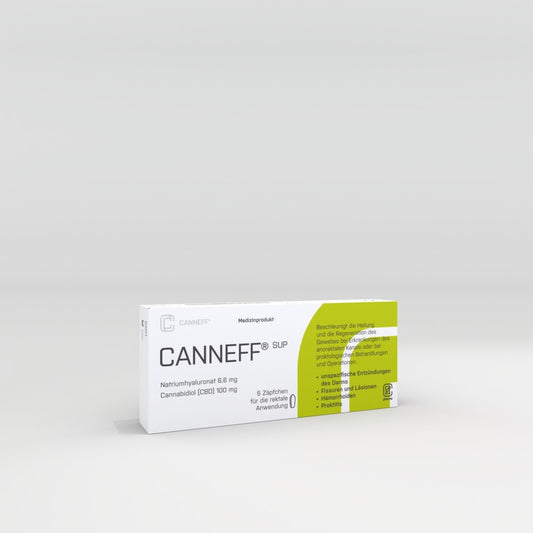
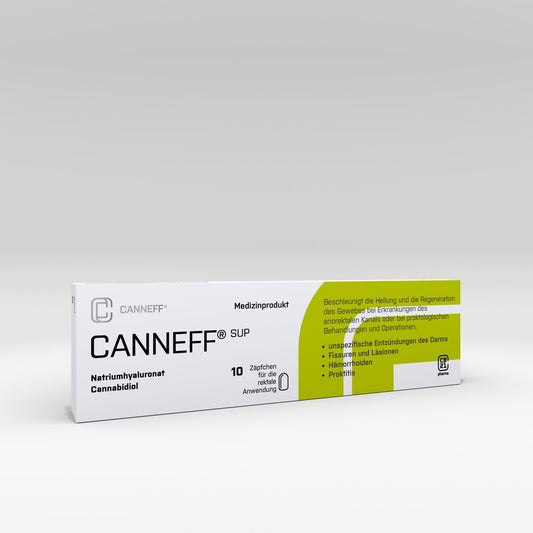
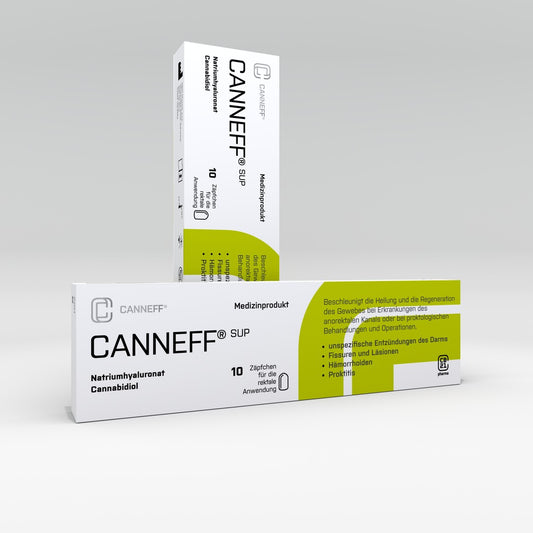
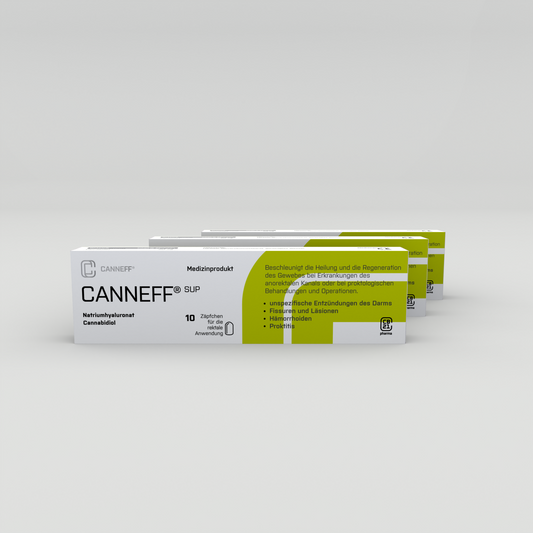
Yes, special ointments or creams can help prevent marisken by keeping the skin supple and reducing irritation. Creams with witch hazel, zinc, or panthenol have anti-inflammatory effects and protect the sensitive anal skin. Moisturizing ointments with aloe vera or calendula can prevent dryness and skin irritation. CANNEFF® SUP rectal suppositories with CBD and hyaluronic acid support skin regeneration, soothe, and strengthen the natural protective barrier. Regular use of these care products promotes skin elasticity and can reduce the risk of marisken. Read more here about the use of suppositories for treating marisken.
What role does movement play in preventing marisken?
Movement plays a crucial role in preventing marisken as it stimulates bowel activity, prevents constipation, and reduces pressure in the anal area. Regular physical activity such as walking, swimming, or yoga improves blood circulation and prevents venous congestion, which can contribute to the development of marisken. Prolonged sitting, especially on hard surfaces, should be avoided or interrupted with movement breaks. Read more here about alternative treatment approaches for marisken.