

Why do hemorrhoids occur so frequently after birth?
Hemorrhoids are among the most common complaints after birth. About every second woman develops enlarged hemorrhoids after a natural delivery. The main reasons are:
-
Strong pressure in the pelvic area during pregnancy and birth
-
Pushing contractions that overstretch the hemorrhoidal cushions
-
Slowed digestion due to hormonal changes
-
Limited movement during the postpartum period
These factors cause the venous vascular cushions in the anal canal to expand, swell, and cause painful symptoms.
What role do pushing contractions play in the development of hemorrhoids?
During pushing contractions, enormous pressure is exerted on the vessels of the pelvic floor and anal canal. This pressure can cause the hemorrhoidal cushions to bulge outward and enlarge. Women who are especially affected:
-
had a long pushing phase
-
had to push hard during delivery
-
already struggled with hemorrhoids before pregnancy
Hemorrhoids after birth occur more frequently in women who give birth to multiples or have had several births.
Do hemorrhoids go away on their own after birth?
In many cases, mild hemorrhoids regress on their own within a few weeks after birth. The key is that blood circulation returns to normal and the pressure on the vessels decreases.
The chances of regression depend on the severity:
|
Hemorrhoid grade |
Course after birth |
|
Mild swelling (Grade 1) |
Often regress within a few weeks |
|
Moderately enlarged hemorrhoids (Grade 2) |
Can persist longer but are often treatable with home remedies |
|
Severe hemorrhoids (Grade 3-4) |
Rarely heal on their own and often require medical treatment |
How can new mothers treat hemorrhoids?
The treatment of postnatal hemorrhoids depends on the symptoms. The main measures include:
Gentle hygiene: After bowel movements, clean only with warm water and use soft toilet paper or alcohol- and perfume-free wet wipes.
High-fiber diet: Whole grain products, fruits, vegetables, and sufficient fluids prevent constipation.
Sitz baths: Lukewarm sitz baths with anti-inflammatory additives like chamomile or oak bark can provide relief.
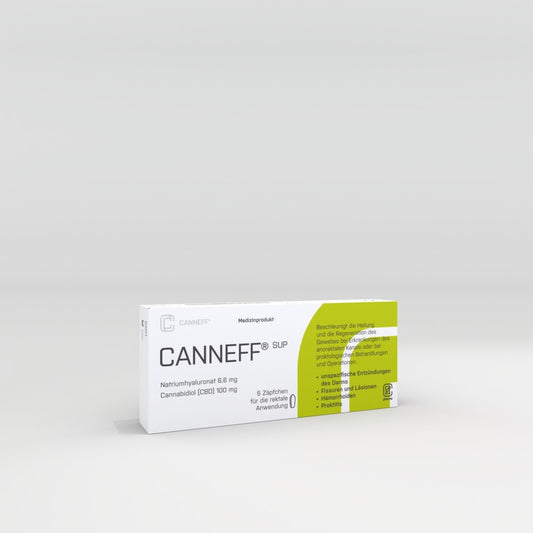
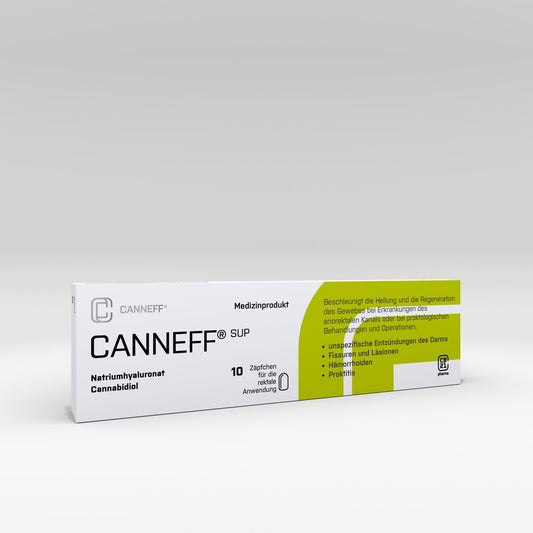
Ointments & Suppositories: CANNEFF® suppositories are a herbal option to soothe irritated hemorrhoids. They contain calming ingredients specially suited for sensitive skin. However, note that CANNEFF® suppositories are not recommended for breastfeeding mothers.
Pelvic floor training: Gentle exercises promote blood circulation and aid recovery.
Which home remedies help with postnatal hemorrhoids?
Many mothers prefer natural home remedies for treating hemorrhoids. The following remedies have proven helpful:
|
Home remedies |
Effect |
|
Cold compresses |
Reduces swelling and relieves pain |
|
Aloe vera gel |
Has soothing and anti-inflammatory effects |
|
Witch hazel tincture |
Helps against itching and minor bleeding |
|
Coconut oil |
Has antibacterial effects and supports healing |
|
Chamomile tea compresses |
Reduce inflammation and soothe the skin |
Are sitz baths recommended after childbirth?
Yes, sitz baths are one of the most effective methods to relieve hemorrhoid symptoms after childbirth. They relax the muscles, promote blood circulation, and have anti-inflammatory effects.
Recommended additives for sitz baths:
-
Chamomile
-
Oak bark
-
Dead Sea salt
A sitz bath should last about 10 to 15 minutes and be used once or twice daily.
Can breastfeeding affect the healing of hemorrhoids?
Breastfeeding itself has no direct effect on hemorrhoids, but the hormonal changes during breastfeeding can affect digestion. Many women experience mild constipation during breastfeeding, which can worsen hemorrhoids.
Tips to promote healthy digestion during breastfeeding:
-
Drink at least 2 liters of water daily
-
Maintain a high-fiber diet
-
Incorporate light exercise into daily life
Which exercises help against hemorrhoids after childbirth?
Gentle movement and targeted pelvic floor exercises are ideal to promote blood circulation and relieve hemorrhoid symptoms.
Effective exercises:
-
Pelvic floor exercises (e.g., Kegel training)
-
Gentle yoga exercises
-
Walking
Heavy physical strain or intense abdominal muscle training should be avoided in the first weeks after childbirth to prevent additional pressure on the pelvic floor.
When should you see a doctor for hemorrhoids after childbirth?
A doctor's visit is necessary if:
-
Hemorrhoids do not regress despite home remedies
-
A permanent prolapse of the hemorrhoids is present (grade 3-4)
-
Signs of infection (redness, pus formation) are present
Most hemorrhoids can be treated conservatively, but in severe cases, medical sclerosis or surgery may be necessary.
Are there special ointments for mothers with hemorrhoids?
Yes, there are special ointments that can be used during breastfeeding. These often contain anti-inflammatory and pain-relieving ingredients.
Recommended ointments for nursing mothers:
-
Witch hazel ointmentsthat reduce itching and inflammation
-
Ointments with aloe vera or panthenol for gentle care
Ointments with cortisone should only be used after consulting a doctor. Hemorrhoids after childbirth are a common but treatable problem. In many cases, they resolve on their own, but home remedies, ointments, and sitz baths can speed up healing. Nursing mothers should pay attention to a fiber-rich diet and perform gentle exercises to support healing. If there are severe complaints or persistent symptoms, a doctor's visit is advisable.