

What is an anal fistula and why is its treatment important?
An anal fistula is a pathological connection between the rectum and the skin around the anus. It usually develops from a previous anal abscess that did not fully drain. Anal fistulas often cause recurring pain, discharge, and inflammation, which significantly impair quality of life.
The treatment of anal fistulas is necessary because an untreated fistula can lead to chronic infections, fecal incontinence, or in the worst case, malignant tissue changes. While surgery is considered the standard therapy, there are herbal approaches that can relieve symptoms of anal fistulas, support the healing process, and reduce the risk of recurrent fistula formation.
Which herbal remedies can help with an anal fistula and how do they work?
Herbal remedies can work on various levels: they inhibit inflammation, promote wound healing, and relieve pain. Particularly effective are medicinal plants with antiseptic, astringent, and wound-healing properties.
|
Herbal remedy |
Effect |
Form of application |
|
Chamomile |
Anti-inflammatory, soothing |
Sitz baths, ointments |
|
Oak bark |
Astringent, wound healing |
Sitz baths, compresses |
|
Calendula |
Antibacterial, promotes wound healing |
Ointments, sitz baths |
|
Aloe Vera |
Cooling, anti-inflammatory |
Gel, compresses |
|
Tea tree oil |
Antiseptic, antibacterial |
Apply diluted |
|
Witch hazel |
Hemostatic, astringent |
Ointments, sitz baths |
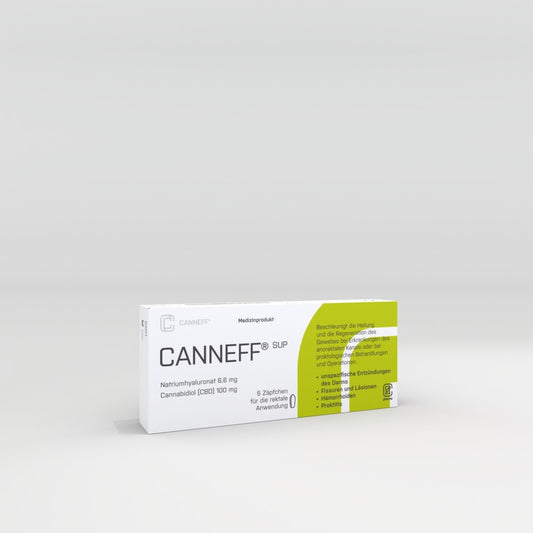
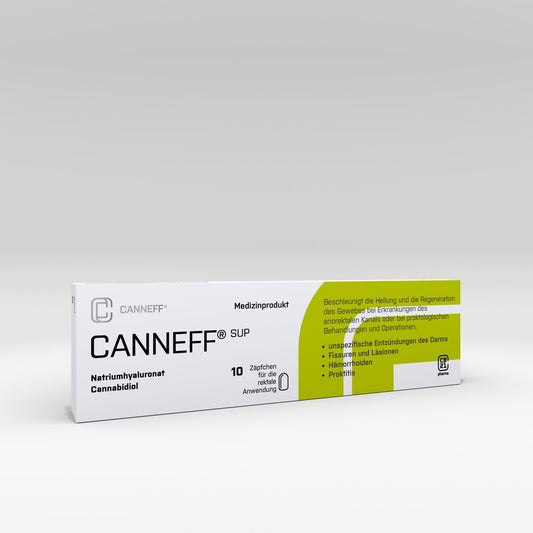
Especially effective are CANNEFF® SUP suppositories, as they contain CBD and hyaluronic acid and have anti-inflammatory and pain-relieving properties. This can help reduce symptoms of anal fistulas and support healing.
What causes and symptoms occur with an anal fistula?
Anal fistulas usually develop as a result of a previous inflammation or infection in the anal area. The most common cause of anal fistulas is an anal abscess, which arises from inflammation of the proctodeal glands in the anal canal. When these glands become inflamed and the pus cannot fully drain, a purulent cavity forms. If this remains untreated or heals incompletely, a pathological connection between the rectum and the skin can develop – the anal fistula.
In addition to anal abscesses, chronic inflammatory bowel diseases such as Crohn's disease or ulcerative colitis can also promote the formation of an anal fistula. Since these diseases involve persistent inflammatory processes in the intestines, those affected are particularly at risk. A weakened immune system, as seen in diabetes or HIV infections, can also increase the risk of anal fistulas. Other factors such as prolonged sitting, obesity, or inadequate anal hygiene can promote their occurrence by weakening the skin barrier and encouraging inflammatory processes.
Anal fistulas often cause recurring symptoms that can be extremely uncomfortable for those affected. A typical symptom of anal fistulas is the purulent or bloody discharge from a small opening near the anus, as secretions accumulate in the fistula tract and leak out. Many sufferers complain of anal itching, moisture, or burning in the anal area, which further irritates the skin. A feeling of pressure or pain, especially when sitting or during bowel movements, is also common. If the fistula becomes inflamed or an anal abscess recurs, fever may also occur, which is a sign of an acute infection.
The symptoms of anal fistulas can vary in intensity and often occur in flare-ups. While some sufferers experience only mild discomfort for extended periods, others suffer from persistent pain and inflammation. Due to the chronic course and possible complications, early diagnosis and treatment of the anal fistula are essential to prevent long-term damage or the spread of infection.
How do anti-inflammatory herbs affect an anal fistula and which are particularly effective?
Anti-inflammatory herbs positively influence wound healing by Fight bacteria, soothe the skin, and reduce swelling. Particularly effective are:
Chamomile: Contains bisabolol, which has antibacterial and anti-inflammatory effects.
Oak bark: The contained tannins contract the tissue, reduce oozing, and promote healing.
Calendula: Promotes tissue regeneration and has an antiseptic effect.
Aloe Vera: Has a cooling effect and relieves pain.
CBD from hemp (e.g., in CANNEFF® SUP suppositories): The combination with hyaluronic acid reduces inflammation, relieves pain, and supports regeneration.
Can an anal fistula be healed with herbal ointments or compresses, and which ingredients are suitable?
An anal fistula usually does not heal on its own with herbal ointments, as the tract must be surgically closed. However, certain ingredients can support the healing process:
|
Active ingredient |
Effect |
|
Calendula extract |
Promotes wound healing |
|
Witch hazel |
Stops minor bleeding, contracts the tissue |
|
Tea tree oil |
Has antibacterial effects |
|
CBD |
The combination of CBD and hyaluronic acid relieves inflammation and pain |
Ointments or compresses with these ingredients can relieve local symptoms of anal fistulas, but do not replace medical treatment of anal fistulas.
What role does nutrition play in the natural healing and prevention of an anal fistula?
Proper nutrition plays a crucial role in the healing and prevention of anal fistulas, as it significantly influences how stressful bowel movements are for the anal canal. A fiber-rich diet ensures a soft and formed stool consistency, which reduces pressure on the damaged tissue. Hard stools or constipation, on the other hand, can delay healing and promote renewed inflammation.
Recommended dietary measures
Fiber-rich foods: Vegetables, fruits, whole grains, legumes, and flaxseeds promote healthy digestion and prevent hard stools.
Adequate fluid intake: At least 2–3 liters of water or unsweetened teas daily help keep stools soft and prevent constipation.
Probiotic foods: Yogurt, kefir, fermented vegetables (such as sauerkraut or kimchi) support a healthy gut flora, which can reduce inflammatory reactions in the intestines.
Healthy fats: Omega-3 fatty acids from fish, flaxseed oil, or walnuts have anti-inflammatory effects and can support the healing process.
Avoidance of irritating foods: Spicy seasonings, fatty or heavily processed foods, as well as alcohol and caffeine can irritate the bowel and lead to increased discomfort.
Gentle, regular bowel movements are essential for healing, as constant straining or hard stools can mechanically stress the fistula and increase the risk of new inflammations.
Which home remedies can relieve pain, inflammation, and oozing wounds in an anal fistula?
Natural home remedies can significantly relieve the symptoms of anal fistulas by reducing inflammation, promoting wound healing, and alleviating pain. The following methods have proven particularly effective:
Sitz baths with chamomile or oak bark: These relieve itching, have anti-inflammatory effects, and promote the healing of irritated tissue. They should be done two to three times daily for 10–15 minutes.
Aloe vera gel: Applied directly to the affected area, aloe vera has a cooling, soothing, and anti-inflammatory effect.
Witch hazel compresses: Applying cloths soaked with witch hazel extract can reduce swelling and act as a hemostatic.
Coconut oil: Due to its antimicrobial and moisturizing properties, coconut oil can be applied to the affected skin to relieve irritation.
Honey: Due to its antiseptic effect, medical Manuka honey can be used for local treatment to prevent infections and support wound healing.
These home remedies can relieve the symptoms of an anal fistula, but do not replace medical treatment of anal fistulas. Especially with persistent symptoms or worsening infection, a proctologist should definitely be consulted.
How effective are sitz baths with chamomile or oak bark in the treatment and regeneration of anal fistulas?
Sitz baths are a proven supportive therapy that can help relieve anal fistula symptoms and accelerate wound healing. The affected area is bathed in warm water with anti-inflammatory additives.
|
Sitz bath ingredient |
Effect |
|
Chamomile |
Anti-inflammatory, soothing, relieves itching |
|
Oak bark |
Astringent, promotes wound healing, reduces oozing |
|
Calendula |
Antiseptic, regenerating, antibacterial |
Sitz baths should ideally be taken twice daily for 10–15 minutes. It is important that the water is not too hot, as this can increase blood flow and cause irritation. Alternatively, affected individuals can use CANNEFF® SUP suppositories, which contain CBD and hyaluronic acid and can have anti-inflammatory and pain-relieving effects.
Can homeopathic remedies or Schüßler salts heal an anal fistula, and are there any experiences regarding this?
Homeopathy and Schüßler salts are often used to support healing, but there is no scientific evidence for their effectiveness in treating anal fistulas. Nevertheless, some patients use them alongside conventional treatment for anal fistulas.
Schüßler salt no. 11 (Silicea): Often recommended to promote skin and tissue regeneration.
Calendula D6: Should support wound healing and have anti-inflammatory effects.
Since anal fistulas generally do not heal on their own but require surgical treatment, homeopathic remedies can at most be used as a complementary measure to relieve symptoms. Patients should consult an experienced therapist and not forgo medical treatment.
Is a plant-based treatment alone sufficient, or should it be combined with medical methods?
A purely plant-based treatment for anal fistulas is usually not sufficient to completely cure an anal fistula, as the fistula tract remains and can become inflamed repeatedly. Medical measures such as surgery or minimally invasive procedures like laser therapy are usually necessary to permanently remove the fistula.
Herbal remedies, however, play an important supportive role by:
-
Reduce inflammation and reduce the risk of secondary infections.
-
Promote the healing process after surgeryby supporting wound regeneration.
-
Relieve pain and improve quality of life.
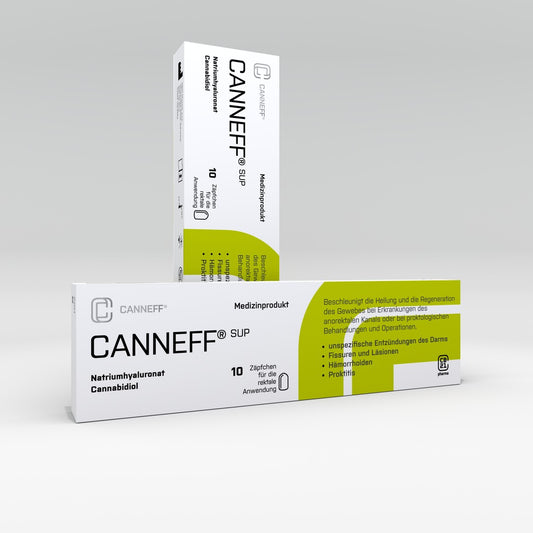
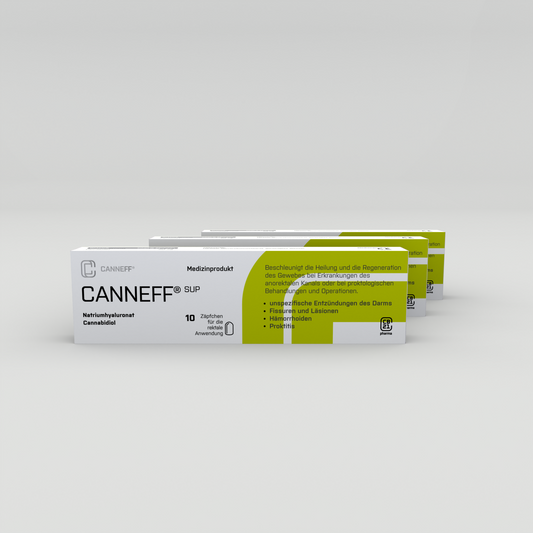
Especially CANNEFF® SUP suppositories can be a useful addition here, as they have anti-inflammatory effects, reduce pain, and support mucous membrane regeneration. Read more here about the treatment of anal fistulas with suppositories. The rectal suppositories are also available in the CANNEFF® Anal Fistula and Anal Abscess Value Package in the webshop.
Sitz baths, anti-inflammatory ointments, or a tailored diet also help accelerate healing after surgery and reduce the risk of new fistulas. A combination of medical therapy and herbal measures is the best approach to avoid long-term anal fistula symptoms and support healing. Those affected should seek advice early to find the best possible treatment for anal fistulas for their individual case. Read more here about alternative treatment approaches for anal fistulas, or find further information here about the doctor’s visit for anal fistulas.