

Itching at the anus: Is an anal fissure the cause?
Itching at the anus can have many causes, from harmless skin irritations to chronic diseases. An anal fissure is a common cause of persistent itching, especially if the fissure is already chronic and the wound repeatedly tears open. Accompanying symptoms often include pain, bleeding with anal fissures, and also oozing. To clarify the exact cause of the itching, a medical examination is recommended. Find more information here about the causes of an anal fissure.
Why does an anal fissure itch? The most common triggers
Itching occurs with an anal fissure through the following mechanisms:
-
Wound healing: During healing, the body releases messenger substances that trigger itching. Read more here about the acceleration of healing an anal fissure.
-
Moist wound surfaces: Oozing fissures promote skin irritation and itching.
-
Skin irritation from stool residues: Incomplete cleaning can further irritate the sensitive skin.
-
Infections or inflammations: An open fissure is susceptible to bacterial or fungal infections, which can increase itching.
-
Reaction to ointments or medications: Certain ingredients can trigger allergic reactions or skin irritation.
Itching and oozing with anal fissures – What’s behind it?
Many patients with anal fissures report oozing in the anal area. This can have the following causes:
|
Cause |
Mechanism |
|
Inflammatory reaction |
The damaged skin secretes wound fluid. |
|
Irritation from stool residues |
Small amounts of stool can remain in the fissure and irritate the skin. |
|
Mucus production from the rectum |
The intestinal mucosa responds to the injury with increased mucus production. |
|
Secondary infections |
Bacterial or fungal infections lead to increased weeping. |
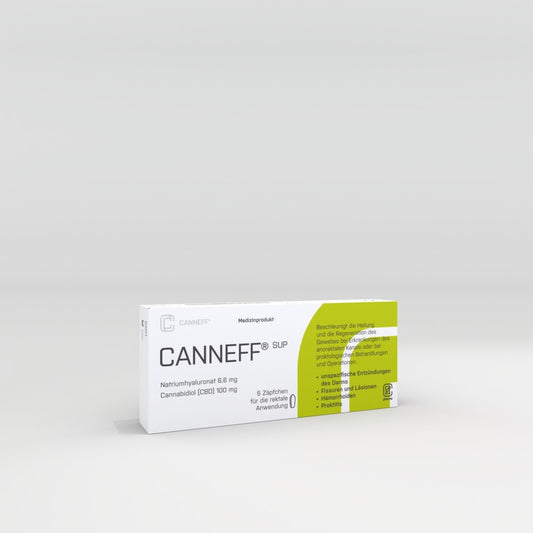
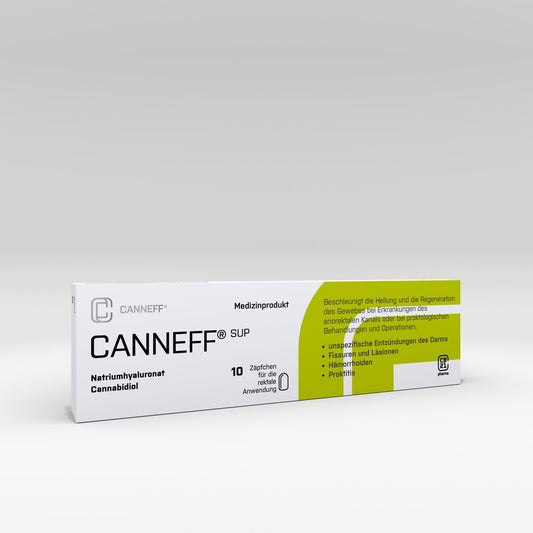
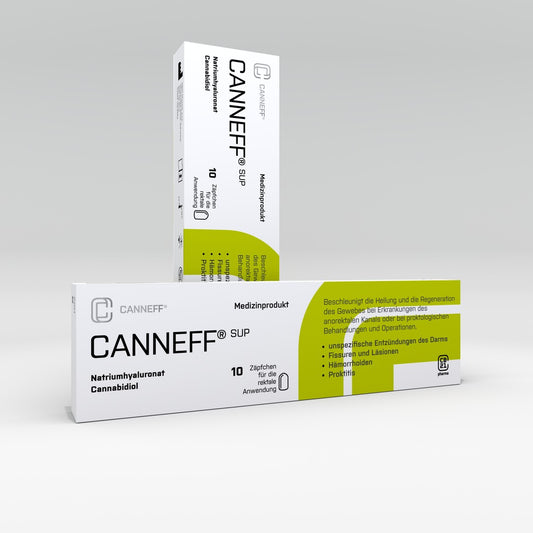
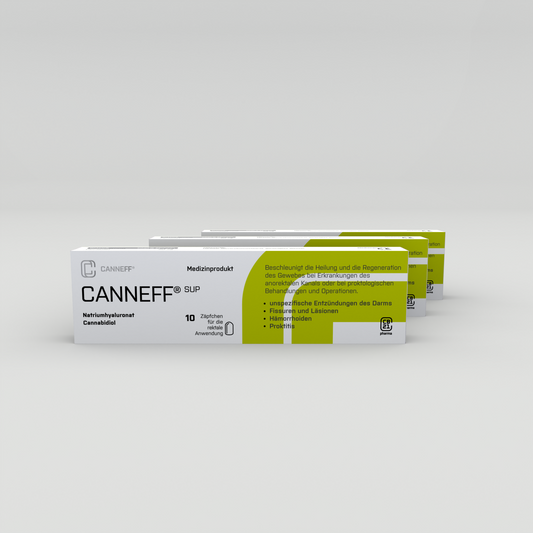
Especially with chronic anal fissures, weeping can delay the healing process. CANNEFF® SUP can help here by soothing the skin, binding moisture, and reducing inflammation. Read more here about the treatment of anal fissures with suppositories.
Unpleasant itching after bowel movements: A warning sign?
Itching immediately after bowel movements is a common symptom of anal fissures. Possible reasons:
-
Irritation from bowel movements: The fissure is further stressed by hard or acidic stool.
-
Increased moisture: After bowel movements, wound fluid can accumulate in the anal area.
-
Sphincter cramps: Increased muscle tone can impair blood circulation and intensify itching.
If the itching regularly occurs after bowel movements and is associated with bleeding from anal fissures or pain, medical evaluation should be sought.
Which ointments and creams relieve itching in anal fissures?
For relief of itching and promotion of wound healing, there are special ointments and creams:
|
Active ingredient |
Effect |
|
CANNEFF® SUP with CBD and hyaluronic acid |
Relieve inflammation, promote wound healing, and provide moisture. |
|
Lidocaine ointments |
Temporarily numb the affected area. |
|
Zinc oxide ointments |
Act antiseptically and dry out weeping fissures. |
|
Diltiazem or nitroglycerin ointments |
Reduce muscle tone and promote blood circulation. |
The choice of the right ointment depends on the individual symptoms. For persistent itching, CANNEFF® SUP can provide targeted support through its soothing effect.
Anal fissure itching: Which home remedies really help?
In addition to medical treatments for anal fissures, home remedies for anal fissures can provide supportive effects:
-
Sitz baths with chamomile or oak bark: Have anti-inflammatory effects and soothe the skin.
-
Aloe vera gel: Moisturizes and promotes healing.
-
Coconut oil or olive oil: Forms a protective layer and reduces irritation.
-
Dietary change: A fiber-rich diet and adequate fluid intake prevent hard stool that irritates the fissure.
Home remedies are a good complement to conventional medical therapy, especially for mild symptoms of an anal fissure.
Can an anal fissure cause chronic itching?
Yes, especially with chronic anal fissures, itching is a common and distressing symptom. Reasons include:
-
Wound repeatedly tearing: The fissure does not heal completely and remains irritated.
-
Scar formation: Altered tissue can be more sensitive to moisture and friction.
-
Accompanying skin problems: Eczema or infections can develop due to chronic irritation.
If the itching persists despite treatment, targeted therapy with regenerative suppositories like CANNEFF® SUP may be useful. Find all information here about the use and treatment of anal fissures with suppositories.
Prevent itching caused by anal fissures – The best tips
Itching at the anus is an unpleasant symptom often associated with anal fissures – a painful injury to the anal mucosa caused by friction, bowel movements, or chronic inflammation.
Stool regulation: Soft stool prevents the fissure from tearing again.
Gentle anal hygiene: Use moist toilet paper or water instead of dry paper.
Breathable clothing: Cotton underwear reduces moisture and friction.
Avoid irritants: Do not use perfumed soaps or harsh cleaning agents.
Medical care products: CANNEFF® SUP can help relieve itching and regenerate the skin through the combination of CBD and hyaluronic acid.
When should you see a doctor for itching caused by an anal fissure?
Itching around the anus can be harmless, but if it persists or is accompanied by other symptoms, an anal fissure may be the cause – in such cases, a doctor's visit is recommended.
A doctor's visit is advisable if:
-
The itching lasts longer than 2 weeks.
-
Other symptoms such as bleeding with anal fissures or pain occur.
-
Home remedies and ointments do not bring improvement.
-
Oozing or swelling may indicate an infection.
Early treatment of anal fissures can prevent the fissure from becoming chronic or the need for an anal fissure surgery. Find all information about diagnosis and examinations in the blog post on anal fissure doctors.
Long-term solutions against itching after anal fissures
To avoid recurring itching in the long term, a combination of treatment and prevention is crucial:
-
Regular care with CANNEFF® SUP: Supports wound healing and prevents recurring fissures.
-
Improve bowel health: Sufficient fiber, fluids, and regular exercise promote healthy digestion.
-
Proper anal hygiene: Prevents further irritation and infections.
-
Relaxation of the sphincter muscle: Ointments or Botox injections can help reduce muscle tone and improve blood circulation.
Through holistic treatment and targeted care, anal fissure-related itching can be sustainably alleviated.